“Where in your voice
did I lose myself?”
— Iranian poet Masoud Ahmadi
from “This Craving and this Me.”
Translated by Alireza Abiz
(from indigenousdialogues)

08 Wednesday May 2013
Posted in Poetry, Translation
≈ Comments Off on where in your voice
“Where in your voice
did I lose myself?”
— Iranian poet Masoud Ahmadi
from “This Craving and this Me.”
Translated by Alireza Abiz
(from indigenousdialogues)
08 Wednesday May 2013
Posted in Armenian, Illustration and art, Poetry, Translation
≈ Comments Off on silver apples and anahit’s sword

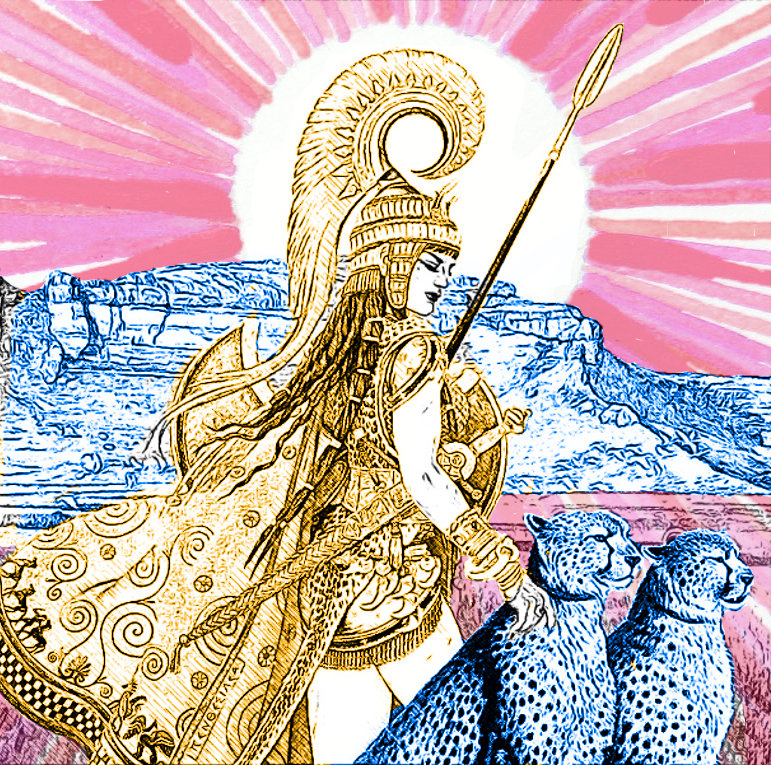
painting by Georges Clairin
Լեռներ ես օրօր մէջ անվերջանալի. Անտարբեր ես են ձեր շիրմին. Ես երազում եմ որ կարող եմ խոսել ձեզ հետ. Լուսին մահիկ մը տակ հազիւ տեսանելի դու. Ես բերում քո արծաթ խնձոր. Ես բերում սուրը Անահիտի. Հոս լեռներ մէջ անվերջանալի, քույր. Անոնք էս չեն լսած ձեր մասին.
.
I ramble in these endless mountains. I am indifferent to your grave. I dream that I can speak with you. You are hardly visible under a crescent moon. I’ve brought your silver apples. I bring Anahit’s sword. The mountains here are endless, sister. They’ve never heard of you.
06 Monday May 2013
Posted in Armenia, Armenian, Illustration and art, Poetry, Translation
≈ Comments Off on bagmasti
Tags
Armenian mythology, Armenian translation, Arnos Martirosyan, Bagmasti, Բագմաստի, Poetry, you cannot kill a goddess
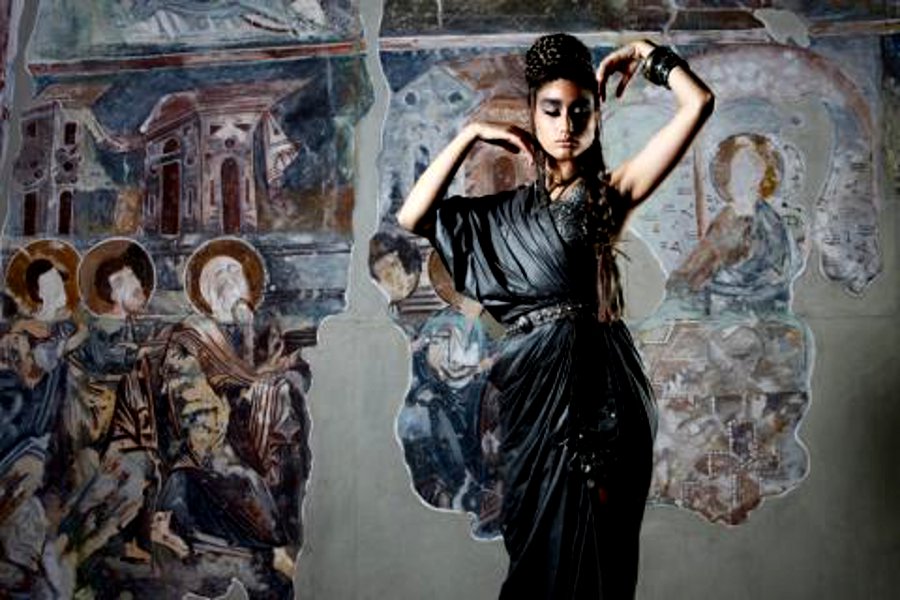
photo by Aros Martirosyan
Բագմաստի, ես կը փախչէի ողջ աստղերն, իսկ անապատը խոր. Որտեղ եք? Թէ մայրերը չլինէր աշխարհում, քույրերը, աղջիկներ ջահել, այս հինավուրց աստվածուհի պետք է անհետանալ, սակայն, դուք չեք կարող սպանել աստվածուհի.
.
Bagmasti, I fled across the stars and the deep desert. Where are you? If it were not for the mothers, sisters, young girls of the world this ancient goddess would disappear, but you can not kill a goddess.
03 Friday May 2013
Posted in Armenian, Illustration and art, Poetry, Spanish, Translation
Tags
Alejandra Pizarnik, Armenian translation, ՆՇԱՆՆԵՐ, Ալէճանդրա Պիզարնիկ, poem, SIGNOS, SIGNS, Spanish translation
![[note: Gustav Klimt, Tragedy, 1898]](https://ghostsista.com/wp-content/uploads/2013/05/gustavklimt-tragedy-1897.jpg)
[note: Gustav Klimt, Tragedy, 1898]
03 Friday May 2013
Posted in Armenian, Illustration and art, Poetry, Spanish, Translation
≈ Comments Off on alejandra pizarnik’s BALADA DE LA PIEDRA QUE LLORA
Tags
Alejandra Pizarnik, Armenian translation, BALADA DE LA PIEDRA QUE LLORA, BALLAD OF THE WEEPING STONE, ԲԱԼԱԴ Է ԱՂԱՂԱԿԵԼՈՎ ՔԱՐԻ, Poetry, Spanish translation

Alejandra Pizarnik
Ալէճանդրա Պիզարնիկ
.
BALADA DE LA PIEDRA QUE LLORA
La muerte se muere de risa pero la vida
se muere de llanto pero la muerte pero la vida
pero nada nada nada.
.
BALLAD OF THE WEEPING STONE
death dies of laughter but life
dies of weeping but death but life
but nothing, nothing, nothing.
.
ԲԱԼԱԴ Է ԱՂԱՂԱԿԵԼՈՎ ՔԱՐԻ
մահը մեռնում պատճառով ծիծաղի. բայց
կյանքը մեռնում է, քանի որ լաց
բայց մահ. բայց կյանքը.
բայց ոչինչ. ոչինչ. ոչինչ.
02 Thursday May 2013
Posted in Armenian, Poetry, Spanish, Translation
≈ Comments Off on alejandra pizarnik’s sólo un nombre
Tags
Alejandra Pizarnik, Armenian translation, JUST A NAME, Ալէճանդրա Պիզարնիկ, ԸՆԴԱՄԵՆԸ ՄԻ ԱՆՎԱՆՈՒՄ, SÓLO UN NOMBRE, Spanish translation
![[note: Alejandra Pizarnik’s grave at La Tablada, Buenos Aires]](https://ghostsista.com/wp-content/uploads/2013/05/alejandra-pizarniks-grave-in-la-tablada.jpg)
[note: Alejandra Pizarnik’s grave at La Tablada, Buenos Aires]
I first translated this poem into English on November 24, 2005. Here are my thoughts I noted down:
How can three lines cause me so much stress, dither, pang? I have been struggling with this poem since Monday when I first discovered it. At first I thought the problem was me. My Spanish is, of course, muy malo. Alejandra’s line: debajo estoy yo seemed beyond my powers to comprehend. In the introduction to her translations Exchanging Lives Bassnett (2002) notes:
One of Pizarnik’s poems [Solo un Nombre] is famously untranslatable, a name poem that is effectively her epitaph in three lines … Not only does her name resist translation, so also do the three words of the middle line. Should it read literally: “below am I” or conversationally “I am underneath” or more pompously “I lie below,” which would bring in the double meaning of “lie”? None of these renderings is adequate, for the poem works because each word is so perfectly placed and sounds so right that no translator could do justice to the piece. (page 9)
This makes sense in context, the perplexity, flow, fermentation of Pizarnik’s poetic philosophy being abundantly clear in these three lines. Martínez, writing in Salgado’s anthology, comments: “the experience of fluidity came to be the hallmark of her life, one that estranged her from her own self and language and forever defeated her dream of an improbable grounding center” (page 296). Finally, I decided not to worry about this middle line. Stress, dither, pang will be my end, I think. Bassnett chooses to translate debajo estoy yo as “lying below.” I do not think my line is perfect, but what is, after all?
28 Sunday Apr 2013
Posted in Illustration and art, Poetry, sonnet
≈ Comments Off on sky fire
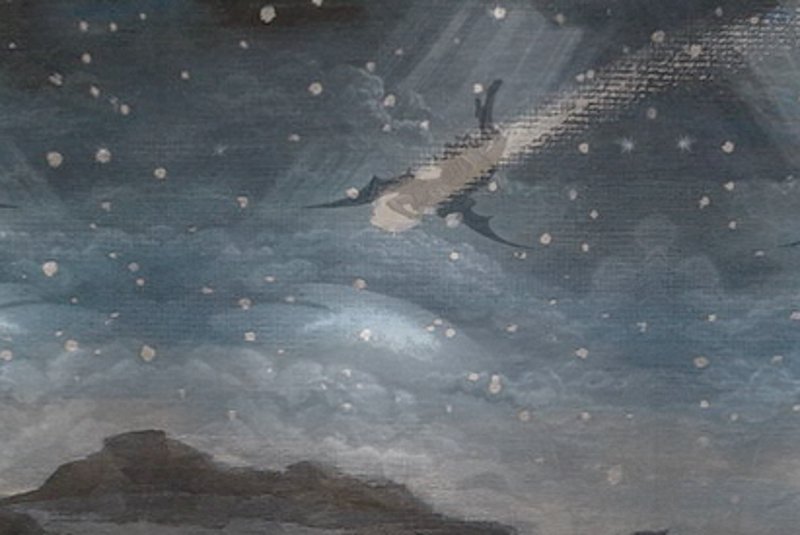
Three dead fireflies. My three children gone.
Burned out. I am alone. The midnight skies
have cleared. I carry my dead daughter’s bone
in a bag close to my heart. My black eyes
do not have time for grief, but my heart does.
My heart is wild, in pain, a child. My heart
cries for blood, follows the laws of outlaws.
But we are a restrained people, our art
hints at our pain which we call beautiful.
I do not want you. I want my children –
no – no – no – back. Sky fire. I am without
hope, love, salvation. I curse my people.
I curse the heavens, they turned my vision
into shooting stars: I’m burning, burned out.
17 Wednesday Apr 2013
Posted in Armenia, Poetry, Translation
Ես սիրում
եմ քանդել
հիմարների
երազանքները:
.
I liketo destroy
the dreams
of fools.
note:
This isn’t really a poem, more of a phrase I found in my grammar book. And who doesn’t like thwarting the unworthy now and then? It’s the only time I get to use the word dastardly, which you have to admit really needs to be brought into circulation.
14 Sunday Apr 2013
Posted in Armenia, Poetry, sonnet, Translation
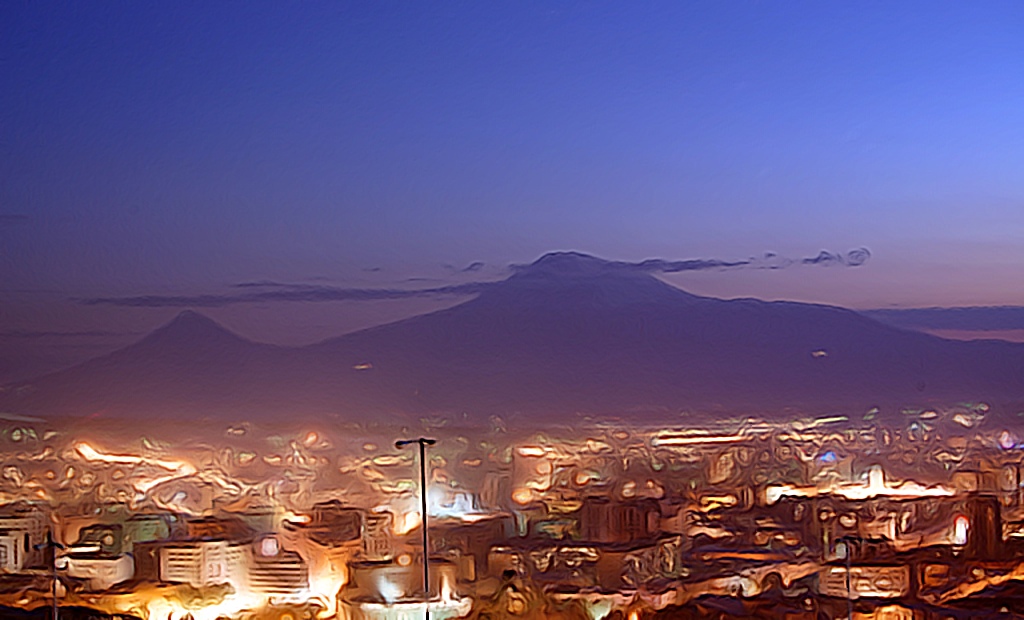
Արարատ Լեռ
.
«ընկերներ բաժանվում են ընդմիշտ — անզուսպ սագը մոլորված ամպերի մէջ» — Բաշօ
.
Բոլոր սովորածս բառերը կարող էին տեղ տալ մի
ափի մէջ ու նրանց բոլորի իմաստն էր տուն վերադառնալ: Առավոտ
ու ես հագվում էի այս խորը արեվի երկրում
եւ խորը սարերի: Հագվում կէս չհարբած, քայլում
դէպե Փոլիթեքնիք սովորելու նոր բառեր:
Միշտ բառեր: Միշտ այդ ընդարձակ կապոյտ սարը
դիտում. կանչում իր զավակները: Այնքան աբզուրդ
որքան կէտաձկի կանչը: Բայց ավելի մեծ քան
այդ, այնքան մի մեծ ձայն որ արտասանվում էր համր
լռութեան մեջ, ոսկոռի եւ ճանկի լեզվով, այբուբենի
գաղտնի տնքալով: Կարծես ասելով «եկեք տուն, զավակներս, եկեք»
Ոչ: Ես ոչ մէկի զավակը չեմ եւ ոչ մէկը
գնում է տուն: Ոչ: Ոչ այս զավակը: Ոչ իրականում:’
.
.
Mt. Ararat
“friends part forever — wild geese lost in cloud” — Basho
.
All the words I learned could be held in one
hand and they all meant going home. Morning
and I would dress in this land of deep sun
and deep mountains. Dress half sober, walking
to the Polytechnic to learn new words.
Always words. Always that long blue mountain
watching, calling her children. As absurd
as a whale’s call. But so much bigger than
that, a call so big that it spoke in dumb
silence, tongue of bone and claw, alphabet’s
secret groan. As if to say, “come to me,
child.” As if to say,“come home, my child, come.”
No. I’m no one’s child and no one gets
to go home. No. Not this child. Not really.
13 Saturday Apr 2013
Posted in Armenia, Poetry, Translation
Tags

Էւրէդըսիի հայացքը նորաձեւ փավիլեոնից
Նախ դու նրան տեսնում ես որպես
Մետաքս’ փաթթված հիւսված դարպասին:
Նրա փավիլեոնը
կագնած դաշտի մեջ, փոքր մի կղզի
ցուցաբերելով եւ ոչ մի փասիոն: Հետո
նա բարցրանում է, ծածկված գիշերանոցով ու ցեխով
— շաղատար կոշիկներ, գիշերամաշ գծեր
դեմքի վրա, իր երկար ու պայծառ լուսապսակը
լուսավորելով
իւր փավիլեոնի շլացուցիչ խնջոյքը:
Ասելով «ծծիր
արշալոյսի լոյսը իմ
ճակատի –» Ասելով
«Հետապնդիր տերողորմեաները
նվիրվածութեան –» Ասելով «այլապես’
ես քեզ կը լսամ մի այլ տեղ –»
[Translations by Tatoul Badalian]
.
Eurydice’s View from a Modish Pavilion
First you will see her as
silk tied to a woven gateway.
Her pavilion
stands in the field, islet
experiencing no passion. Then
she rises, clad in nightgown and mud
-spattered boots, night-worn lines on
her face, her long bright halo
illuminating the
pavilion’s dazzling banquet.
Saying: “suck early
morning light from my
forehead—” Saying:
“Follow these atonements
of devotion—” Saying: “Otherwise
I will hear you elsewhere—”
 memories of my ghost sista