• hopilavayi: an erotic dictionary

memories of my ghost sista

~ the dead are never satisfied

memories of my ghost sista

Tag Archives: poem

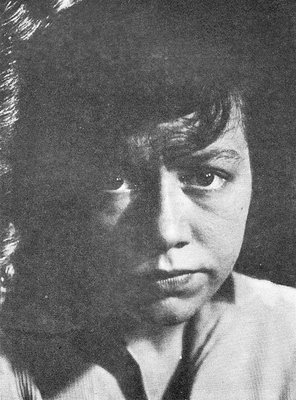
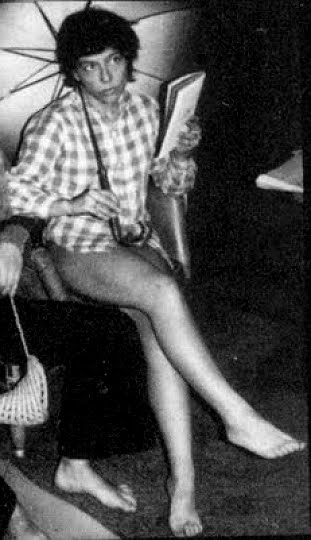
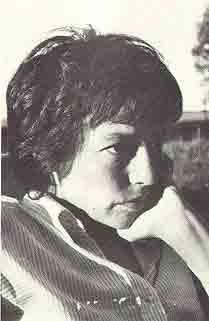
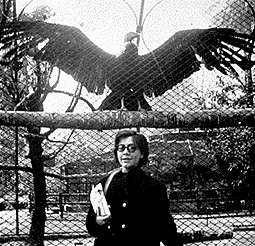
alejandra pizarnik’s diana’s tree

30 Tuesday Apr 2013

Posted by babylon crashing in Armenian, Illustration and art, Spanish, Translation

≈ 2 Comments

Tags

Alejandra Pizarnik, Armenian translation, Árbol de Diana, Diana's Tree, Ալէճանդրա Պիզարնիկ, Ծառը Դիանա, poem, Spanish translation

DIANA’S TREE
ԾԱՌԸ ԴԻԱՆԱ

Alejandra Pizarnik
Ալէճանդրա Պիզարնիկ


1.
He dado el salto de mí al alba.
He dejado mi cuerpo junto a la luz
Y he cantado la tristeza de lo que nace.

I have jumped from my body to the dawn.
I have left myself fixed to the light
I sang the grief of what is being born.

Ես էլ կոխել, լքելով ինքս ինձ, մեջ լուսաբացին.
Ես թողեցի իմ մարմինը մենակ լույսով
Եվ ես երգում, որ տխրություն ինչ է լինելու թ.


2.
Éstas son las versiones que nos propone
un agujero, una pared que tiembla …

These are the versions that are proffered to us:
a hole, a wall that shudders …

Սրանք տարբերակներն նա դնում է սեղանի վրա
մի փոս, պատ է որը ցնցումները …

3.
sólo la sed
el silencio
ningún encuentro

cuídate de mí amor mío
cuídate de la silenciosa en el desierto
de la viajera con el vaso vacío
y de la sombra de su sombra

only this thirst
silence
never stumbled upon

caution, my love
caution toward this quiet woman out in the dunes
this traveler with her empty glass
and all the shade of her shadow

միայն այս պապակ
լռություն
երբեք հայտնաբերել

Զգույշ եղեք, իմ սեր
Զգույշ եղեք նկատմամբ: Այս հանգիստ կնոջ դուրս ավազաթումբի
Այս ճանապարհորդ իր դատարկ ապակի
եւ ստվերում նրա ստվերի

aasesa
4.
AHORA BIEN:
Quién dejará de hundir su mano en busca del tributo para la pequeña
olvidada. El frío pagará. Pagará el viento. La lluvia pagará. Pagará el
trueno.

HOWEVER:
Who will surrender stop sinking his fist in
hunting for a forgotten tribute for the girl.
The cold will pay. The wind will pay. The rain
will pay. The thunder will pay.

ԱՊԱ ՈՒՐԵՄՆ:
Ով պետք է կանգ լողում վայրընթաց, որոնման համար մեծարման
այն փոքրիկ մոռացված է. Վճարել սառը կամքի ուժ. Որ քամին կվճարի.
Վճարել անձրեւ կամքի ուժ. Ամպի գոռոց ժամկետում վճարում.

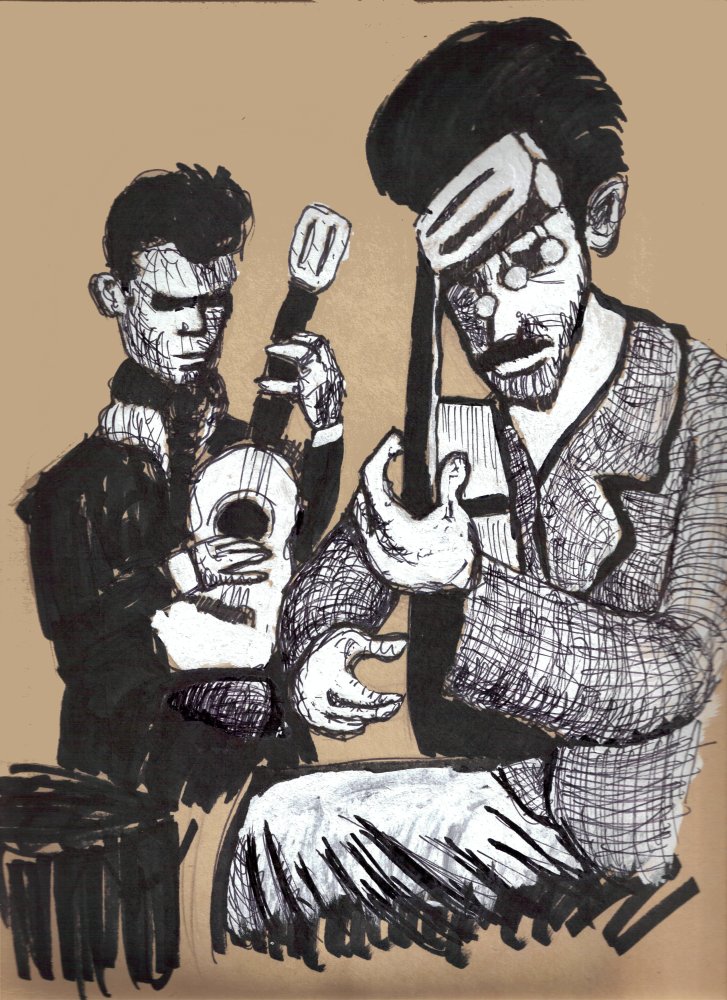
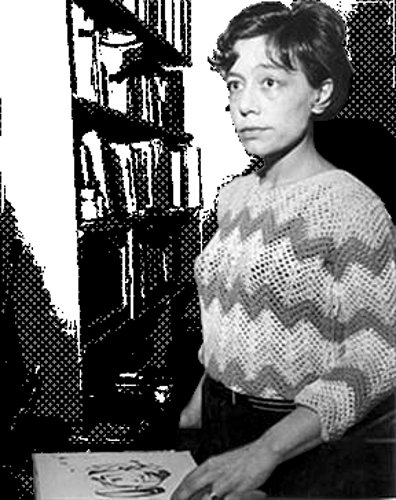
Alejandra y su madre
6.
ella se desnuda en el paraíso
de su memoria
ella desconoce el feroz destino
de sus visiones
ella tiene miedo de no saber nombrar
lo que no existe

she strips naked in the paradise
of her memory
she is ignorant of the ferocious destiny
of her visions
she is terrified of not knowing how to name
all that does not exist.

նա մերկ է դրախտ
իր հիշողության մեջ:
նա անտեղյակ է իր դիրքորոշումը ‘դաժան
ճակատագրի
նա վախենում չիմանալով, թե ինչպես անվանել այն
ինչ գոյություն չունի


7.
Salta con la camisa en llamas
De estrella a estrella.
De sombra en sombra.
Muere de muerte lejana
La que ama al viento.

She leaps with her shirt in flames
star to star.
From shade to shadow.
She is the one who dies a distant death
the one in love with the wind.

Նա թռչկոտելով նրա վերնաշապիկ կրակի.
Աստղանի հետո աստղի.
Ստվերային հետո ստվերը.
Մահացել է հեռավոր մահը.
Նա սիրում է քամու.

?????????????????????????????????????

8.
Memoria iluminada, galería donde vaga la sombra de lo que espero.
No es verdad que vendrá. No es verdad que no vendrá.

Illuminated memory, vague gallery where the shadow of my hope lives. It is not
truth that will come. It is not truth that will not come.

Լուսաւորելուց հիշողության մեջ. Պատկերասրահ աղոտ է, որտեղ ստվերային իմ հույսի բնակվում.
ճշմարտություն չի ժամանելու. ճշմարտություն չի ժամանելու.


10.
un viento débil
lleno de rostros doblados
que recorto en forma de objetos que amar

a feeble wind
full of doubled faces
that I trim into the forms of objects to love.

տկար քամի
լի կրկնապատկեցին դեմքերին
որ ես կտրել մեջ ձեւերի օբյեկտները կարող եմ սիրում.


11.
ahora
en esta hora inocente
yo y la que fui nos sentamos
en el umbral de mi mirada

now
in this innocent hour
I and the one that I was, seated
in the threshold of my stare.

այժմ
այս անմեղ ժամին
Ես ու իմ նախկին ինքնակառավարման, նստած
ի նախաշեմին իմ հայացքի.


13.
explicar con palabras de este mundo
que partió de mí un barco llevándome

to explain with words this world
a boat that pulled away from myself, taking me away.

բացատրել բառերով այս աշխարհը
մի նավակ, որը քաշեց հեռու ինձ, հաշվի ինձ տարավ.


14.
El poema que no digo,
el que no merezco.
Miedo de ser dos
camino del espejo:
alguien en mí dormido
me come y me bebe

The poem that I cannot utter,
the one that I do not deserve.
Fear of being two
pathways in the mirror:
somebody dormant in me
eating me and drinking me.

Այդ բանաստեղծությունը, որ ես չեմ կարող արտասանել,
որ ես արժանի չեն
իմ վախ լինելու երկու
ուղիները է հայելու.
ինչ – որ մեկը քնում ներսում
ինչ – որ բան ուտում է ինձ, խմել ինձ.


18.
como un poema enterado
del silencio de las cosas
hablas para no verme

like a poem aware of
the silence of things
you speak to shut me out.

Նման բանաստեղծություն
տեղյակ լռության բաներ
Խոսում եք փակել ինձ դուրս


19.
cuando vea los ojos
que tengo en los míos tatuados

yet I see the eyes
I know are in my inked eyeballs

բայց ես տեսնում, որ աչքերը
ես գիտեմ, իմ թանաքով ակնախնձորի

22.
en la noche
un espejo para la pequeña muerta
un espejo de cenizas

in the nighttime
a looking glass for the little, dead girl
a looking glass of ash

այն գիշեր
ա հայելի համար քիչ է, մեռած աղջիկ
մի հայելի է մոխիր


25.
(exposición Goya)
un agujero en la noche
súbitamente invadido por un ángel

(Goya exhibition)
a hole in the nighttime
hurriedly invaded by the angel

(ցուցահանդես Գոյա)
փոս է գիշերային ժամանակ
հրեշտակ արագ մտել

30.
en el invierno fabuloso
la endecha de las alas en la lluvia
en la memoria del agua dedos de niebla

in this fascinating blizzard
in rain the requiem of wings
in this memory, these watery fingers of fog

ներսում այս հետաքրքրաշարժ ձնաբուք
ներսում այս անձրեւի պատճառով հոգեհանգստի պատարագ է թեւերի
ներսում այս հիշողության մեջ, ներսում այս ջրալի մատները մշուշ

32.
Zona de plagas donde la dormida come
lentamente
su corazón de medianoche

In the beaten meridian where the sleeping woman
slowly
eats up her midnight heart

ներսում այս ծեծի է ենթարկվել միջօրեական
որտեղ քնած կին
կամաց – կամաց ուտում են կեսգիշեր սիրտը իր


34.
la pequeña viajera
moría explicando su muerte
sabios animales nostálgicos
visitaban su cuerpo caliente

the little traveler
dying, explaining her own death
to the wise nostalgic animals
visiting her warm carcass

փոքրիկ ճանապարհորդը,
չորացող, նա բացատրում համար իմաստուն,
կարոտած կենդանիների մասին նրա մահից
զրուցարանում հայտնվելու իր ջերմ դիակ


38.
Este canto arrepentido, vigía detrás de mis poemas:
este canto me desmiente, me amordaza.

This apologetic song, my explanation within these poems:
this song that denies me, silences me.

Սա ջատագովական երգը, իմ բացատրությունը ներսում այս բանաստեղծության:
այս երգը, որը ժխտում ինձ, որ լռությունը ինձ.
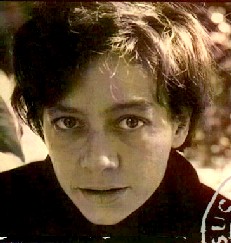
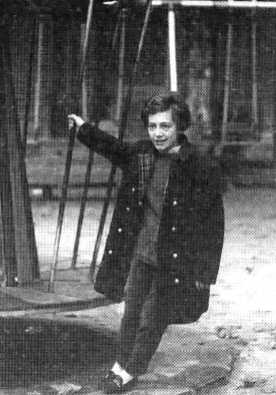
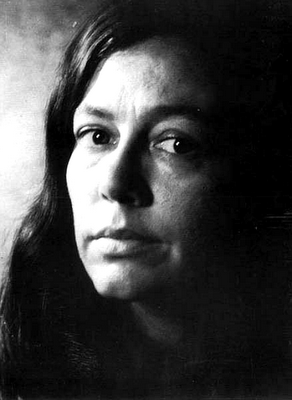
Notes: Simply put, Alejandra Pizarnik (Ալէճանդրա Պիզարնիկ), who died in 1972, was a visionary before her time. Like the German poet Paul Celan, she experimented with shattered and fragmented texts to express the horror she felt with the world.

I use to think my Spanish was very, very poor; but truth of the matter is I sound almost native (perhaps) when compared to my Armenian language skills. I apologize before hand for that since what I wish I had were the mad skills of a master translator so that not only could I catch all my mistakes before I post them, but also I could share all the poems I love with my friends. I do not know if this is the first attempt to translate Pizarnik’s epic Diana’s Tree poem into Armenian, but it’s my first regardless. I hope you enjoy.

federico garcia lorca’s despedida

28 Sunday Apr 2013

Posted by babylon crashing in Armenian, Spanish, Translation

≈ Comments Off on federico garcia lorca’s despedida

Tags

Armenian translation, despedida, Federico Garcia Lorca, Ֆեդերիկո Գարսիա Լորկա, poem, Spanish translation

eli3

Note: My Armenian is very, very poor. I apologize for that since what I wish I had were the mad skills of a translator so that not only can I catch all my mistakes before I post them, but also I could share all the poems I love with my friends.

Having said that here is my attempt to translate a poem by the Spanish poet Federico Garcia Lorca (Ֆեդերիկո Գարսիա Լորկա). I give the original first, then a translation into English and Armenian. Any help will always be a blessing. In the meanwhile, enjoy.

*

Despedida
Farewell
Հրաժեշտ

Si muero,
dejad el balcón abierto.

El niño come naranjas.
(Desde mi balcón lo veo).

El segador siega el trigo.
(Desde mi balcón lo siento).

¡Si muero,
dejad el balcón abierto!

*

If I die,
leave the doors to the balcony open.

The little boy is eating oranges.
(From my balcony I can see him)

The reaper is harvesting the wheat.
(From my balcony I can hear him)

If I die,
leave the doors to the balcony open!

*

Երբ որ ես մեռնեմ,
Բաց թողեք դռներն իմ պատշգամբի:

Քիչ բան պատանին նարինջ է քաղում:
(Իմ պատշգամբի տեսնում եմ նրան):

Քաղվոր է կտրում ցորեն:
(Իմ պատշգամբի լսում եմ նրան):

Երբ որ ես մեռնեմ,
Բաց թողեք դռներն իմ պատշգամբի!

dreams of fools

17 Wednesday Apr 2013

Posted by babylon crashing in Armenia, Poetry, Translation

≈ 2 Comments

Tags

Armenian, dreams of fools, poem, translation, Urartu princess

Urartu Princess

Ես սիրում

եմ քանդել

հիմարների

երազանքները:

.
I like

to destroy

the dreams

of fools.

note:

This isn’t really a poem, more of a phrase I found in my grammar book. And who doesn’t like thwarting the unworthy now and then? It’s the only time I get to use the word dastardly, which you have to admit really needs to be brought into circulation.

mount ararat

14 Sunday Apr 2013

Posted by babylon crashing in Armenia, Poetry, sonnet, Translation

≈ 6 Comments

Tags

Ararat, Armenian, Basho, poem, sonnet, translation

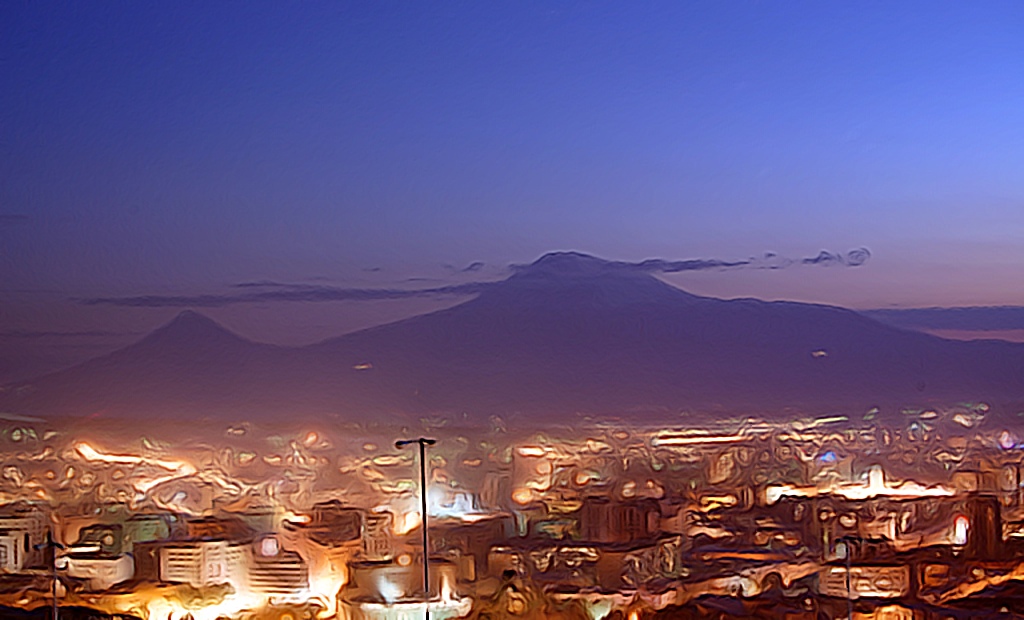
ararat

Արարատ Լեռ

.

«ընկերներ բաժանվում են ընդմիշտ — անզուսպ սագը մոլորված ամպերի մէջ» — Բաշօ

.

Բոլոր սովորածս բառերը կարող էին տեղ տալ մի

ափի մէջ ու նրանց բոլորի իմաստն էր տուն վերադառնալ: Առավոտ

ու ես հագվում էի այս խորը արեվի երկրում

եւ խորը սարերի: Հագվում կէս չհարբած, քայլում

դէպե Փոլիթեքնիք սովորելու նոր բառեր:

Միշտ բառեր: Միշտ այդ ընդարձակ կապոյտ սարը

դիտում. կանչում իր զավակները: Այնքան աբզուրդ

որքան կէտաձկի կանչը: Բայց ավելի մեծ քան

այդ, այնքան մի մեծ ձայն որ արտասանվում էր համր

լռութեան մեջ, ոսկոռի եւ ճանկի լեզվով, այբուբենի

գաղտնի տնքալով: Կարծես ասելով «եկեք տուն, զավակներս, եկեք»

Ոչ: Ես ոչ մէկի զավակը չեմ եւ ոչ մէկը

գնում է տուն: Ոչ: Ոչ այս զավակը: Ոչ իրականում:’

.

.

Mt. Ararat

“friends part forever — wild geese lost in cloud” — Basho

.

All the words I learned could be held in one

hand and they all meant going home. Morning

and I would dress in this land of deep sun

and deep mountains. Dress half sober, walking

to the Polytechnic to learn new words.

Always words. Always that long blue mountain

watching, calling her children. As absurd

as a whale’s call. But so much bigger than

that, a call so big that it spoke in dumb

silence, tongue of bone and claw, alphabet’s

secret groan. As if to say, “come to me,

child.” As if to say,“come home, my child, come.”

No. I’m no one’s child and no one gets

to go home. No. Not this child. Not really.

eurydice’s view from a modish pavilion

13 Saturday Apr 2013

Posted by babylon crashing in Armenia, Poetry, Translation

≈ 4 Comments

Tags

Eurydice, gif, Greek myth, poem, translation

tumblr_mh5wzy1MsK1qk4oheo1_500

Էւրէդըսիի հայացքը նորաձեւ փավիլեոնից

Նախ դու նրան տեսնում ես որպես
Մետաքս’ փաթթված հիւսված դարպասին:

Նրա փավիլեոնը
կագնած դաշտի մեջ, փոքր մի կղզի

ցուցաբերելով եւ ոչ մի փասիոն: Հետո
նա բարցրանում է, ծածկված գիշերանոցով ու ցեխով

— շաղատար կոշիկներ, գիշերամաշ գծեր
դեմքի վրա, իր երկար ու պայծառ լուսապսակը

լուսավորելով
իւր փավիլեոնի շլացուցիչ խնջոյքը:

Ասելով «ծծիր
արշալոյսի լոյսը իմ

ճակատի –» Ասելով
«Հետապնդիր տերողորմեաները

նվիրվածութեան –» Ասելով «այլապես’
ես քեզ կը լսամ մի այլ տեղ –»

[Translations by Tatoul Badalian]

.

Eurydice’s View from a Modish Pavilion

First you will see her as
silk tied to a woven gateway.

Her pavilion
stands in the field, islet

experiencing no passion. Then
she rises, clad in nightgown and mud

-spattered boots, night-worn lines on
her face, her long bright halo

illuminating the
pavilion’s dazzling banquet.

Saying: “suck early
morning light from my

forehead—” Saying:
“Follow these atonements

of devotion—” Saying: “Otherwise
I will hear you elsewhere—”

i search for your skull

13 Saturday Apr 2013

Posted by babylon crashing in Armenia, Poetry, Translation

≈ 2 Comments

Tags

Armenian Genocide, Der Zor, ghost girl, I search for your skull, poem, translation

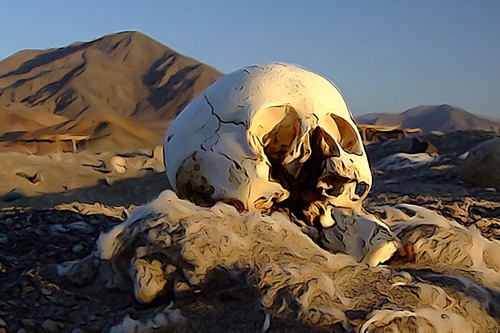
the Syrian desert called Der ez Zor, site of the Armenian genocide

the Syrian desert called Der ez Zor, site of the Armenian genocide

* * *

Կորած ուրվական.
Ես որոնում եմ ձեր գանգի:
Տէր Զօր.

* * *

Lost ghost.
I search for your skull.
Der ez Zor.

prayer to astghik

10 Wednesday Apr 2013

Posted by babylon crashing in Armenia, Poetry, Translation

≈ 2 Comments

Tags

Armenia, Astghik, love goddess, poem, prayer, translation

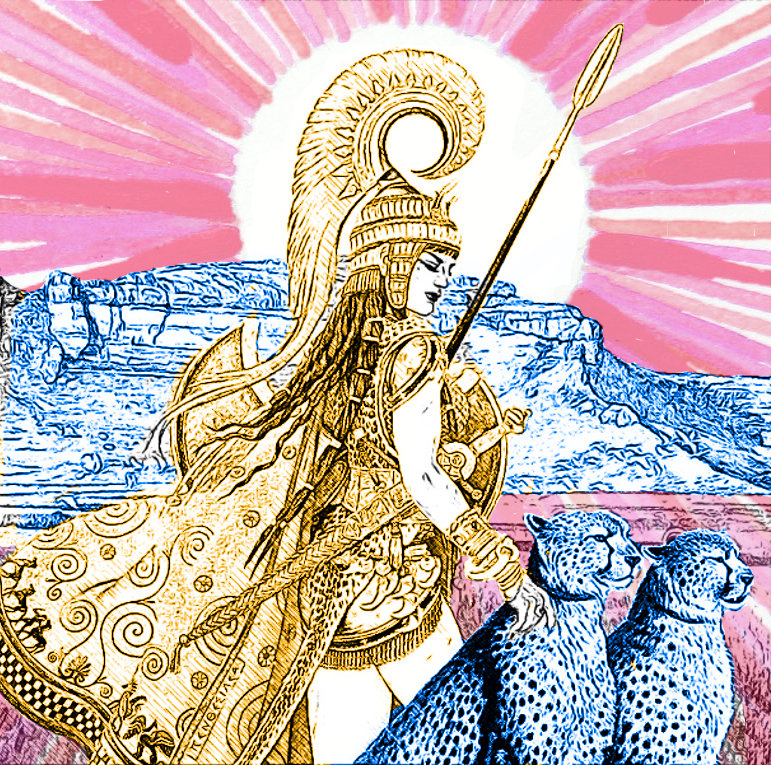
Astghik

Աստվածուհին սիրո եւ վերջին սերը.
Աստղիկ, ես մենակ եմ.
Ուղարկիր ինձ իմ ցանկություն.
Բեր ինձ ցանկամոլություն.
Սապփո, որ Աֆրոդիտեի դուստրը.
Ես ուզում եմ ձեզ հիմա, իմ մուգ մայրը.

.
Goddess of love and last love.
Astghik, I‘m alone.
Send me my wish.
Bring me my desire.
Sappho was Aphrodite’s daughter.
I need you now, my dark mother.

.
note:

Astghik, besides being a popular Armenian girl’s name, is one of the old gods that lived in the Caucasus mountains before Armenia became the first Christian nation in the world. She was, and is, a love goddess, the protector of young girls and the guardian of fresh water. The Greek poet Sappho wrote a hymn to Aphrodite. This is my hymn for Astghik.

And once again I must apologize for my poor skills in Armenian. I am slowly learning the grammar, but it is a slow process when you are teaching yourself. One day I hope to be able to write the poems I dream about writing in Armenian, but until then I will keep on trying.

Whitman. Sappho. Neruda.

09 Tuesday Apr 2013

Posted by babylon crashing in Armenia, Erotic, Poetry, Translation

≈ 2 Comments

Tags

Armenian, Pablo Neruda, poem, Sappho, translation, Walt Whitman


Ուիթմեն. Սապփո. Ներուդա.
Տաղ. Հնչեակ. Վիպերգ.
Ես գրում եմ իմ բանաստեղծությունները վրա ձեր ծլիկ.

Whitman. Sappho. Neruda.
Ode. Sonnet. Ballad.
I write my poems on your clit.

* * *

Notes:

As far as I know these are the correct spellings in Armenian of these poets’ names. Պաբլո Ներուդա (Pablo Neruda), Ուոլթ Ուիթմեն (Walt Whitman) and Սապփո (Sappho).

Writing, as they say, is a gamble. We put our art out for the world to see, and then hope the reader enjoys it enough to write back. Some people find their audience right away and some never do. I have no idea where the audience for this poem is, but I am willing to take the chance that once I send it out into the void that is the Internet it will, slowly, find its way to the one who it’s intended for. And who knows? That person might even help me with my grammar, since my ability to write in Armenian is շատ վատ (very bad). Cheers!

my mistress’s witcheries

07 Sunday Apr 2013

Posted by babylon crashing in Poetry, sonnet

≈ Comments Off on my mistress’s witcheries

Tags

frog, goats, honey bee, knitting, my mistress's witcheries, poem, Poetry, sonnet, tink, witchcraft, yarf

“It is knitting time,” a friend, a witchling,

informed me. She knew secrets to distill

dyes, how to tink, frog and yarf. Loom knitting

was her passion. “I was taught how to kill.

I was trained in the witcheries of war.

But,” she added, “Blood does not interest me.”

She lived in a lone mountain pasture, far

from the engines of men and their ugly

tools. That spring she taught me how to prepare

wool for spinning; how to charm honey bees

from their hives; how to talk to willow, yew

and oak. “I was trained only for warfare,

but witchcraft is far better. This craft frees

me for my loves: knitting, goats and now you.”

.

NOTE:

For a while I wanted to write a knitting poem, but since I don’t actually know how to knit I wrote this instead. The terms I use in the poem:

FROG: To rip back (when you say, “rip it, rip it”) by removing the needles from the project and pulling on the loose end of the yarn.

TINK: To undo knitted stitches by reversing the knitting motion, effectively un-knitting the stitch.

YARF: Slang for “yarn-barf.” A big lump of yarn that accidentally gets pulled out of a new center-pull ball, usually when you’re trying to find the end.

my daughter the pornographer [version 1]

27 Tuesday Apr 2010

Posted by babylon crashing in Erotic, Poetry, sonnet

≈ Comments Off on my daughter the pornographer [version 1]

Tags

my daughter, poem, Poetry, pornographer, sex toys, sonnet


It was when she started bringing her work
home that I began worrying. Walking
into the kitchen to find some girl jerk
a boy off as my daughter, capturing
it all on film, shouts instructions. Finding
the sink full of sex toys just washed. A new
tube of anal lube in her purse. “Watching
others fuck,” she told me, “is what I do
best.” I can’t help but think there are voyeurs
in all of us. Even the printed word
was once another’s. “You would be surprised
what we all will do in front of others,
given the chance,” she said. “It is absurd
to say we don’t love what others despise.”

Newer posts →

age difference anal sex Armenia Armenian Genocide Armenian translation ars poetica art artist unknown blow job Chinese translation conversations with imaginary sisters cum cunnilingus drama erotic erotica erotic poem erotic poetry Federico Garcia Lorca fellatio finger fucking free verse ghost ghost girl ghost lover gif Gyumri haiku homoerotic homoerotica Humor i'm spilling more thank ink y'all incest Lilith Lord Byron Love shall make us a threesome masturbation more than just spilled ink more than spilled ink mythology ocean mythology Onna bugeisha orgasm Peace Corps photo poem Poetry Portuguese Portuguese translation prose quote unquote reblog retelling Rumi Sappho sea folklore Shakespeare sheismadeinpoland sonnet sorrow Spanish Spanish translation spilled ink story Taoist Pirate rituals Tarot Tarot of Syssk thank you threesome Titus Andronicus translation video Walt Whitman woman warrior xenomorph

electric mayhem [links]

  • aimee mann
  • sandra bernhard
  • cyndi lauper
  • Poetic K [myspace]
  • discos bizarros argentinos
  • armenian erotica and news
  • poesia erótica (português)

Meta

  • Create account
  • Log in
  • Entries feed
  • Comments feed
  • WordPress.com

Blog Stats

  • 410,842 hits

Categories

ars poetica: the blogs a-b

  • wendy babiak
  • megan burns
  • mary biddinger
  • black satin
  • armenian poetry project
  • cecilia ann
  • brilliant books
  • margaret bashaar
  • clair becker
  • all things said and done
  • afghan women's writing project
  • the art blog
  • kristy bowen
  • stacy blint
  • Alcoholic Poet
  • american witch
  • aliki barnstone
  • tiel aisha ansari
  • afterglow
  • emma bolden
  • sommer browning
  • sandra beasley
  • lynn behrendt
  • alzheimer's poetry project

Enter your email address to follow this blog and receive notifications of new posts by email.

Join 44 other subscribers

Archives

ars poetica: the blogs c-d

  • lorna dee cervantes
  • juliet cook
  • roberto cavallera
  • flint area writers
  • natalia cecire
  • maria damon
  • jackie clark
  • linda lee crosfield
  • julie carter
  • jennifer k. dick
  • CRB
  • cleveland poetics
  • cheryl clark
  • abigail child
  • michelle detorie
  • lyle daggett

ars poetica: the blogs e-h

  • jeannine hall gailey
  • maureen hurley
  • bernardine evaristo
  • carol guess
  • liz henry
  • human writes
  • amanda hocking
  • maggie may ethridge
  • ghosts of zimbabwe
  • elizabeth glixman
  • herstoria
  • Free Minds Book Club
  • elisa gabbert
  • hayaxk (ՀԱՅԱՑՔ)
  • sarah wetzel fishman
  • carrie etter
  • joy garnett
  • jessica goodfellow
  • julie r. enszer
  • pamela hart
  • jane holland
  • joy harjo
  • Gabriela M.

ars poetica: the blogs i-l

  • las vegas poets organization
  • diane lockward
  • Jaya Avendel
  • charmi keranen
  • donna khun
  • lesbian poetry archieves
  • meg johnson
  • IEPI
  • gene justice
  • sandy longhorn
  • Kim Whysall-Hammond
  • laila lalami
  • lesley jenike
  • sheryl luna
  • renee liang
  • kennifer kilgore-caradec
  • irene latham
  • miriam levine
  • maggie jochild
  • dick jones
  • amy king
  • language hat
  • joy leftow
  • a big jewish blog
  • emily lloyd
  • megan kaminski

ars poetica: the blogs m-o

  • iamnasra oman
  • My Poetic Side
  • mlive: michigan poetry news
  • adrienne j. odasso
  • sharanya manivannan
  • motown writers
  • ottawa poetry newsletter
  • michigan writers network
  • sophie mayer
  • heather o'neill
  • maud newton
  • new issues poetry & prose
  • january o'neil
  • marion mc cready
  • michelle mc grane
  • caryn mirriam-goldberg
  • nzepc
  • michigan writers resources
  • wanda o'connor
  • the malaysian poetic chronicles
  • majena mafe
  • Nanny Charlotte

ars poetica: the blogs p-r

  • split this rock
  • Queen Majeeda
  • susan rich
  • helen rickerby
  • kristin prevallet
  • joanna preston
  • nicole peyrafitte
  • rachel phillips
  • sophie robinson
  • ariana reines
  • nikki reimer
  • maria padhila

ars poetica: the blogs s-z

  • tim yu
  • southern michigan poetry
  • Trista's Poetry
  • tuesday poems
  • switchback books
  • sexy poets society
  • Stray Lower
  • scottish poetry library
  • shin yu pai
  • ron silliman
  • vassilis zambaras
  • womens quarterly conversation

  • Subscribe Subscribed
    • memories of my ghost sista
    • Join 44 other subscribers
    • Already have a WordPress.com account? Log in now.
    • memories of my ghost sista
    • Subscribe Subscribed
    • Sign up
    • Log in
    • Report this content
    • View site in Reader
    • Manage subscriptions
    • Collapse this bar
Loading Comments...