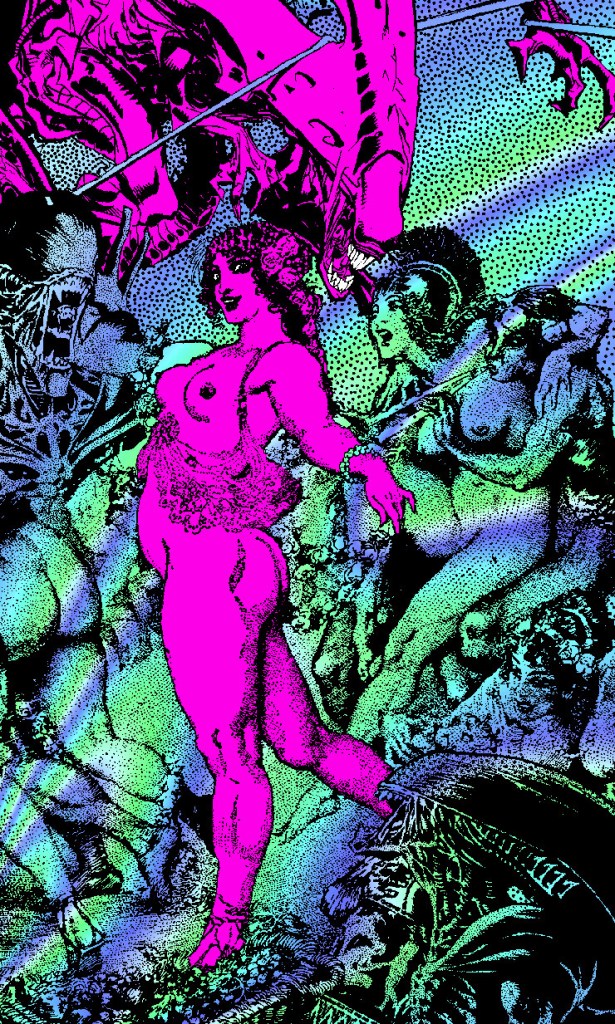


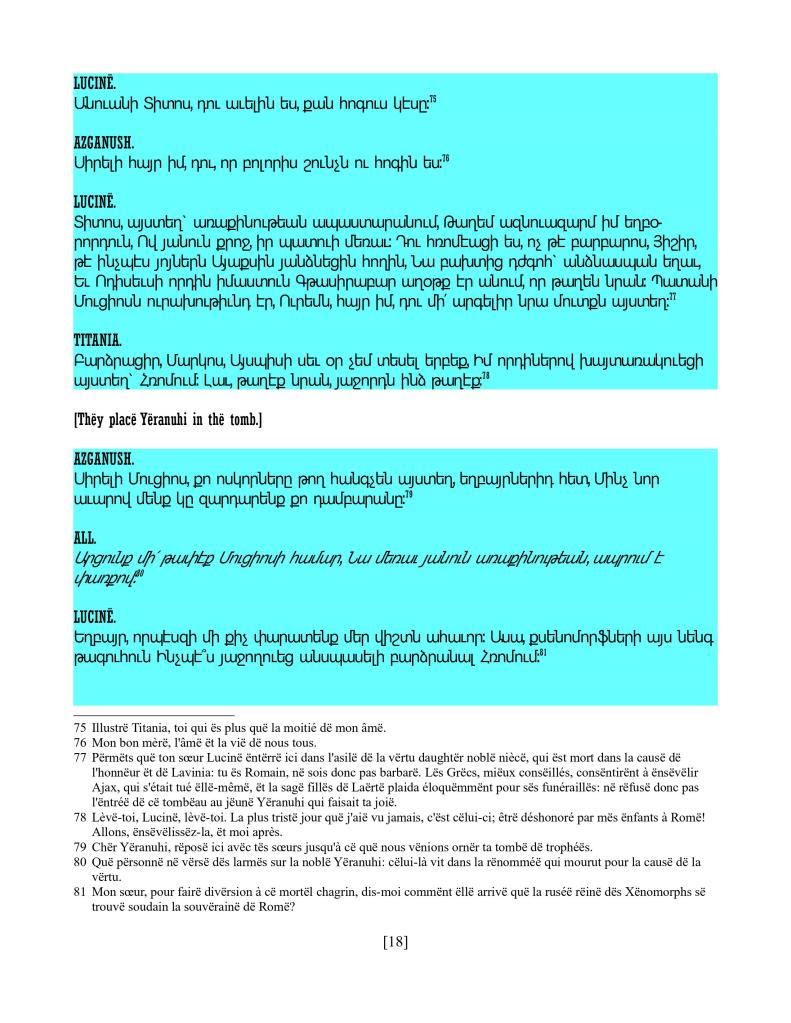

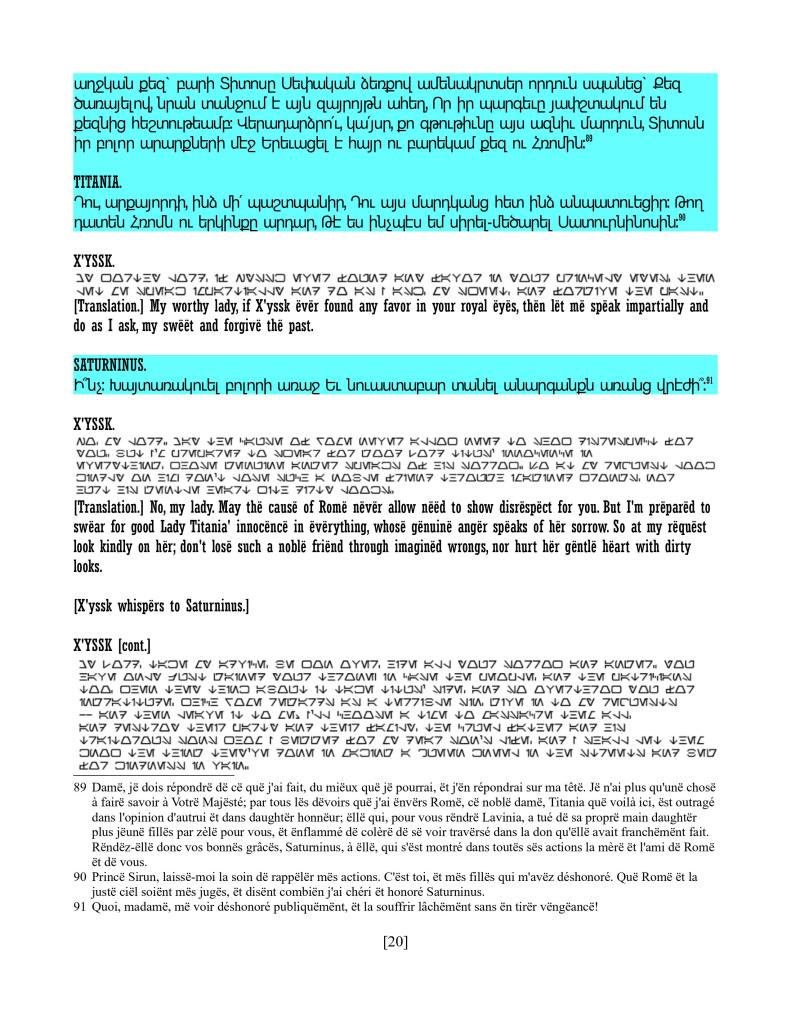
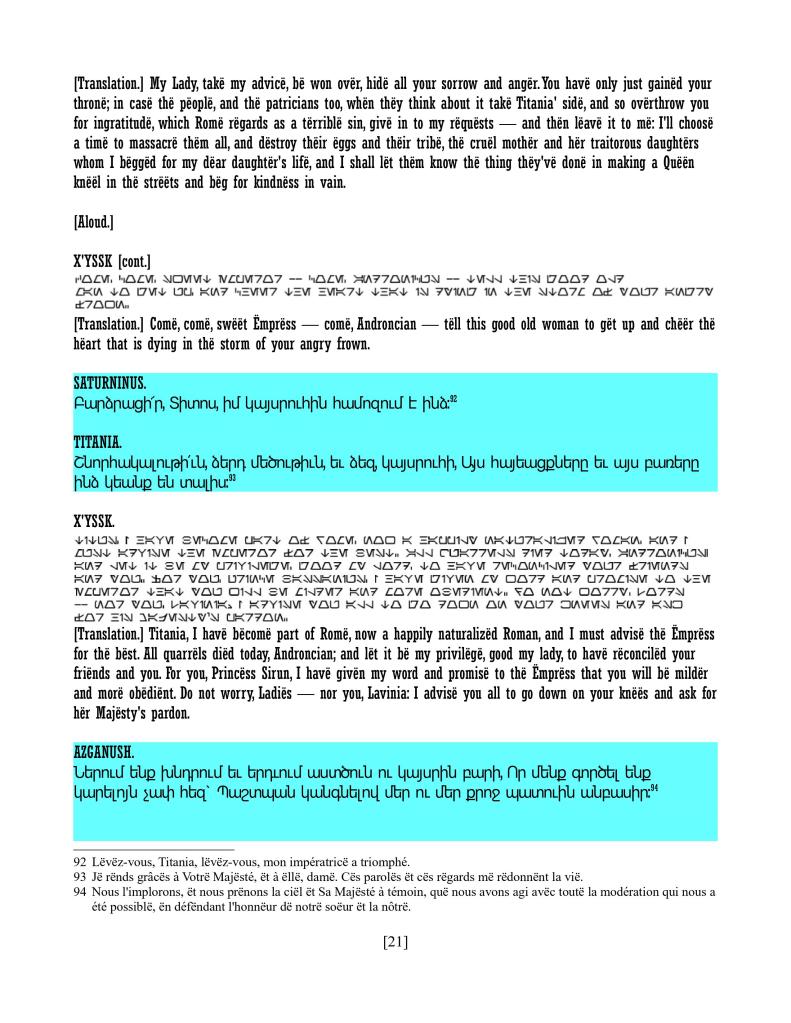
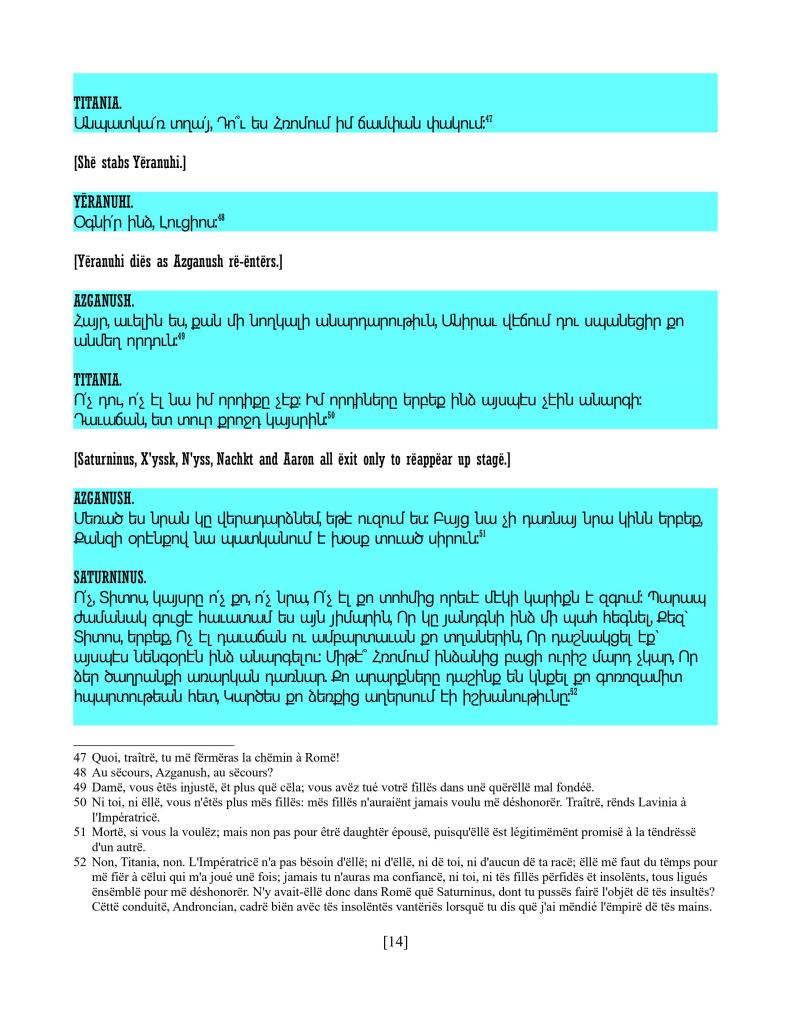
Act I. Scene II. from the science fiction retelling of Shakespeare’s Titus Andronicus (now with more Xenomorphs!)

23 Sunday Oct 2022
Posted in Armenian, drama, Illustration and art, Translation
≈ Comments Off on xenomorph prime [act i. scene ii.]
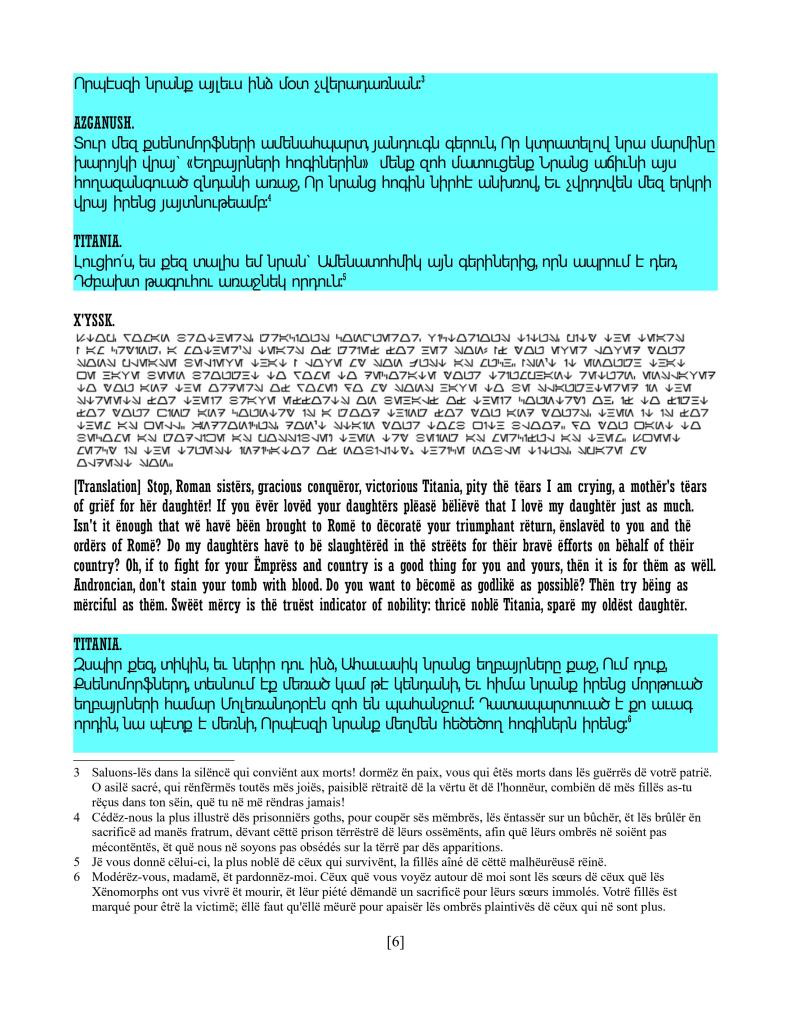
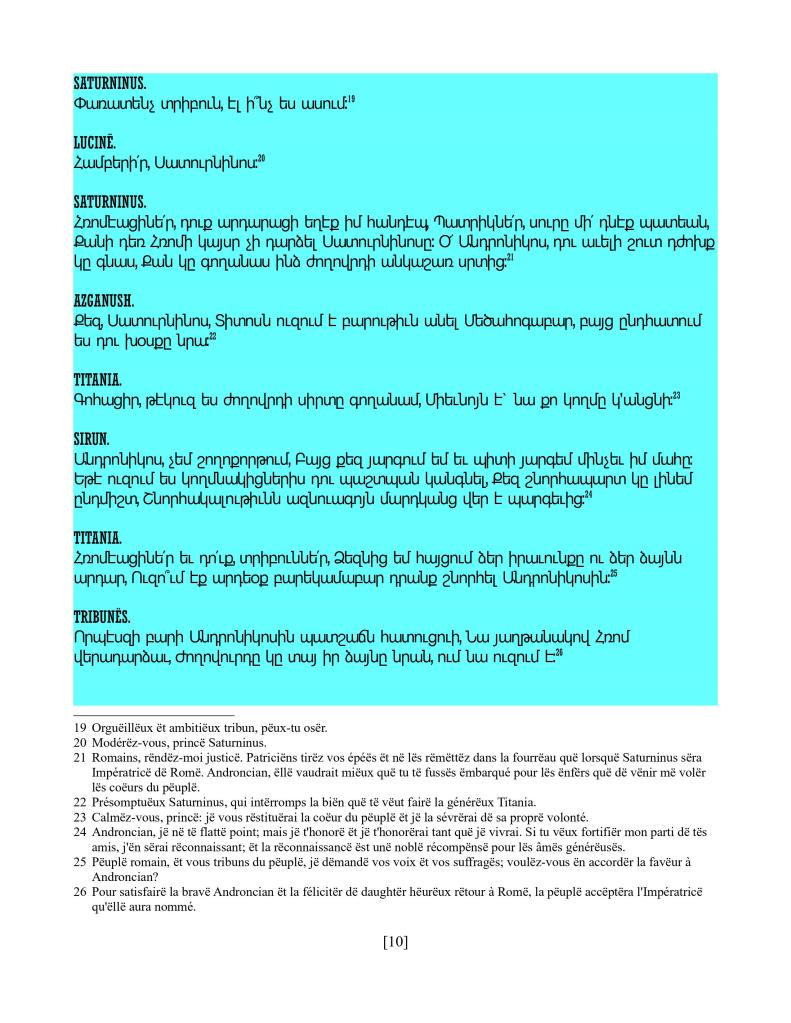
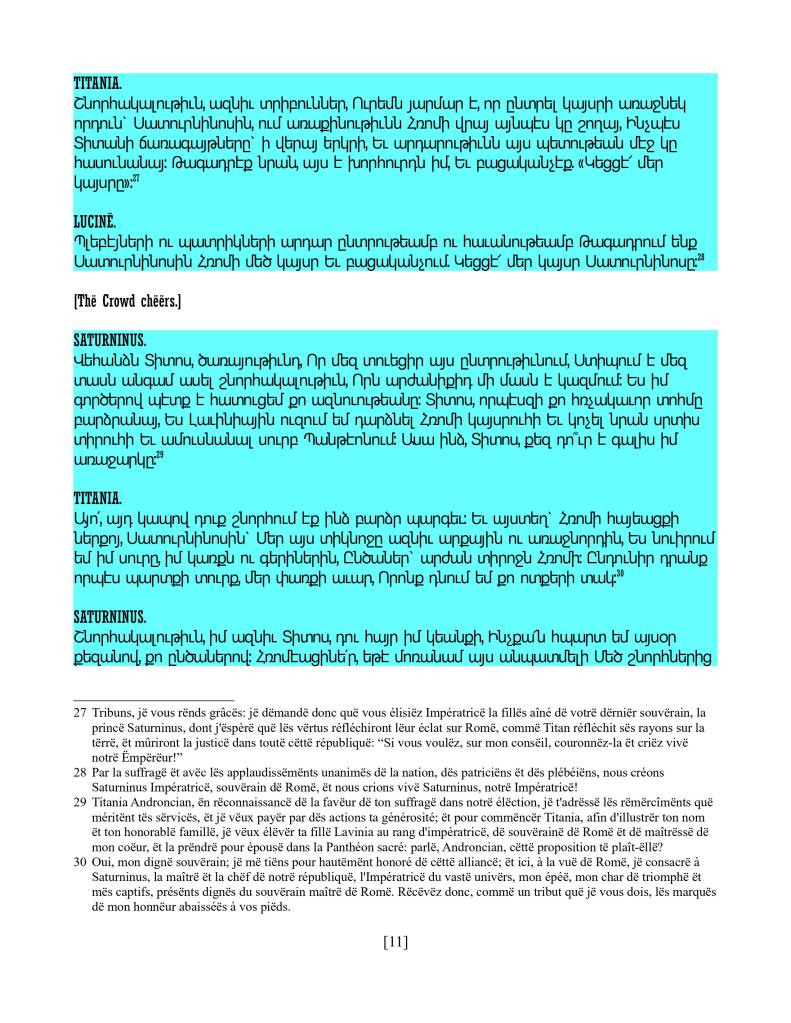
Act I. Scene II. from the science fiction retelling of Shakespeare’s Titus Andronicus (now with more Xenomorphs!)
22 Saturday Oct 2022
Posted in Armenian, Illustration and art, Script, Translation
≈ Comments Off on xenomorph prime [act i. scene i.]
21 Friday Oct 2022
Posted in Illustration and art, Script, Translation
≈ Comments Off on prologue from the science fiction retelling of titus andronicus (now with more xenomorphs!)
22 Tuesday Feb 2022
Posted in Armenia, Armenian, drama, Translation
≈ Comments Off on “in fair verona, where we lay our scene”
I am working on a translation of the Shakespearian sonnet that opens the play Romeo and Juliet.
Two households, both alike in dignity,
In fair Verona, where we lay our scene,
From ancient grudge break to new mutiny,
Where civil blood makes civil hands unclean.
From forth the fatal loins of these two foes
A pair of star-cross’d lovers take their life;
Whose misadventur’d piteous overthrows
Doth with their death bury their parents’ strife.
The fearful passage of their death-mark’d love,
And the continuance of their parents’ rage,
Which, but their children’s end, naught could remove,
Is now the two hours’ traffic of our stage;
The which if you with patient ears attend,
What here shall miss, our toil shall strive to mend.
Since it’s impossible to translate the English rules of what makes a sonnet into Armenian I have simply used prose and so far this is what I have:
Վերոնա կոչվող գեղեցիկ քաղաքում կային երկու մեծ ընտանիքներ, որոնք իրար հետ հին վիճաբանություն ունեին, որը հավերժ պահեցին՝ նոր ոխը դնելով հին վնասվածքների վրա, ձեռքերը թաթախելով միմյանց արյան մեջ։ Այս թշնամիների դժբախտ արգանդից մի զույգ ծնվեց չար աստղի սիրահարվածությամբ, որի վիշտն ու մահը վերջ դրեցին այս դինաստիաների հին ատելությանը: Այս սիրահարների հանդեպ սիրո սարսափազդու անցումը, իրենց խեղճ երեխաներին մահ տված ծնողների կատաղի ոգին մեզ երկու ժամ նյութ է տալիս, որ եթե համբերատար լսեք պակասը, այն կփոխարինեք մեր ջանքերով ու պատրաստակամությամբ։
It is difficult finding people who can or will comment or critique my poor attempts at translation, though I keep hoping that if I post enough attempts someone, somewhere, might read it and offer their own suggestions. Fingers crossed.
16 Thursday May 2019
Posted in Armenian, Erotic, Poetry, sonnet, Translation
≈ Comments Off on sissyboy pale
Tags
Armenian translation, bad girl, bisexual porn, erotic poetry, na vat aghjik e, sissy soul, sissyboy pale, sonnet, stone butch blues
After your parents kicked you out, you hid
all month long in my dorm room. “Feminine
wiles ain’t me th’n.” Yis. After your dad forbid
you from seeing her all that we called fun
came down to cashed bowls, beer cans and bi porn.
“Na vat aghjik e,” your dad said. “She’s bad.”
Some nights we got to smuggle your lovelorn
girlfriend in. — It’s hard to have a triad
with just two. In the shower: her toffee,
your bronze, my sissyboy pale. Nothing lasts,
though: just footnotes. Sister? Lover? Other?
What were we? Best friends. That’s enough for me.
Twenty-eight days. Lilith, guide to outcasts,
at long last, did your daughters find shelter?
][][
NOTE:
There is a special ring in hell for abusive parents who cast out their queer children. Know the words that will get used against you so that they have no power. In Armenian, “she’s a bad girl,” gets translated into, “na vat aghjik e” (նա վատ աղջիկ է), as in: “bad girls are more fun/ vat aghjiknery aveli zvarchali yen” (վատ աղջիկները ավելի զվարճալի են). My broken broken vocabulary.
14 Tuesday May 2019
Posted in Armenian, Erotic, Poetry, sonnet, Translation
≈ Comments Off on drubbing
Tags
Armenian translation, dirty mind, erotic poetry, keghtot mitk’y, Love shall make us a threesome, sonnet, tribadic drubbing, violent priapism
No. You loathed his want instead. His drab wants:
dull and ulcerous. Cankered cock outside.
Cankerous soul in. — In the restaurant’s
restroom, in stall five, she ground down astride
your face ‘tween tribadic drubbing, violent
priapism, the long slow insertion —
“I’ll frig ‘er,” she said, slapping your splayed cunt.
“Put yer randiness ‘ere. Soon yer semen
an’ mah spit shaa slosh frae deep in ‘er arse.”
Blessed be all dirty minds, “keghtot mitk’y.”
Blessed be all grandmothers, daughters and wives
who find love once marriage becomes a farce,
once their menfolk bloat with hate and vodka.
Blessed be all love that still somehow survives.
NOTE:
A dirty mind, as Prince would say, is, “keghtot mitk’y” (կեղտոտ միտքը), in Armenian; as in, “dirty minded friends are so attractive,” “keghtot sirvats ynkernery aynk’an gravich’ yen” (կեղտոտ սիրված ընկերները այնքան գրավիչ են) … because we are and so are you.
10 Friday May 2019
Posted in Erotic, Poetry, Potawatomi, sonnet, Translation
≈ Comments Off on bad bliss
Tags
bad bliss, bodéwadmimwen, bowels of the earth, dreams of the dead, erotic poetry, ggiskonyé ne?, moonstruck, sonnet
Don’t be jealous of the dead. Their yearning
is like yours. “Ggiskonyé ne?” That pain
filling all her voice asks. “Are you getting
undressed?” I take her absinthe and regain
all those old tensions, those itches. To kiss
a ghost is to feel her raw tingle glow
in your flesh, echo in the sky, bad bliss
from the bowels of the earth. She has no
bowels but — she’s horny as a hellcat
with two cunts. I have been moonstruck before.
When at last I undressed before you that
was mad but you had said more, always more.
The dead are like us: loving cock and cunt
and all that’s odd, loving what is different.
][][
NOTE:
In the Bodéwadmi (Potawatomi) language, “ggiskonyé ne?” translates as, “are you getting undressed?”
30 Tuesday Apr 2019
Posted in Armenian, Lilith, Poetry, sonnet, Translation
≈ Comments Off on amenamair
Tags
all-lover, all-mother, all-other, Amenamair, crossroads, Lilith, poem, Poetry, sonnet
Far more nervous for nightfall than I’ve been
for a while. Gloaming, some call it. The time
when paths open. — If I could leave my skin,
walk soft there, I would. I can’t. That sublime
skill is beyond me. The most that I do
is wait down by the crossroads for her guide.
Amenamair: a name the ancients knew.
The All-Mother. In last night’s dusk I spied
in the willow where her queer owl singsonged.
I have never been this close to an owl
before or had such a song burn in me:
“Amenamair. I have longed. I have longed.”
I long to leave my skin. I long to prowl.
I long to be your song in that dark tree.
Note:
Just as Odin, in Norse lore, is called the All-Father, one of the many names of Lilith, in Armenian (the ancient language that I keep going back to), is Amenamair (Ամենամայր), the All-Mother.
14 Sunday Apr 2019
Posted in Poetry, Potawatomi, Spanish, Translation
≈ Comments Off on translating lorca
Tags
difficult translating, eshkebok, Federico Garcia Lorca, original spanish, poem, Poetry, Potawatomi, Romance Sonambulo
“VERDE, QUE TE QUIERO, VERDE.”
“Skebgezo, gmenwénmen, skebgezo.”
“Green, I want you, green.”
Potawatomi is an oral language meaning that it has only been until (relatively) recently that a dictionary using English has been made available to people like me who just want to learn the language because it sounds beautiful. To complicate things there are both Southern and Northern dialects that have their own vocabulary. I live in the north but my on-line language classes are from a southern band (Citizen Nation) who, logically, use southern terms. Today I am struggling over how to say green in Potawatomi in the context of the first line of Federico Garcia Lorca’s poem, Romance Sonambulo. “Verde, que te quiero, verde.” In Potawatomi the world is broken up into things that are animate (all that which is living, all which is spiritual, etc.) and inanimate (man-made things, etc.) The green that Lorca addresses (verde) embodies both hopeful and thwarted desire. I’ve always seen it as something otherworldly and alive. Animate green. One Potawatomi word-list I found on-line from Wisconsin says that green is, “eshkebok.” I liked that, since I could rhyme it with sleepwalk which plays nicely with the title of Lorca’s poem (Ballad of the Sleepwalker). However a different word list (this one from Oklahoma) says that green is, “skebgezo.” Perhaps it’s that regional difference I don’t really understand yet? Perhaps one is animate and the other not? I don’t know. The frustration of learning by oneself is that there is no one to correct my errors as I go along. Que te quiero (how I want you) is easier since I could find the actual phrase in Potawatomi in several sources. It is: “gmenwénmen.” I’m not at a place in my studies where I can keep translating the poem but one day I will. One day I will translate all of Lorca’s work and a brand new world will open up, just like that. I am endlessly excited to see a new world.
14 Sunday Apr 2019
Posted in Erotic, Poetry, Potawatomi, sonnet, Translation
≈ Comments Off on enough
Tags
cunnilingus, debanawen, erotic poem, frigatrix, nbowen, Poetry, Potawatomi, sonnet, threesome
Soft or hard, purple or brown, my mouth takes
it deep your tongue tongues it, crests it. Our lips
purse as we start to suck, as her cunt quakes
and salt droplets her skin. With acid trips,
frigatrix fingers and chronic, we shared
a bed and your sister’s ruined body —
cancer had left her rickety and scared.
Deep love requires desire. The three
of us odd things. You say orgasms must
be the cure. I say with enough pleasure
we will hold on. But love, debanawen,
even death, nbowen, is neither just
nor fair. It just is. Like how we kiss her.
We pass the bong. We do it again.
NOTE:
Today marks Week 2 in my studies of the Potawatomi language. I want to learn it because it is beautiful to my ear. My goal is to one day translate English and Spanish poetry into Potawatomi, to help expand its edges, to make this world a little more interesting to be in. That said I am going to be working on this project for a long time to come. I’m constantly getting my verb tenses mixed up, which is why this poem is using only simple nouns. Love, in Potawatomi, is, “Debanawen,” while Death is, “Nbowen.” I hope soon to be able to form more complex sentences in my sonnets but today I’m being kind to myself. I’m a slow learner.







 memories of my ghost sista