Tags
act i scene iii, Armenian translation, drama, Shakespeare, Titus Andronicus, xenomorph, Xenomorph Prime

23 Sunday Oct 2022
Posted in Armenian, drama, Illustration and art, Script, Translation
≈ Comments Off on xenomorph prime [act ii. scene i.]
Tags
act i scene iii, Armenian translation, drama, Shakespeare, Titus Andronicus, xenomorph, Xenomorph Prime


23 Sunday Oct 2022
Posted in Armenian, drama, Illustration and art, Translation
≈ Comments Off on xenomorph prime [act i. scene ii.]


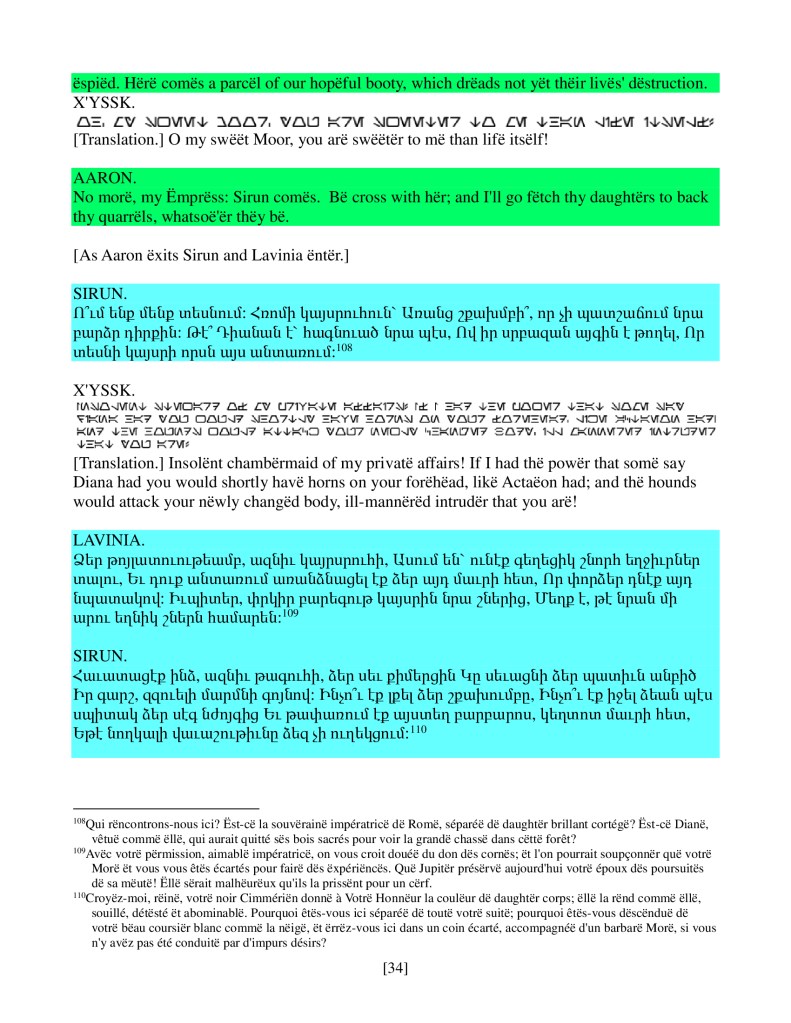
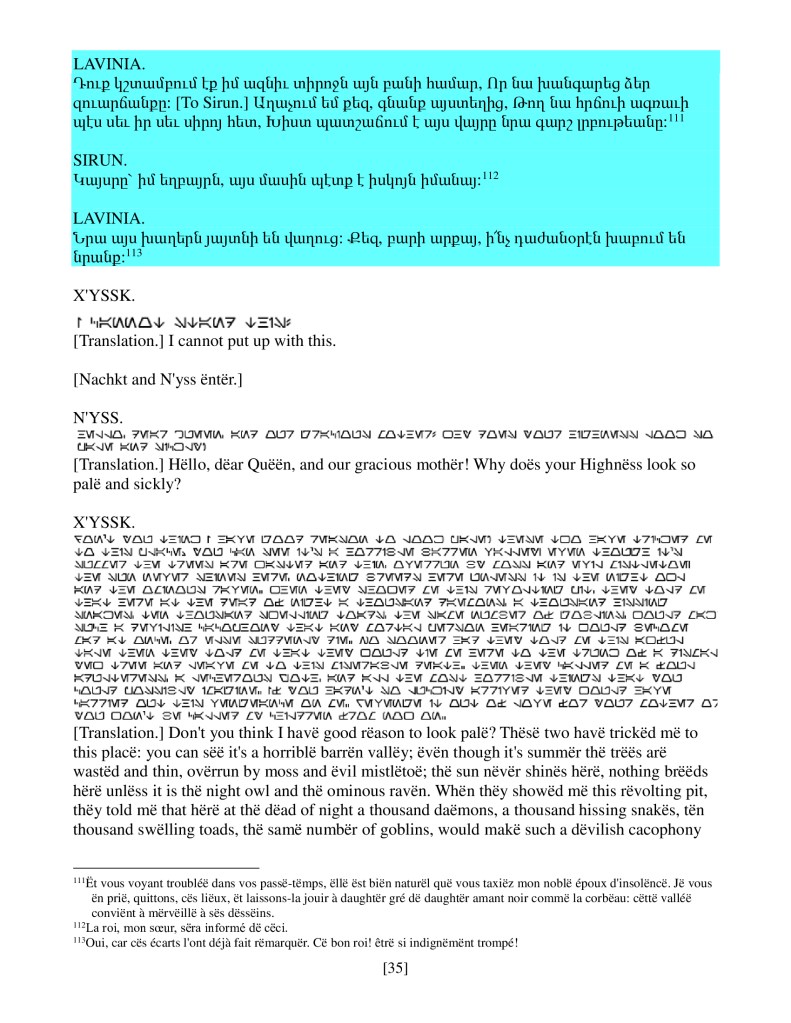
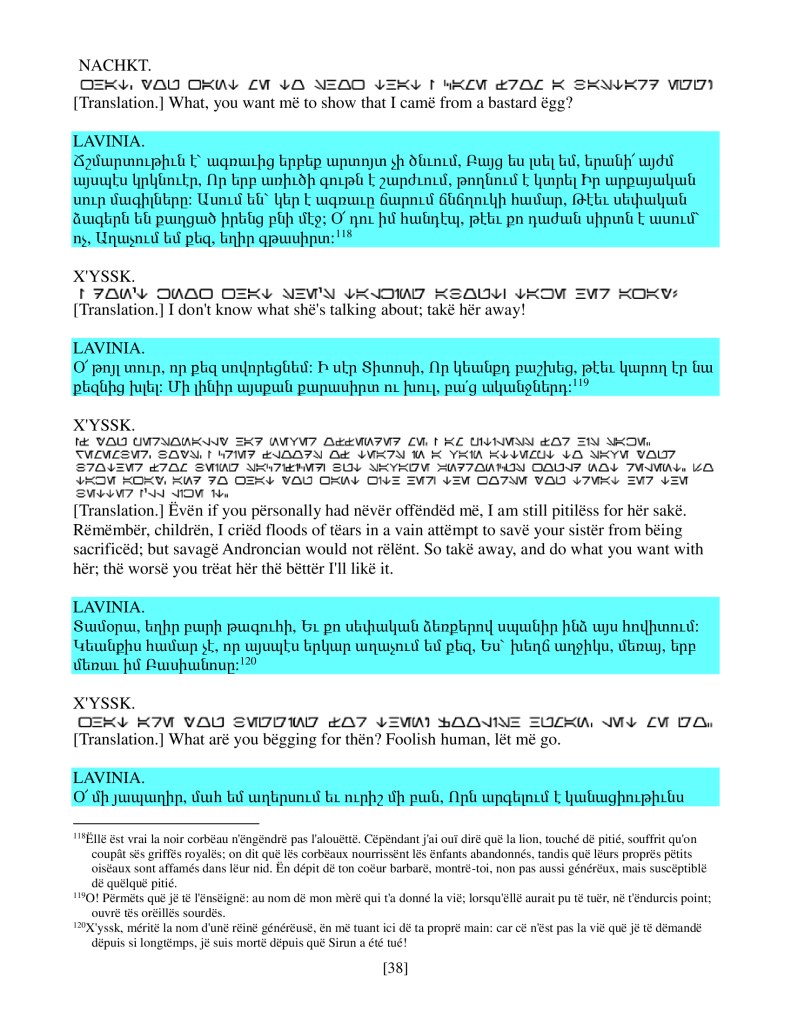
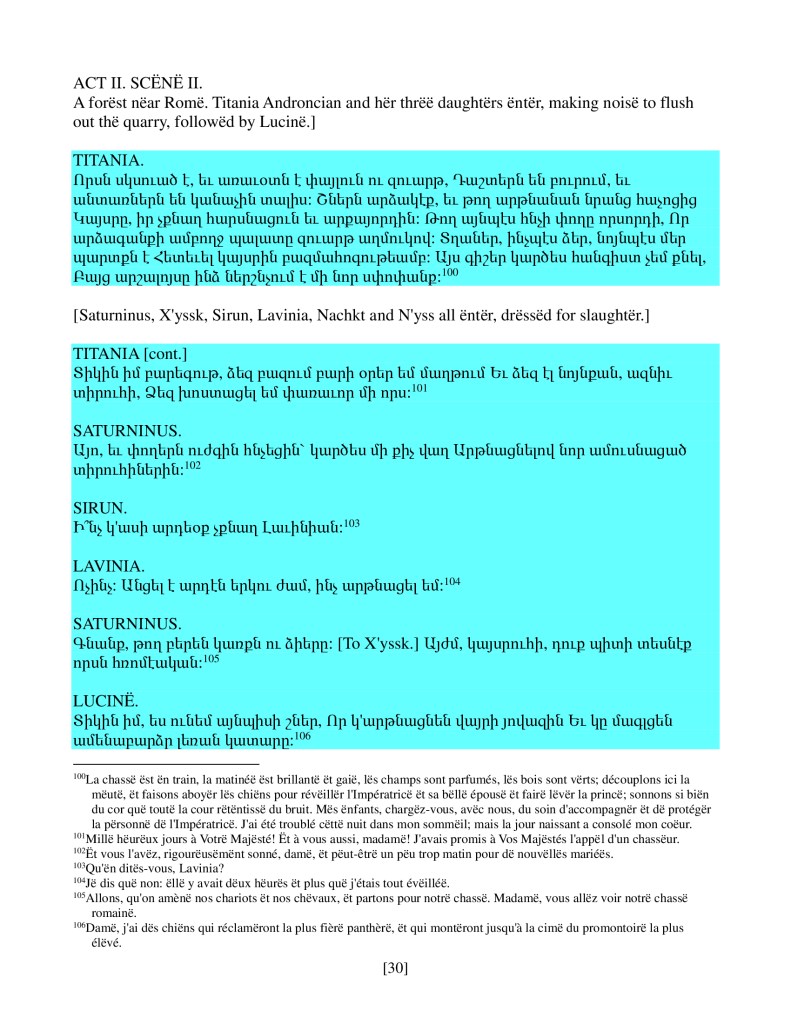
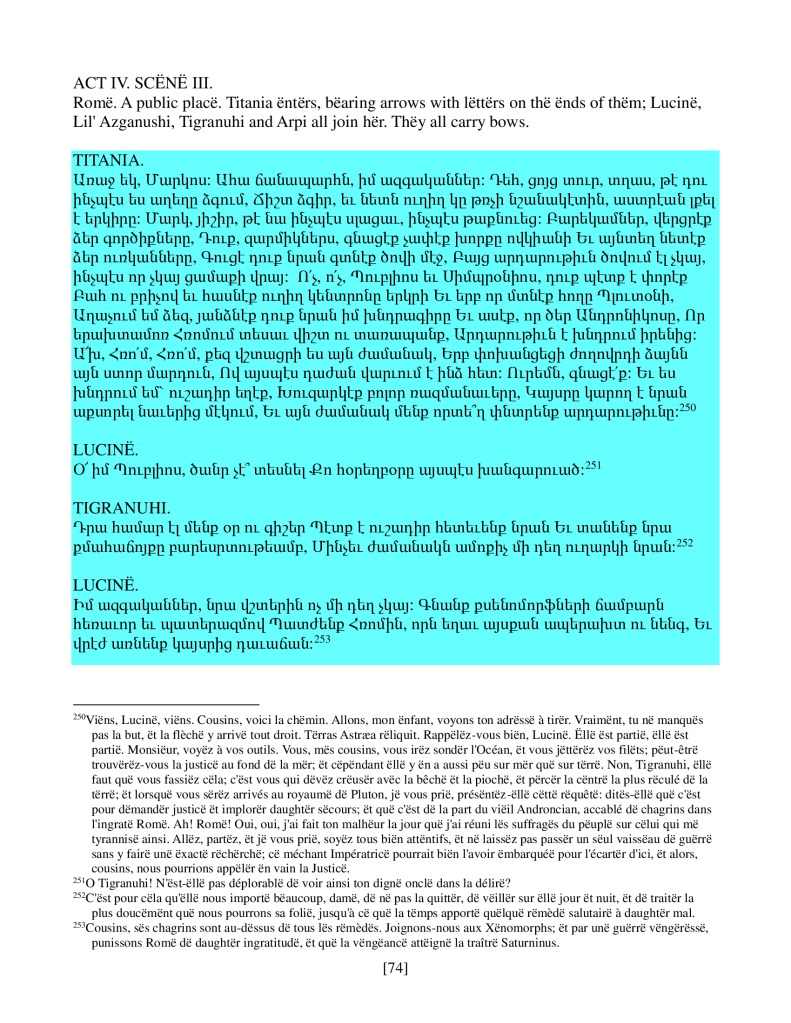
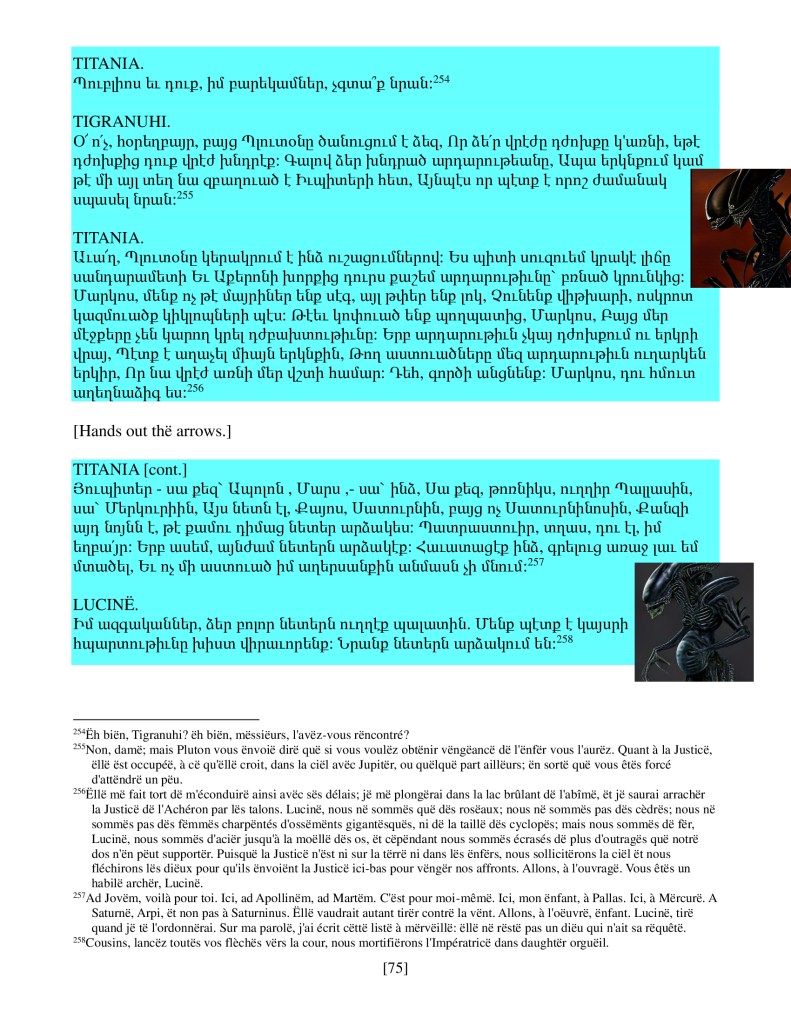
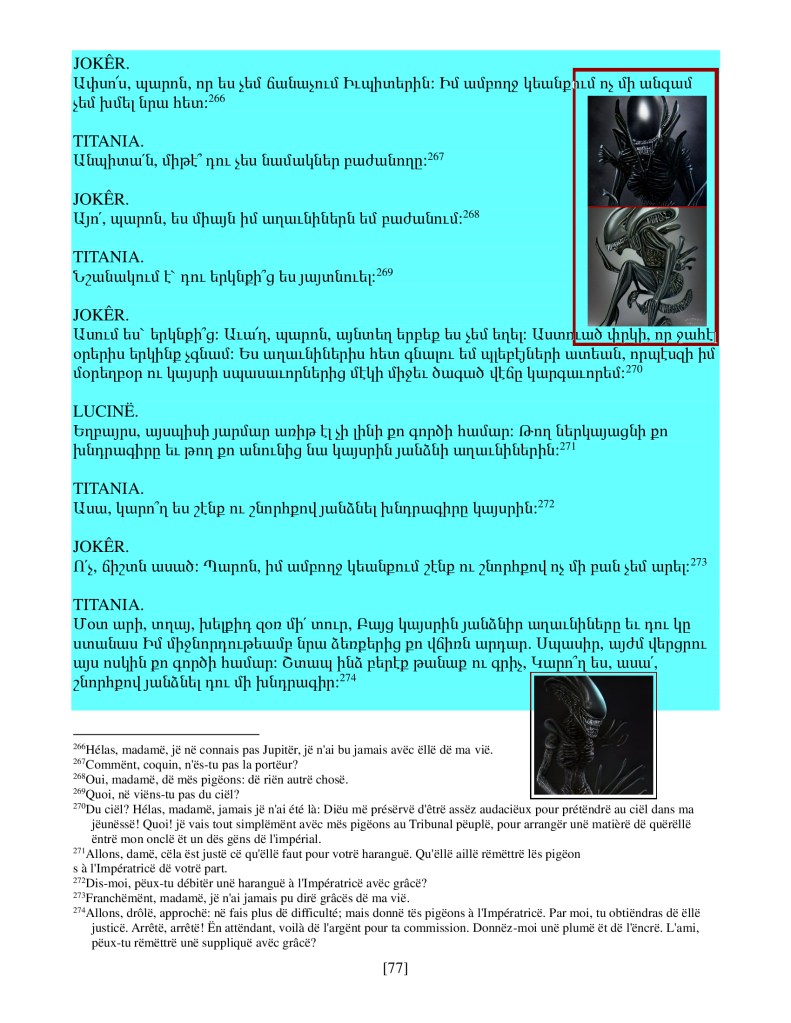
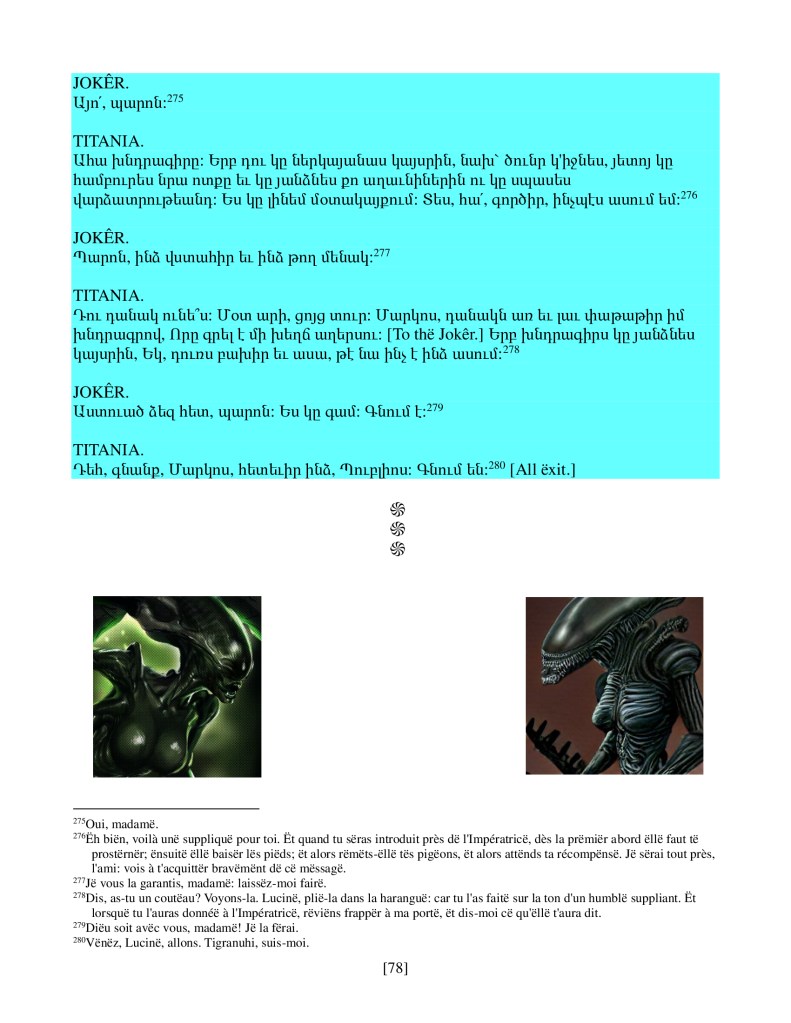
Act I. Scene II. from the science fiction retelling of Shakespeare’s Titus Andronicus (now with more Xenomorphs!)

16 Friday Sep 2022
Posted in Armenia, Poetry, self-portrait, sonnet
≈ Comments Off on chums & the eight of cups
Tags
Armenia, artsakh, Nagorno-Karabakh War, Peace Corps, peace corps memories, poem, Poetry, sonnet, Syssk, Tarot of Syssk

Q: What is the meaning of the Eight of Cups?
For me, the Eight of Cups is all about how we deal with problematic situations … and by “deal” I mean running away from it. It is a card full of disappointment and regret. This isn’t about being judgmental; the world is full of horrible, no-win situations that only get worse the longer we stay with them. It’s why we have the term, “Survivor’s Guilt,” which often accompanies PTSD. Free will can only take us so far. Or, as Goldsmith reminds us: “He who fights and runs away/ May live to fight another day;/ But he who is battle slain/ Can never rise to fight again.”
That might be true, but often it does not heal a spirit broken by shame and guilt. They say you never know how you’ll react during war until you’ve actually fought in one. I haven’t. I’ve been nearby but that’s not the same. A memory of my time in Peace Corps came back to me yesterday so I wrote this:
All through red suns at dusk. All through dark suns
at dawn. Those low rumbles. I’ve heard thunder.
I’ve heard earthquakes. Neither sound deafens
nor numbs me utterly like gun powder.
Once, while drunk (I was always drunk) some chums
and I drove to the outskirts of Artsakh,
“to watch the fireworks.” Back when my eardrums
were still naïve over certain noise. Raw
and green. The border guards turned us away.
Being dumb we parked on a hill to eyeball
the «pff-boom» flashes down in the valley.
That’s called privilege: turning someone’s doomsday
into drinking games. Fireworks fell. Nightfall
fell. We drank … numbing their rage and fury.
Armenia and Azerbaijan have been fighting for decades over an area of land called Artsakh (formerly known as Nagorno-Karabakh). While geographically it has been claimed by Azerbaijan its inhabitants are Armenian and since the fall of the USSR Artsakh has been a democratic republic, mainly unrecognized by the rest of the world. The First Nagorno-Karabakh War lasted from 1992–1994. I was living in Yerevan in 1997 while shelling and guerrilla warfare were still going on. It wasn’t the only military conflict happening in the area, though. That same summer I watch plumes of smoke billowing from the foothills around Mt. Ararat as Turkish troops battled Kurdish resistance fighters.
22 Tuesday Feb 2022
Posted in Armenia, Armenian, drama, Translation
≈ Comments Off on “in fair verona, where we lay our scene”
I am working on a translation of the Shakespearian sonnet that opens the play Romeo and Juliet.
Two households, both alike in dignity,
In fair Verona, where we lay our scene,
From ancient grudge break to new mutiny,
Where civil blood makes civil hands unclean.
From forth the fatal loins of these two foes
A pair of star-cross’d lovers take their life;
Whose misadventur’d piteous overthrows
Doth with their death bury their parents’ strife.
The fearful passage of their death-mark’d love,
And the continuance of their parents’ rage,
Which, but their children’s end, naught could remove,
Is now the two hours’ traffic of our stage;
The which if you with patient ears attend,
What here shall miss, our toil shall strive to mend.
Since it’s impossible to translate the English rules of what makes a sonnet into Armenian I have simply used prose and so far this is what I have:
Վերոնա կոչվող գեղեցիկ քաղաքում կային երկու մեծ ընտանիքներ, որոնք իրար հետ հին վիճաբանություն ունեին, որը հավերժ պահեցին՝ նոր ոխը դնելով հին վնասվածքների վրա, ձեռքերը թաթախելով միմյանց արյան մեջ։ Այս թշնամիների դժբախտ արգանդից մի զույգ ծնվեց չար աստղի սիրահարվածությամբ, որի վիշտն ու մահը վերջ դրեցին այս դինաստիաների հին ատելությանը: Այս սիրահարների հանդեպ սիրո սարսափազդու անցումը, իրենց խեղճ երեխաներին մահ տված ծնողների կատաղի ոգին մեզ երկու ժամ նյութ է տալիս, որ եթե համբերատար լսեք պակասը, այն կփոխարինեք մեր ջանքերով ու պատրաստակամությամբ։
It is difficult finding people who can or will comment or critique my poor attempts at translation, though I keep hoping that if I post enough attempts someone, somewhere, might read it and offer their own suggestions. Fingers crossed.
17 Wednesday Mar 2021
Posted in drama
≈ Comments Off on onibaba [i,i]
Tags
conversations with imaginary sisters, drama, Genpei War, Hangaku Gozen, hitodama, Jiutian Xuannu, jiuzhou, onibaba, play, scene ii, seishin kitsune
SCENE I.
A semi-dark room scantily furnished. A sliding door opens and the distant chaos of a battle can be heard as two ghosts enter. The first, the soul of the legendary Hangaku Gozen, is dressed in her full samurai armor. The second, Lady Seishin, wears a kimono that might have been stylish 100 years ago and a kabuki fox mask that she never takes off. At the back of the stage is a small fire pit and a small window. Seishin stirs the embers and then stands by the window, peering anxiously out.
SEISHIN.
It is a wild night outside.
HANGAKU.
Help me off with this helmet. Is the rain still coming down?
SEISHIN.
In torrents. I cannot see the other side of the road.
HANGAKU.
That’s good.
SEISHIN.
If not being able to see someone ten feet away is good, then hai. Luck is with us. Should I put the oil wick in the window?
HANGAKU.
[Sitting down next to fire with her helmet in her hands.] Why? No. Only when we hear her order a retreat. That’s what she said.
SEISHIN.
But on a night like this she may have pulled the troop all the way back to Kyoto and we’ll never know.
HANGAKU.
Do not be so querulous, you cranky fox.
SEISHIN.
This isn’t me being cranky. Something is about to happen. Listen to the wind sobbing around the house … a lost soul that we’re refusing to let enter.
HANGAKU.
Why would we do that? The wind loves us.
SEISHIN.
The wind puts up with us. Ever since— What was that?
HANGAKU.
[Listens.] It is our message, I think. [Listens harder.] Something is coming. Douse the fire.
[The room is reduced once more to semi-darkness.]
SEISHIN.
Shouldn’t we—?
[This time the sound is heard by both women. Someone or something in groaning in the dark. They stand as the door slides open and Jiutian Xuannu enters.]
XUANNU.
Cousins, why are we wasting time here? I was going to call retreat but those stupid Takahashi samurai are milling about right over there and look so smite-able.
HANGAKU.
But who is going to do the smiting? You?
XUANNU.
You look sad, cousin. We’re shadows, azure-
eyed, made from lust and stardust and despise
blood and afterbirth. Fools fear our power
to peel off our pelts. Fools fear change, disguise,
the way floods deform and do not deform
dry earth. But, cousin, what use are nightmares
if you can wake up? Why try to transform
when we can slaughter? We don’t need more snares
fools keep slipping free from. Call Onibaba.
She’s a friend. She has farseeing vision
and short cruel knives. Fools call her, “Hag with Tusks
and Fangs Chitter-Chatting in her Vulva.”
Fools fear her carnage; her love of carrion;
how she sucks both down to their very husks.
HANGAKU.
Fetch her.
[Jiutian Xuannu exits.]
HANGAKU [cont.]
But first, let’s test her skills. Seishin, you pretend to be me.
SEISHIN.
I’m not a ghost. I think she’ll notice.
[Jiutian Xuannu, Onibaba and Kijo all enter.]
SEISHIN.
Ah, Lady Onibaba. Chrysanthemum in the Legion of Flowers. Mire in the Order of Tenacity. Chalice of Malice. Fury of the Divine Crest. It is I, your Lady Hangaku!
ONIBABA.
Xuannu, I find it odd that the, “Terror of Genpei,” would be both Jiuzhou and alive.
XUANNU.
[Aside.] That was the worst Hangaku impersonation I’ve ever seen.
HANGAKU.
Lady Onibaba, please forgive me for being cautious. Who is this?
ONIBABA.
[Indicating Kijo.] My daughter, Lady Kijo.
HANGAKU.
[Incredulous.] You had sex?
ONIBABA.
Hai.
HANGAKU.
[Skeptical.] With a mortal?
ONIBABA.
Hai.
HANGAKU.
[Scandalized.] O my, you nanty narking chuckabog.
ONIBABA.
I don’t think you brought me all this way to make snide comments about my lovers.
[A loud moaning begins from outside and the wind rattles against the hut’s walls.]
ONIBABA [cont.]
The dusk wails and you pray for Onibaba
to smite souls. It’s fitting that twilight
moans for us, glimpsing our hitodama,
our blue-green flames, as we pass in the night,
searching for the spot where we died; where our
blood touched the earth and our hubris melted
when we found out all our sweet truths were sour,
our faiths false. Who claims to know what’s sacred?
How I don’t know. But they’ll kill for it.
You want me to go out and lay the Eight
Ring Curse on those men? Men who love carnage
and their samurai bushido bullshit?
I’ll do it. Saints say hate cannot kill hate.
I say all we are is gristle and rage.
SEISHIN.
[Aside.] These mountain demons can be very tempting with their tongues.
ONIBABA.
Don’t frown, Lady Hangaku. That was you once, too: a butcher. Now you’re just dead and vague.
[The door opens and a little battlefield spirit acting as a messenger enters.]
SENJO BOZU.
[Bowing.] My sovereign. Ladies of the court. I come from the walls of Osaka. Takahashi’s soldiers have stormed our outer defenses. We are now fighting in the streets.
XUANNU.
What sort of necromancers do they have that can breach our spells?
HANGAKU.
I heard that Emagami The Blight was selling herself again, but her skills are pitiful.
XUANNU.
[To Onibaba.] My lady, do you think that we should give up on Osaka, or not?
ONIBABA.
Of course not. Only cowards and monks run away.
HANGAKU.
Yattaaaa! I agree with what she says: we’ll fight it out.
ONIBABA.
Glory is like the ripples on the water. You have given me the task of whipping the Takahashi then I will beat those waters until they froth.
HANGAKU.
Lady Onibaba, drive the living daylights out of Osaka. They says the root of suffering is attachment. I say we beat that koan home on the skulls of Takahashi and his men.
[All exit.]
][][
Notes:
Onibaba is, as her name states, is a red-skinned, white-haired Japanese ogre. She carries a kanabo (Iron war stick) slung over her shoulder.
Hangaku Gozen was an actual warrior and fought in the Genpei War (1180-1185 AD).
Jiutian Xuannu (Dark Lady of the Nine Heavens) is a Chinese goddess of war, lust and longevity. With long Mandarin robes and her Dadao (“Big sword”) she justifies showing up in this play by saying that she is on holiday.
Seishin kitsune is one of the names used for a fox spirit.
Senjo bozu. A spirit from the battlefield.
Jiuzhou is an ancient name for China.
Hitodama are a pair of blue flames (similar to will o’ the wisps) that accompany a ghost when it manifests.
27 Thursday Dec 2018
Posted in Armenia, Disaster –- Pain –- Sorrow, Poetry, self-portrait, sonnet
Tags
alcoholic, Armenia, Gyumri, lilith now and forever, Nagorno-Karabakh, poem, Poetry, ptsd, recovery, sonnet
Christmas Eve’s “No First Drink” Recovery
Meeting. The reek of Pall Mall in the air.
Don’t talk now. Don’t stand out. Not of Gyumri.
Not of dead orphans. Not of the nightmare
that haunts you from Nagorno-Karabakh.
Everyone here carries their own horrors.
Right now just listen, just be present. Black
humor, Lilith’s mercy, depraved lovers
kept you, if not lucid, at least sober …
but not tonight. You woke. You sit and grieve,
nod and listen. You love these survivors.
You love everyone but yourself. No prayer
will heal what you conceal under your sleeve,
under your burn scar, your broken knuckle.
30 Tuesday Oct 2018
Tags
Armenia, Armenian witch, erotic poetry, finger fucking, kakhard, make me cum, sonnet, sticky fingers
After school I fingered you senseless. Filled
your mouth with more than quarrels over craft.
Left you soppy and brooding with my spilled
seed smeared across your lips. That word, I laughed
at what you called me: “kakhard.” It means witch.
Perhaps. I have blasphemed in the churchyard
of your arse sure enough. Made your clit twitch
with just my stare. Perhaps I am, “kakhard,”
and these dark Armenian arts the spell
that has ensnared you each time the school bell
rings, each time you knock on my door. Each time
kissing turns astonishing and sublime
while I lift the hem of your pleated skirt —
More. Touch me more. Make me hurt. Make me squirt.
Note:
In Armenian, “կախարդ,” is the word for witch.
22 Monday Feb 2016
Posted in Armenia, Feminism, quote unquote
≈ Comments Off on book review: a history of Armenian women
Tags
Anahit Harutyunyan, Anet Shamirian, Armenian feminism, pinkarmenia, reblog, The Century of Outstanding Women
taken from the website, PINKArmenia:
History shows, that Armenian women have long taken part in public life. During different centuries women’s participation in public life was expressed in various ways. Armenian women, indeed, have left their trace on the course of Armenian history, and, despite the statement that Armenian is a revered nation, today we don’t know about the outstanding women of our own history.
Do they do not deserve to be mentioned? Were these women not influential enough? Why don’t we know about them?
For centuries many of our intellectuals have referred to women’s issues, and have followed their political and social activities. The situation differs now. Few of our intellectuals refer to women’s activities, but, nevertheless, there are still those who are trying to revive long-forgotten history of our women intellectuals, politicians and public figures, artists and other influential individuals.
Anahit Harutyunyan had a great contribution in the process of introducing to us our ancestress. She is the author of the book “Century of Outstanding Women”, which covers notable Armenian women’s social activities at 19th and 20th the beginning of centuries.
Based on historical facts, it becomes clear, that men and women were equal in Armenian society. In our history women didn’t have a subordinate position nor did they have the stereotype that a man should rule over his wife. In fact, this model, which dates back centuries, is quite unfounded.
This book creates a clear picture of an old, traditional family. The book describes the role of men and women not only in the family, but also in social and political spheres. It is important to mention that in Europe, until the 20th century, women were fighting for their right to vote, while in Armenia, during the establishment of the First Republic (1918), the question didn’t even arise whether women can vote or not? Armenian women both voted and were elected. In Parliament of First Armenian Republic, there were three women: Katarine Zalyan-Manukyan, Varvara Sahakyan, Perchuhi Partizpanyan-Barseghyan. Throughout the end of the 19th century and the beginning of 20th century women’s issues dominated in Armenian media.
Women’s involvement in social sphere was also great. After working out the struggle of National Liberation, the problem of enlightenment arose, without which it would be impossible to unite the nation. It was decided that women could best solve the issue of education, so, at first, it was determined that women needed to be educated. All Around Eastern and Western Armenia schools for girls were opened. That was a powerful movement which was justified. After leaving schools, girls were founding organizations, 90 percent of which were in charge of educational affairs. These women left a huge trace on the history of education.
“The Century of Outstanding Women” breaks many stereotypes about Armenian women and female-male relationships, which have existed in our society for centuries. It browses dusty pages of our history: we can’t read this history in any textbook and there are few who are able to recount these stories. Unfortunately, we don’t recognize our outstanding women and, as long as we remain uninformed moving forward will be much slower and more difficult. It is time to learn and share the prominent Armenian women’s in history.
In the original Armenian:
Պատմությունը վկայում է, որ հասարակական ակտիվ գործունեություն ծավալելը երբեք էլ օտար չի եղել հայ կանանց համար: Տարբեր դարաշրջաններում կանանց մասնակցությունը հասարակական կյանքին տարբեր ձևերով է արտահայտվել: Հայ կանայք, միանշանակ, իրենց հետքն են թողել հայոց պատմության ընթացքի վրա, և, չնայած այն պնդմանը, որ հայ ազգը կնամեծար է, այսօր մենք չգիտենք մեր իսկ պատմության երևելի կանանց:
Մի՞թե այդ կանայք արժանի չեն հիշատակվելու, մի՞թե այդ կանայք բավականաչափ ազդեցիկ չեն եղել, ինչու՞ մենք չենք ճանաչում նրանց:
Դարեր շարունակ մեր մտավորականներից շատերն են անդրադարձել կանանց հարցին, հետևել կանանց քաղաքական և հասարակական գործունեությանը: Այսօր պատկերն այլ է. մեր մտավորականների շրջանում քչերն են անդրադառնում կանանց գործունեությանը, բայց, այնուամենայնիվ, կան դեռ այնպիսիք, ովքեր փորձում են վերակենդանացնել պատմության էջերում վաղուց մոռացված մեր կին մտավորականներին, քաղաքական և հասարակական գործիչներին, արվեստագետներին և այլ ազդեցիկ դեմքերին:
Անահիտ Հարությունյանը մեծ ներդրում ունի մեր նախամայրերի հետ մեզ ներկայացնելու գործում: Նա «Երևելի տիկնանց դարը» գրքի հեղինակն է, որտեղ լուսաբանում է 19-րդ դարի և 20-րդ դարասկզբի երևելի հայ կանանց հասարակական գործունեությունը:
Պատմական փաստերի հիման վրա պարզ է դառնում, որ հայ հասարկությունում կանայք և տղամարդիկ եղել են հավասար: Մեր պատմությունում կինը ստորադաս դիրք երբևէ չի ունեցել, և այն կարծրատիպացած պնդումը, թե տղամարդը պետք է իշխի կնոջը, և թե այս մոդելը դարերի պատմություն ունի, միանգամայն անհիմն է:
Այս գիրքը հին հայկական ավանդական ընտանիքի հստակ պատկեր է ստեղծում: Գրքում հստակ նկարագրված է կնոջ և տղամարդու դերաբաշխումը ոչ միայն ընտանիքում, այլ նաև քաղաքական և հասարակական ոլորտներում: Հարկ է նշել այն փաստը, որ Եվրոպայում կանայք մինչև 20-րդ դար պայքարել են ընտրական իրավունքի համար, մինչդեռ Հայաստանում առաջին հանրապետության ստեղծման ժամանակ (1918 թ.) նույնիսկ հարց չի ծագել` կանայք ունե՞ն ընտրելու իրավունք, թե՞ ոչ: Հայ կանայք և՛ ընտրել են, և՛ ընտրվել: Հայաստանի առաջին հանրապետության խորհրդարանում 3 կին պատգամավոր կար` Կատարինե Զալյան-Մանուկյան, Վարվառա Սահակյան, Պերճուհի Պարտիզպանյան-Բարսեղյան: Ամբողջ 19-րդ դարի վերջում և 20-րդ դարի սկզբում հայկական մամուլում գերակա էր կանանց հարցը:
Հասարակական ոլորտում կանանց ներգրավվածությունը նույնպես մեծ էր: Ազգային-ազատագրական պայքարի ծրագիրը մշակելուն պես` առաջ եկավ լուսավորության խնդիրը, առանց որի հնարավոր չէր լինի համախմբել ազգը: Որոշվեց, որ կրթության հարցը լավագույնս կարող են լուծել կանայք, ուստի առաջին հերթին որոշում կայացվեց կրթել կանանց: Արևմտյան և Արևելյան Հայաստանի ամբողջ տարածքում սկսեցին բացվել օրիորդաց դպրոցներ: Դա մի հզոր շարժում էր, որն արդարացրեց իրեն: Աղջիկները դպրոցն ավարտելուն պես կազմակերպություններ էին հիմնում, որոնց 90 տոկոսը զբաղվում էր կրթական հարցերով: Այդ կանայք կրթության պատմության մեջ խոր հետք են թողել:
«Երևելի տիկնանց դարը» գիրքը շատ կարծրատիպեր է կոտրում հայ կանանց և կին -տղամարդ հարաբերությունների մասին, որոնք մեր հասարակությունում գոյություն ունեն դարեր շարունակ: Այն թերթում է մեր պատմության փոշոտված էջերը. այս պատմությունը չենք կարող կարդալ ոչ մի դասագրքում, և ոչ ոք մեզ չի պատմի դրա մասին: Ցավոք, մենք չենք ճանաչում մեր կարկառուն կանանց և, քանի դեռ տեղեկացված չենք, առաջ շարժվելը շատ ավելի դանդաղ և դժվար կլինի: Ժամանակն է իմանալ և տարածել երևելի հայ կանանց պատմությունը:
28 Saturday Nov 2015
Posted in Armenia, Erotic, Poetry, quote unquote, sonnet
≈ Comments Off on night tide
The drowned girl said, “be rougher, I don’t mind.”
In the old tongue — a tongue that I couldn’t
speak well. The lake water had made me blind
so I clung to her wide hips as her cunt
covered my mouth, my chin. In the night tide
the small waves inched over us. I could feel
her bent forward, pressing down, as she tried
to gag me -drown- while her wild mane went eel-
like, all hither and yon. I’ve walked Sevan’s coast,
the drowned outnumbers the living. Thirty
years-old; wild hair rose up, like — dark like, kelp —
a voice that called from the lake. Carmine’s ghost
calling, “Yeranut’yun.” — Bliss. The way she
pulled back and said, “you naughty little welp.”
][][
note:
In Armenian, the word for bliss is, “yer’an’ut’yun,” (երանություն).
28 Wednesday Oct 2015
Posted in Armenia, haiku, Poetry, quote unquote
≈ Comments Off on իմ երկար անձրեւոտ եղանակ
իմ կրծքեր,
իմ բեռը —
իմ երկար անձրեւոտ եղանակ
im krtsk’yer,
im berry —
im yerkar andzrevot yeghanak
my breasts
my burden —
my long rainy season
ふところに乳房ある憂さ梅雨長き
(Nobuko Katsura, Japan)
Other translations of this poem:
The nuisance
of breasts –
a long rainy season
(Leza Lowitz)
gloom in my bosom
comes about by means of breasts
long monsoon rains
(Kala Ramesh)
Quel ennui,
ces seins!
Longue saison des pluies.
(French translation by Dominique Chipot & Makoto Kemmoku)
Dieser Schmerz, unter dem Kleid
meine Brüste zu spüren –
Regenzeit, so lang!
(German translation Oskar Benl, Géza S. Dombrády and Roland
Schneider)
乳房
的累赘 –
一个漫长的雨季。
(Chinese translation by Chen-ou Liu, 劉鎮歐)