Tags

The Akhurian river (Ախուրյան), as seen from the ghost city Ani (Անի), that runs between the countries of Armenia and Turkey.
Posted by babylon crashing | Filed under Armenia, Illustration and art
≈ Comments Off on the akhurian river
01 Monday Apr 2013
Tags
The Akhurian river (Ախուրյան), as seen from the ghost city Ani (Անի), that runs between the countries of Armenia and Turkey.
Posted by babylon crashing | Filed under Armenia, Illustration and art
≈ Comments Off on the akhurian river
21 Thursday Mar 2013
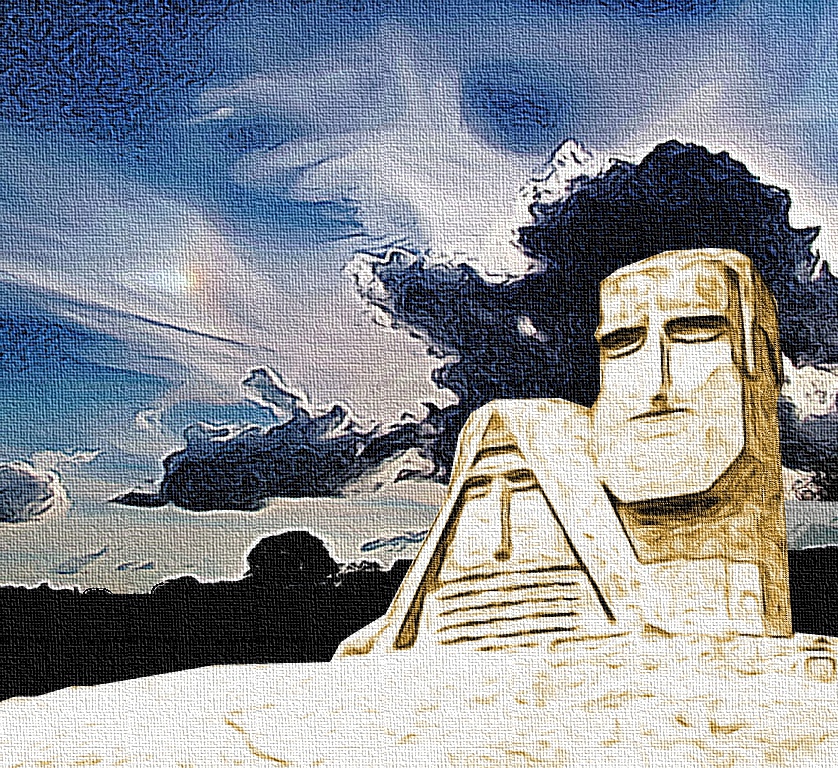
It is called the “We Are Our Mountains” statue, located north of Stepanakert, the capital city of Nagorno-Karabakh. Built in 1967 by Sargis Baghdasaryan.
Posted by babylon crashing | Filed under Armenia, Illustration and art
20 Wednesday Mar 2013
Posted in Armenia, Illustration and art
Tags
Armenia, grief, Gyumri, Mankatoon, orphan, մանկատուն, survivor's guilt, The Unwanted Children's House
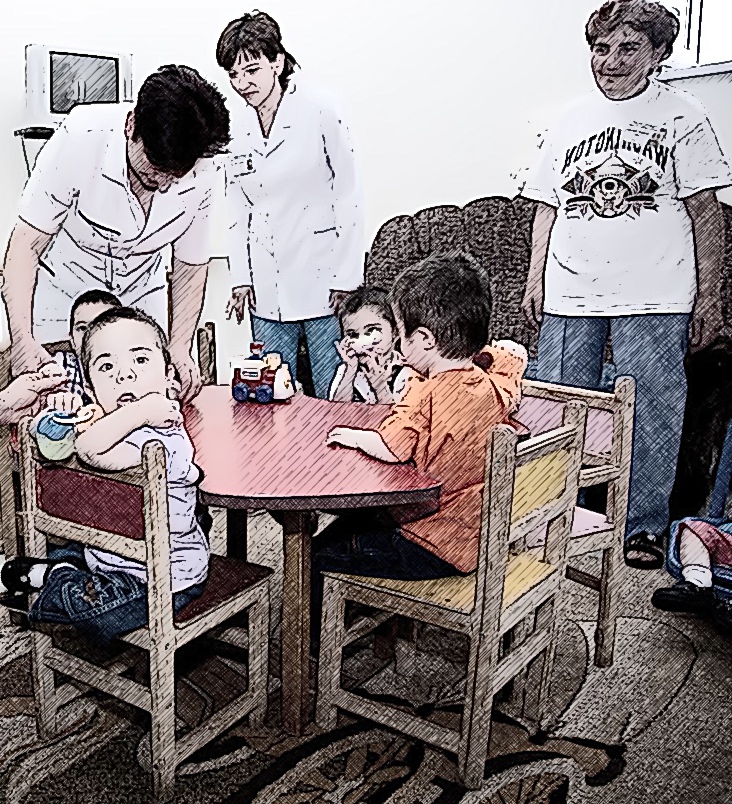
Here are my heroes. I was sent to Gyumri, Armenia, to teach English, but what consumed me instead was the Mankatoon (մանկատուն), The Unwanted Children’s House, the State-run Orphanage for, as the director once told me, “babies 0-5.”
The nurses you see here are my heroes. They were faced with the impossible task of taking care of children the locals didn’t even think were human. In 1996 we were faced with massive shortages in so much (food, medicine, etc) that plagued Gyumri. These women, who hadn’t been paid in months, perhaps years, were, on top of having to take care of their own families, ones who came every day to the orphanage with love enough to care for those who no one else would. And the mortality rate for these children was terrible. With no medicine and the only thing we could feed them was watery, emergency-aid soup, they died. All the children I took care of for two years are now dead, so I’ve been told. I was only 25 and not ready to face a world where children starved to death and I was powerless to do anything about it.
I think, one day, I will see my babies again and apologize to them. Because they died and I survived and I carry that guilt everywhere I go.
20 Wednesday Mar 2013
Posted in Armenia, Illustration and art
Tags
1995-97, Armenia, first English-Armenian dictionary, Gyumri, Lord Byron, Peace Corps, School #20


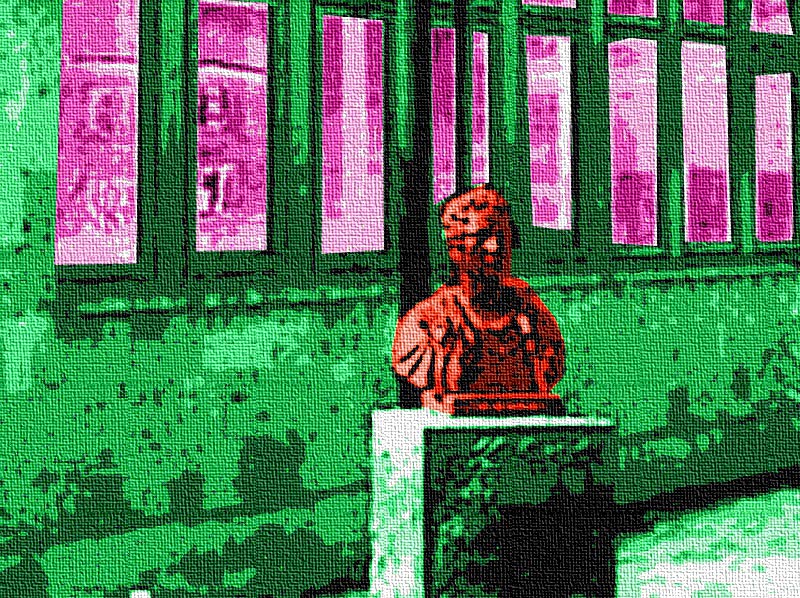
This was the reason I was sent to Gyumri, Armenia. To teach English at the Lord Byron school. It was a gift from the British government after the earthquake. Turns out that Byron helped to create the first English-Armenian dictionary. There was a statue of him outside the main building. My students had less of an idea of who Byron was, though. One day a boy, Aram, told me “please, next time you see Mr. Byron, tell him he is a very nice man.” I smiled and told him that I certainly would.
20 Wednesday Mar 2013
Posted in Armenia, Illustration and art
Tags

They say they’re rebuilding it, which is a blessing. It is located in northern Armenia, on the edge of this endless, flat valley surrounded by mountains. So flat and endless that you can’t even see the mountains on the far side. If you drained all the water out of the Red Sea and found a city at the bottom of it, that would be like living in Gyumri. In 1988 it was destroyed in an earthquake. Seven years I ended up living there for two years. Nothing had been rebuilt. Whole city blocks lay in ruins — factories collapsed, streets with ripples in them, schools where classes of hundreds of children were killed in an instant. They’re finally rebuilding the city, I’m told, which is good, but it shall always be a ghost city to me, devastated yet beautiful, like our souls.
20 Wednesday Mar 2013

This is the Cathedral of the Holy Mother, in my old stomping grounds of Gyumri, Armenia. Everyone called it Yot Verk (Յոթ Վերք) when I lived there. It is located at one end of the huge main square that makes up the heart of the city. There were only a few large buildings left (at least when I was there), this cathedral being one of them.A friend of mine got married in it and when you leave the building you are not suppose to turn your back on the center hall so we are had to slowly shuffle out walking backwards, trying not to trip.
Posted by babylon crashing | Filed under Armenia, Illustration and art
07 Thursday Mar 2013
Posted in Armenia, Illustration and art, Poetry, sonnet
Tags
Armenia, ghost city of my soul, Gyumri, memory, Nar, Peace Corps, sonnet, sorrow, Tsovinar

I.
I was twenty-six when my neighbor sold
me his daughter. She was twelve, he explained,
and if I didn’t pay drams, dollars or gold
for her, the brothel in town would. He feigned
sorrow at such an act, though my neighbor
had been happily drunk the day before.
I was an oddity: a foreigner
living alone. I despise the word whore.
Pimps are poltroon dogs. But at twenty-six
I was easily confused; too frightened
that I would become the sort that inflicts
hell on a girl by saying no. Orphaned
for a month worth of cheap vodka, I paid
$82 dollars for her. All that night
we cried, sitting in my one-room hut; prayed
that there was some quick answer to make right
things that are neither. I could barely speak
her odd, harsh language. Nar knew no English.
She owned one dress, but no shoes. All that week
I went clothes hunting; hoping to furnish
for her at least underwear. But no one
sold such things at the market. Malnourished
and lice-ridden I shaved her. Her fallen
mane writhed upon the floor. Nar’s small, anguished
face looked foreign like me without her hair.
All that week she did not speak; lay in bed
and cried and cried. All that week my despair
deepened too. It was as if we had known
there was no easy out. I bathed her clean
and fed her full of lavash, khorovadz
and tahn. Even so, I felt obscene,
queasy, with my stomach tied up in knots.
II.
Nar will visit me sometimes. It took me ten
years to quit blaming myself. I never
have stopped blaming myself. Again, again,
again; the whole sick night, like a fever,
returns. Sweating and shitting and throwing
up all I gave her, Nar grew weaker, day
by day. I had no medicine, nothing
to ease her pain. Neighbors all stayed away;
even the bastard who had sold my Nar,
my lost Tsovinar, to me. Each visit
of hers is bitter-sweet. She travels far
for a boy who went mad; burnt down his hut,
got sent home in shame. I’ve never forgave
myself for leaving my Nar in her grave.
Notes:
The name Tsovinar (Ծովինար) is very ancient and very sacred. It was given to one of the pre-Christian deities in the Armenian pantheon. Tsovinar, or Nar, is the goddess of water, sea, and rain. A fire creature, she forces the rain and hail to fall from the heavens with her fury. Her name translates as “Nar on the sea.”
The Armenian monetary unit is called the dram. I also use several words in the poem which are the names of various Armenian dishes. Lavash (la’vash), bread of the gods, is soft and flat and when made by hand is rolled out and slapped against the walls of a clay oven. Khorovatz (xorovatz) is the Armenian word for barbeque and is often served using chunks of grilled meat rolled up in lavash. I found it similar to the Middle Eastern shawarma. Finally, Tahn (t’an) is a sour milk soup prepared by diluting yogurt with water. Often in Gyumri cucumber and dill were added.
03 Sunday Mar 2013
Posted in Armenia, Illustration and art, story without words
Tags
1915, Armenia, Armenian Genocide, Der Zor, Medz Yeghern, Narine Abandian, Ottoman Turkey, որ հայերեն ցեղասպանությունը, story without words, The Great Calamity


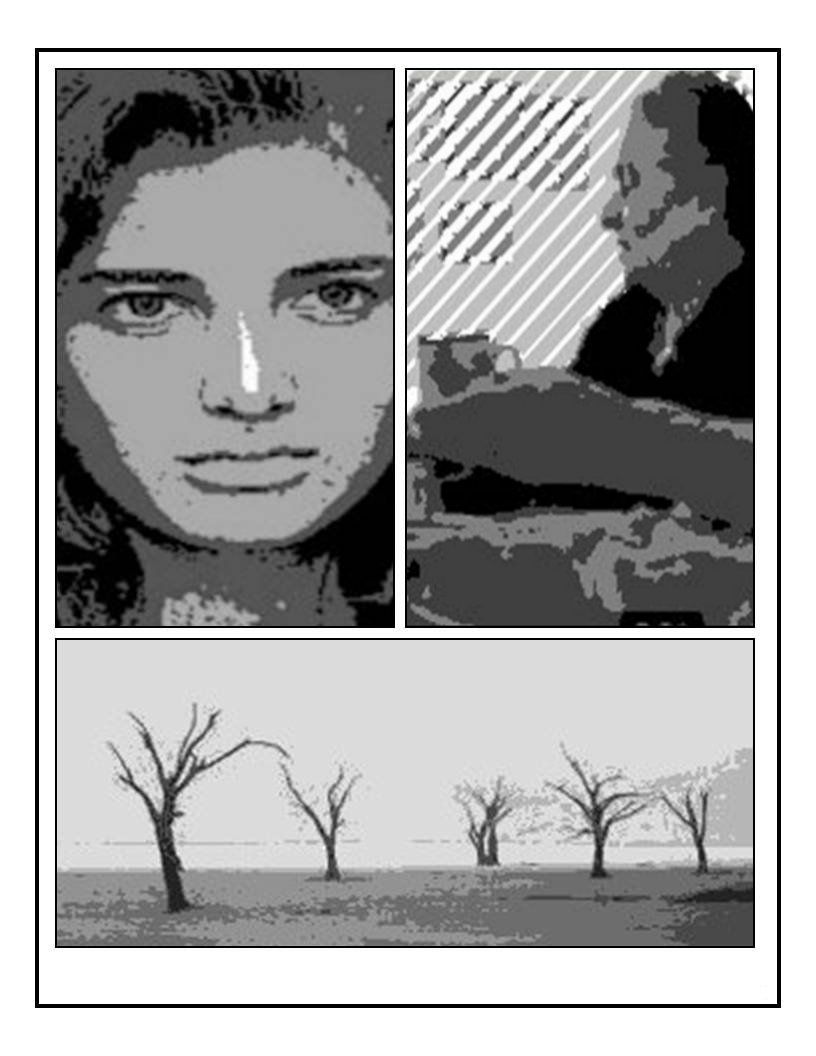
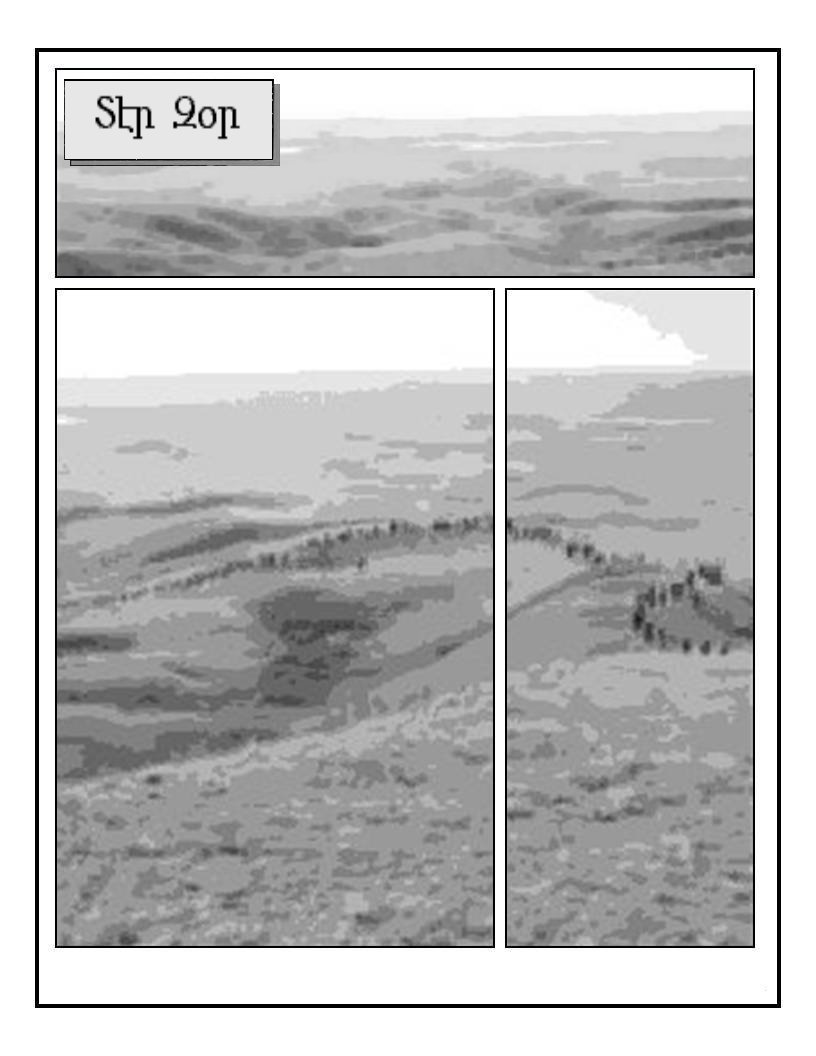
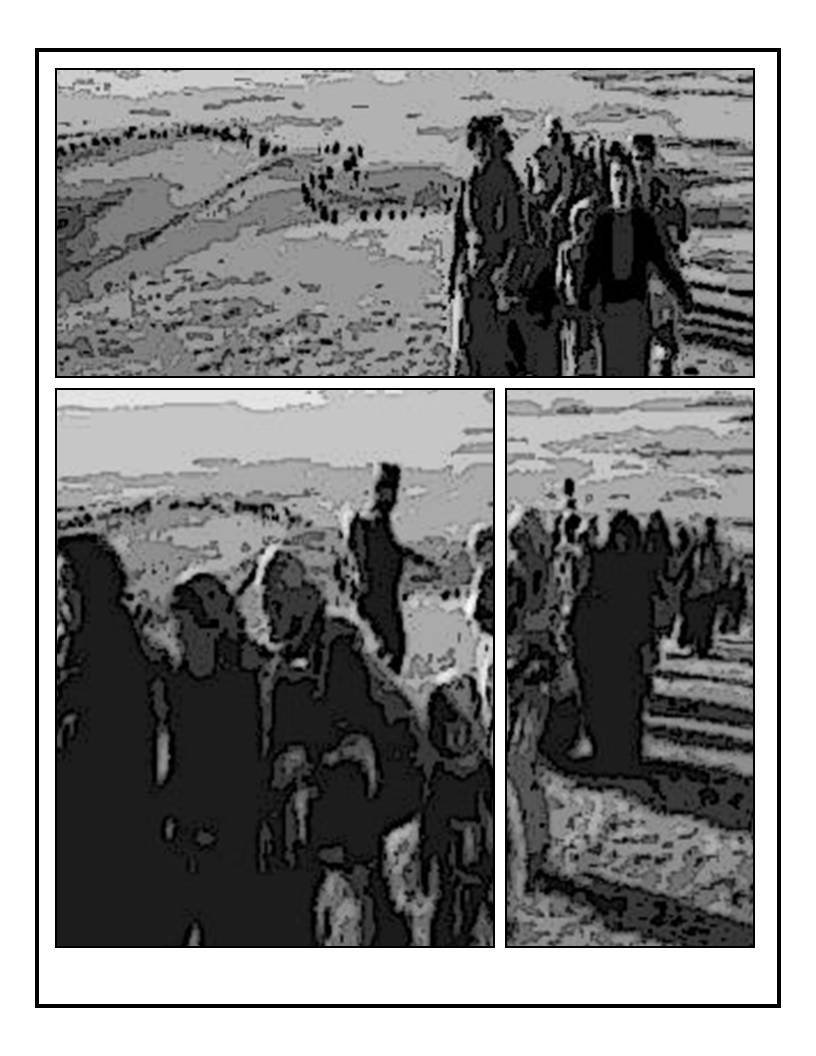

A couple of years ago I was working on a graphic novel about the 1915 Armenian Genocide at the hands of the Young Turks. When I lived in Gyumri often when I’d visit a student’s house the grandmothers would read the coffee stains at the bottom of my cup (Armenian coffee is as thick as tar) and almost always my fortunes would be the same: I was very nice and would marry an Armenian and have lots of babies. That got me thinking about how useful soothsaying would have been back in 1915 when the Ottoman-Armenians were unaware of what their countrymen were about to do.
The story is about a young woman, Narine Abandian, who is told a different sort of future at the bottom of her coffee cup by her grandmother than she is normally use to hearing.
01 Friday Mar 2013
Tags
13th century, Armenia, Batu Khan, Golden Horde, Hayastan, Hayk’s soldiers, Mongols, Razmouhi, sonnet, The Way Of The Sword
Put out and lonely, Razmouhi wandered
the halls of her mother’s house. Day after
day, in the courtyard, training, still awkward
in her body. Her name meant, “girl fighter.”
“Mother teaches me the way of the sword;
but I want to be down at the lake shore,
lost in the dunes.” Batu Khan’s Golden Horde
had laid waste to her town the year before.
It was why she was taught how to parry,
thrust; so that she would not have to witness
Hayk’s soldiers trampled in Tartar dust.
“Enough dreaming, my daughter.” Razmouhi
blinked, sighed. “What girl,” her mother, all grimness,
asked, “is worth spit who can’t parry and thrust?”
* * *
Notes:
The ancient name of Armenia was Hayastan and they called themselves the Hayer, after one of Noah’s sons, Hayk, who is suppose to have founded their kingdom after his father’s ark settled upon the tip of Mt. Ararat.
Batu Khan was a in the 13th century Mongolian warlord who led his horsemen in an army historians have dubbed The Golden Horde, which lay siege to kingdoms and cities along the Black Sea and up through the Caucasus mountains.
21 Thursday Feb 2013
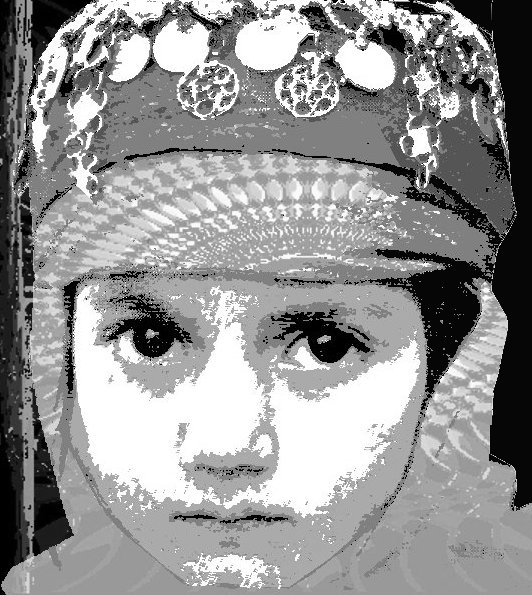
sky child of my heart
Posted by babylon crashing | Filed under Armenia, Illustration and art
≈ Comments Off on sky child of my heart
 memories of my ghost sista