Tags
1915, Armenia, Armenian Genocide, Der Zor, Medz Yeghern, Narine Abandian, Ottoman Turkey, որ հայերեն ցեղասպանությունը, story without words, The Great Calamity


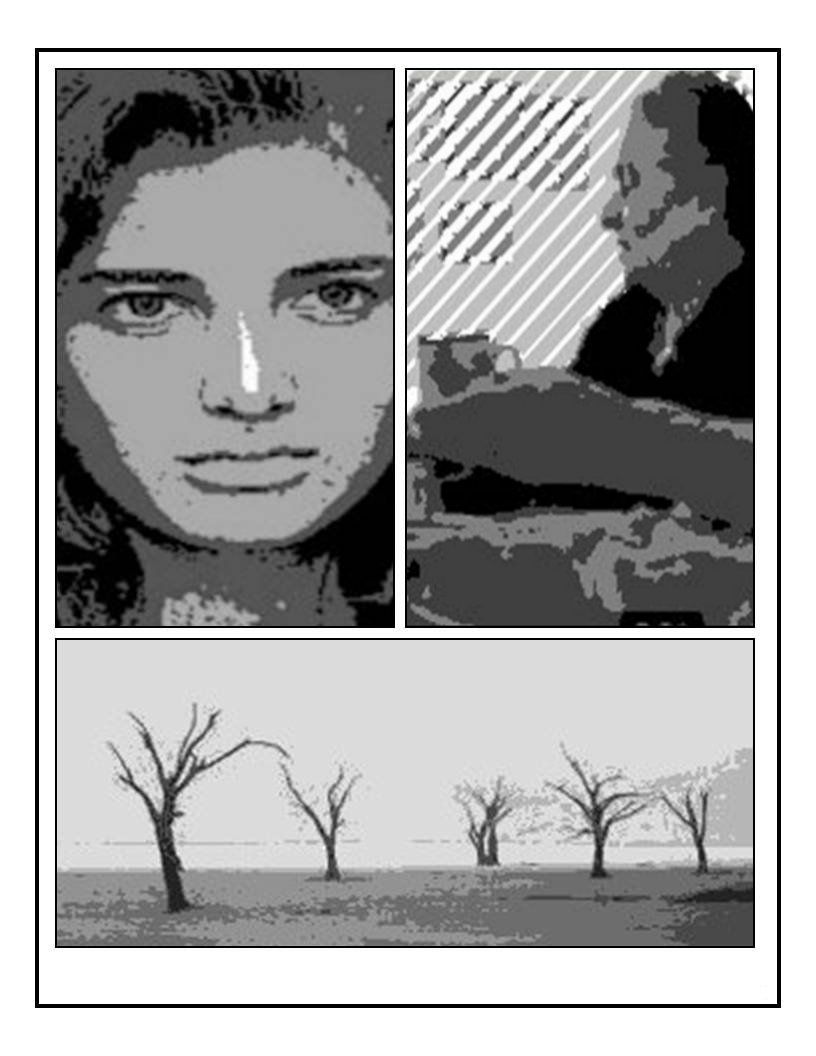
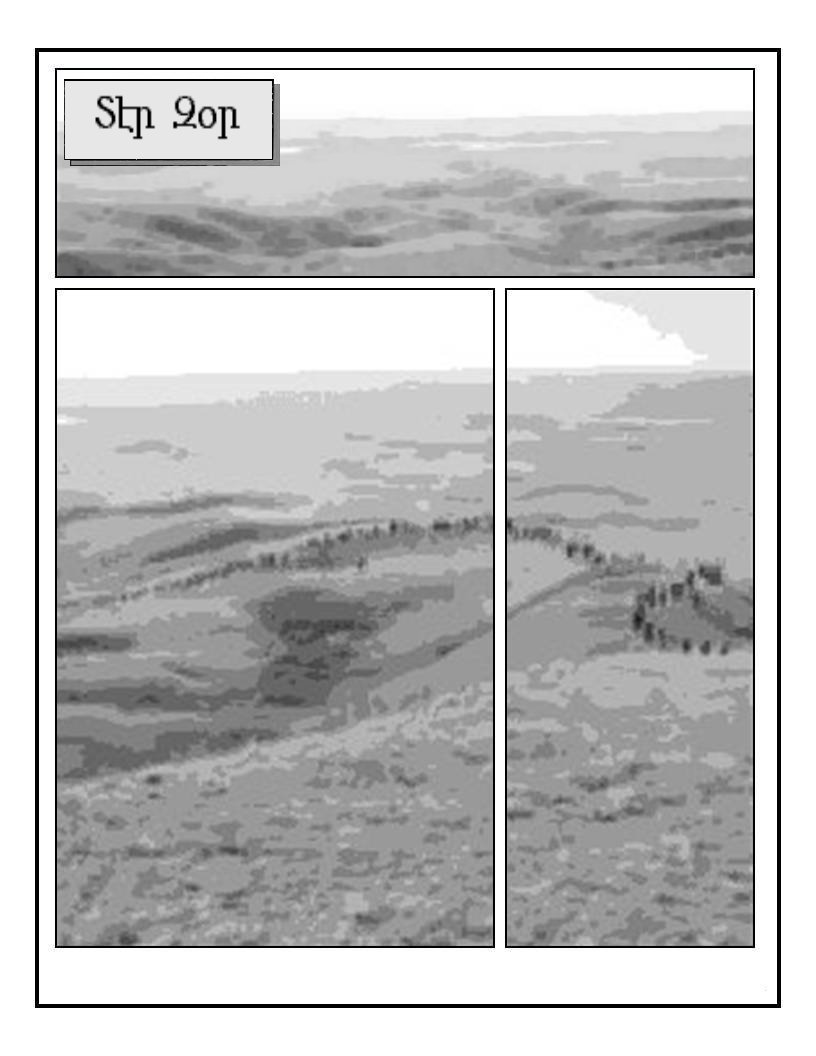
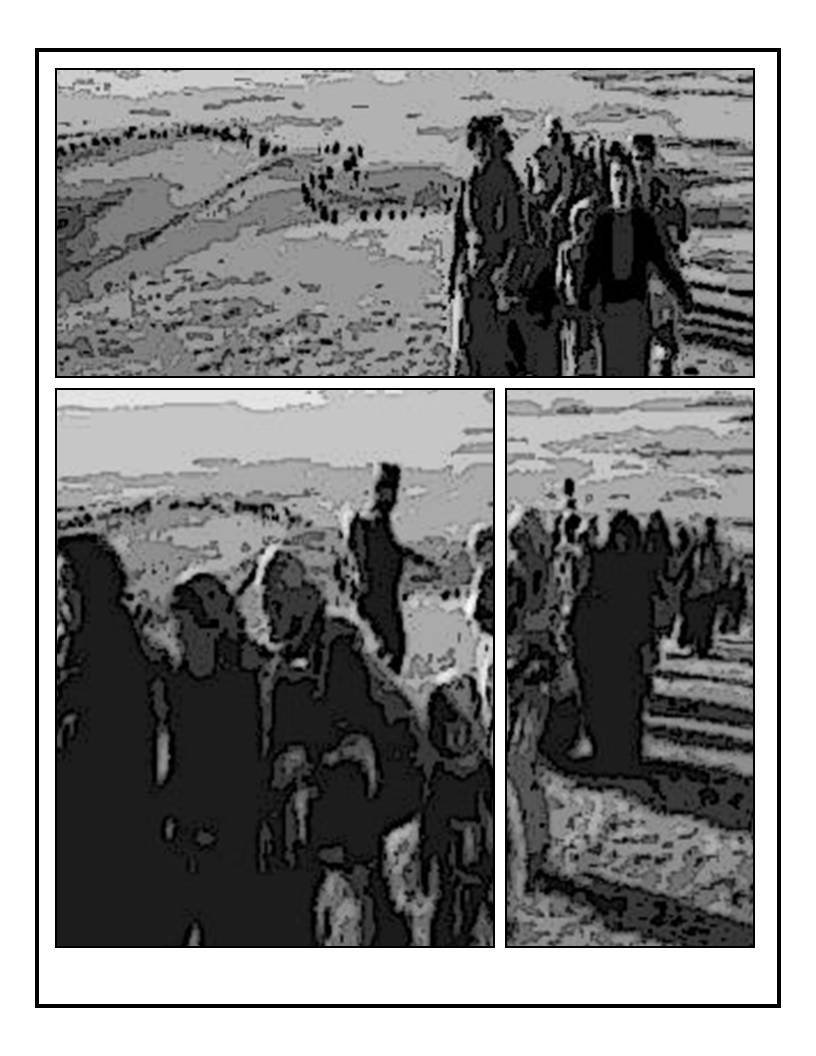

A couple of years ago I was working on a graphic novel about the 1915 Armenian Genocide at the hands of the Young Turks. When I lived in Gyumri often when I’d visit a student’s house the grandmothers would read the coffee stains at the bottom of my cup (Armenian coffee is as thick as tar) and almost always my fortunes would be the same: I was very nice and would marry an Armenian and have lots of babies. That got me thinking about how useful soothsaying would have been back in 1915 when the Ottoman-Armenians were unaware of what their countrymen were about to do.
The story is about a young woman, Narine Abandian, who is told a different sort of future at the bottom of her coffee cup by her grandmother than she is normally use to hearing.


Now, see…that’s interesting historical writing. Thanks.
Later…
Historical writing with pictures, even. All the better to tell a truth with. A truth that defied the parameters of the excuse offered for public consumption.
Later…
Yes, if only revealing things actually achieved the ends one hoped for. Genocide deniers (of all walks of life) are curious creatures to me. The desperate need to see the world in a certain way, regardless of fact, creates a sort of stagnation in the brain that I find hard to communicate with. Perhaps I just have little patience with such people, and yet I keep feeling that if I can just find the correct combination of words I can tell this story to even the ardent of Young Turk supporters. Story telling is our most powerful tool for change, it’s just a matter of finding the right words or pictures.