• hopilavayi: an erotic dictionary

memories of my ghost sista

~ the dead are never satisfied

memories of my ghost sista

Category Archives: Armenian

BODAS DE SANGRE de García Lorca: part i

23 Thursday May 2013

Posted by babylon crashing in Armenian, Spanish, Translation

≈ 4 Comments

Tags

Armenian translation, Blood Wedding, Bodas de Sangre, drama, Federico Garcia Lorca, Ֆեդերիկո Գարսիա Լորկա, ԱՐՅԱՆ ՀԱՐՍԱՆԵԿԱՆ, Spanish translation

BLOOD WEDDING
ARYAN HARSANEKAN
ԱՐՅԱՆ ՀԱՐՍԱՆԵԿԱՆ
by Federico Garcia Lorca
(Ֆեդերիկո Գարսիա Լորկա)
.
ACTO PRIMERO: 1

[HABITACIÓN PINTADA DE AMARILLO]

NOVIO (entrando): ¿Madre?

MADRE: ¿Que?

NOVIO: Me voy.

MADRE: ¿Adónde?

NOVIO: A la viña. (va a salir)

MADRE: Espera.

NOVIO: ¿Quieres algo?

MADRE: Hijo, el almuerzo.

NOVIO: Déjalo. Comeré uvas. Dame la navaja.

MADRE: ¿Para qué?

NOVIO (riendo): Para cortarlas.

MADRE (entre dientes y buscándola): La navaja, la navaja… Malditas sean todas y el bribón que las inventó.

NOVIO: Vamos a otro asunto.

MADRE: Y las escopetas, y las pistolas, y el cuchillo más pequeño, y hasta las azadas y los bieldos de la era.

NOVIO: Bueno.

MADRE: Todo lo que puede cortar el cuerpo de un hombre. Un hombre hermoso, con su flor en la boca, que sale a las viñas o va a sus olivos propios, porque son de él, heredados …

NOVIO (bajando la cabeza): Calle usted.

MADRE: … y ese hombre no vuelve. O si vuelve es para ponerle una palma encima o un plato de sal gorda para que no se hinche. No sé cómo te atreves a llevar una navaja en tu cuerpo, ni cómo yo dejo a la serpiente dentro del arcón.

NOVIO: ¿Está bueno ya?

MADRE: Cien años que yo viviera no hablaría de otra cosa. Primero, tu padre, que me olía a clavel y lo disfruté tres años escasos. Luego, tu hermano. ¿Y es justo y puede ser que una cosa pequeña como una pistola o una navaja pueda acabar con un hombre, que es un dios de toros? No callaría nunca. Pasan los meses y la desesperación me pica en los ojos y hasta en las puntas del pelo.

NOVIO (fuerte): ¿Vamos a acabar?

MADRE: No. No vamos a acabar. ¿Me puede alguien traer a tu padre y a tu hermano? Y luego, el presidio. ¿Qué es el presidio? ¡Allí comen, allí fuman, allí tocan los instrumentos! Mis muertos llenos de hierba, sin hablar, hechos polvo; dos hombres que eran dos geranios… Los matadores, en presidio, frescos, viendo los montes…

NOVIO: ¿Es que quiere usted que los mate?

MADRE: No… Si hablo, es porque… ¿Cómo no voy a hablar viéndote salir por esa puerta? Es que no me gusta que lleves navaja. Es que…. que no quisiera que salieras al campo.

NOVIO (riendo): ¡Vamos!

MADRE: Que me gustaría que fueras una mujer. No te irías al arroyo ahora y bordaríamos las dos cenefas y perritos de lana.

NOVIO (coge de un brazo a la madre y ríe): Madre ¿y si yo la llevara conmigo a las viñas?

MADRE: ¿Qué hace en las viñas una vieja? ¿Me ibas a meter debajo de los pámpanos?

NOVIO (levantándola en sus brazos): Vieja, revieja, requetevieja.

MADRE: Tu padre sí que me llevaba. Eso es buena casta. Sangre. Tu abuelo dejó a un hijo en cada esquina. Eso me gusta. Los hombres, hombres, el trigo, trigo.

NOVIO: ¿Y yo, madre?

MADRE: ¿Tú, qué?

NOVIO: ¿Necesito decírselo otra vez?

MADRE (seria): ¡Ah!

NOVIO: ¿Es que le parece mal?

MADRE: No

NOVIO: ¿Entonces…?

MADRE: No lo sé yo misma. Así, de pronto, siempre me sorprende. Yo sé que la muchacha es buena. ¿Verdad que sí? Modosa. Trabajadora. Amasa su pan y cose sus faldas, y siento, sin embargo, cuando la nombro, como si me dieran una pedrada en la frente.

NOVIO: Tonterías.

MADRE: Más que tonterías. Es que me quedo sola. Ya no me queda más que tú, y siento que te vayas.

NOVIO: Pero usted vendrá con nosotros.

MADRE: No. Yo no puedo dejar aquí solos a tu padre y a tu hermano. Tengo que ir todas las mañanas, y si me voy es fácil que muera uno de los Felix, uno de la familia de los matadores, y lo entierren al lado. ¡Y eso sí que no! ¡Ca! ¡Eso sí que no! Porque con las uñas los desentierro y yo sola los machaco contra la tapia.

NOVIO (fuerte): Vuelta otra vez.

MADRE: Perdóname. (pausa) ¿Cuánto tiempo llevas en relaciones?

NOVIO: Tres años. Ya pude comprar la viña.

MADRE: Tres años. Ella tuvo un Novio, ¿no?

NOVIO: No sé. Creo que no. Las muchachas tienen que mirar con quien se casan.

MADRE: Sí. Yo no miré a nadie. Miré a tu padre, y cuando lo mataron miré a la pared de enfrente. Una mujer con un hombre, y ya está.

NOVIO: Usted sabe que mi novia es buena.

MADRE: No lo dudo. De todos modos, siento no saber cómo fue su madre.

NOVIO: ¿Qué más da?

MADRE (mirándole): Hijo.

NOVIO: ¿Qué quiere usted?

MADRE: ¡Que es verdad! ¡Que tienes razón! ¿Cuándo quieres que la pida?

NOVIO (alegre): ¿Le parece bien el domingo?

MADRE (seria): Le llevaré los pendientes de azófar, que son antiguos, y tú le compras …

NOVIO: Usted entiende más…

MADRE: Le compras unas medias caladas, y para ti dos trajes… ¡Tres! ¡No te tengo más que a tí!

NOVIO: Me voy. Mañana iré a verla.

MADRE: Sí, sí; y a ver si me alegras con seis nietos, o lo que te dé la gana, ya que tu padre no tuvo lugar de hacérmelos a mí.

NOVIO: El primero para usted.

MADRE: Sí, pero que haya niñas. Que yo quiero bordar y hacer encaje y estar tranquila.

NOVIO: Estoy seguro que usted querrá a mi novia.

MADRE: La querré. (se dirige a besarlo y reacciona) Anda, ya estás muy grande para besos. Se los das a tu mujer.(pausa) Cuando lo sea.

NOVIO: Me voy.

MADRE: Que caves bien la parte del molinillo, que la tienes descuidada.

NOVIO: ¡Lo dicho!

MADRE: Anda con Dios.

(VASE EL NOVIO. LA MADRE QUEDA SENTADA DE ESPALDAS A LA PUERTA. APARECE EN LA PUERTA UNA VECINA VESTIDA DE COLOR OSCURO, CON PAÑUELO A LA CABEZA)

MADRE: Pasa.

VECINA: ¿Cómo estás?

MADRE: Ya ves.

VECINA: Yo bajé a la tienda y vine a verte. ¡Vivimos tan lejos …!

MADRE: Hace veinte años que no he subido a lo alto de la calle.

VECINA: Tú estas bien.

MADRE: ¿Lo crees?

VECINA: Las cosas pasan. Hace dos días trajeron al hijo de mi vecina con los dos brazos cortados por la máquina. (se sienta.)

MADRE: ¿A Rafael?

VECINA: Sí. Y allí lo tienes. Muchas veces pienso que tu hijo y el mío están mejor donde están, dormidos, descansando, que no expuestos a quedarse inútiles.

MADRE: Calla. Todo eso son invenciones, pero no consuelos.

VECINA: ¡Ay!

MADRE: ¡Ay! )pausa)

VECINA (triste): ¿Y tu hijo?

MADRE: Salió.

VECINA: ¡Al fin compró la viña!

MADRE: Tuvo suerte.

VECINA: Ahora se casará.

MADRE (como despertando y acercando su silla a la silla de la vecina.) Oye.

VECINA (en plan confidencial): Dime.

MADRE: ¿Tú conoces a la novia de mi hijo?

VECINA: ¡Buena muchacha!

MADRE: Sí, pero …

VECINA: Pero quien la conozca a fondo no hay nadie. Vive sola con su padre allí, tan lejos, a diez leguas de la casa más cerca. Pero es buena. Acostumbrada a la soledad.

MADRE: ¿Y su madre?

VECINA: A su madre la conocí. Hermosa. Le relucía la cara como un santo; pero a mí no me gustó nunca. No quería a su marido.

MADRE (fuerte): Pero ¡cuántas cosas sabéis las gentes!

VECINA: Perdona. No quisiera ofender; pero es verdad. Ahora, si fue decente o no, nadie lo dijo. De esto no se ha hablado. Ella era orgullosa.

MADRE: ¡Siempre igual!

VECINA: Tú me preguntaste.

MADRE: Es que quisiera que ni a la viva ni a la muerte las conociera nadie. Que fueran como dos cardos, que ninguna persona los nombra y pinchan si llega el momento.

VECINA: Tienes razón. Tu hijo vale mucho.

MADRE: Vale. Por eso lo cuido. A mí me habían dicho que la muchacha tuvo NOVIO hace tiempo.

VECINA: Tendría ella quince años. Él se casó ya hace dos años con una prima de ella, por cierto. Nadie se acuerda del noviazgo.

MADRE: ¿Cómo te acuerdas tú?

VECINA: ¡Me haces unas preguntas…!

MADRE: A cada uno le gusta enterarse de lo que le duele. ¿Quién fue el novio?

VECINA: Leonardo.

MADRE: ¿Qué Leonardo?

VECINA: Leonardo, el de los Félix.

MADRE (levantándose): ¡De los Félix!

VECINA: Mujer, ¿qué culpa tiene Leonardo de nada? Él tenía ocho años cuando las cuestiones.

MADRE: Es verdad … Pero oigo eso de Félix y es lo mismo (entre dientes) Félix que llenárseme de cieno la boca (escupe), y tengo que escupir, tengo que escupir por no matar.

VECINA: Repórtate. ¿Qué sacas con eso?

MADRE: Nada. Pero tú lo comprendes.

VECINA: No te opongas a la felicidad de tu hijo. No le digas nada. Tú estás vieja. Yo, también. A ti y a mí nos toca callar.

MADRE: No le diré nada.

VECINA (besándola): Nada.

MADRE (serena): ¡Las cosas…!

VECINA: Me voy, que pronto llegará mi gente del campo.

MADRE: ¿Has visto qué día de calor?

VECINA: Iban negros los chiquillos que llevan el agua a los segadores. Adiós, mujer.

MADRE: Adiós.

(SE DIRIGE A LA PUERTA DE LA IZQUIERDA. EN MEDIO DEL CAMINO SE DETIENE Y LENTAMENTE SE SANTIGUA)
.
* * *
.
[HOUSE OF THE BRIDEGROOM AND MOTHER. KITCHEN PAINTED YELLOW]

BRIDEGROOM [entering]: Mother?

MOTHER: Yes?

BRIDEGROOM: I’m going now.

MOTHER: Where?

BRIDEGROOM: To the vineyard. [starts to exit]

MOTHER: Wait.

BRIDEGROOM: What is it?

MOTHER: Your breakfast, my son!

BRIDEGROOM: Do not fuss about that. I will eat grapes. Give me the knife.

MOTHER: The knife? What for?

BRIDEGROOM [laughing]: To cut the grapes with.

MOTHER [between her teeth, muttering and looking]: The knife! The knife!… Damn the knife, damn all knives and the devil who invented them.

BRIDEGROOM: Enough! Just forget it.

MOTHER: And all the rifles and the pistols and the smallest of all knives — and the hoes and the pitchforks as well!

BRIDEGROOM: All right.

MOTHER: Everything that can cut and slice into the body of a man. A beautiful man, his mouth like a flower, a man who goes out to the vineyards or to his own olive orchard … because they are his, because he inherited them …

BRIDEGROOM [looking down]: Mother, no more.

MOTHER: And then the man does not return. Or if he returns it’s only to lay him out and cover him with a palm leaf and rub rock salt on his body so it won’t rot in the heat. I do not know how you dare to carry a knife with you! — or how I let this serpent rest in my cupboard [she takes a knife from a kitchen drawer].

BRIDEGROOM: Are you finished?

MOTHER: No! If I lived to be one hundred I would not speak of anything else. First, your father, who smelled to me of carnations and I enjoyed him for only three little years. Then, your brother. Oh, is it right? — how can it be? — that a small thing like a pistol or a knife can end a man? — a man who is like a god of bulls? No! I will never shut up. The months die and the despair stings me in my eyes — to the roots of my hair.

BRIDEGROOM [harshly]: Have you finished?

MOTHER: No. I am not going to finish! Can someone bring back your father and your brother to me? And then there is the prison. What is a prison? They eat there, smoke there, they play their music there. There! My dead ones, covered in long grass, silent, turning to dust. My two men who were two geraniums … and their murderers, in prison — carefree with all that fresh air, gazing at the far mountains…

BRIDEGROOM: Are you asking me to kill them?

MOTHER: No… If I speak about this, it is just because… How can I not speak? watching you go through that door? It is just that … I do not want you to take that knife. It is just that…. just that I do not want you to go to the fields.

BRIDEGROOM [laughing]: Enough!

MOTHER: How I so wish that you were born a girl! You would not be going away to the canyon then and we would stay and embroider linens and small woolen dogs.

BRIDEGROOM [take her by the arm and laughs]: Mother, what if I take you now down to the vineyards with me?

MOTHER: What would an old woman do in the vineyards? Were you going to lay me down under the vine-roots?

BRIDEGROOM [raising her up in his arms]: O, what an old woman, you old, old, cranky woman!

MOTHER: Your father, yes, he used to take me. That is the way of good blood and he had the best of blood. Your grandfather left a bastard on every street corner where he went. That is what I like, the men to be men, the grapes to be grapes, the wheat to be wheat.

BRIDEGROOM: And of my life, Mother?

MOTHER: Your life? What?

BRIDEGROOM: Do I need to say it again?

MOTHER [seriously]: Ai!

BRIDEGROOM: But you still think it is a bad idea?

MOTHER: No.

BRIDEGROOM: So, then…?

MOTHER: I do not know. But suddenly, like this, it always surprises me. I know that the girl is good. Truth be told she is. Modest. A hard worker. She kneads her father’s bread and she sews her own skirts … and yet I feel … when I say her name … it is as if someone hit me in the forehead with a rock.

BRIDEGROOM: Foolishness.

MOTHER: It is more than foolishness. I will be left all alone. All alone! You are the last man in my life and it breaks my heart to see you leave.

BRIDEGROOM: But you will come to live with us, of course?

MOTHER: No! I cannot leave your father and your brother here all alone. I must go to their graves every morning … and if I go away, and if one of those Felixes dies? One of that family of murderers … they might be buried alongside ours. And that? — never! No, not that! Because with the nails of my own hands I will unearth them and crush their corpses against a mud wall.

BRIDEGROOM [hard]: That old threat again!

MOTHER [slowing down]: Forgive me. [pauses] How long have you known her?

BRIDEGROOM: Three years. I’ve saved up enough to buy her a vineyard.

MOTHER: Three years. But she … had a fiancé once, if I remember?

BRIDEGROOM: I do not know. I do not believe so … Anyway, girls must have a good look at the men they shall marry, too.

MOTHER: True. I never looked at another man. I watched only your father and when they killed him I watched only the empty wall in front of me. One woman with one man and that is all there is to say.

BRIDEGROOM: You’ve said that my girl is good.

MOTHER: I do not doubt it … But still, I would feel better if I had known her mother.

BRIDEGROOM: What does that have to do with anything?

MOTHER [looking directly at him]: Son.

BRIDEGROOM: What do you want?

MOTHER: No — you are right! When do you want me to go ask on your behalf?

BRIDEGROOM [cheerfully]: How about this Sunday?

MOTHER [seriously]: I will give her my old brass ear-rings, they are our family’s heirlooms and you must buy her…

BRIDEGROOM: You understand more about this than I do …

MOTHER: Purchase for her some embroidered silk stockings … And for you, perhaps two suits… No, three! You are all I have left in this world.

BRIDEGROOM: I must go now. Tomorrow I will see her.

MOTHER: Yes, yes … and just make sure you cheer me up with six grandsons, or even more if you desire … your father was cheated out of the chance to give them to me.

BRIDEGROOM: The first will be all for you.

MOTHER: Yes, but make sure you have some girls, too. Then I can embroider and embroider … I want to make lots of lace and finally find some peace. [goes to kiss him and pauses] Get on with you, already. You are much too big for kisses. Keep them for your wife. [aside] When she is your wife.

BRIDEGROOM: I am off now.

MOTHER: Make sure that you dig the vines near the little well, you have been neglecting them.

BRIDEGROOM: You are right. I will.

MOTHER: May God walk with you, son.

[THE BRIDEGROOM EXITS. THE MOTHER REMAINS SITTING WITH HER BACK TO THE DOOR. A NEIGHBOR WOMAN APPEARS IN THE DOORWAY, DRESSED IN BLACK WITH A SHAWL WRAPPED AROUND HER HEAD]

MOTHER: Come in.

NEIGHBOR: How are you?

MOTHER: As you see for yourself.

NEIGHBOR: I had come to the village so I decided to pay you a visit … we live so far from each other.

MOTHER: For twenty years I have not been been to the top of the street.

NEIGHBOR: Perhaps you are right.

MOTHER: You think so?

NEIGHBOR: Terrible things have happened. Two days ago they brought in the son of my neighbor home with both hands cut clean off by the machine. [she sits down]

MOTHER: You mean Rafael?

NEIGHBOR: Yes. And there you have it. I often think of ours, yours son and mine, are better where they are, slept, resting, with no chance of getting crippled. What use is a crippled man?

MOTHER: Hush your mouth! There is no comfort in your talk.

NEIGHBOR: Ai!

MOTHER: Ai! [they both pause]

NEIGHBOR [sadly]: And your son?

MOTHER: He has left.

NEIGHBOR: So he got enough money to buy the vineyards!

MOTHER: He had luck.

NEIGHBOR: Now he is sure to marry.

MOTHER [as if waking up, she approaches the chair of her neighbor]: I want to ask you …

NEIGHBOR [confidential tone]: Go on …

MOTHER: You know the girl my son wants to marry?

NEIGHBOR: Ah yes! a good girl!

MOTHER: Yes, but?

NEIGHBOR: But you see, nobody knows her very well. She lives with her father all alone, just the two of them far out there, so far, leagues from anywhere. But she is a good girl. She is familiar to the solitude … it is good to know about solitude if you plan to get married.

MOTHER: And her mother?

NEIGHBOR: I knew her mother. Beautiful. Her face glowed, like a saint’s … but I never liked her. She did not love her husband.

MOTHER [hard]: The things people know!

NEIGHBOR: Pardon me, I did not mean to offend. But it is the truth. Now, if she were a chaste woman or not, nobody ever said. Of this it has not been spoken. She was proud.

MOTHER: Have you finished?

NEIGHBOR: You asked the question to me, didn’t you? I answered.

MOTHER: I wish nobody knew anything about that woman … or her daughter. I wish that they were like thorns in a field of wheat no one dares to name. I wish that their pain would destroy anyone who touched them.

NEIGHBOR: You are right. Your son is worth much more.

MOTHER: I know and for that reason it is my right to care. I have heard it said that the girl had fiancé once … a long time ago.

NEIGHBOR: She would have been fifteen years old then. He got married two years ago, to a cousin of hers, by the way. Today nobody even remembers their engagement.

MOTHER: How is it that you remember?

NEIGHBOR: You keep asking these questions to me!

MOTHER: Everyone is curious about the things that can hurt them. Who was that other young man in the life of my son’s girl?

NEIGHBOR: Leonardo.

MOTHER: Which Leonardo?

NEIGHBOR: Leonardo … Felix.

MOTHER [rising from her chair]: One of the Felixes!

NEIGHBOR: My dear woman, what blames does Leonardo have in any of this? He was eight years old
when those terrible things happened. An innocent child!

MOTHER: Felix! Felix! That name! When I hear the name of Felix my mouth reeks of muck and filth! [between teeth] I must spit! Spit! Spit! or that muck and filth will poison my whole soul! My body! Felix! The murderers of my body, my blood!

NEIGHBOR: Be at peace! Be at peace! Please!

MOTHER: How can I be at peace? You do not understand.

NEIGHBOR: Do not spoil the happiness of your son. Do not say anything to him. We are both old. Old women should keep their eyes open and their mouths shut.

MOTHER: I will not say anything to him.

NEIGHBOR [kissing her]: No, not a thing.

MOTHER [calming]: Ai! Things!

NEIGHBOR: I must go now, soon my family will return from the fields.

MOTHER: Have you ever known such burning heat? Such a terrible day. Such heat!

NEIGHBOR: The children are worn out and burnt from the sun whenever they take water to the harvesters. May God walk with you.

MOTHER: And you. Good bye.

[THE NEIGHBOR EXITS. THE MOTHER MOVES TO THE DOOR, STAGE LEFT, STOPS HALFWAY. SHE SLOWLY CROSSES HERSELF. CURTAIN]
.
* * *
.
[ՄԱՅՐՆ ՈՒ ՓԵՍԱՆ ՏՈՒՆԸ. ԽՈՀԱՆՈՑՈՒՄ Է ՆԿԱՐԵԼ ԴԵՂԻՆ.]

ՓԵՍԱՅԻՆ [մտնելով]: մամա-յան?

ՄԱՅՐ: Ինչ?

ՓԵՍԱՅԻՆ: Ես գնում եմ.

ՄԱՅՐ: Որտեղ?

ՓԵՍԱՅԻՆ: Խաղողի այգի. [սկսում է դուրս գալու]

ՄԱՅՐ: Սպասեք.

ՓԵՍԱՅԻՆ: Ինչ է դա.

ՄԱՅՐ: Դուք մոռացել եք Ձեր նախաճաշ, որդիս.

ՓԵՍԱՅԻՆ: Ես չեմ ուզում այն. Ես ունեմ խաղող. Տուր ինձ իմ դանակ.

ՄԱՅՐ: Դանակ? Ինչու?

ՓԵՍԱՅԻՆ [ծիծաղում] Այնպես որ ես կարող եմ կտրել խաղող.

ՄԱՅՐ [միջեւ իր ատամները] Դանակ? Դանակ … հայհոյում բոլոր դանակներով, իսկ դեւի ով հորինել է դրանք.

ՓԵՍԱՅԻՆ: Ոչինչ! Մոռացեք.

ՄԱՅՐ: Եվ հրացանն եւ ատրճանակ, իսկ ամենափոքր դանակ եւ թոխր եւ եղան, ինչպես նաեւ.

ՓԵՍԱՅԻՆ: Ոչինչ.

ՄԱՅՐ: Բոլոր շեղբեր որ շերտերով կտրելու է մինչեւ տղամարդու մարմինը. Մի գեղեցիկ մարդ. Նրա բերանից էր նման մի ծաղիկ. Մի մարդ, ով աշխատում է իր խաղողի այգի, կամ ձիթապտղի պտղատու այգի … քանի որ այն պատկանում է իրեն, քանի որ նա ժառանգել է նրանց …

ՓԵՍԱՅԻՆ [նայելով տարավ]: Մայր, խնդրեմ, ոչ ավելին.

ՄԱՅՐ: Եվ հետո, մի օր, ձեր մարդը չի գալիս տուն. Կամ, նա բերեց տուն, ըստ օտարականներ, եւ դուք պետք է ծածկել անոր վէրքերը մի ափի տերեւի. Ինչու ես պետք է թույլ տալ, սա նենգծ թունոտ մարդ է ապրել? [վերցնում է դանակ մի խոհանոցային գզրոց]

ՓԵՍԱՅԻՆ: Դու ի արվում?

ՄԱՅՐ: Երբեք! Եթե ես ապրել է հարյուր ես կասեմ խոսել միայն այս մասին. Առաջին դա քո հայրը, նա եղել նման կարմիր մեխակ. Ես վայելում նրան ընդամենը երեք տարի. Հետո այն էր ձեր եղբայրը. Աի! Ինչպես կարող է դա ճիշտ? — ինչպես կարող է դա լինել? — Նման մի փոքր բան է, նման ատրճանակով կամ դանակ, բայց այն կարող է ոչնչացնելու մի տղամարդ? — մի մարդ, ով ժամանակին եղել է ցուլ աստված. Երբեք! Ես երբեք փակել է. Ամիսների մեռնել, եւ հուսահատությունը սաստկություն ինձ իմ աչքերով — ը արմատներին իմ մազերով.

ՓԵՍԱՅԻՆ [խստորեն]: Դու ի արվում?

ՄԱՅՐ: Երբեք! Կարող եք բերել, ետ ձեր Հայրը եւ ձեր եղբայրը? Եվ հետո կա բանտը. Ինչ է բանտը? TՆրանք ուտում են, ծխում են, նրանք խաղում են իրենց երաժշտությունը այնտեղ. Կան! Իմ մեռած սիրէ, ծածկված երկար խոտ, լուռ, դառնալով փոշու. Իմ տղամարդիկ, ովքեր էին նման երեմ … եւ նրանց մարդասպանները գտնվում են բանտում — անհոգ, նայելով հեռավոր լեռան …

ՓԵՍԱՅԻՆ: Ցանկանում եք ինձ սպանել նրանց?

ՄԱՅՐ: Ոչ… Եթե ես խոսում այս մասին, դա պարզապես այն պատճառով… Ինչպես կարող եմ դադարեցնել խոսելու ընթացքում? ես նայում եք քայլել միջոցով դուռը … չեն վերցնում որ դանակը. Չեն գնում խաղողի այգի.

ՓԵՍԱՅԻՆ [խնդուն]: Ոչինչ!

ՄԱՅՐ: Մաղթում եմ որ դուք ծնվել մի աղջիկ! Դուք պետք է մնա տանը, եւ ոչ թե գնալ կիրճում. Մենք ասեղնագործել սպիտակեղեն եւ բրդե փոքր շներ.

ՓԵՍԱՅԻՆ [տանել նրան թեւի, ծիծաղում]: Մայրս, ինչ, եթե դուք եկել իջնում խաղողի այգի ինձ հետ?

ՄԱՅՐ: Ինչ կարող է մի հին կնոջ աշխատանքի պետք է խաղողի այգի? Դուք պատրաստվում եք թաքցնել ձեր մայրը է ներսում որթատունկ արմատները?

ՓԵՍԱՅԻՆ [բեռնաբարձման նրան մինչեւ իր ձեռքերում]: Ոչինչ! Դուք եք մի տատիկ! Ձեզ եմ դառնալ հին, հին, քմահաճ կնոջ!

ՄԱՅՐ: Ձեր հայրը, այո, նա ինձ տարավ. Այսինքն լավի արյան, եւ նա իր տնօրինության տակ գտնվող լավագույն արյան. Ձեր պապը թողել ապօրինածին երեխա ժամը ամեն փողոցում անկյունում. Ես սիրում եմ, որ. Տղամարդիք պետք է տղամարդիկ. Խաղող են խաղող. Ցորենի պետք է ցորեն.

ՓԵՍԱՅԻՆ: Ինչ վերաբերում է ես, մայր-յան?

ՄԱՅՐ: Իսկ ձեզ? Ինչ?

ՓԵՍԱՅԻՆ: Ես պետք է կրկնում ինքս ինձ?

ՄԱՅՐ [լրջորեն]: Աի!

ՓԵՍԱՅԻՆ: Ինչ եք կարծում դա վատ գաղափար?

ՄԱՅՐ: Ոչ.

ՓԵՍԱՅԻՆ: Ինչու?

ՄԱՅՐ: Չգիտեմ. Անսպասելիորեն, հենց հիմա, որ զարմացած ինձ. Աղջիկը լավ է. Ես գիտեմ. Ճշմարտություն է ասել. Ես գիտեմ. Նա համեստ. Նա աշխատում դժվար է. Նա խոհարարներ իր հոր հացը … նա ստիպում է իր սեփական պոռնիկ … բայց այնուամենայնիվ … ես ասում եմ իր անունը … իրեն զգում որ ես արդեն հարվածել է գլխին մի ժայռի.

ՓԵՍԱՅԻՆ: Գժություն.

ՄԱՅՐ: Դա անմտութիւն ոչ. Դուք թողնել ինձ մենակ. Մենակ! Դուք եք վերջին արական իմ կյանքում. Այն խախտում սիրտս ամեն անգամ, երբ ես տեսնում եմ դուք գնում.

ՓԵՍԱՅԻՆ: Բայց դուք գալիս ինձ հետ, այո?

ՄԱՅՐ: Ոչ! Ես չեմ կարող թողնել, այնպես էլ ձեր հորը եւ եղբորը մեն – մենակ. Ինձ անհրաժեշտ է այցելել իրենց գերեզմանները ամեն օր. … բայց եթե ես գնում հեռու, եւ եթե մեկ Ֆելիքսներ մահանում? Ընտանիք լի սպանության, նրանք կարողանային են թաղեցին կողքին մեր ընտանիքին. Երբեք! Որովհետեւ ես օգտագործում իմ ձեռքերով եւ որջից դուրս քշել նրանց, եւ երկրպագուների իրենց դիակները դեմ կեղտոտ պատին.

ՓԵՍԱՅԻՆ [լուրջ է]: Ձեր խոսքերը!

ՄԱՅՐ [դադար]: Ներել ինձ. [դադար] Որքան ժամանակ եք ճանաչում նրան?

ՓԵՍԱՅԻՆ: Երեք տարի. Ես փրկվել մինչեւ բավական է գնել նրան խաղողի այգի.

ՄԱՅՐ: Երեք տարի. Սակայն, նա … ուներ փեսացու մեկ անգամ, այո?

ՓԵՍԱՅԻՆ: Ես չգիտեմ … այնուամենայնիվ, մի աղջիկ պետք է իմանա որին նա մտադիր է ամուսնանալ, էլ.

ՄԱՅՐ: Այո. Ես երբեք չեմ նայում մեկ այլ մարդուն. Ես նայեցի է ձեր հօրմէն միայն, իսկ երբ նրանք սպանեցին, ես նայեցի պատին. Որպես մի կին պետք է ունենա միայն մեկ ամուսինը. Ոչինչ.

ՓԵՍԱՅԻՆ: Բայց դուք ասաց նա աղջիկ է լավ.

ՄԱՅՐ: Անշուշտ, անշուշտ … բայց, ես ուզում եմ, կարող էի հանդիպել է իր մայրիկին.

ՓԵՍԱՅԻՆ: Ինչու?

ՄԱՅՐ [նայելով ուղղակիորեն նրա]: Իմ որդին.

ՓԵՍԱՅԻՆ: Ինչ է դա?

ՄԱՅՐ: Ոչինչ — դու ճիշտ է! Երբ համար պետք է ես գնամ, եւ այցելել նրան?

ՓԵՍԱՅԻՆ [ուրախությամբ]: կիրակի?

ՄԱՅՐ [լրջորեն]: Պիտի տամ անոր, իմ հին, արույրե ականջօղեր, նրանք մի հարստություններից, եւ դուք պետք է գնել նրա համար —

ՓԵՍԱՅԻՆ: Դուք գիտեք թե ինչ է լավագույնը.

ՄԱՅՐ: Գնել իր որոշ ասեղնագործ մետաքսե բարակ գուլպաներ … եւ քեզ համար, գուցե երկու կոստյումներ … Ոչ, երեք! Դուք ինչ է մնացել այս աշխարհում ինձ համար.

ՓԵՍԱՅԻՆ: Ես գնում հիմա. Ես այցելել նրան վաղը.

ՄԱՅՐ: Այո, այո … եւ պարզապես համոզվեք, որ դուք հետ ուրախացնել ինձ վեց թոռների, կամ նույնիսկ ավելի, եթե ուզում եք. Ձեր հայրը խաբված դուրս հնարավորությունից տալ ինձ որեւէ.

ՓԵՍԱՅԻՆ: Առաջին կլինի ձեզ համար.

ՄԱՅՐ: Այո, բայց համոզվեք, որ դուք ունեք մի քանի աղջիկներին, էլ. Հետո ես կարող եմ ասեղնագործել … ես ցանկանում եմ կատարել ժանյակ, եւ վերջապես գտնել խաղաղություն. [սկսում է համբուրել նրան. դադար.] Գնալ. Դուք շատ հին են համբուրվելու. Տվեք է նրանց ձեր կնոջ. [մի կողմում] Երբ նա քո կինն է.

ՓԵՍԱՅԻՆ: Ես գնում եմ.

ՄԱՅՐ: Հիշել, թոխր որթատունկ մոտ հոսքի. Դուք արդեն անտեսելով նրանց.

ՓԵՍԱՅԻՆ: Լավ, մայր-յան.

ՄԱՅՐ: Թող Աստված քայլում քեզ հետ, իմ որդուն.

[ՓԵՍԱՅԻՆ ԵԼՔԸ. ՄԱՅՐ, ԻՐ ԹԻԿՈՒՆՔՈՒՄ Է ԴԵՊԻ ԴՈՒՌԸ, ՍՊԱՍՈՒՄ. ՇՈՒՏՈՎ ՀԱՐԵՒԱՆԸ ԳԱԼԻՍ, ԿՐԵԼՈՎ ՍԵՒ ՀԱԳՈՒՍՏ ԶԱՐԴԻ Է ԻՐ ԳԼԽԻՆ]

ՄԱՅՐ: Մտնել.

ԴՐԱՑԻ: Ինչպես եք?

ՄԱՅՐ: Ոչինչ.

ԴՐԱՑԻ: Ես եկել քաղաք, այնպես որ ես որոշեցի այցելել քեզ … մենք ապրում, այնքան հեռու են իրարից

ՄԱՅՐ: Այս քսան տարիների ընթացքում ես չեմ ճանապարհորդել դուրս իմ փողոցում.

ԴՐԱՑԻ: Գուցե դու ճիշտ.

ՄԱՅՐ: Դուք այդպես կարծում?

ԴՐԱՑԻ: Սարսափազդու բաներ են տեղի ունեցել. Երկու օր առաջ. Իմ հարեւանը որդին.Երկուսն էլ իր ձեռքով կտրել. Քանի որ մի մեքենա. [նա նստում]

ՄԱՅՐ: Դուք նկատի ունեք Ռաֆայել?

ԴՐԱՑԻ: Այո. Իսկ դուք ունեք այն. Ես հաճախ մտածում մեր մեր որդիները ավելի լավ են, որտեղ նրանք են, քնում, հանգստավայր, առանց հնարավորություն ստանալու հաշմանդամ դարձած. Ինչ օգուտ է հաշմանդամ դարձած մարդ?

ՄԱՅՐ: Լռությունը ձեր բերանը! Չկա հարմարավետությունը ձեր բառերով.

ԴՐԱՑԻ: Աի!

ՄԱՅՐ: Աի! [դադար]

ԴՐԱՑԻ [չարաչար]: Իսկ քո որդին?

ՄԱՅՐ: Նա գնացել.

ԴՐԱՑԻ: Արդյոք նա բավարար գումար գնելու խաղողի այգի?

ՄԱՅՐ: Նա ուներ Բարի երթ.

ԴՐԱՑԻ: Այժմ նա կարող է ամուսնանալ.

ՄԱՅՐ [հանկարծ, շարժվող ավելի մոտ]: Ես հետաքրքված …

ԴՐԱՑԻ [խորամանկ]: Այո?

ՄԱՅՐ: Գիտեք աղջկան որ ցանկանում է ամուսնանալ?

ԴՐԱՑԻ: Այո. Նա լավ աղջիկ է.

ՄԱՅՐ: Այո. Սակայն?

ԴՐԱՑԻ: Սակայն, ոչ ոք չգիտի, նրան շատ լավ. Նա մենակ է ապրում, իր հոր ` երկուսն էր անապատում.. Բայց նա լավ աղջիկ է. Նա հասկանում է, մենակություն … դուք պետք է հասկանալ մենակություն, եթե դուք ամուսնանալուց.

ՄԱՅՐ: Ինչ վերաբերում է մոր?

ԴՐԱՑԻ: Ես գիտեի նրան. Նա գեղեցիկ էր. Նրա դեմքը հայտնվել նման մի սուրբ … բայց, ես երբեք չեմ սիրում նրան. Նա չի սիրում իր ամուսնուն.

ՄԱՅՐ [դաժան]: Իսկ ինչ գիտեն!

ԴՐԱՑԻ: Ներեցեք ինձ, ես չեմ նշանակում վիրավորել. Բայց դա է ճշմարտությունը. Հիմա, եթե նա մի բարի կին է, թե ոչ, ոչ ոք չի ասել է. Նա հպարտ էր.

ՄԱՅՐ: Դուք ավարտվել?

ԴՐԱՑԻ: Դուք հարցրեց ինձ? Ես պատասխանեցի.

ՄԱՅՐ: Մաղթում եմ ոչ ոք չի ճանաչում ոչինչ մասին, որ կնոջ … կամ աղջիկը. Մաղթում եմ, որ նրանք նման են երկու փուշերէն ներսում ցորենի դաշտ, որ ոչ ոք չի համարձակվում անունը. Մաղթում եմ որ են իրենց փուշերէն կոչնչացնի նրանց, ովքեր անդրադառնում նրանց.

ԴՐԱՑԻ: Դուք իրավացի եք. Ձեր տղան արժե շատ ավելին.

ՄԱՅՐ: Ես գիտեմ, եւ այդ պատճառով դա իմ իրավունքն է հետաքրքրում. Ես լսել եմ, որ այն, որ աղջիկը նշանածի անգամ … շատ վաղուց.

ԴՐԱՑԻ: Նա կլիներ տասնհինգ տարեկան է. Տղան ամուսնացել է երկու տարի առաջ: Նա ամուսնացել է հորեղբոր նրանք, ի դեպ. Այսօր ոչ ոք չի հիշում են իրենց ուխտել.

ՄԱՅՐ: Ինչպես գիտեք այս ամենը?

ԴՐԱՑԻ: Դուք պահել խնդրելով ինձ հարցեր!

ՄԱՅՐ: Յուրաքանչյուր ոք հետաքրքրվում այն բաների, որոնք կարող են վնասել. Ով էր այլ երիտասարդ տղամարդ?

ԴՐԱՑԻ: Լէոնարդո.

ՄԱՅՐ: Լէոնարդո?

ԴՐԱՑԻ: Լէոնարդո … Ֆելիքս.

ՄԱՅՐ [բարձրանում է իր աթոռից]: Ֆելիքս!

ԴՐԱՑԻ: Իմ սիրելի ընկեր, Լէոնարդո մեղավոր չէ ունենալ որեւէ սա. Նա ութ տարեկան էր, երբ այդ սարսափելի բան տեղի ունեցավ. Նա անմեղ երեխա.

ՄԱՅՐ: Ֆելիքս! Ֆելիքս! Այդ անունով! Երբ ես լսում անունը Ֆելիքս, իմ բերանը լեցուն է գոմաղբ եւ կեղտ! [խշշալ է դնում] Ես պետք է թքել! թքել! թքել! որ գարշելիություն որ թույն իմ հոգին. Իմ մարմինը! Ֆելիքս. Մարդասպաններին իմ մարմնի, իմ արյան!

ԴՐԱՑԻ: Եղեք խաղաղություն! Եղեք խաղաղություն!

ՄԱՅՐ: Խաղաղության? Ես ատում բառը. Քանի որ ես ատում դժոխքից եւ ամենայն Ֆելիքսներ.

ԴՐԱՑԻ: Մի փչացնել երջանկությունը ձեր որդուն. Եղեք լուռ. Մենք էի. Հին կանայք պետք է պահել իրենց աչքերը բաց, եւ նրանց շուրթերը փակել.

ՄԱՅՐ: Ես ասում եմ ոչինչ նրան.

ԴՐԱՑԻ [գրկախառնվել նրա]: Թիվ Ոչինչ
.
ՄԱՅՐ [հանգիստ]: Աի! Բանալիները!

ԴՐԱՑԻ: Ես պետք է գնալ. Իմ ընտանիքը կվերադառնա տուն շուտով.

ՄԱՅՐ: Ջերմության սարսափելի է. Օրը սարսափելի. Աի, որ ջերմային!

ԴՐԱՑԻ: Մեր երեխաները այրել ընթացքում բերքի. Թող Աստված քայլում ձեզ հետ.

ՄԱՅՐ: Այո. Եվ ձեզ հետ, հրաժեշտ.

[ԴՐԱՑԻ ԵԼՔԸ. ՄԱՅՐ, ՇԱՐԺՎՈՒՄ Է ԴԵՊԻ ԴՈՒՌԸ, ԲԵՄԱԴՐԻՉ ՄՆԱՑԵԼ, ԴԱԴԱՐՈՒՄ. ՆԱ ԴԱՆԴԱՂ ԴԱՐՁՆՈՒՄ ՆՇԱՆ ԽԱՉԻ. ՎԱՐԱԳՈՒՅՐԸ.]

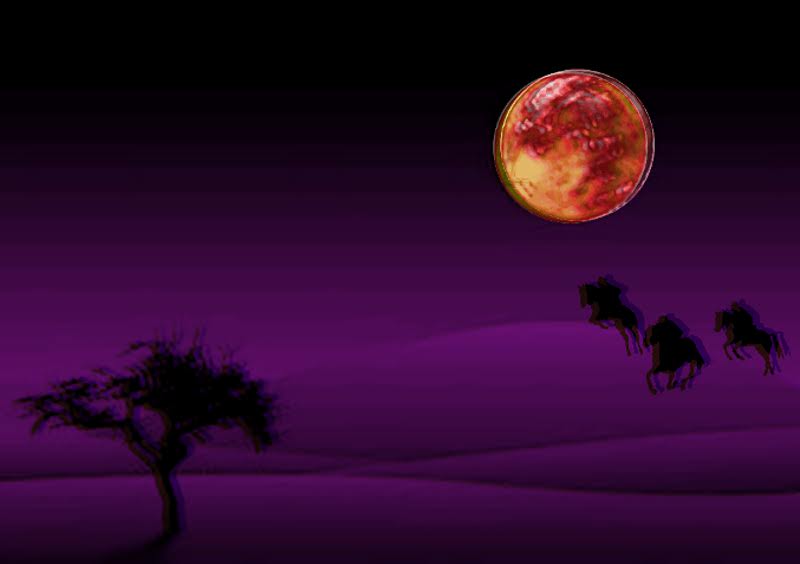
luna luna luna

23 Thursday May 2013

Posted by babylon crashing in Armenian, Illustration and art, Poetry, Spanish, Translation

≈ 1 Comment

Tags

Armenian translation, Federico Garcia Lorca, moon moon, Ֆեդերիկո Գարսիա Լորկա, Poetry, ROMANCE DE LA LUNA, Spanish translation

luna luna

ROMANCE DE LA LUNA, LUNA
by Federico Garcia Lorca
(Ֆեդերիկո Գարսիա Լորկա)
.
La luna vino a la fragua
con su polisón de nardos.
El niño la mira mira.
El niño la está mirando.
En el aire conmovido
mueve la luna sus brazos
y enseña, lúbrica y pura,
sus senos de duro estaño.
Huye luna, luna, luna.
Si vinieran los gitanos,
harían con tu corazón
collares y anillos blancos.
Niño, déjame que baile.
Cuando vengan los gitanos,
te encontrarán sobre el yunque
con los ojillos cerrados.
Huye luna, luna, luna,
que ya siento sus caballos.
Níno, déjame, no pises
mi blancor almidonado.
El jinete se acercaba
tocando el tambor del llano
Dentro de la fragua el niño,
tiene los ojos cerrados.
Por el olivar venían,
bronce y sueño, los gitanos.
Las cabezas levantadas
y los ojos entornados.
¡Cómo canta la zumaya,
ay cómo canta en el árbol!
Por el cielo va la luna
con un niño de la mano.
Dentro de la fragua lloran,
dando gritos, los gitanos.
El aire la vela, vela.
El aire la está velando.

.
The moon came down to the forge
wearing her skirt of white, fragrant flowers.
The little boy stares and stares at her,
the little boy keeps on staring.
In the electrified air
the moon moves her arms
revealing her hard, tin breasts
both lecherous and pure.
Run away, moon, moon, moon!
If the gypsies find us
they’ll make white necklaces
and rings out of your heart.
Child, let me dance,
for when the gypsies come,
they’ll find you on the anvil
with your little eyes shut.
Run away, moon, moon, moon,
already I can hear horses.
Child, let me be, don’t step
on my starched whiteness.
On the plateau, with beating drums,
the wild horseman appear.
and inside the forge
the little boy closes his eyes.
Through the olive grove they came,
half-bronze and half-dream,
gypsies with their proud heads
and their half-closed eyes.
Listen to the night bird singing,
from its tree, it sings!
Across the sky moves the moon,
holding the little boy by the hand.
Inside the forge the gypsies curse
and scream. They are screaming.
The air watches and watches.
The air is watching.

.
Լուսինը իջաւ է կոփում.
Նա հագնում է իր անուշահոտ փեշ սպիտակ ծաղիկներով.
Փոքրիկ տղան նայում է եւ նայում է նրան.
Փոքրիկ տղան շարունակվում փնտրում.
Ի էլեկտրաֆիկացվել օդում, լուսինը շարժվում գիրկը.
Նա բացահայտում է իր ծանր, անագ դոշիկներ, որոնք երկուսն էլ վավաշոտ եւ կույս.
Փախչել, լուսնի, լուսին, լուսին!
Եթե գնչուական լեզու գտնել մեզ նրանք կատարել սպիտակ վզնոցներ եւ օղակների դուրս ձեր սրտում.
Երեխան, թույլ տվեք պարել.
Երբ գնչուական լեզու գալիս, նրանք կգտնենք ձեզ գագաթին սալ, հետ աչքերը փակեց.
Փախչել, լուսնի, լուսին, լուսին,
արդեն ես կարող եմ լսել ձիեր.
Երեխա, գնա հեռու.
Մի քայլ է իմ սպիտակ օսլայից հագուստով.
Ին սարահարթում, ինչպես ծեծ հարվածայիններ, վայրի ձիավորները կհայտնվի.
Ներսում կոփում, որ փոքրիկ տղան փակում իր աչքերը.
Նրանք լողալ միջոցով ձիթապտղի պուրակում.
Նրանք կես-բրոնզ եւ կես-երազանք.
Իրենց հպարտ ղեկավարների, գնչուական լեզու կես-փակել իրենց աչքերը.
Լսեք գիշերային թռչուն երգում իր ծառը. Հրաշալի երգը!
Ամբողջ երկնքում լուսնի պարերը.
Նա անցկացման փոքրիկ տղայի ձեռքը բռնած.
Են ներսում կոփում, գնչուական լեզու հայհոյանք եւ գոռալ.
Նրանք սուր ճիչ.
Չափազանց աչքի ընկնող ու աչք ծակողաղաղակող,
օդի ապշած, նայում հետ.

le mar, la mer, le mar

23 Thursday May 2013

Posted by babylon crashing in Armenian, Illustration and art, Poetry, Spanish, Translation

≈ 4 Comments

Tags

Armenian translation, Federico Garcia Lorca, la mer, le mar, morning star, Ֆեդերիկո Գարսիա Լորկա, Poetry, Spanish translation

moon moon

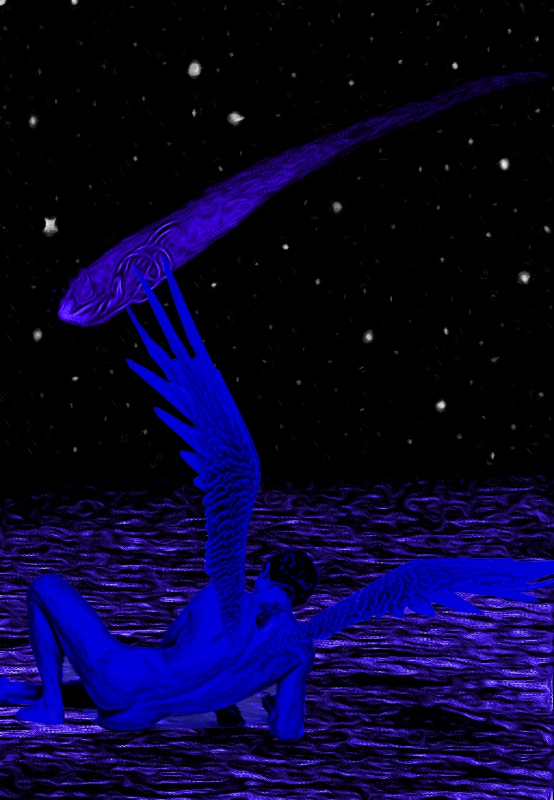
MAR
by Federico Garcia Lorca
(Ֆեդերիկո Գարսիա Լորկա)
.
El mar es
el Lucifer del azul.
El cielo caído
por querer ser la luz.
¡Pobre mar condenado
a eterno movimiento,
habiendo antes estado
quieto en el firmamento!
Pero de tu amargura
te redimió el amor.
Pariste a Venus pura,
y quedose tu hondura
virgen y sin dolor.
Tus tristezas son bellas,
mar de espasmos gloriosos.
Mas hoy en vez de estrellas
tienes pulpos verdosos.
Aguanta tu sufrir,
formidable Satán.
Cristo anduvo por ti,
mas también lo hizo el dios Pan.
La estrella Venus es
la armonía del mundo.
¡Calle, el Eclesiastés!
Venus es lo profundo
del alma…
…Y el hombre miserable
es un ángel caído.
La Tierra es el probable
paraíso perdido.

.
The sea is
a Lucifer of blue.
The sky fell
trying to be light.
Poor sea, cursed
to eternal motion,
you once stood still
in the sky!
But your bitterness
is redeemed by your love.
You gave birth to pure Venus,
and your depths
were virgin and painless.
Your sorrows are beautiful,
glorious sea spasm.
But today instead of stars
you have green octopuses.
Suffer silently
tremendous Satan.
Christ walked on you,
but so did the god Pan.
The star Venus
is the world’s harmony.
(silence, Ecclesiastes)
Venus is deeper
than the soul …
… and the misery of mankind
is a fallen angel.
The Earth was likely
our Paradise Lost.

.
Ծովը մի կապույտ
Լյուցիֆեր.
Երկինքը ընկավ,
քանի որ նա ցանկանում է դառնալ թեթեւ.
Վատ ծով, հայհոյել հավերժական շարժման,
որը ժամանակին կանգնած դեռ երկնքում!
Բայց ձեր դառնությունը,
այն մարել է, քանի որ քո սերը.
Դուք տալիս ծնեց կույս Վեներան,
եւ ձեր խորքերը էին մաքուր եւ ցավ չպատճառող.
Ձեր վիշտ են գեղեցիկ,
փառավոր ծովային ջղաձգություն.
Բայց այսօր,
դուք չունեք աստղերը, դուք կանաչ ութոտնուկ.
Տուժում լուռ,
հսկայական Սատանային.
Քրիստոս քայլեց վրայով դուք.
Սակայն, աստված Պան ըրաւ նույնպես.
Աստղ կոչվում Վեներան, նա այժմ մեր
համաշխարհային ներդաշնակություն.
(լռությունը, Եկեղեցական)
Վեներան ավելի
խորն է, քան հոգու …
… եւ թշվառ մարդկության
մի ընկած հրեշտակ.
Շրջանում Երկրի, հավանաբար,
մեր Կորուսյալ Դրախտ.

garica lorca’s “por las ramas del laurel”

20 Monday May 2013

Posted by babylon crashing in Armenian, Erotic, Poetry, Spanish, Translation

≈ Comments Off on garica lorca’s “por las ramas del laurel”

Tags

Armenian translation, Federico Garcia Lorca, Ֆեդերիկո Գարսիա Լորկա, Poetry, por las ramas del laurel, Spanish translation

POR LAS RAMAS DEL LAUREL
by Federico Garcia Lorca
(Ֆեդերիկո Գարսիա Լորկա)
.
Por las ramas del laurel
van dos palomas oscuras.
La una era el sol,
la otra era la luna.
“Vecinita,” les dije,
“¿dónde está mi sepultura?”
“En mi cola,” dijo el sol.
“En mi garganta,” dijo la luna.
Y yo que estaba caminando
con la tierra a la cintura
vi dos águilas de mármol
y una muchacha desnuda.
La una era la otra
y la muchacha era ninguna.
“Aguilita,” les dije,
“¿dónde está mi sepultura?”
“En mi cola,” dijo el sol.
“En mi garganta”, dijo la luna.
Por las ramas del cerezo
vi dos palomas desnudas.
La una era la otra
y las dos eran ninguna.
Por las ramas del laurel
van dos palomas oscuras.

.
Through the branches of a laurel
I saw two dark doves.
One was the sun,
the other was the moon.
“Little neighbors,” I asked,
“where is my grave?”
“In my tail,” said the sun.
“In my throat,” said the moon.
And I who was walking
with the earth up to my hips
saw two pale eagles
and a naked girl.
One was the other
and the girl was neither.
“Little eagles,” I asked,
“where is my grave?”
“In my tail,” said the sun.
“In my throat,” said the moon.
Through the branches of a cherry
I saw two naked doves.
One was the other
and both were neither.

.
Միջոցով ճյուղերում դափնեպսակ.
Ես տեսա երկու մութ աղավնիներ.
Մի էր արեւը,
մյուսը, լուսինը.
“Փոքրիկ հարեւանների« Ես հարցրեցի,
«Ուր է իմ գերեզմանն?»
«Իմ պոչը», – ասել է արեւը.
«Իմ կոկորդին», – ասել է լուսնի.
Եվ ես, ով քայլում էր ինչպես երկրի մինչեւ իմ իրան հող,
ես տեսա երկու գունատ արծիվներ
եւ մի մերկ աղջիկ.
Դրանցից մեկը եղել մյուսը,
եւ աղջիկ էր եւ ոչ մեկը.
“Փոքրիկ արծիվներ« Ես հարցրեցի,
«Ուր է իմ գերեզմանն?»
«Իմ պոչը», – ասել է արեւը.
«Իմ կոկորդին», – ասել է լուսնի.
Միջոցով ճյուղերում բալ.
Ես տեսա երկու մերկ աղավնիներ.
Դրանցից մեկը եղել մյուսը,
եվ երկուսն էլ եղել են ոչինչ.

besos en los labios

20 Monday May 2013

Posted by babylon crashing in Armenian, Erotic, Illustration and art, photograph, Poetry, Spanish, Translation

≈ Comments Off on besos en los labios

Tags

Armenian translation, Frida Kahlo, kissing on the lips, naked heroes, orgasm, Poetry, Spanish translation

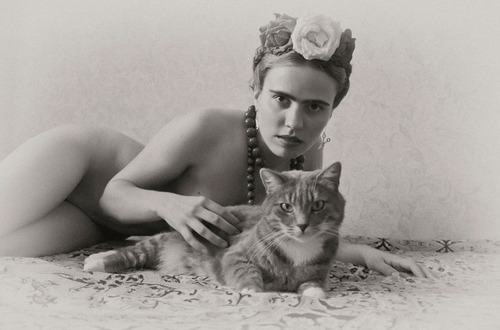
frida kahlo and kitty

frida kahlo

frida kahlo nude

Besos en los labios, y tus dedos del pie contracción nerviosa.
Besos en tu clítoris, pezones se endurecen.
Mi dedo en tu culo, escalofríos por el alma.
Sino que cuando dices mi nombre, eso es el ruiseñor que en la selva cantando.

.
Kiss on the lips, and your toes twitch.
Kiss your clitoris, and your nipples harden.
My finger in your ass chills the soul.
But when you say my name, it is a nightingale singing in the jungle.

.
Համբուրում է շուրթերին, եւ ձեր ոտք ունեցող մարդ ջղաձգություն.
Համբույր ձեր կլիտօրիս, եւ ձեր խուլ կարծրացնում.
Իմ մատը ձեր էշի, սարսուռ հոգու.
Բայց երբ դուք ասում եք, իմ անունը, դա է սոխակ երգում է ջունգլիներում.

duende ai duende

20 Monday May 2013

Posted by babylon crashing in .gif, Armenian, Erotic, Illustration and art, Spanish, Translation

≈ Comments Off on duende ai duende

Tags

Armenian translation, art, Duende, gif, Spanish translation

locura
.
locura
lascivia
un toque de la muerte
un toque de lo diabólico
¿Cómo se traduce eso?
Duende …
Ai, duende

.
madness
lasciviousness
a touch of death
a touch of the diabolic
how do you translate that?
Duende …
heh, duende

.
անտրամաբանություն
վավաշոտություն
վտանգը մահվան
դիվային է հպում
ինչպես եք թարգմանել?
Դուենդե …
ոչինչ, դուենդե

garcia lorca’s “la luna asoma”

20 Monday May 2013

Posted by babylon crashing in Armenian, Erotic, Poetry, Spanish, Translation

≈ 7 Comments

Tags

Armenian translation, art, Federico Garcia Lorca, La Luna Asoma, Spanish translation

la luna asoma

LA LUNA ASOMA
by Federico Garcia Lorca
(Ֆեդերիկո Գարսիա Լորկա)
.
Cuando sale la luna
se pierden las campanas
y aparecen las sendas
impenetrables.

Cuando sale la luna,
el mar cubre la tierra
y el corazón se siente
isla en el infinito.

Nadie come naranjas
bajo la luna llena.
Es preciso comer,
fruta verde y helada.

Cuando sale la luna
de cien rostros iguales,
y la moneda de plata
solloza en el bolsillo.

.
With the rising of the moon
the bells fall silent
and incredible pathways
appear.

With the rising of the moon,
the sea floods the land,
and the heart feels like
an island within infinity.

No one eats oranges
under the full moon’s light.
The fruit must be
green and frozen.

With the rising of the moon
and their hundred similar faces,
silver coins
sob inside pockets.

.
Ընթացքում կը վերելք է լուսնի,
զանգերը պետք է դադարեցնի,
եւ անհավատալի
ճանապարհների կհայտնվի

Ընթացքում կը վերելք է լուսնի,
ծովի ջրհեղեղների հողը,
եւ սիրտը զգում նման
անվերջ կղզում.

Շրջանակներում լուսնի լույսի հետ,
ոչ ոք ուտում նարինջ.
Պտղից պետք է լինի
կանաչ եւ սառեցված.

Ընթացքում կը վերելք է լուսնի,
հարյուր նմանատիպ դեմքերին
արծաթե մետաղադրամներ
հեծկլտանք ներսում գրպանում.

fuego bruja

18 Saturday May 2013

Posted by babylon crashing in Armenian, Illustration and art, Poetry, Spanish, Translation

≈ 2 Comments

Tags

Armenian translation, art, fuego bruja, վհուկների հրդեհ, Poetry, Spanish translation, witch fire

witch fire

witch fire


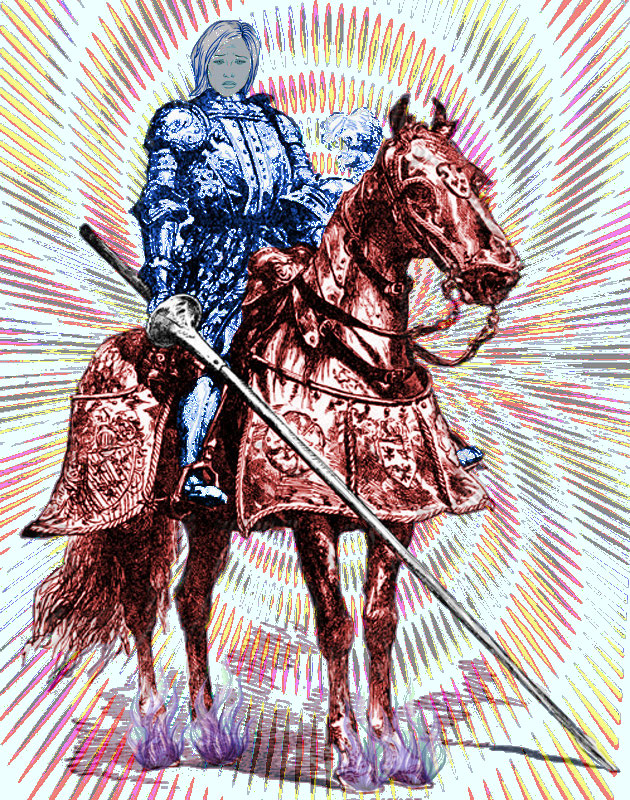
La sangre de mis útero
cubriendo mi caballo está.
Pero las cascos de mi caballo
fuego bruja

.

The blood of my womb
is soaking my horse.
But the hoofs of my horse
witch fire

.

Արյունը իմ արգանդում
թրջող իմ ձին.
Բայց սմբակներ իմ ձին
վհուկների հրդեհ.

sun birth moon

17 Friday May 2013

Posted by babylon crashing in Armenian, Erotic, Poetry, Portuguese, Translation

≈ 2 Comments

Tags

Armenian translation, cunnilingus, Poetry, Portuguese translation


teu orgasmo é
o nascimento da lua pelo sol
nos ares, de repente
o céu está cheio de
placenta
chuva e tua
esporra

.
Your orgasm is
the sun giving birth to the moon
in the air, suddenly
the sky is full of
afterbirth
rain and your
cum

.
Ձեր օրգազմի է
արեւը ծնում լուսնի
ներսում օդում, հանկարծ
երկինքը լի
ընկերք
անձրեւ եւ ձեր
սեմյոն

that kind of fun

13 Monday May 2013

Posted by babylon crashing in Armenian, Erotic, Illustration and art, Poetry, Translation

≈ Comments Off on that kind of fun

Tags

Armenian translation, art, cunnilingus, Poetry, slot as metaphor for cunt, that kind of fun

that kind of fun

Ես թողնում եմ, որ հաճելի է ծննդաբերության ու մայրերին.
Ես լսել նման գեղեցկությունը.
Հուր մաշկի եւ մազերի.
Ա մազոտ բնիկ.
Ուտում եմ ձեր մազոտ բնիկ.
.
I’ll leave that kind of fun to childbirth and mothers.
I’ve heard of such a beauty.
Glow to skin and hair.
A hairy slot.
I’m eating your hairy slot.

← Older posts
Newer posts →

age difference anal sex Armenia Armenian Genocide Armenian translation ars poetica art artist unknown blow job Chinese translation conversations with imaginary sisters cum cunnilingus drama erotic erotica erotic poem erotic poetry Federico Garcia Lorca fellatio finger fucking free verse ghost ghost girl ghost lover gif Gyumri haiku homoerotic homoerotica Humor i'm spilling more thank ink y'all incest Lilith Love shall make us a threesome masturbation more than just spilled ink more than spilled ink mythology ocean mythology Onna bugeisha orgasm Peace Corps photo poem Poetry Portuguese Portuguese translation prose quote unquote reblog retelling Rumi Sappho sea folklore Shakespeare sheismadeinpoland sonnet sorrow Spanish Spanish translation spilled ink story Taoist Pirate rituals Tarot Tarot of Syssk thank you threesome Titus Andronicus translation video Walt Whitman war woman warrior xenomorph

electric mayhem [links]

  • poesia erótica (português)
  • Poetic K [myspace]
  • armenian erotica and news
  • aimee mann
  • discos bizarros argentinos
  • cyndi lauper
  • sandra bernhard

Meta

  • Create account
  • Log in
  • Entries feed
  • Comments feed
  • WordPress.com

Blog Stats

  • 387,426 hits

Categories

ars poetica: the blogs a-b

  • sandra beasley
  • mary biddinger
  • aliki barnstone
  • alzheimer's poetry project
  • emma bolden
  • stacy blint
  • sommer browning
  • afghan women's writing project
  • lynn behrendt
  • the art blog
  • afterglow
  • cecilia ann
  • Alcoholic Poet
  • margaret bashaar
  • all things said and done
  • wendy babiak
  • black satin
  • clair becker
  • kristy bowen
  • brilliant books
  • megan burns
  • american witch
  • tiel aisha ansari
  • armenian poetry project

Enter your email address to follow this blog and receive notifications of new posts by email.

Join 44 other subscribers

Archives

ars poetica: the blogs c-d

  • cleveland poetics
  • juliet cook
  • lorna dee cervantes
  • CRB
  • maria damon
  • flint area writers
  • jackie clark
  • julie carter
  • abigail child
  • jennifer k. dick
  • natalia cecire
  • linda lee crosfield
  • cheryl clark
  • roberto cavallera
  • michelle detorie
  • lyle daggett

ars poetica: the blogs e-h

  • jessica goodfellow
  • Gabriela M.
  • maggie may ethridge
  • bernardine evaristo
  • amanda hocking
  • ghosts of zimbabwe
  • elisa gabbert
  • joy garnett
  • jeannine hall gailey
  • elizabeth glixman
  • carol guess
  • hayaxk (ՀԱՅԱՑՔ)
  • pamela hart
  • joy harjo
  • sarah wetzel fishman
  • julie r. enszer
  • carrie etter
  • Free Minds Book Club
  • human writes
  • jane holland
  • liz henry
  • maureen hurley
  • herstoria

ars poetica: the blogs i-l

  • Jaya Avendel
  • laila lalami
  • gene justice
  • diane lockward
  • las vegas poets organization
  • miriam levine
  • dick jones
  • a big jewish blog
  • amy king
  • irene latham
  • IEPI
  • lesley jenike
  • meg johnson
  • sheryl luna
  • emily lloyd
  • maggie jochild
  • language hat
  • renee liang
  • Kim Whysall-Hammond
  • kennifer kilgore-caradec
  • sandy longhorn
  • joy leftow
  • megan kaminski
  • charmi keranen
  • lesbian poetry archieves
  • donna khun

ars poetica: the blogs m-o

  • the malaysian poetic chronicles
  • marion mc cready
  • january o'neil
  • michigan writers network
  • iamnasra oman
  • nzepc
  • majena mafe
  • adrienne j. odasso
  • michigan writers resources
  • michelle mc grane
  • new issues poetry & prose
  • sharanya manivannan
  • My Poetic Side
  • caryn mirriam-goldberg
  • heather o'neill
  • sophie mayer
  • Nanny Charlotte
  • wanda o'connor
  • ottawa poetry newsletter
  • mlive: michigan poetry news
  • maud newton
  • motown writers

ars poetica: the blogs p-r

  • susan rich
  • kristin prevallet
  • ariana reines
  • split this rock
  • sophie robinson
  • nikki reimer
  • Queen Majeeda
  • nicole peyrafitte
  • helen rickerby
  • joanna preston
  • rachel phillips
  • maria padhila

ars poetica: the blogs s-z

  • ron silliman
  • womens quarterly conversation
  • sexy poets society
  • scottish poetry library
  • Trista's Poetry
  • southern michigan poetry
  • tim yu
  • vassilis zambaras
  • tuesday poems
  • switchback books
  • Stray Lower
  • shin yu pai

  • Subscribe Subscribed
    • memories of my ghost sista
    • Join 44 other subscribers
    • Already have a WordPress.com account? Log in now.
    • memories of my ghost sista
    • Subscribe Subscribed
    • Sign up
    • Log in
    • Report this content
    • View site in Reader
    • Manage subscriptions
    • Collapse this bar
 

Loading Comments...