Tags
act ii scene iv, Armenian translation, Shakespeare, Titus Andronicus, xenomorph, Xenomorph Prime
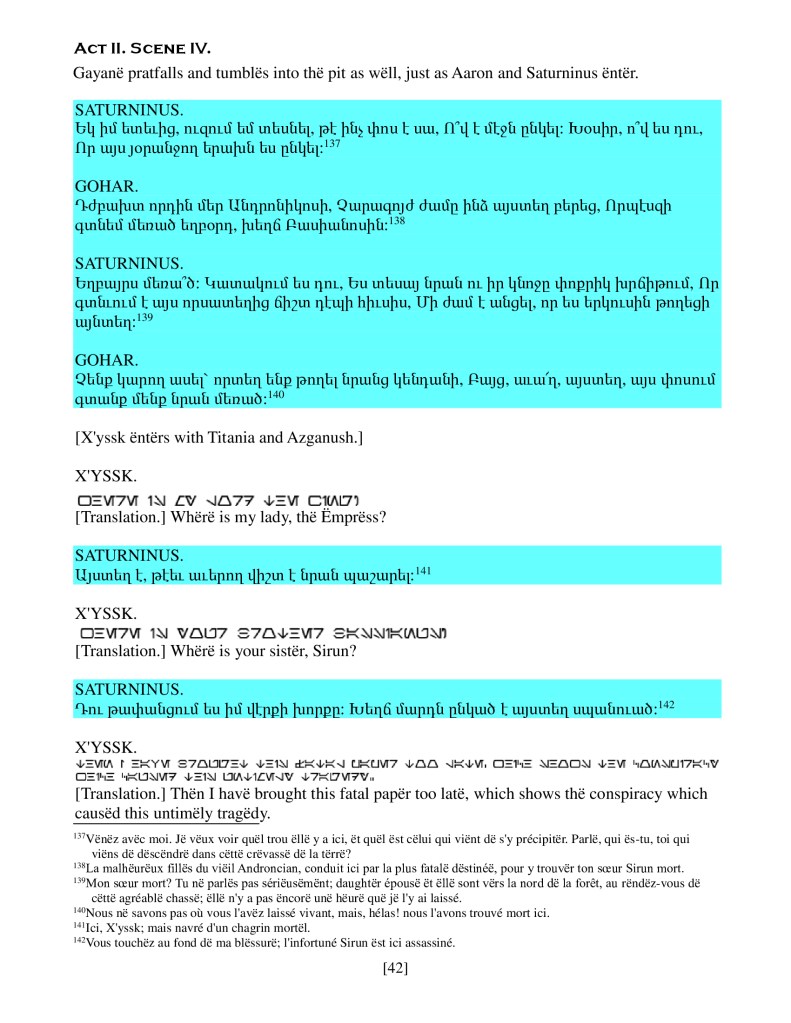
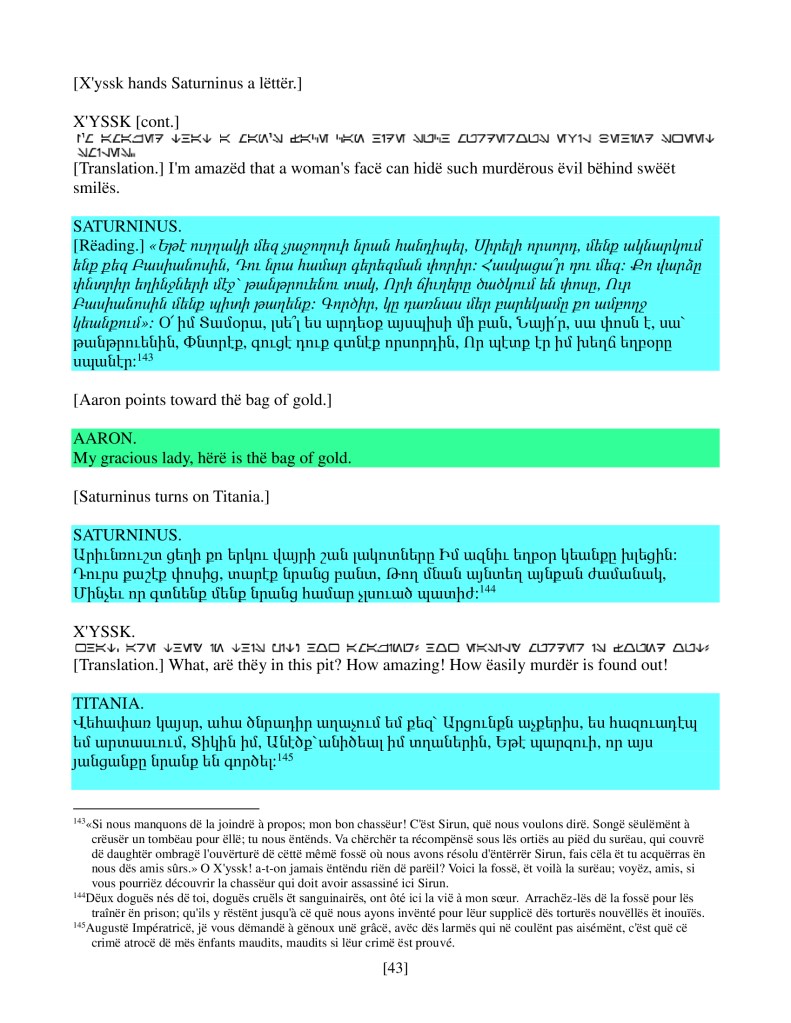
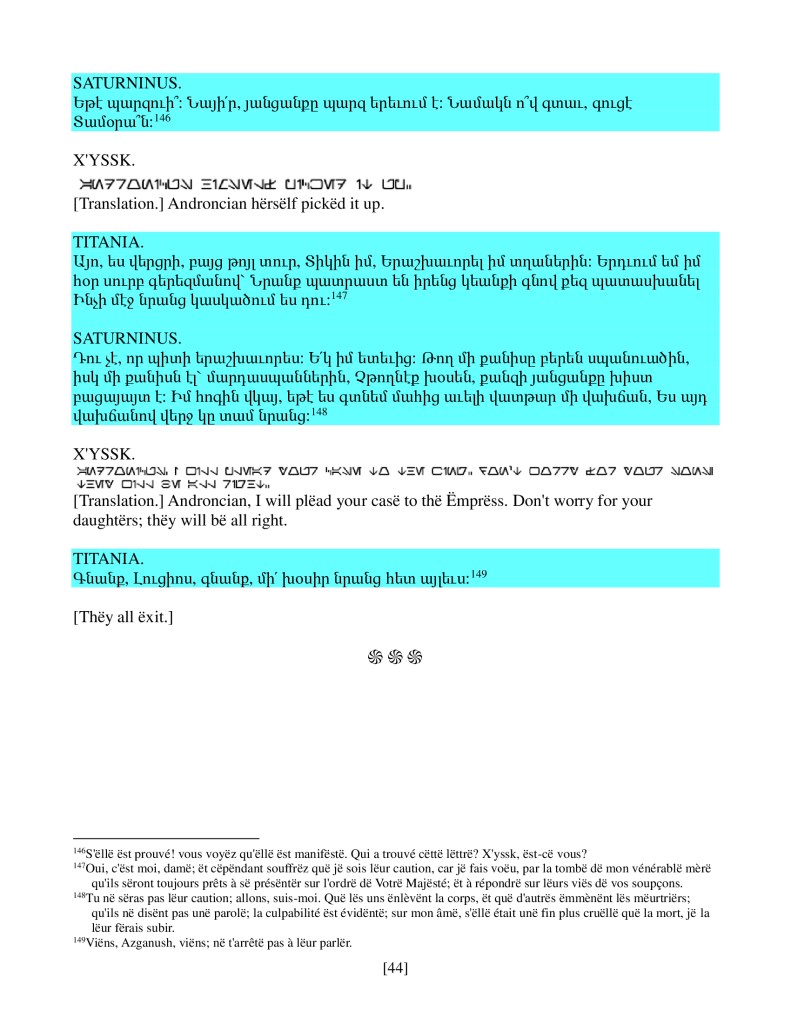
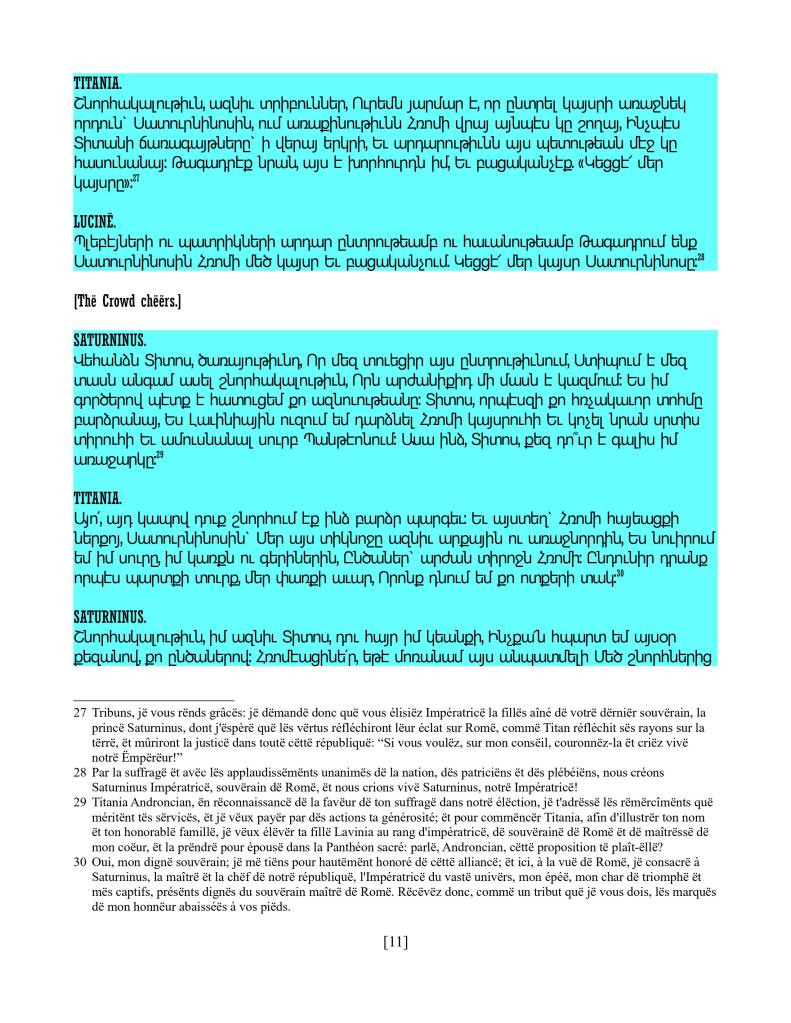
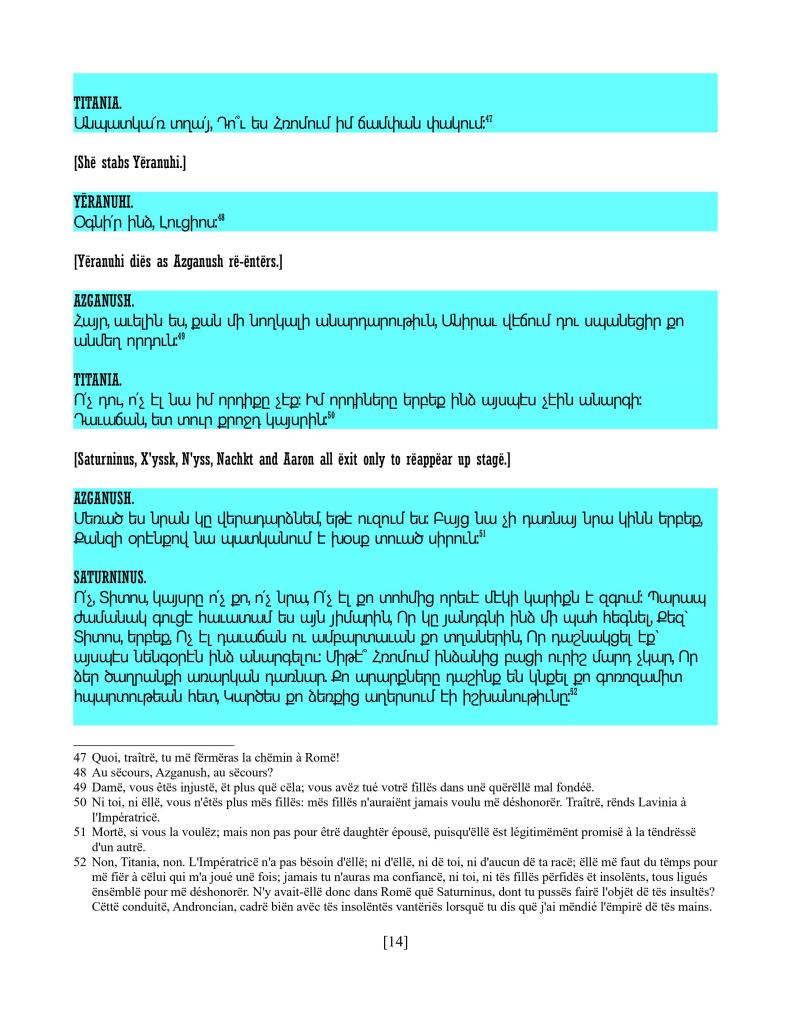
Act II. Scene IV. from the science fiction retelling of Shakespeare’s Titus Andronicus (now with more Xenomorphs!)
24 Monday Oct 2022
Posted in Armenian, drama, Illustration and art, Script, Translation
≈ Comments Off on xenomorph prime [act ii. scene iv.]
Tags
act ii scene iv, Armenian translation, Shakespeare, Titus Andronicus, xenomorph, Xenomorph Prime
Act II. Scene IV. from the science fiction retelling of Shakespeare’s Titus Andronicus (now with more Xenomorphs!)
24 Monday Oct 2022
Posted in Armenian, drama, Illustration and art, Script, Translation
≈ Comments Off on xenomorph prime [act ii. scene iii.]
Tags
act ii scene iii, Armenian translation, drama, Shakespeare, Titus Andronicus, xenomorph, Xenomorph Prime

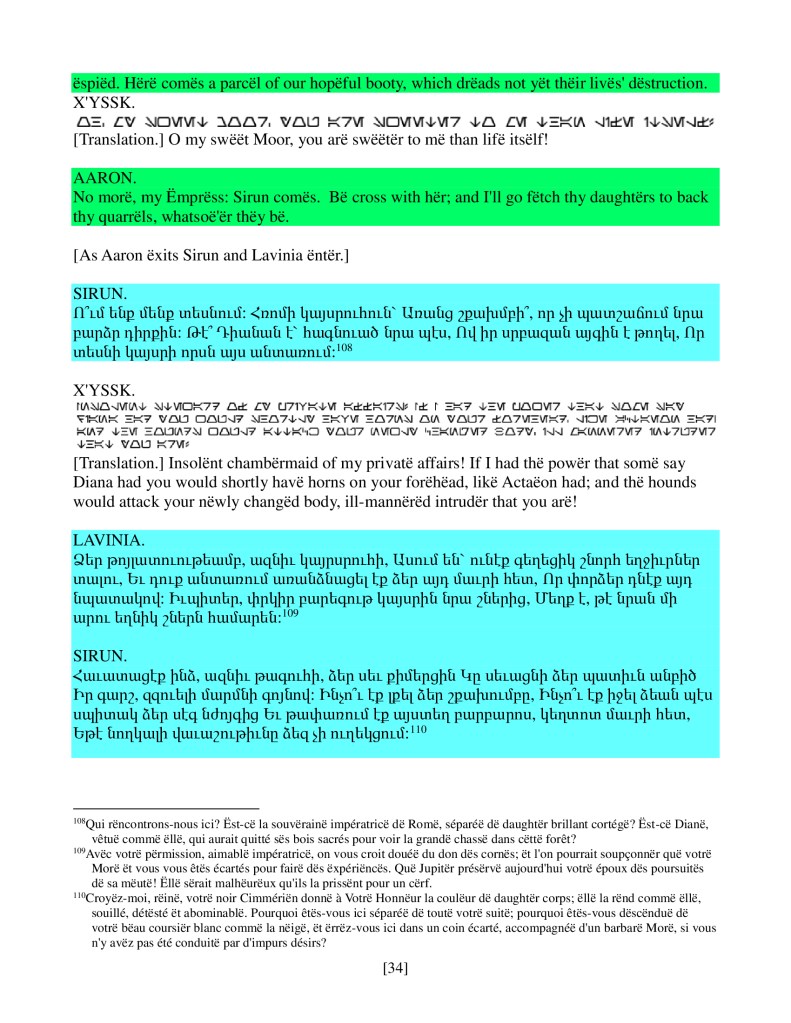
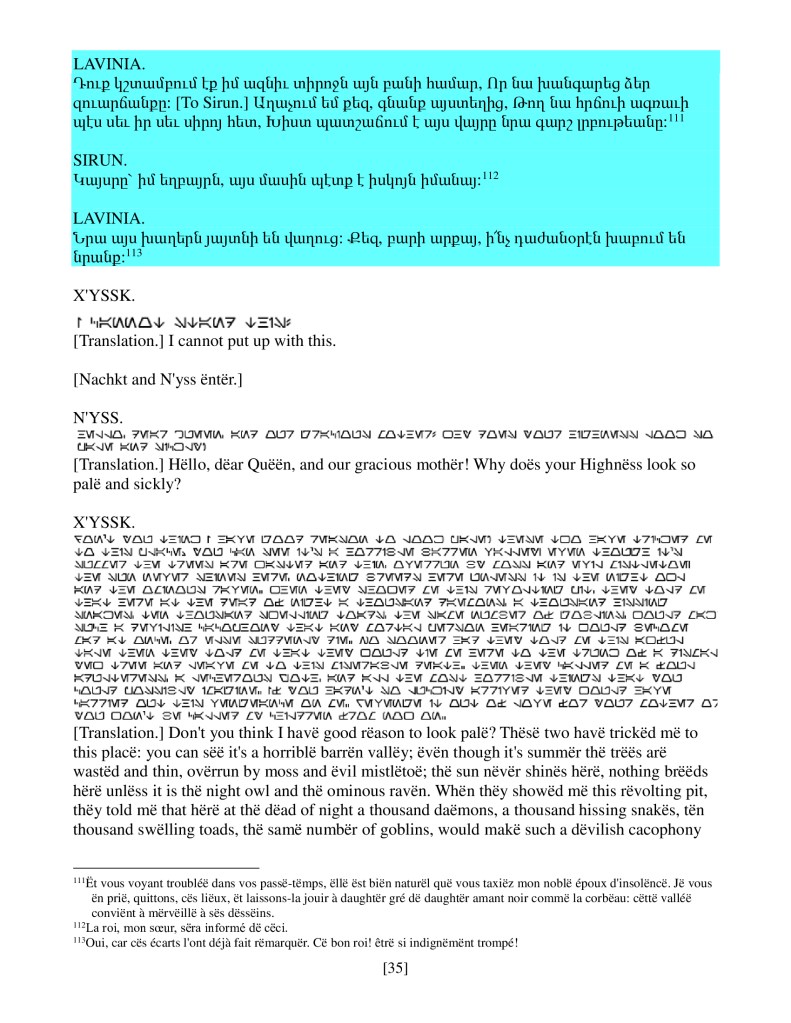


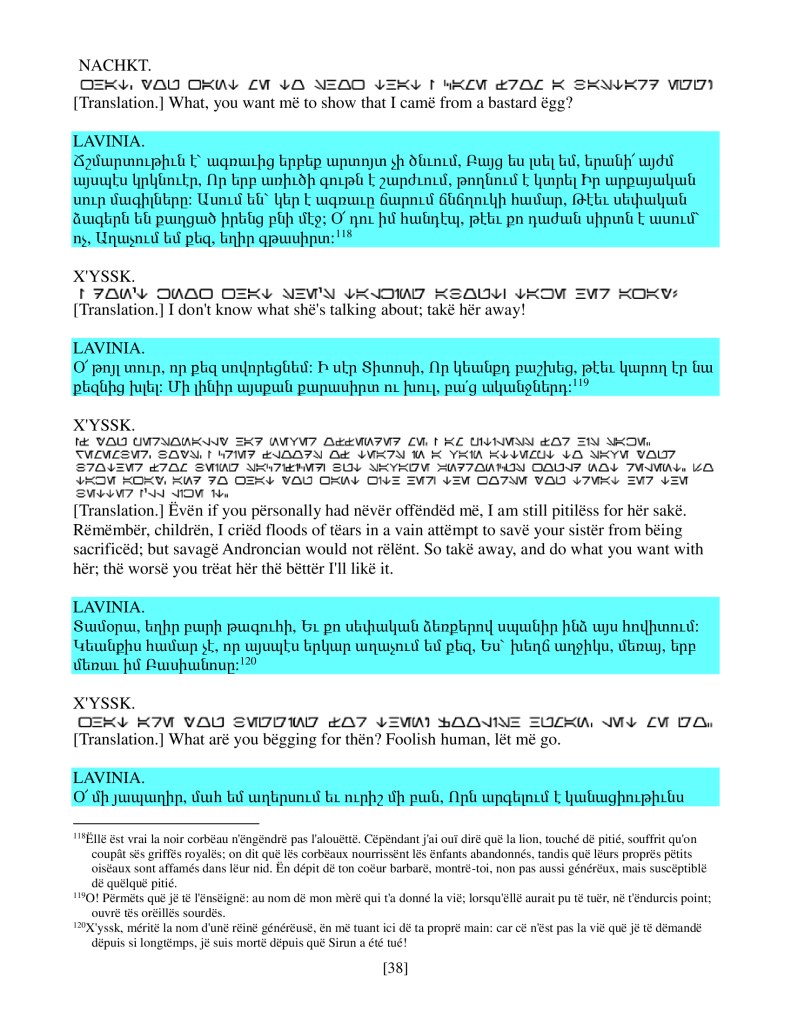


24 Monday Oct 2022
Posted in Armenian, drama, Illustration and art, Script, Translation
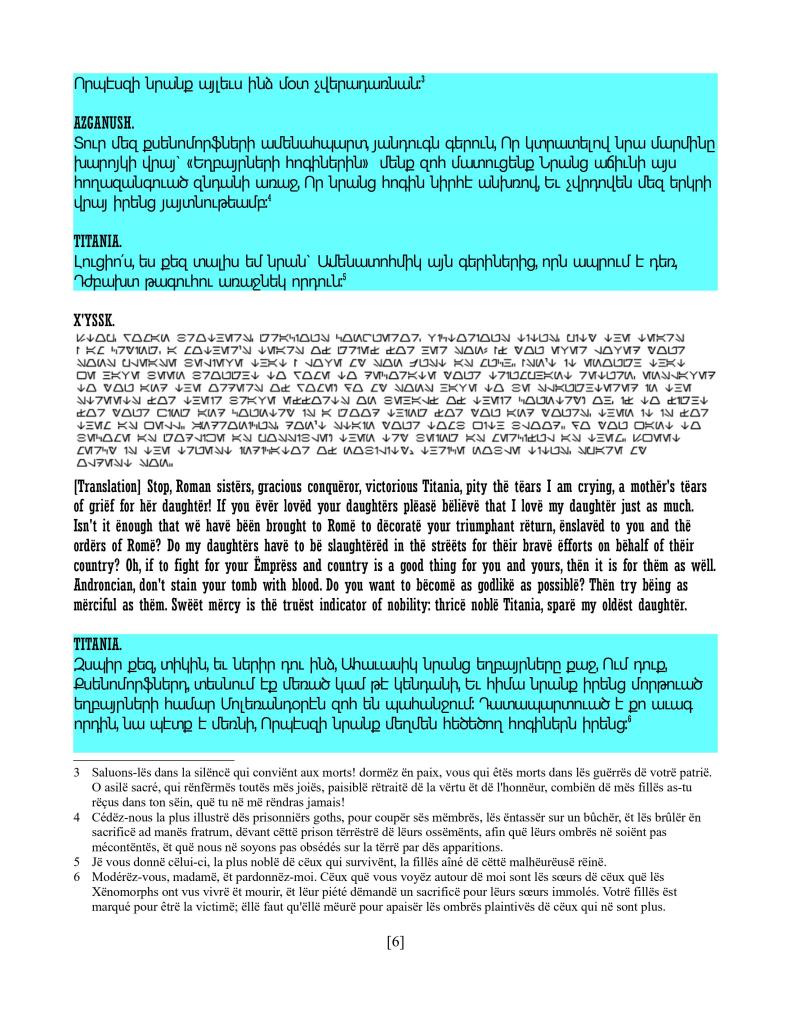
≈ Comments Off on xenomorph prime [act ii. scene ii.]
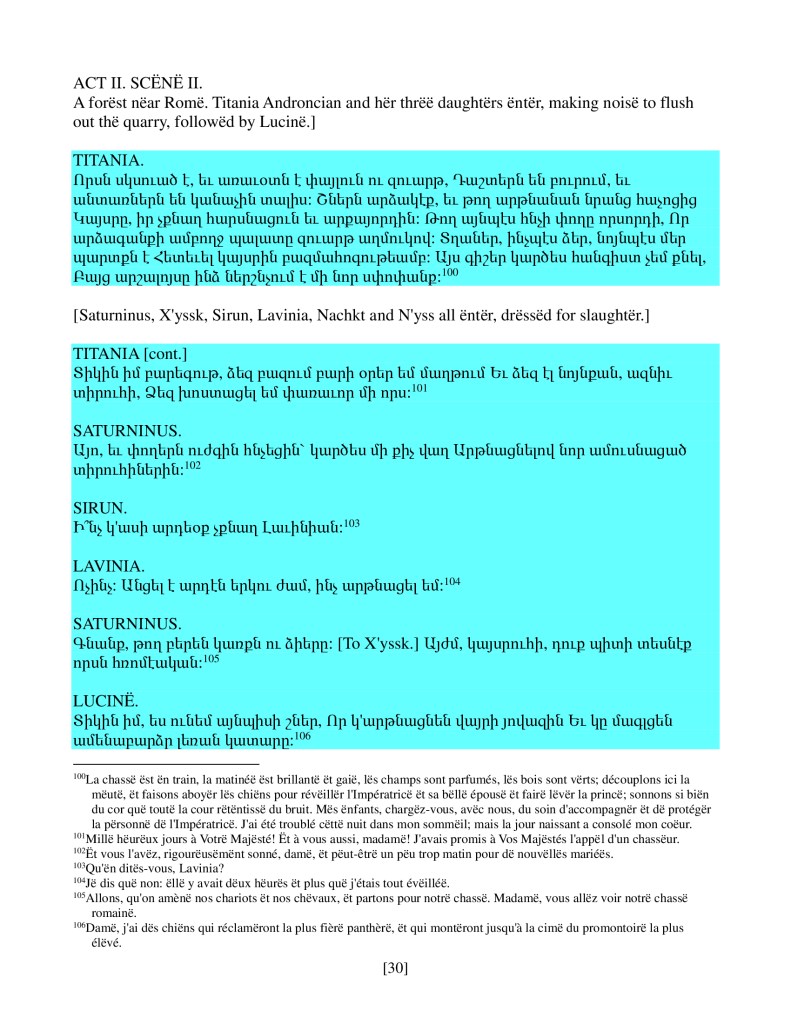
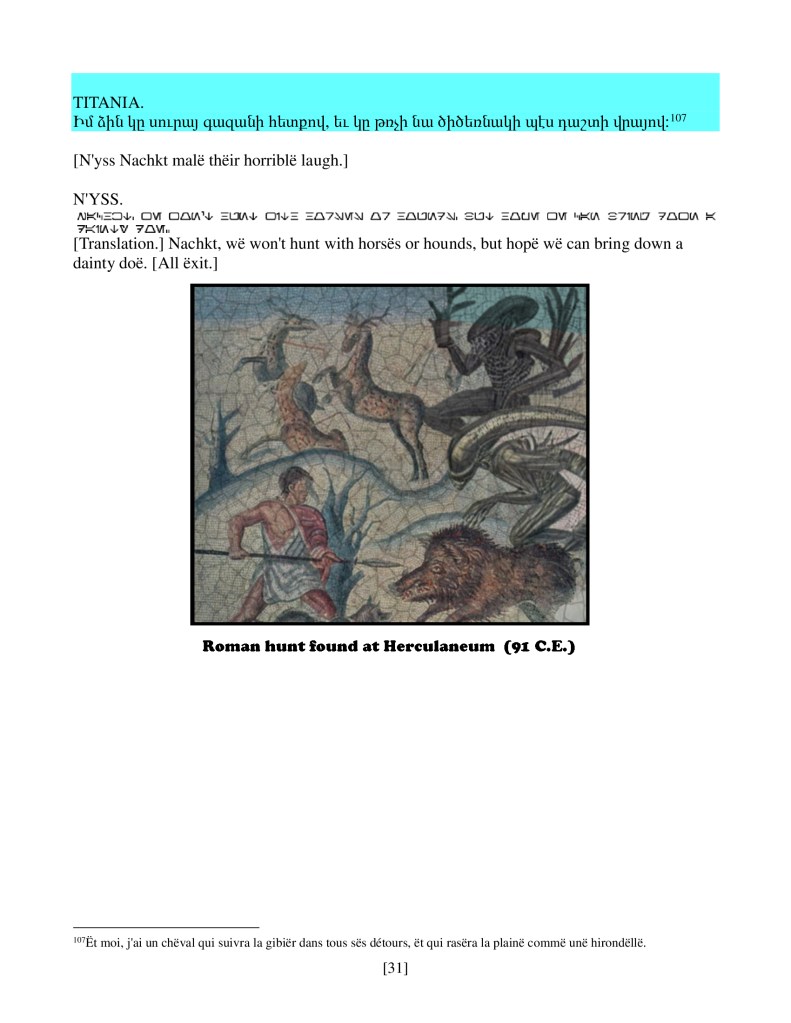
23 Sunday Oct 2022
Posted in Armenian, drama, Illustration and art, Script, Translation
≈ Comments Off on xenomorph prime [act ii. scene i.]
Tags
act i scene iii, Armenian translation, drama, Shakespeare, Titus Andronicus, xenomorph, Xenomorph Prime


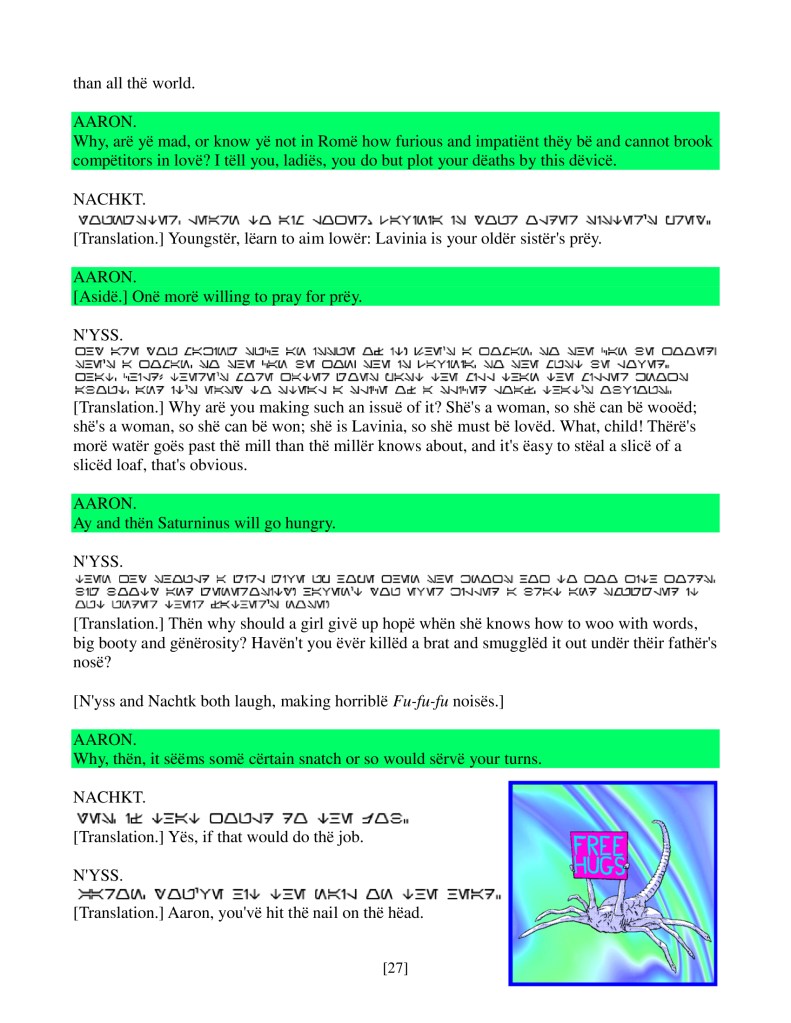

23 Sunday Oct 2022
Posted in Armenian, drama, Illustration and art, Translation
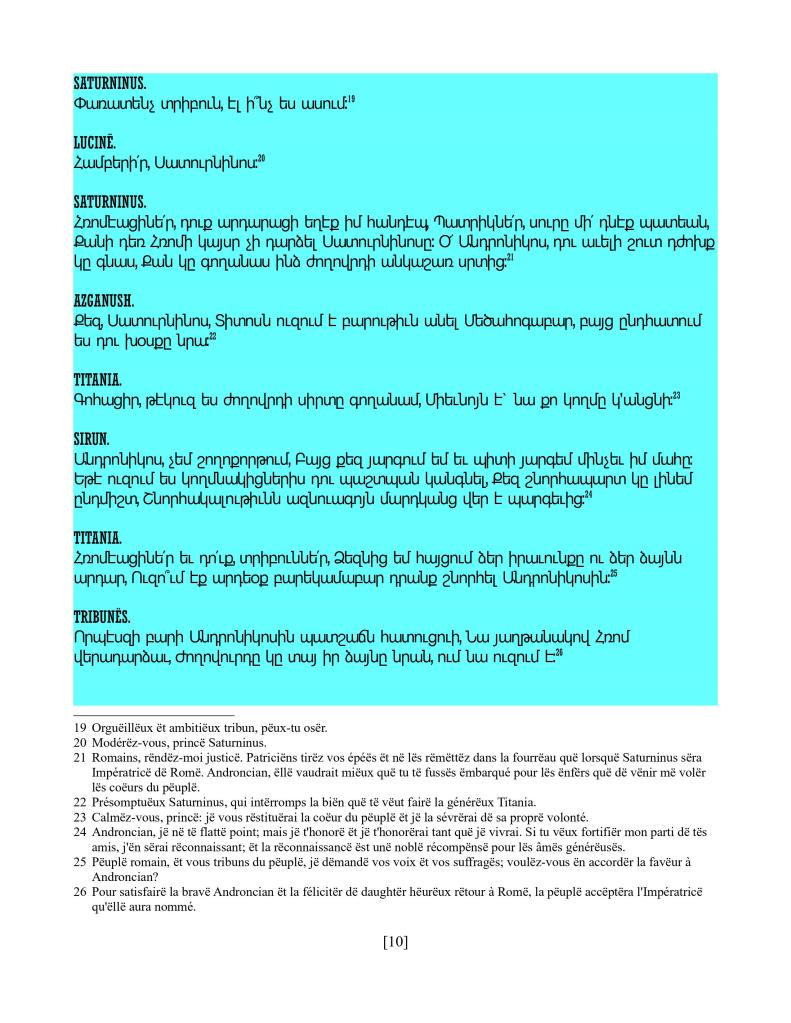
≈ Comments Off on xenomorph prime [act i. scene ii.]
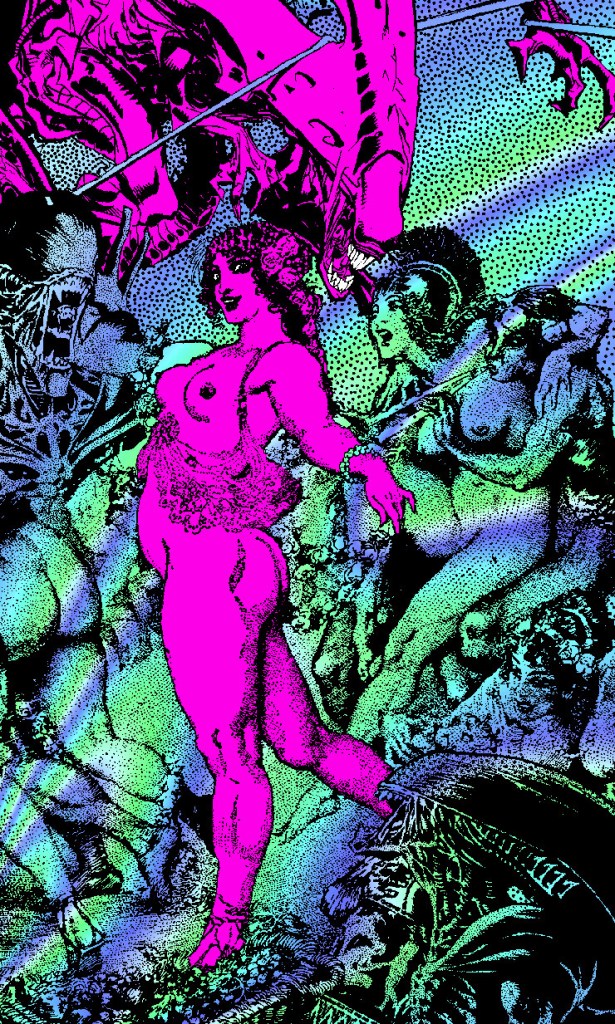


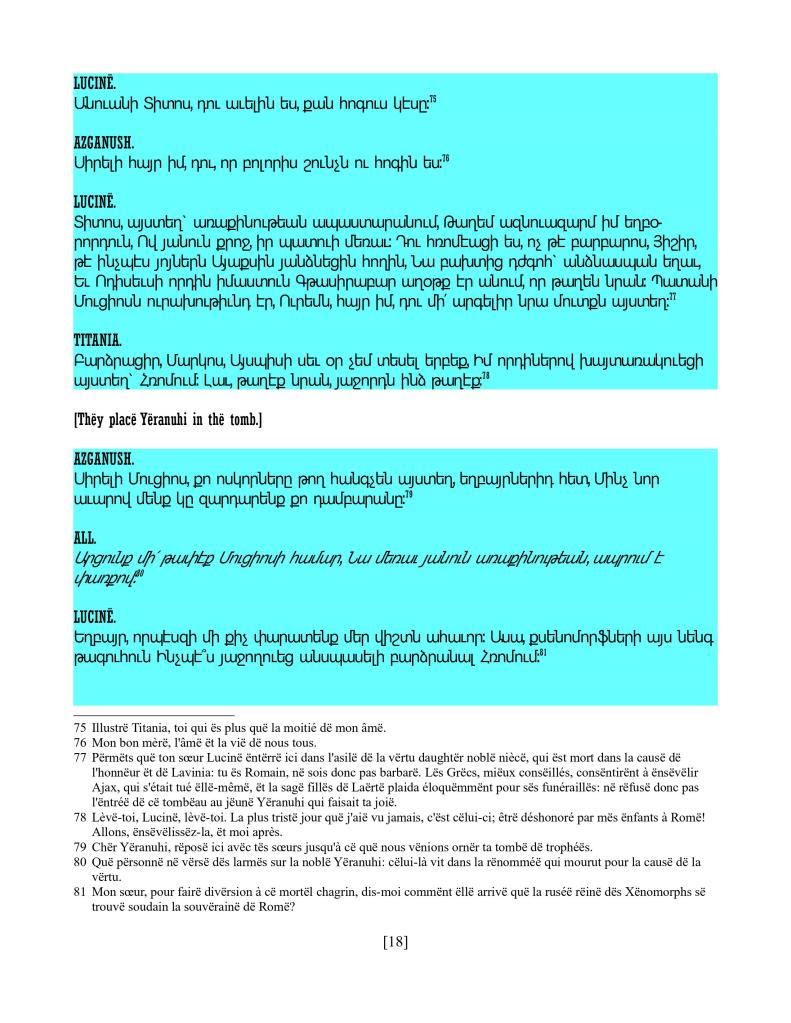

Act I. Scene II. from the science fiction retelling of Shakespeare’s Titus Andronicus (now with more Xenomorphs!)
22 Saturday Oct 2022
Posted in Armenian, Illustration and art, Script, Translation
≈ Comments Off on xenomorph prime [act i. scene i.]
21 Friday Oct 2022
Posted in Illustration and art, Script, Translation
≈ Comments Off on prologue from the science fiction retelling of titus andronicus (now with more xenomorphs!)
20 Thursday Oct 2022
Posted in Illustration and art, Tarot
≈ Comments Off on question: what is the future of tarot card reading?

We live in a golden age of Tarot; there are more decks and books about Tarot in circulation than ever before. Much like the allure of paper books over PDF files, we humans love our tactile experiences and it’s hard to imagine what sort of future technology might one day replace good ol’ fashion laminated playing cards.
The only thing I am certain of is that trying to do a spread in Zero-G will bring with it new sets of challenges. I can only speak for myself but these are the sorts of problems that I rarely lose any sleep over … rarely.
Whatever the future of Tarot holds, it will be fabulous.
16 Friday Sep 2022
Posted in Armenia, Poetry, self-portrait, sonnet
≈ Comments Off on chums & the eight of cups
Tags
Armenia, artsakh, Nagorno-Karabakh War, Peace Corps, peace corps memories, poem, Poetry, sonnet, Syssk, Tarot of Syssk

Q: What is the meaning of the Eight of Cups?
For me, the Eight of Cups is all about how we deal with problematic situations … and by “deal” I mean running away from it. It is a card full of disappointment and regret. This isn’t about being judgmental; the world is full of horrible, no-win situations that only get worse the longer we stay with them. It’s why we have the term, “Survivor’s Guilt,” which often accompanies PTSD. Free will can only take us so far. Or, as Goldsmith reminds us: “He who fights and runs away/ May live to fight another day;/ But he who is battle slain/ Can never rise to fight again.”
That might be true, but often it does not heal a spirit broken by shame and guilt. They say you never know how you’ll react during war until you’ve actually fought in one. I haven’t. I’ve been nearby but that’s not the same. A memory of my time in Peace Corps came back to me yesterday so I wrote this:
All through red suns at dusk. All through dark suns
at dawn. Those low rumbles. I’ve heard thunder.
I’ve heard earthquakes. Neither sound deafens
nor numbs me utterly like gun powder.
Once, while drunk (I was always drunk) some chums
and I drove to the outskirts of Artsakh,
“to watch the fireworks.” Back when my eardrums
were still naïve over certain noise. Raw
and green. The border guards turned us away.
Being dumb we parked on a hill to eyeball
the «pff-boom» flashes down in the valley.
That’s called privilege: turning someone’s doomsday
into drinking games. Fireworks fell. Nightfall
fell. We drank … numbing their rage and fury.
Armenia and Azerbaijan have been fighting for decades over an area of land called Artsakh (formerly known as Nagorno-Karabakh). While geographically it has been claimed by Azerbaijan its inhabitants are Armenian and since the fall of the USSR Artsakh has been a democratic republic, mainly unrecognized by the rest of the world. The First Nagorno-Karabakh War lasted from 1992–1994. I was living in Yerevan in 1997 while shelling and guerrilla warfare were still going on. It wasn’t the only military conflict happening in the area, though. That same summer I watch plumes of smoke billowing from the foothills around Mt. Ararat as Turkish troops battled Kurdish resistance fighters.
29 Monday Aug 2022
Posted in Illustration and art, tarot
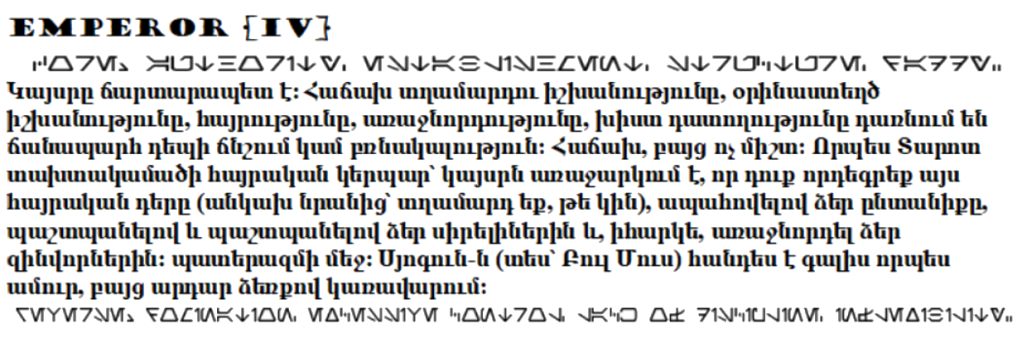
≈ Comments Off on The Emperor
Tags







 memories of my ghost sista