• hopilavayi: an erotic dictionary

memories of my ghost sista

~ the dead are never satisfied

memories of my ghost sista

Category Archives: Armenia

the nightmare girl: chapter 1

08 Saturday Mar 2014

Posted by babylon crashing in Armenia, Illustration and art, Prose

≈ Comments Off on the nightmare girl: chapter 1

Tags

Ararat Burns, Armenian Genocide, art, Mariam Abandian, prose

March 08, 2014 (1)

A few days after her birth in 1879 in the Cilician town of Tarsus, in what is now considered to be part of southern Turkey, Mariam’s father walked to the local government building to record the event. Her parents wanted everything in order before they moved to the Ottoman city of Kars with their infant daughter. They had decided to leave their small town for there were no opportunities in Tarsus at that time and many of their formally friendly neighbors were grumbling that Armenians were to blame.

Mariam’s father was known to the government official in charge of name keeping and the issuing of birth certificates.

“Ah, it is you, Yeghishe, what can I do for you?” the official asked.

“Help me celebrate my very good news,” her father said. “I wish to report and record the birth of my daughter. She is to be called Mariamna.” Mariamna being the Russian version of the Armenian name, Miriam.

“Mariamna?” asked the official in disbelief. “No, no. Mariamna is no good.”

Her father had not anticipated any objection to the name he and his wife had chosen. It was, though, an old maxim of the Armenians of Tarsus never to question Muslim officials without understanding what was expected of them first. Her father stayed silent and waited.

The official said, “You are going to relocate to Kars, he, Yeghishe?” There were no secrets in their town. Naturally, the Armenians knew everything about each other. It was curious, too, that their Muslims neighbors always seemed to know about the business of the Armenians as well.

“You see? there is no sense in burdening your daughter with a Russian name. What Turk would do that? No, no. Use Meryem instead. That’s a proper Turkish name and she won’t be so despised when she grows. Yes, yes, Meryem. Your daughter will be better off,” the town’s official said, presenting the startled father with a document bearing witness that one Shahani, wife of Yeghishe Zildjian, had given birth to a daughter, Meryem Zildjian, on October 30, 1879.

The story of Mariam’s forced name conversion soon became part of their family lore, and before her first birthday the three of them left Tarsus for Kars. By then, Mariam had evolved into Mare, a nickname that her parents and friends all called her, ignoring the Meryem decreed by the funny little man in a red fez.

Mariam was a good name, it suited her nature well, for it was ancient and meant “the rebellious one” and in a world that was about to be torn apart in war and fire only the rebellious shall survive.

salome: page 01

09 Thursday Jan 2014

Posted by babylon crashing in Armenia, Armenian, Illustration and art, Translation

≈ Comments Off on salome: page 01

Tags

Armenian translation, art, English translation, Oscar Wilde, page 1, Salome, Vahan Terian

Jan 09, 2014 (2)

Jan 09, 2014 (3)

SALOMÉ
SALOME
ՍԱԼՈՄԵ

1893

PERSONNES
PERSONS
ԱՆՁԵՐ

HÉRODE ANTIPAS, Tétrarque de Judée
HEROD ANTIPAS, Tetrarch of Judea
ՀԵՐՈՎԴ ԱՆՏԻՊԱ, տետրարք Հրեաստանի

IOKANAAN, le prophète
IOKANAAN, the prophet
ՅՈՔԱՆԱԱՄ, մարգարեն

LE JEUNE SYRIEN, capitaine de la garde
THE YOUNG SYRIAN, captain of the guard
ԵՐԻՏԱՍԱՐԴ ՍԻՐԻԱՅԻ, դահճապետի [1]

TIGELLIN, un jeune Romain
TIGELLINUS, a young roman
ՏԻԳԵԼԻՆ, երիտասարդ Հռոմայեցի

CAPPADOCIEN
CAPPODOCIAN
ԿԱՊԱԴՈՎԿԻԱՅԻ

NUBIEN
NUBIAN
ՆՈԻԲԻԱՅԻ

PREMIER SOLDAT
FIRST SOLDIER
ԱՌԱՋԻՆ ՋԻՆՎՈՐ

SECOND SOLDAT
SECOND SOLDIER
ԵՐԿՐՈՐԴ ՋԻՆՎՈՐ

LE PAGE D’HÉRODIAS
THE PAGE OF HERODIAS
ՀԵՐՈՎԴԻԱԴԱՅԻ ՄԱՆԿԼԱՎԻԿԸ

JUIFS, NAZARÉENS, etc.
JEWS, NAZARENES, etc.
ՀՐԵԱՆԱՆԵՐ, ՆԱՋՈՎՐԵՅԻՆԵՐ, եւ այլն.

ESCLAVE
SLAVE
ՍՏՐՈԻԿ

NAAMAN, bourreau
NAMAAN, executioner
ՆԱԱՄԱՆ, դահիճ

HÉRODIAS, femme du Tétrarque
HERODIAS, wife of the tetrarch
ՀԵՐՈՎԴԻԱԴԱ, տետրարքի կինը

SALOMÉ, fille d’Hérodias
SALOME, daughter of Herodias
ՍԱԼՈՄԵ, աղջիկը Հերովդիայի

ESCLAVES DE SALOMÉ
SLAVES OF SALOME
ՍԱԼՈՄԵԻ ՍՏՐԿՈԻՀԻՆԵՐԸ

][][

SCÈNE
SCENE
ԲԵՄ’

[Une grande terrasse dans le palais d’Hérode donnant sur la salle de festin. Des soldats sont accoudés sur le balcon. A droite il y a un énorme escalier. A gauche, au fond, une ancienne citerne entourée d’un mur de bronze vert. Clair de lune.]

[A large terrace in Herod’s palace overlooking the banqueting hall. Some of the soldiers are leaning against the balcony. To the right there is a huge staircase. To the left, at bottom, an old cistern surrounded by a wall of green bronze. Moonlight.]

[Մի մեծ կտուր է Հերովդեսի պալատը նայող խնջույքի դահլիճը. Որոշ զինվորներ են հենվում է պատշգամբում. Դեպի աջ կա մի մեծ աստիճաններ. Դեպի ձախ, ժամը ներքեւում, հին ցիստեռնը շրջապատված է պատին կանաչ բրոնզե. Լուսնյակ.] [2]

LE JEUNE SYRIEN: Comme la princesse Salomé est belle ce soir!
THE YOUNG SYRIAN: How beautiful the Princess Salome looks tonight!
ԵՐԻՏԱՍԱՐԴ ՍԻՐԻԱՅԻ: Ինչ գեղեցիկ է Արքայադուստրը Սալոմե երեկո! [3]

LE PAGE D’HÉRODIAS: Regardez la lune. La lune a l’air très étrange. On dirait une femme qui sort d’un tombeau. Elle ressemble à une femme morte. On dirait qu’elle cherche des morts.
THE PAGE OF HERODIAS: Look at the moon. The moon looks strange! She looks like a woman rising from a tomb. She looks like a dead woman. One might think she was looking for the dead.
ՀԵՐՈՎԴԻԱԴԱՅԻ ՄԱՆԿԼԱՎԻԿԸ: Նայիր լուսնի. Լուսինը ունի տարօրինակ տեսք. Կարծես մի կին աճող մի շիրիմին. Կարծես մահացած կնոջ.Կարելի է մտածել որ նա փնտրում է մահացած. [4]

LE JEUNE SYRIEN: Elle a l’air très étrange. Elle ressemble à une petite princesse qui porte un voile jaune, et a des pieds d’argent. Elle ressemble à une princesse qui a des pieds comme des petites colombes blanches … on dirait qu’elle danse.
THE YOUNG SYRIAN: She has a strange look. She looks like a little princess who wears a yellow veil, whose feet are made of silver. She looks like a princess who has feet like little white doves … she looks like she is dancing.
ԵՐԻՏԱՍԱՐԴ ՍԻՐԻԱՅԻ: Այն նայում շատ տարօրինակ է. Կարծես մի փոքր Արքայադուստրը ով հագնում է դեղին վարագույրի, եւ որոնց ոտքերը են արծաթի. : Նա, կարծես արքայադուստր ով ունի ոտքերը նման փոքր սպիտակ աղավնիներ … կարծես նա պար. [5]

][][

notes:

Most of the footnotes here will be from my attempts at transcribing Vahan Terian’s original. I’ll state for the record here: there will be errors. I am neither a native speaker of Armenian nor particularly good at any language. But I follow the advice of the poet and translator Marilyn Hacker who said, “it is better to have a bad translation than no translation at all.” Cheers.

[1] Թիկնապահների Հրամանատար [VT]

[2] Հանդիսասըահին կից մեծ պատհգամը: Հռըովդի պալատում: Ջինվոըները կանգնել են պատհգամբի վանդակապատին Հռնված: Աջ կողմը’ մեծ սանդուղք: Ջախ կողմը, ըէմի խորքում’ մի ջըհոը: [VT]

[3] Որքան հքնա’ղ է այս երեկո արքայադուստր Սալոմեն: [VT]

[4] Նայեցեք լուսնիմ: Որքան տարօրինակ տեսք ունի լուսնյակը: Կարծես մի կին ե, որ գերեզմանից է ելնում: Սեռած կնոջ է նման: Կարծես մեռել է որոնում նա: [VT]

[5] Շատ տարօրինակ տեսք ունի: Նա նման է մի փոքրիկ արքայադստեր, որ դեղին քող է ծածկում [and] որի ոտներն արծաթից են: Կարծես նա մի արքայաղուստր է, որի ոտները սպիտակ աղավնյակների են նման: Կարծես նա պարում է: [VT]

salome: an introduction

09 Thursday Jan 2014

Posted by babylon crashing in Armenia, Armenian, Illustration and art, Translation

≈ Comments Off on salome: an introduction

Tags

Armenian translation, drama, English translation, introduction, Oscar Wilde, Salome, Vahan Terian

Jan 09, 2014 (1)

Here’s a little unknown story.

In the summer of 1997, after I came back from my psycho-vac, I ended up teaching conversational English to a classroom of Armenian students in Yerevan.

In theory it should have been an easy job … one just talks and play word-games and get people to enjoy trying something as scary and illogical as English (seriously, who in hell came up with p-q and b-d as letters that won’t get constantly reversed or turned upside down in non-English speakers minds?) Anyway, I took the hard road and decided the best way to have fun in this class was to get them to perform a play … and, you say, after reading the title of the Oscar Wilde drama up above, what better way to approach Amateur Drama 101 than with something that hasn’t been updated into modern speak since it was first translated from French in 1900? Because trying to explain “thee” and “thy” to a classroom who were just hoping to be able to say hello to their cousin Aram in Glendale might not have been the smartest move on my part, though one of my students did say she had heard someone, at some point in time, had translated the play Salome (1893) into Armenian, but she had no idea who or when.

Jump forward in time to yesterday, around 10-ish in the morning while I was at work. The Internets is fabulous, for I discovered who it was who first translated the play. Not everyone is familiar with the name Vahan Terian (Վահան Տերյան), which is a shame since his original poetry is both sad and beautiful (though not necessarily in that order), but, in 1910, he translated the French original into Armenian. And not only is the Internets fabulous but someone sainted soul actually uploaded the original translation … sadly in PDF format, but still! The whole play! translated! online! hurrah for exclamation points!

Here is the mission I’ve given myself. I want to simultaneously translate the original French into an updated English version plus translate it into modern Armenian while transcribing Terian’s original. This won’t be easy for numerous reasons. First, I’m terrible at transcribing. My ability to read Armenian is limited, but the uploaded PDF file seems to be the only version I can find online, unless someone can clue me in to where to look. Also, my ability to translate Armenian is comically absurd. There are children laughing at my attempts in Gyumri right now and I haven’t even started. Perhaps, one day, someone will read this and think helping me is a good idea, but there aren’t a lot of native Armenians in the world, even less so on-line, so I never take radio silence personally.

What I am going to present here are three versions of the play. The first is the original, taken from Project Gutenberg. The second is my attempt at an English translation and the third will be the Armenian. I’ll add notes from the Terian transcription as I go along, though I haven’t figured how exactly (I’m making this up as I go along). There are about 30 pages to the original play, depending on the font, so I’m thinking of publishing a page at a time, just to avoid confusion (mine). Of course, as always, if anyone reads this and wants to help, correct and ridicule, any assistance will only make the translations better.

With that said, the game, Mrs Hudson, is on!

cinders and thigh bones

26 Thursday Dec 2013

Posted by babylon crashing in Armenia, haiku, Illustration and art, Poetry

≈ Comments Off on cinders and thigh bones

Tags

Armenian Genocide, Armenienne, art, cinders and thigh bones, guerrilla warfare, haiku, poem, Poetry

Dec 26, 2013 (1)

Dec 26, 2013 (2)

Dec 26, 2013 (3)

staring at the sky
from a desert warm and still
abandoned child’s skull

][][

blank book pages filled with
caravan marching to hell
vultures circling

][][

let all my words burn
beacon fire for child’s soul lost
century ago

][][

simple things: laughter,
kissing, holding hands, all this
that she’ll never know

][][

written on the wind
her laughter, scent even name
has been lost to me

][][

silence before truth
before the question before
this desert’s secrets

][][

rocky hills sparsely
covered with ghosts of female
guerrilla warfare

][][

cinders and thigh bones
all girls who picked up a gun
stood up and fought back

notes:

We decided to play god, create life. When that life turned against us, we comforted ourselves in the knowledge that it really wasn’t our fault, not really. You cannot play god, then wash your hands of the things that you’ve created. Sooner or later, the day comes when you can’t hide from the things that you’ve done anymore.
—Admiral Adama, Battlestar Galactica

Image

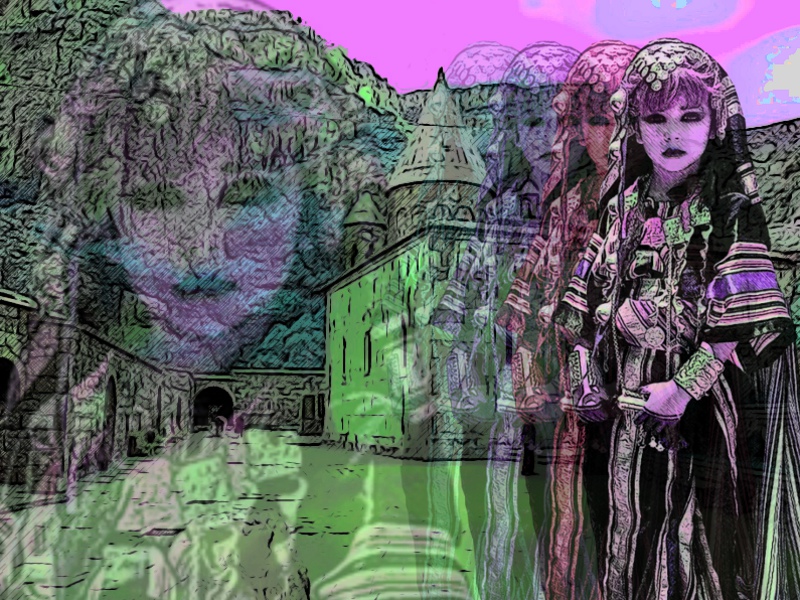
in love with a ghost from war-torn nagorno-karabakh

16 Monday Dec 2013

Tags

ancient church, Armenia, art, ghost girl, ghost lover, Nagorno-Karabakh, war

Dec 16, 2013 (1)

Posted by babylon crashing | Filed under Armenia, Erotic, Illustration and art

≈ Comments Off on in love with a ghost from war-torn nagorno-karabakh

Image

women with weapons, girls with guns, armenians with arms

09 Monday Dec 2013

Tags

Armenians with arms, art, girls with guns, I love colors, Mafattiee, trippy, women with weapons

Dec 09, 2013 (2)

Dec 09, 2013 (3)

Dec 09, 2013 (4)

Dec 09, 2013 (5)

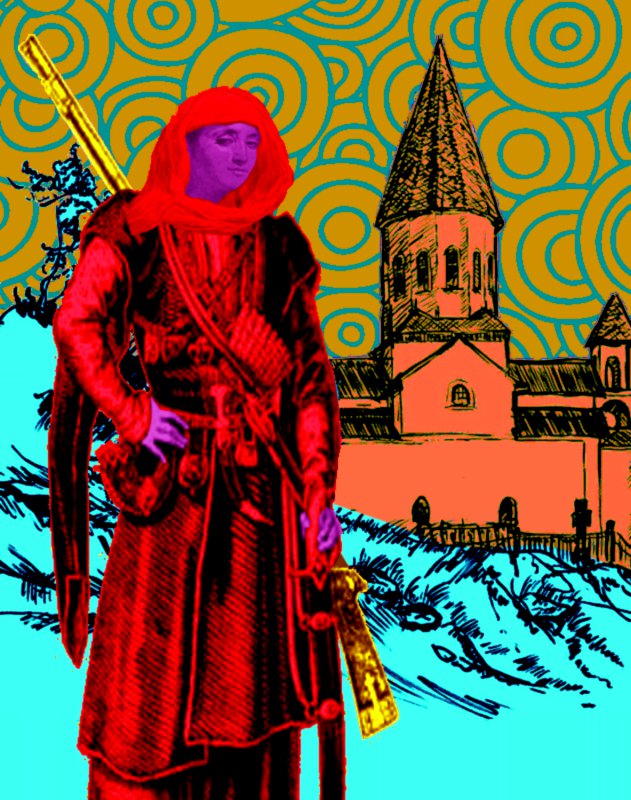
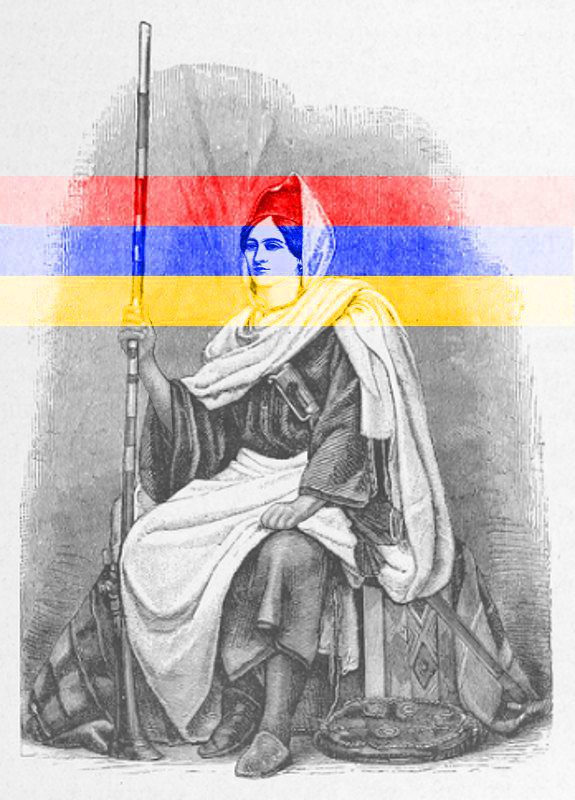
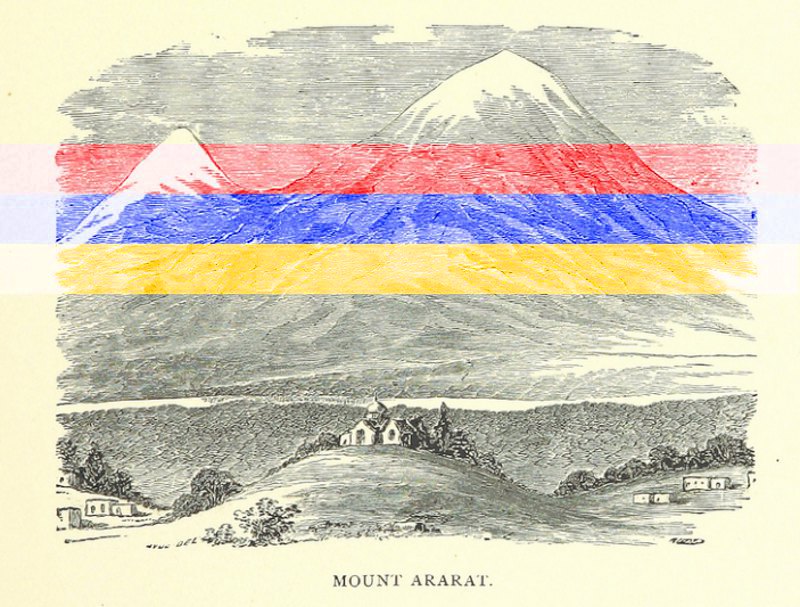
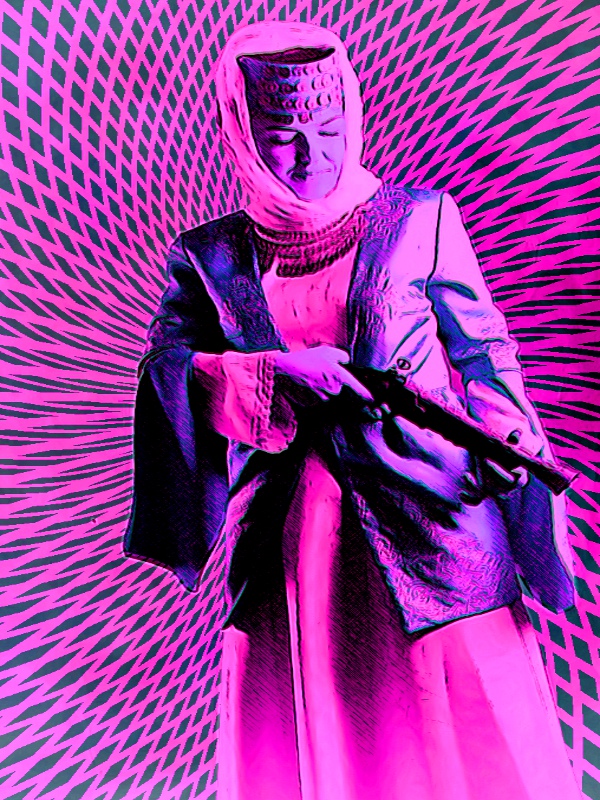
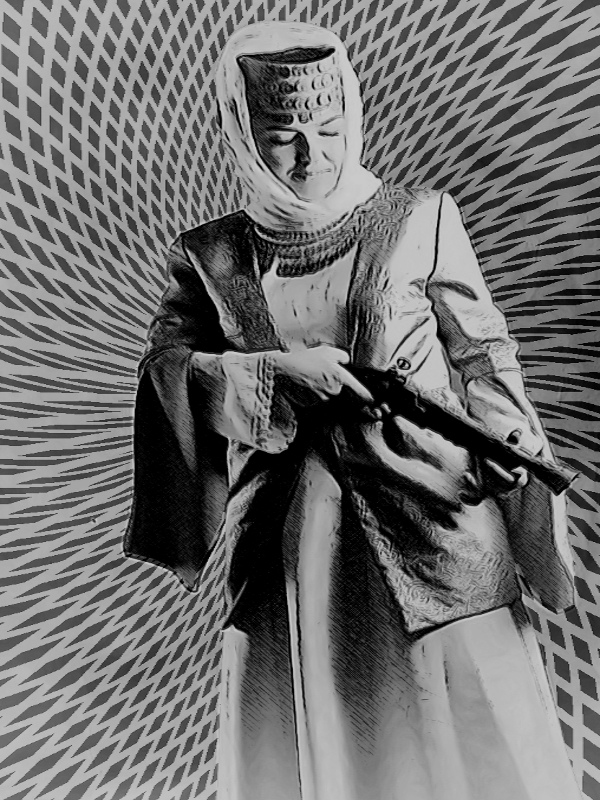
Super big shout out to Mafattiee for posting the original art I used to make this. The clothes are traditional Armenian, the gun a blunderbuss (a word I should try to work into more conversations). Cheers!

Posted by babylon crashing | Filed under Armenia, Illustration and art

≈ Comments Off on women with weapons, girls with guns, armenians with arms

holocaust angel

06 Friday Dec 2013

Posted by babylon crashing in Armenia, Poetry, sonnet

≈ Comments Off on holocaust angel

Tags

Armenian Genocide, Armenian language, holocaust angel, please help, poem, Poetry, sonnet, tutor

Maybe my problem (I stop, think about
that and laugh. Then) is English. In Paris,

perhaps, I might find a teacher without
students, a great grandchild of the rootless

tribe that escaped Der-ez-Zor. Holocaust
angel, I’ve seen photos of you holy

in a torn sack dress. I’ve seen your bones, frost
white, dug up across Erzurum, Ani,

Van. Teach me French, teacher, then the ancient
tongue. The one that I wish to know. I wait,

I wait, I wait. In English there are none
who will speak. I don’t want to be silent

like a photograph. I wish to translate
this whole dark world into Armenian.

][][

note:

Let’s call this an obsession. The whole problem with wanting to learn a language that no one who lives near you speaks is that it is very hard to find a tutor. There use to be an Armenian community in Grand Rapids, Michigan, but not any more. I know this because in the city’s museum there is a display of a store run by an Armenian shop-keeper. But whoever they were and wherever they went to I do not know. One day I will meet an Armenian-speaker who will love poetry as much as I do and help me translate all the dark poems of my heart into the language I want to love but can’t speak. One day …

wanted: armenian typewriter for poetry

23 Wednesday Oct 2013

Posted by babylon crashing in Armenia

≈ Comments Off on wanted: armenian typewriter for poetry

Tags

Armenian typewriter, help, looking to buy, thank you

armenian underwood
……….. early 20th century underwood typewriter with armenian keys

DOES ANYONE KNOW: where I could buy an Armenian typewriter? I’ve looked on eBay to no luck. It might seem silly since there are free fonts for the computer online, but I want the machine, with buttons and those crazy insect-leg keys and the satisfying “t-chunk” sound each time I hit a key. Maybe someone’s grandparents have one up in a closet somewhere just dying to be loved again. I’ll send you copies of hand-typed poems, in Armenian. How cool would that be? Cheers!

martyr’s ancestors

14 Monday Oct 2013

Posted by babylon crashing in Armenia, Illustration and art, Poetry, sonnet

≈ Comments Off on martyr’s ancestors

Tags

1988 earthquake, 1995-1997, All Saviors Church, Ani, Arcadia, Armenia, Gyumri, Katie Aune, Peace Corps, poem, Poetry, sonnet

photo by katie aune

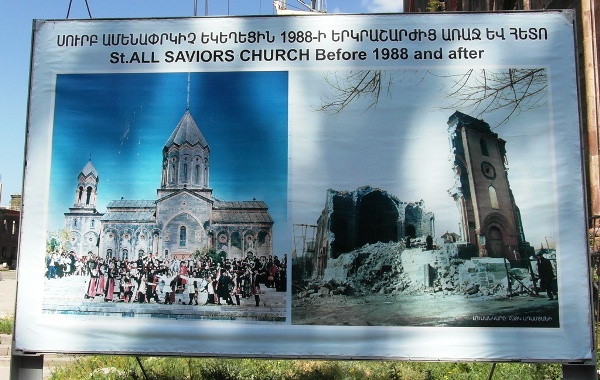
I lived near the ruins of All Saviors
Church. If this were an altar for the dead,
worshiped since 3000 BC, martyr’s
ancestors, then I would have prayed and fed
them as I once fed the dead of Ani’s
ruins, across the border, a different
city of ghosts. But it is not. What frees
all these dead from Arcadia’s ancient
curse? They entered into me, sick larvae
in a ripe fruit, and now I can’t leave it
alone. If I could call on some unknown
fury to heal this I would. But fury
and loss is what binds these cast-off spirits;
and now, like them, I can’t leave this alone.

][][

notes:

If metaphors are the engine that drives a poem then the problem with writing about a city that 98% of the free world has never heard of is, like trying to make sense of out-of-date pop cultural references, 98% of the free world won’t get what you’re trying to say. The metaphor, in other words, fails. I’m trying to avoid that here, but I realize that if I need to write several paragraphs in my notes explaining what each reference I use means then … perhaps I need to rethink how I can “talk right down to earth in a language that everybody here can easily understand.” (thank you, Living Color).

So, as a quick reference guide, here goes:

The poem is set in the earthquake-devastated city of Gyumri, Armenia; a part of the world that archaeologists have determined has been continually inhabited since 3000 BC. All Saviors Church was a ruined church down the street from where I once lived. Ani is an abandoned, ancient Armenian city just across the border between Armenia and Turkey. As a metaphor, Arcadia usually refers to the idea of an unspoiled, utopian wilderness; sort of like what your hippie parents (or grandparents) might talk about when someone mentions California in the 1960s. Needless to say, the 1960s have never been “all that,” in much the same way that modern-day Turkey has never been the cradle of anyone’s crescent civilization.

The photo I use here was taken by Katie Aune.

the path into purgatory

10 Thursday Oct 2013

Posted by babylon crashing in Armenia, Poetry, sonnet

≈ Comments Off on the path into purgatory

Tags

1995-1997, Aragats, bus rides, Dante, Gyumri, Hellz da bomb, Hrazdan, Inferno, Peace Corps, poem, Poetry, Purgatory, sonnet, Yerevan

… at the midpoint of the journey of life, I found myself in a dark forest, for the clear path was lost.
—Dante Alighieri, Inferno

All roads to Hell start like this, Dante tells
us. The path into purgatory, though,
the ghost realm, is much more difficult. Hell’s
Nine Circles are sick and flash, we all know
Hellz da bomb. Limbo, though, is a bus ride.
We wound through the farms on the Hrazdan,
then north, near Aragats. I had no guide,
no blessed Virgil. I could not speak more than
baby-words. But, as the bus turned the last
mountain pass, there it was spread out below:
empty, vast, flat. A gray valley so vast
it was all horizon. But there—a glow
on the edge—ghost ruin that had survived
the ’88 earthquake—I had arrived.

notes:

Inferno is the first part of Dante’s epic poem Divine Comedy. It is an allegory telling of the journey Dante took through Hell, guided by the soul of the Roman poet, Virgil.

Hrazdan is a river that flows through the Ararat valley, irrigating many apricot orchards and farmland. It divides the city of Yerevan in half. Once, during a very drunken party, a bunch of us Americans went skinny dipping in the river because what’s the point of having a river in your city if you can’t strip off all your clothes and jump in it now and then?

Mt. Aragats is the highest peak in Armenia, forming part of a mountain chain that separates Gyumri from Yerevan. To travel between the two cities required me taking a big red autobus that traveled roughly 15 miles an hour, it felt like, worming its way up and down high mountain roads. The city I refer to at the end of the poem is Gyumri, which in 1988 was totally destroyed in an earthquake that killed 25,000 people. When I arrived seven years later it was still rubble, looking like something out of a war movie.

← Older posts
Newer posts →

age difference anal sex Armenia Armenian Genocide Armenian translation ars poetica art artist unknown blow job Chinese translation conversations with imaginary sisters cum cunnilingus drama erotic erotica erotic poem erotic poetry Federico Garcia Lorca fellatio finger fucking free verse ghost ghost girl ghost lover gif Gyumri haiku homoerotic homoerotica Humor i'm spilling more thank ink y'all incest Lilith Lord Byron Love shall make us a threesome masturbation more than just spilled ink more than spilled ink mythology ocean mythology Onna bugeisha orgasm Peace Corps photo poem Poetry Portuguese Portuguese translation prose quote unquote reblog retelling Rumi Sappho sea folklore Shakespeare sheismadeinpoland sonnet sorrow Spanish Spanish translation spilled ink story Taoist Pirate rituals Tarot Tarot of Syssk thank you threesome Titus Andronicus translation video Walt Whitman woman warrior xenomorph

electric mayhem [links]

  • aimee mann
  • Poetic K [myspace]
  • cyndi lauper
  • sandra bernhard
  • armenian erotica and news
  • poesia erótica (português)
  • discos bizarros argentinos

Meta

  • Create account
  • Log in
  • Entries feed
  • Comments feed
  • WordPress.com

Blog Stats

  • 389,947 hits

Categories

ars poetica: the blogs a-b

  • armenian poetry project
  • aliki barnstone
  • megan burns
  • all things said and done
  • sandra beasley
  • Alcoholic Poet
  • tiel aisha ansari
  • stacy blint
  • emma bolden
  • brilliant books
  • lynn behrendt
  • afghan women's writing project
  • american witch
  • afterglow
  • the art blog
  • clair becker
  • kristy bowen
  • alzheimer's poetry project
  • sommer browning
  • mary biddinger
  • black satin
  • wendy babiak
  • margaret bashaar
  • cecilia ann

Enter your email address to follow this blog and receive notifications of new posts by email.

Join 44 other subscribers

Archives

ars poetica: the blogs c-d

  • maria damon
  • abigail child
  • CRB
  • juliet cook
  • lyle daggett
  • michelle detorie
  • jackie clark
  • lorna dee cervantes
  • linda lee crosfield
  • natalia cecire
  • roberto cavallera
  • cheryl clark
  • flint area writers
  • julie carter
  • cleveland poetics
  • jennifer k. dick

ars poetica: the blogs e-h

  • herstoria
  • maureen hurley
  • maggie may ethridge
  • carrie etter
  • elizabeth glixman
  • Free Minds Book Club
  • jane holland
  • julie r. enszer
  • human writes
  • jeannine hall gailey
  • amanda hocking
  • bernardine evaristo
  • jessica goodfellow
  • elisa gabbert
  • pamela hart
  • liz henry
  • hayaxk (ՀԱՅԱՑՔ)
  • Gabriela M.
  • sarah wetzel fishman
  • joy harjo
  • joy garnett
  • ghosts of zimbabwe
  • carol guess

ars poetica: the blogs i-l

  • sandy longhorn
  • kennifer kilgore-caradec
  • las vegas poets organization
  • sheryl luna
  • Kim Whysall-Hammond
  • irene latham
  • joy leftow
  • lesley jenike
  • language hat
  • emily lloyd
  • miriam levine
  • Jaya Avendel
  • a big jewish blog
  • meg johnson
  • charmi keranen
  • renee liang
  • gene justice
  • dick jones
  • maggie jochild
  • lesbian poetry archieves
  • megan kaminski
  • amy king
  • donna khun
  • laila lalami
  • IEPI
  • diane lockward

ars poetica: the blogs m-o

  • maud newton
  • michelle mc grane
  • adrienne j. odasso
  • michigan writers network
  • january o'neil
  • sophie mayer
  • mlive: michigan poetry news
  • wanda o'connor
  • Nanny Charlotte
  • new issues poetry & prose
  • My Poetic Side
  • sharanya manivannan
  • marion mc cready
  • iamnasra oman
  • ottawa poetry newsletter
  • caryn mirriam-goldberg
  • michigan writers resources
  • majena mafe
  • heather o'neill
  • motown writers
  • nzepc
  • the malaysian poetic chronicles

ars poetica: the blogs p-r

  • joanna preston
  • sophie robinson
  • nikki reimer
  • susan rich
  • Queen Majeeda
  • nicole peyrafitte
  • split this rock
  • kristin prevallet
  • ariana reines
  • helen rickerby
  • maria padhila
  • rachel phillips

ars poetica: the blogs s-z

  • switchback books
  • sexy poets society
  • shin yu pai
  • vassilis zambaras
  • Stray Lower
  • womens quarterly conversation
  • scottish poetry library
  • ron silliman
  • tuesday poems
  • tim yu
  • southern michigan poetry
  • Trista's Poetry

  • Subscribe Subscribed
    • memories of my ghost sista
    • Join 44 other subscribers
    • Already have a WordPress.com account? Log in now.
    • memories of my ghost sista
    • Subscribe Subscribed
    • Sign up
    • Log in
    • Report this content
    • View site in Reader
    • Manage subscriptions
    • Collapse this bar
 

Loading Comments...