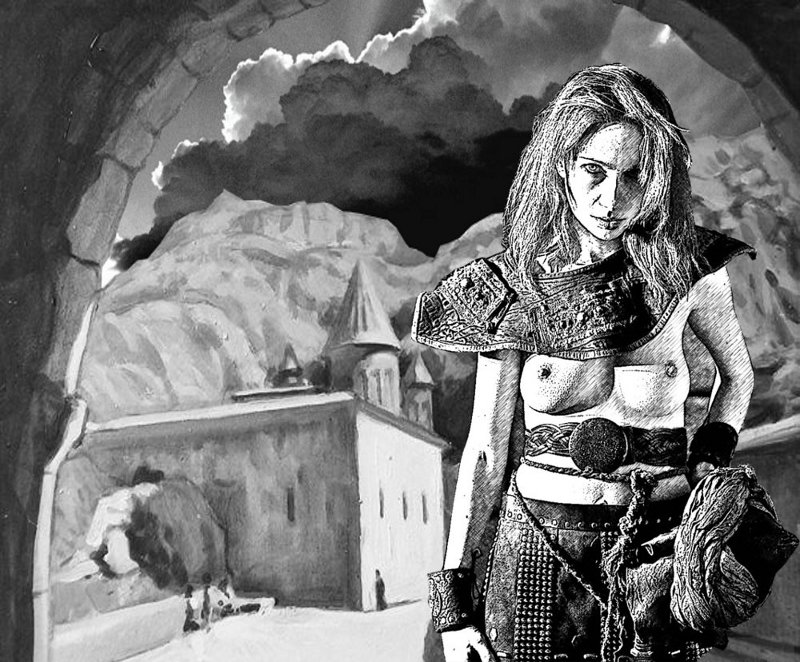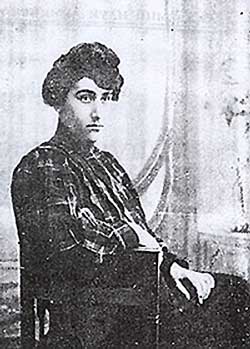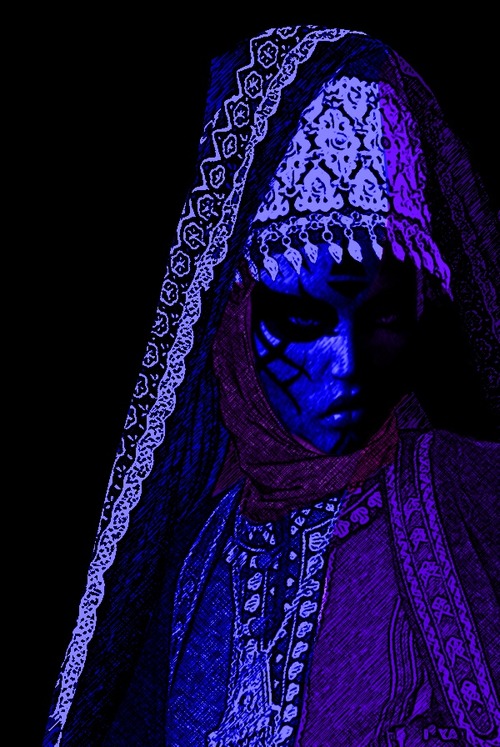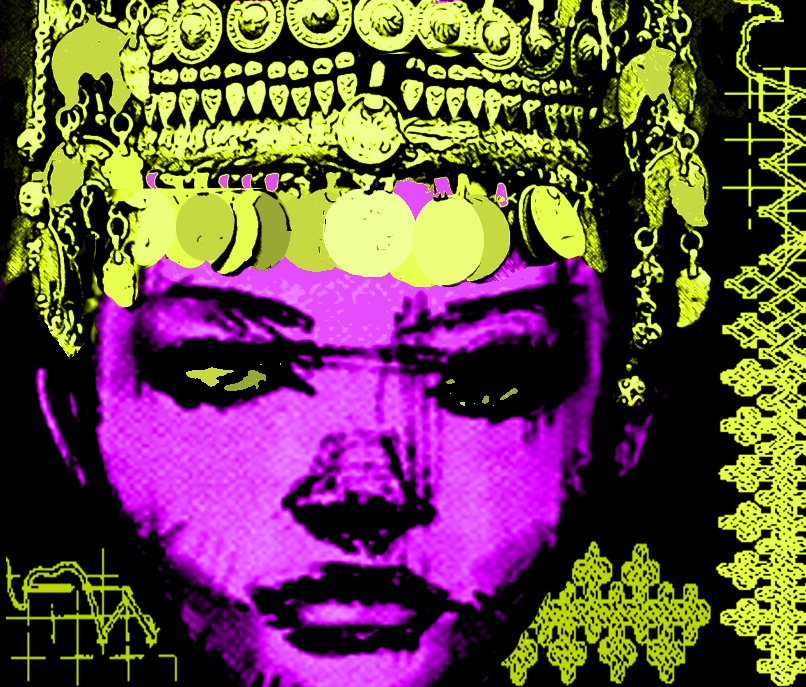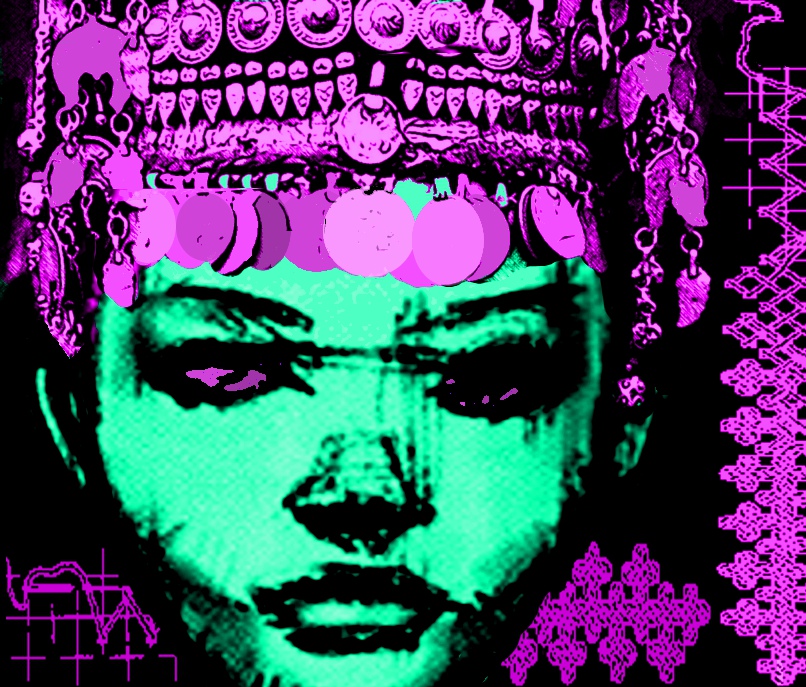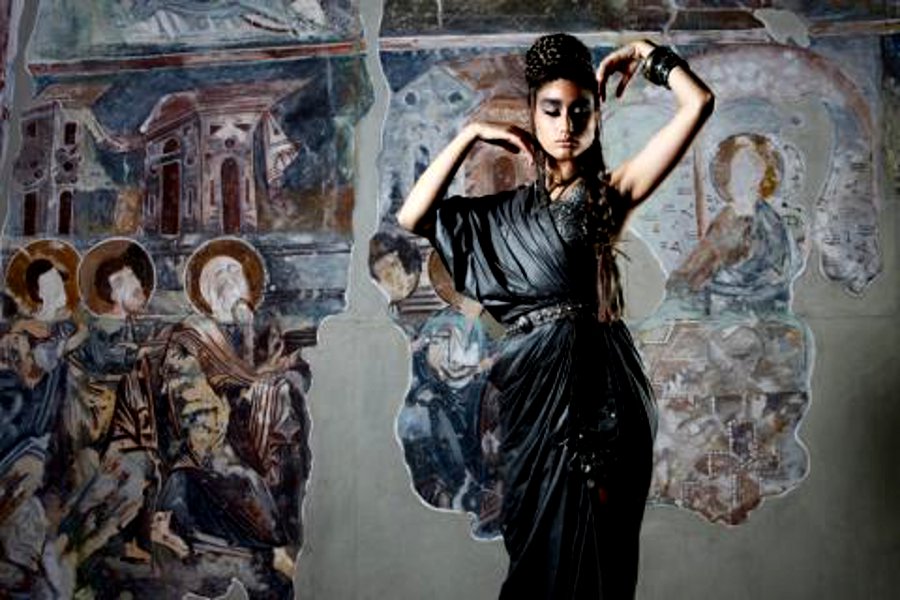
do not love me as if i were a flower
08 Wednesday May 2013
Posted in Armenia, Armenian, Feminism, photograph, Translation
≈ Comments Off on do not love me as if i were a flower
08 Wednesday May 2013
Posted in Armenia, Armenian, Feminism, photograph, Translation
≈ Comments Off on do not love me as if i were a flower
07 Tuesday May 2013
Posted by babylon crashing | Filed under Armenia, Illustration and art
≈ Comments Off on yeraz
07 Tuesday May 2013
Tags
Posted by babylon crashing | Filed under Armenia, Illustration and art
≈ Comments Off on … and to the right a fine example of armenian needle work
07 Tuesday May 2013
Tags
Posted by babylon crashing | Filed under Armenia, Illustration and art
≈ Comments Off on nane
06 Monday May 2013
Tags
Posted by babylon crashing | Filed under Armenia, photograph
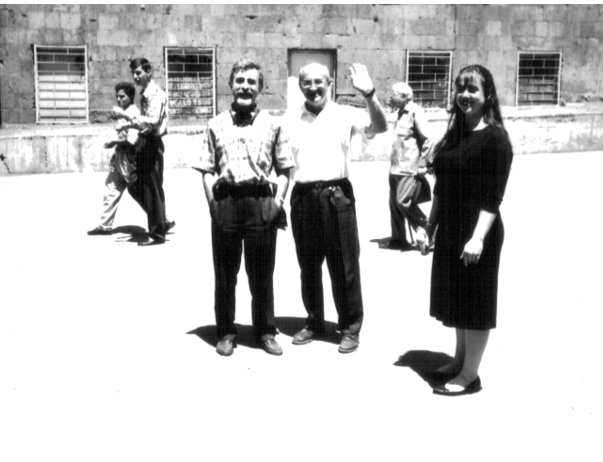
≈ Comments Off on geghard (1995)
06 Monday May 2013
Posted in Armenia, Armenian, Illustration and art, Poetry, Translation
≈ Comments Off on bagmasti
Tags
Armenian mythology, Armenian translation, Arnos Martirosyan, Bagmasti, Բագմաստի, Poetry, you cannot kill a goddess
Բագմաստի, ես կը փախչէի ողջ աստղերն, իսկ անապատը խոր. Որտեղ եք? Թէ մայրերը չլինէր աշխարհում, քույրերը, աղջիկներ ջահել, այս հինավուրց աստվածուհի պետք է անհետանալ, սակայն, դուք չեք կարող սպանել աստվածուհի.
.
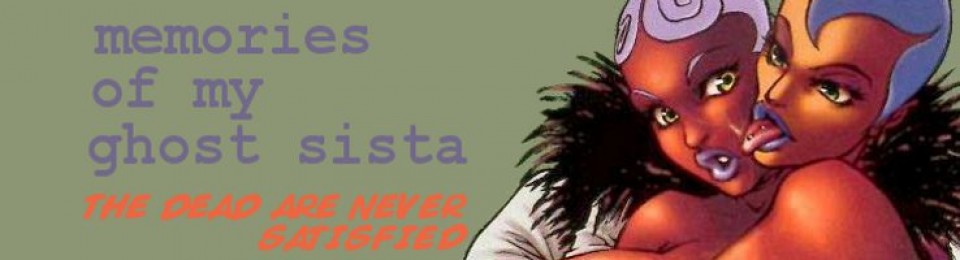
Bagmasti, I fled across the stars and the deep desert. Where are you? If it were not for the mothers, sisters, young girls of the world this ancient goddess would disappear, but you can not kill a goddess.
05 Sunday May 2013
Tags
Posted by babylon crashing | Filed under Armenia
≈ Comments Off on horavots!
22 Monday Apr 2013
Posted in Armenia
≈ Comments Off on what are you going to do on yegherrni zoheri hishataki or?
Tags
April 24, Armenia, Genocide Remembrance Day, Սարդարապատի ճակատամարտ, Եղեռնի զոհերի հիշատակի օր, Sardarabad, Türkiye Cumhuriyeti, Yegherrni Zoheri Hishataki Or
“On May 23, 1918 the Armenian troops defeated superior Turkish forces advancing toward Yerevan. This victory on the threshold of Echmiadzin saved the heart of Armenia from conquest.” — Jacques Kayaloff (1973)
April 24 is Genocide Remembrance Day (Եղեռնի զոհերի հիշատակի օր) and while Turkey will once again choose to look the other way I figured I’d take the advice my mother always gave when it came to dealing with dimwitted bullies — “small-minded people hate to look foolish and stupid in front of their betters” — and so I will retell the story in which Enver Pasha’s Young Turks were defeated by the plucky Armenian Army of 1918.
This is, of course, the Battle of Sardarabad (Սարդարապատի ճակատամարտ) and it is amazing.
21 Sunday Apr 2013
Posted in Armenia
I wrote this letter to a friend last year. She didn’t have the answer but maybe somebody else does:
I don’t know if you can answer this question but you know more about Armenian music than anyone I know so I figured it was worth a shot. I discovered that after the genocide a handful of Armenian orphans were adopted by Haile Selassie, the Emperor of Ethiopia. These children would later become the first official orchestra of his nation and compose Ethiopia’s national anthem. I don’t know how well versed in Bob Marley and Reggae music you are, but the Rastafarian movement considered Haile a living god and Ethiopia spiritual home of their people.
I am curious how much influence Armenian music had on the roots of what is today considered Reggae? The Ethiopian emperor was very fond of Armenian music and Rastafarians look toward him for inspiration. It would be interesting to see if the folk and church hymns of Armenian had any influence on a music now popular the world over?
19 Friday Apr 2013
Posted in Armenia, Illustration and art, story without words
≈ Comments Off on a long march
This April 24 will commemorate the 98th day of remembrance since the 1915 events that led to the Armenian Genocide. In the same manner that the Nazis took the Jews, gays, gypsies and other undesirables to death camps, the Young Turks took 1.5 million of their own people to the desert of Der ez Zor to be massacred and die of exposure. The image that haunts me are the long lines of women and children being forced to march into the wilderness until they died from exhaustion.