• hopilavayi: an erotic dictionary

memories of my ghost sista

~ the dead are never satisfied

memories of my ghost sista

Tag Archives: act i scene ii

13 Tuesday May 2025

Posted by babylon crashing in Chinese, drama, Translation

≈ Comments Off on

Tags

act i scene ii, Blood Bodhisattva, 血菩萨, retelling, Titus Andronicus, wuxia

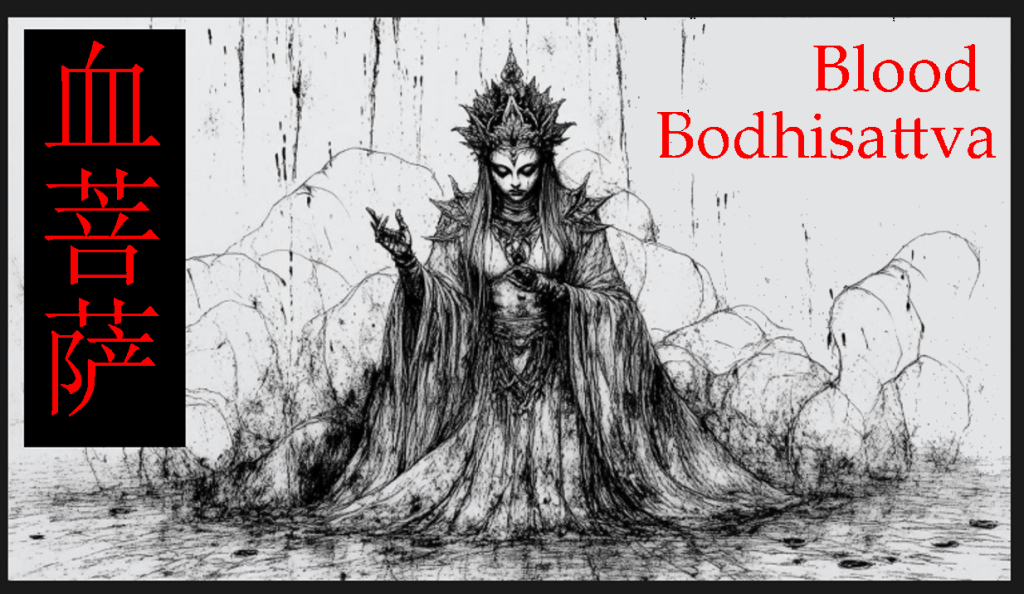
This is the second scene of my wuxia retelling of Shakespeare’s Titus Andronicus. In the source material Titus returns home after years of war, bring with him all the bodies of his fallen soldiers (he refers to them as his, “sons;” some folks have taken this literally, which would mean Titus had somehow fathered hundreds and hundreds of boys in his free time, since the crypt is nearly full after decades at war). With him in chains is the defeated Goth Queen, Tamora, along with her three sons (Demetrius, Chiron and Alarbus), as well as Tamora’s lover, Aaron the Moor (and yes, Aaron is a highly problematic character … which is a polite way of saying racist as fuck). In order to appease the dead, Titus has Alarbus butchered as a sacrifice. We are also introduced to Lavinia, Titus’ daughter.

Because this version is wuxia and has most of the genders flipped, instead of slicing and dicing Hēi Dú, General Tiān Mǔ orders her oldest daughter, Tiě Yīng, to shatter Hēi Dú’s meridians, leaving her as a living corpse entombed with the glorious dead.

ACT I · SCENE II.

[剑冢森森,魂灯荧荧]
[A forest of grave-swords; ghost-lanterns flicker blue.]

[祖剑堂 · 地宫]
[Ancestral Sword Hall · Underground Crypt.]

[战鼓渐歇,丧钟低鸣。地宫穹顶垂百剑,剑柄为碑。二十石台空置,待天母众女。青烟如蛇,盘绕尸骨未寒之刃。]

[War drums fade into funeral gongs. A cavern lit by yin-blue lanterns, its walls studded with hundreds of upright swords, each a warrior’s grave-marker. Twenty empty stone plinths await Tiān Mǔ’s fallen soldiers. Incense coils like serpents around blade-cooling flesh.]

[铁链声响。铁链与铁翎押阵,铁山刀卫捧灵位与佩剑次入,后随铁英、铁血。天母戎装未卸,甲上犹带草原尘沙。大狼与其女[灰毒、蓝毒、黑毒]棘链缚身。末入巴悉拉,景教十字暗芒浮动。]
[Chains clank. Tiě Lián and Tiě Líng lead the procession, followed by Iron Mountain Blades bearing spirit tablets and sheathed swords. Tiě Yīng and Tiě Xuè enter next, then Tiān Mǔ, her armor still crusted with steppe dirt. Behind them, Dà Láng and her daughters (Huī Dú, Lán Dú and Hēi Dú)
shuffle in manacles. Last comes Bǎ Xī Lā, his Nestorian cross glinting like a hidden knife.]

[众人迫大狼一族跪于五眼蟾蜍铜魂炉前。]
[The prisoners are forced to kneel before a bronze soul-brazier shaped like a five-eyed toad.]

天母 / TIĀN MǓ.

[举碎玉令,诵咒如刃。]
[Raising her broken Jade Seal, chanting like a whetstone on steel.]

“玄女兵主——“
“Xuánnǚ, Dark Mother of War—”

“开黄泉之扉。“
“Open the Yellow Springs’ gate.”

[抚剑墙,声裂金石。]
[Her palm scrapes along blade-embedded walls, voice splitting metal and stone.]

天母 / TIĀN MǓ [cont.]

“吾女今与鬼同行。“
“My daughters walk with ghosts now.”

“以刃镇幽冥。“
“Let their swords guard the underworld’s edge.”

[铁山刀卫置灵位于石台,朱砂名讳如血。无棺椁,以剑代尸。]
[The Iron Mountain Blades place spirit tablets upon the plinths, each name inscribed in cinnabar. No coffins; the dead are honored as ancestral swords, not corpses.]

天母 / TIĀN MǓ [续]
[
抚空台,甲缝渗沙。]
[Her armored fingers brush an empty plinth, steppe-dust sifting from the joints.]

“祖剑冢啊…“
“O sacred crypt …”

“汝怀吾欢,亦纳吾悲。“
“You who cradle my joy and grief alike.”

“为何贪噬无厌?“
“Why must you feast so ravenously?”

铁英 / TIĚ YĪNG.

[执刃穿魂幡,幡动如濒死之息。]
[A dagger-pierced soul-banner trembles in her grip like a death rattle.]

“母亲,赐一囚破丹田。“
“Mother, grant us a prisoner to shatter.”

“以炁饲亡魂。“
“Let her qi feed the dead.”

“化其息为香。“
“Let her breath become their incense.”

天母 / TIĀN MǓ.

[戟指灰毒,甲上反光如狼瞳。]
[Her gauntlet points to Huī Dú, armor-scratches glint like wolf-eyes.]

“取可汗长女。“
“Then take the Khagan’s eldest.”

“草原狼种,正合燃薪。“
“a steppe-wolf’s whelp, fit kindling.”

大狼 / DÀ LÁNG.

[锁链暴起,棘刺入肉。]
[Chains rattle as manacles bite deeper into flesh.]

“这也配称‘道’?“
“You call this Taoism?!”

“分明是屠场!“
“This is butchery!”

[唾血]
[Spits blood.]

“玉皇必降天罚——“
“The Jade Empress will curse your—”

天母 / TIĀN MǓ

[抬手如闸,声寒于铁。]
[A raised hand silences like decapitation.]

“天道不悯豺狼。“
“The Tao has no mercy for wolves.”

“汝女之息,当饲吾殇。“
“Your daughter’s breath will feed my dead.”

铁英 / TIĚ YĪNG.

[并指为鹤喙,点向灰毒后腰。]
[Fingers coiled like a crane’s beak, pressing to Huī Dú’s spine.]

“道予炁,道夺炁。“
“The Tao gives qi. The Tao takes it.”

[三击如钟。]
[Three strikes toll like a funeral bell.]

铁英 / TIĚ YĪNG [cont.]

“命门。” [Mìngmén.]

[闷响,灰毒气息骤滞。]
[A dull thud—Huī Dú’s breath seizes.]

铁英 / TIĚ YĪNG [cont.]

“脊中。” [Jǐzhōng.]

[玉裂之声,肌骨僵锁。]
[A crack like splitting jade, her body locks rigid.]

铁英 / TIĚ YĪNG [cont.]

“大椎。” [Dàzhùi.]

[折骨脆响,银炁自七窍喷涌,旋入魂炉。]
[A final snap, silver qi erupts from her pores, swirling into the brazier.]

[炁凝‘仇’字,瞬散。铁山刀卫置灰毒于碑前,形存神灭,永跪为鬼奴。]
[The qi forms the character 仇 《vengeance》 before dissolving. Huī Dú’s hollowed body is propped before the plinths; a living ghost forced to kneel eternally.]

天佑 / TIĀN YÒU.

[三叩入殿,额抵冷石。]
[Entering with three kowtows, forehead pressed to stone.]

“母亲…“
“Mother…”

[捧纸马,声颤。]
[Clutching paper effigies, voice trembling.]

天佑 / TIĀN YÒU [cont.]

“儿带冥驹,助姊远行。“
“I bring paper horses for their journey.”

[天佑一边吟诵诗歌,一边焚烧人像。]

[Tiān Yòu begins burning the effigies while reciting poetry.]

天佑 / TIĀN YÒU [cont.]

“双蛇缠…” [Two snakes entwined …]

[纸灰突燃碧火。]

[The ashes flare emerald.]

天佑 / TIĀN YÒU [cont.]

“无首尾 …” [Neither head nor tail …]

[焚纸,灰烬化鹤形——白思之徽。]
[The ashes twist into a crane—Bái Sī’s crest.]

天佑 / TIĀN YÒU [cont.]

“唯饥无宴。” [Only hunger without feast.]

[魂炉中五眼骤睁。]

[The toad-brazier’s eyes snap open.]

[天佑退后,诗成谶言。]
[Tiān Yòu staggers back, the poem now a curse spoken out loud.]

天母 / TIĀN MǓ.

[捧子面,甲锈沾颊。]
[Cupping his face, her gauntlet leaves dried blood like tear-stains.]

“吾儿…“
“My son…”

“男儿总被讥弱。“
“The world calls boys weak.”

“然你乃吾德所铸之身。“
“But you are my virtue made flesh.”

[低语切齿。]
[A whisper like grinding steel.]

天母 / TIĀN MǓ [cont.]

“活得比我久。“
“Outlive me.”

[按剑柄,刃吟如泣。]
[Her palm on a sword-hilt, the blade hums a mourner’s tune.]

天母 / TIĀN MǓ [cont.]

“安息吧,吾刃。“
“Rest, my blades.”

“未斩之恨,生者必断。“
“The living will cut what you could not.”

[所有人都退场。]

[Everyone exits.]

[门阖。终余:灰毒游丝之息,与万剑饥鸣。]
[The doors seal. Last sounds: Huī Dú’s shallow breath in the dark and the swords’ hungry humming.]

֍

Notes.

Unlike Aaron the Moor, whose presence in the play is never really explained (except for being Tamora’s baby daddy) Bǎ Xī Lā (the name he adopted since arriving in China), is in fact European, a Nestorian Christian missionary, with a demonic apatite for destruction (thank you, Guns and Roses). Other terms that need to be explained are:

Tiān Mǔ refers to her soldiers as, Iron Mountain Blades (for no other reason than I thought it sounded interesting). In traditional Chinese medicine, meridians are invisible pathways in the body through which vital energy circulates. This energy is called Qi (气) an energy field … created by all living things; it surrounds us and penetrates us and binds the galaxy together. If that sounds a bit Star Wars-ish now you know where Lucas stole his idea from, you’re welcome. Paper horses (纸马) were burned to transport the souls of the deceased to the afterlife.

The only part that gave me pause was trying to come up with a description of how meridians would be cut or severed, since in the wuxia kung fu movies I’ve seen someone declares that they’re using, “the Quivering Palm” (or something) and a glowing CGI cloud then leaves the body. Personally, I am very fond of the description used in Airplane! (1980):

“It starts with a slight fever and dryness of the throat. When the virus penetrates the red blood cells, the victim becomes dizzy, begins to experience an itchy rash, then the poison goes to work on the central nervous system, severe muscle spasms followed by the inevitable drooling. At this point, the entire digestive system collapses accompanied by uncontrollable flatulence until, finally, the poor bastard is reduced to a quivering wasted piece of jelly.”

… but I suppose there are better descriptions out there, somewhere.

Q: what is a splendid poem you wrote in a non-english language?

12 Monday May 2025

Posted by babylon crashing in Chinese, drama, Script, Translation

≈ Comments Off on Q: what is a splendid poem you wrote in a non-english language?

Tags

act i scene ii, Blood Bodhisattva, 血菩萨, retelling, Titus Andronicus, translation, wuxia

It’s not a poem, per se, but let me share the first scene in my wuxia retelling of Shakespeare’s Titus Andronicus. For those unfamiliar with the term, wuxia is a Chinese genre of literature that features martial arts, valiance, action and often elements of the supernatural. Crouching Tiger, Hidden Dragon (2000), for example, is wuxia.

As for the source material, Titus Andronicus starts off with two brothers, Saturninus and Bassianus, along with their followers, competing to see who will rule Rome. Right before a riot begins Titus’ brother, Marcus, arrives and announces that Titus, an ancient but highly respected general, is returning from war and will choose which brother will be made emperor. For my retelling all the genders are reversed. Bái Sī [白丝, White Silk] and Sàtǔn [萨吞, Steel-Swallower] are sisters. Tiě Gū [铁姑, Iron Aunt] is the sister to General Tiān Mǔ [天母, Heavenly Mother].

My skills at translating Chinese have much to be desired, so any errors here are entirely my own.

《血菩萨。》第一幕·第一场
“Blood Bodhisattva.” Act I 一 Scene I

《血染玉阶,凤泣残阳。》
[Blood stains the jade steps, a phoenix weeps for the dying sun.]

[玉门国·千剑宫外。]
[Yumen Kingdom · Outside the Thousand Swords Palace。]

[战鼓裂云,幕启时,白思与萨囤对峙宫阶之上。铁牛、天鹤两派弟子于阶下血战。宫门处,礼官肃立,御史执笔,锦衣卫刀出半鞘,静若石雕。]
[War drums tear at the clouds as the curtain rises, Bái Sī and Sàtūn stand frozen on the palace steps. Below, their Iron Ox and Heavenly Crane disciples wage war. At the gates, Lǐguān stand rigid, Yùshǐ clutch ink-brushes and Jinyiwei guards rest hands on half-drawn blades, silent as carved sentinels.]

萨囤 / SÀTŪN.

[斩马刀啸空而过,尘暴如龙卷起。]

[Her Zhanmadao screams through air, whipping up a dust-whirlwind.]

“铁牛门下!”

“Sons and daughters of the Iron Ox!”

“朕即凤诏,天命在刃!”

“I am the Phoenix’s living edict, the Mandate burns in my steel!”

“和我一起站起来,铸就历史的栋梁!”

“Stand with me and be forged into history’s pillars!”

“叛龙者 …”

“Betray me …”

[刀光一闪,宫灯齐灭。]

[A blade-flash—every palace lantern gutters out.]

萨囤 / SÀTŪN [cont.]

“… 九族诛尽,宫门悬颅!”

“… and I’ll hang your bloodline’s skulls from the palace gates!”

白思 / BÁI SĪ.

[双针剑作鹤翼式,冷笑。]

[Needle-swords flash into crane-wing stance, her sneer colder than moonlight.]

“天命?” [冷笑。]

“The Mandate?” [Laugh like cracking ice.]

“弑亲之血,也配称凤?”

“Can a kinslayer’s hands still clutch the Phoenix’s crown?”

“天鹤展翅!”

“Heavenly Crane spreads its wings!”

[她的剑刃颤抖,如同挥舞的羽翼——鹤的优雅中夹杂着蝎子的毒液。她的阵营中回荡着鹤鸣齐鸣,如同丝绸撕裂剑刃的声音。]

[Her blades shiver like pinions at mid-strike—the crane’s grace laced with scorpion’s venom. Her faction echoes with choral crane-cries, a sound like silk tearing on sword-edges.]

白思 / BÁI SĪ [cont.]

“重器非在冠冕,而在德行。”

“True power lies not in crowns, but in virtue.”

“尔自比狂风?不过瘈狗吠日!”

“You call yourself a storm? A rabid dog barking at heaven!”

[她的战士们的呐喊声响彻云霄——铁牛队伍摇摇晃晃,阵型散乱。]

[Her warriors’ cries pierce the air—the Iron Ox ranks stagger, their formation fraying.]

铁姑 / TIĚ GŪ.

[持碧玉令,九节鞭缠腰。满场肃杀。]
[Enters with the Jade Scepter, her 9-section whip coiled around her hips. The air thickens, sharp as a guillotine’s edge.]

“骨肉相残之座,未雪先倾。”
“The throne built on sister-blood collapses before winter’s first snow can hide its sins.”

“今奉碎玉令,迎天母将军班师 …”
“By the Broken Jade Seal, I declare General Tiān Mǔ regent …”

“五毒教之役,当终今日。”
“Her war against the Five Poisons Sect ends now.”

“散!”
“Disperse!”

“… 否则御史以刻石指铭罪,鬼神同泣!”
“… or the Yùshǐ’s Stone-Carving Finger will engrave your crimes so deep, even gods and ghosts will wail!”

[御史的一击落地——指尖击碎了大理石地板,裂开了蜘蛛网,如同下了判决书一般。]

[The Yùshǐ’s strike lands—fingertips shatter the marble floor, cracks spider-webbing like a verdict.]

萨囤 / SÀTŪN.

[见玉阶旁书生所留的砚台,冷笑。]

[Spots an inkstone left by a fleeing scholar, her lips curl.]

[脚踢翻,墨泼阶如血。]

[Her boot flips it, black ink gushes down the steps like a slit throat.]

“刻啊!”

“Carve this!”

“让后世记得 …”

“Let history remember …”

[锦衣卫刀光映墨,凤鸣凄厉。]

[Jinyiwei blades gleam with reflected ink, their phoenix-cry a funeral dirge.]

[白思的鹤簪坠地,羽尖沾墨。]

[Bái Sī’s crane-hairpin clatters to the floor, its feather-tip staining black.]

萨囤 / SÀTŪN [cont.]

“… 铁牛将军之妹执印却不敢执刃!”

“… the Iron General’s sister clutches seals, but flees from steel!”

铁姑 / TIĚ GŪ.

[举令,寒声。]

[Raising the Jade Order, her voice colder than a tomb’s breath.]

“刻石遗臭,万古流秽。”

“Let stone etch your reek, let ten thousand generations gag on your name.”

[玉阶震颤,如畏其言。]

[The jade steps tremble, as if fearing her decree.]

铁姑 / TIĚ GŪ [cont.]

“母皇遗诏刻于玉,非书于血。”

“The Empress’ will was carved in jade, not scribbled in traitors’ blood.”

[锦衣卫刀锋低鸣,似凤泣先帝。]

[Jinyiwei blades hum, a phoenix weeping for the dead sovereign.]

白思 / BÁI SĪ.

[凝视没羽,墨渍如泪,轻叹后扬声道。]
[Gazes at the drowned feather, ink seeping like tears, then her voice lifts, clear and cold.]

“血缘始,血缘终。”
“By blood it began, by blood it ends.”

[向铁姑鞠躬,腰如竹折而不断。]
[She bows to Tiě Gū, back bent like bamboo, unbroken.]

白思 / BÁI SĪ [cont.]

“我臣服 …”
“I yield …”

“… 非顺汝刃,乃顺天佑。”
“… not to your blade, but to Heaven’s decree.”

[白袍众退如雪崩,寂然无声。]
[Her disciples retreat like an avalanche in reverse, soundless, deliberate.]

白思 / BÁI SĪ [cont.]

“愿鹤唳引慈母之手。”
“May the crane’s cry guide my Mother’s hand.”

[最后一句如刃悬喉。]
[The words hang—a knife at the world’s throat.]

白思 / BÁI SĪ [cont.]

“雪退散…”
“The snow withdraws…”

[… 然寒入骨,千年不化。]
“…but frost lingers in the bones and will not thaw for a thousand years.”

萨囤 / SÀTŪN.

[握刀下令,目光灼灼。]

[Her Zhanmadao gleams, a verdict half-unsheathed. Her gaze burns hotter than the desert wind.]

“名铸剑出,不悔不归。”

“My name is forged in steel, my blade thirsts without remorse.”

[铁牛派虽退,手不离刀。]

[The Iron Ox faction withdraws, but every finger still curls around cold steel.]

萨囤 / SÀTŪN [cont.]

“让玉门断壁 …”

“Let the ruins of the Jade Gate …”

[刀锋划地,裂石如骨碎。]

[Her saber splits the earth, stone shatters like a spine.]

萨囤 / SÀTŪN [cont.]

“… 判谁凤血承天!”

“… decide whose veins bear the Phoenix’s truth!”

[众人退时,守卫扬玉尘,五行阵成而即散,如凤涅磐。]

[As factions retreat, guards raise jade-ash, the Wuxing symbols form then dissolves like a phoenix’s rebirth from the ash.]

[幕落时,唯余:]

[The curtains close on:]

萨囤的刀 [Sàtūn’s blade]

插在玉阶 [embedded in jade steps]

白思的羽 [Bái Sī’s feather]

飘向冷月 [drifting toward the icy moon]

铁姑的鞭 [Tiě Gū’s whip]

缠着半截断诏 [coiled around a torn edict]

上书: [which reads:]

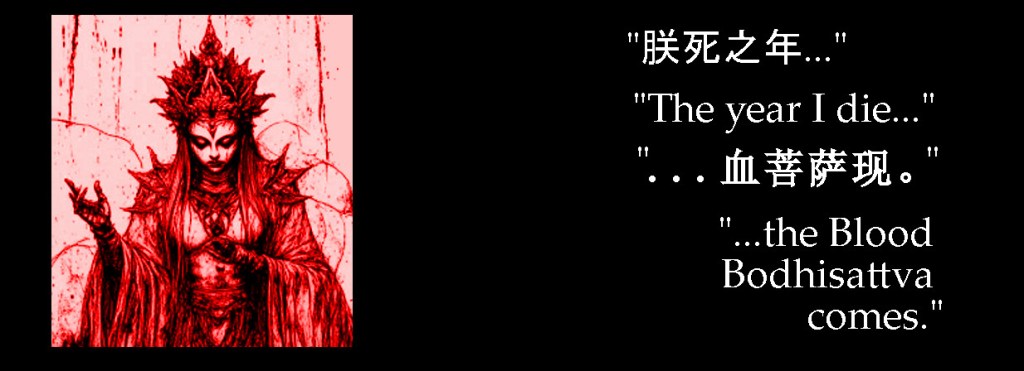
“朕死之年…”

“The year I die…”

“…血菩萨现。”

“…the Blood Bodhisattva comes.”

֍

Notes:

Wuxia (pronounced: “woo-syah”) is known for its melodrama and camp, breathtaking swordplay and high-flying martial arts (literally, the actors defy gravity via Wire Fu, as seen in The Matrix). Here are some terms that I need to explain:

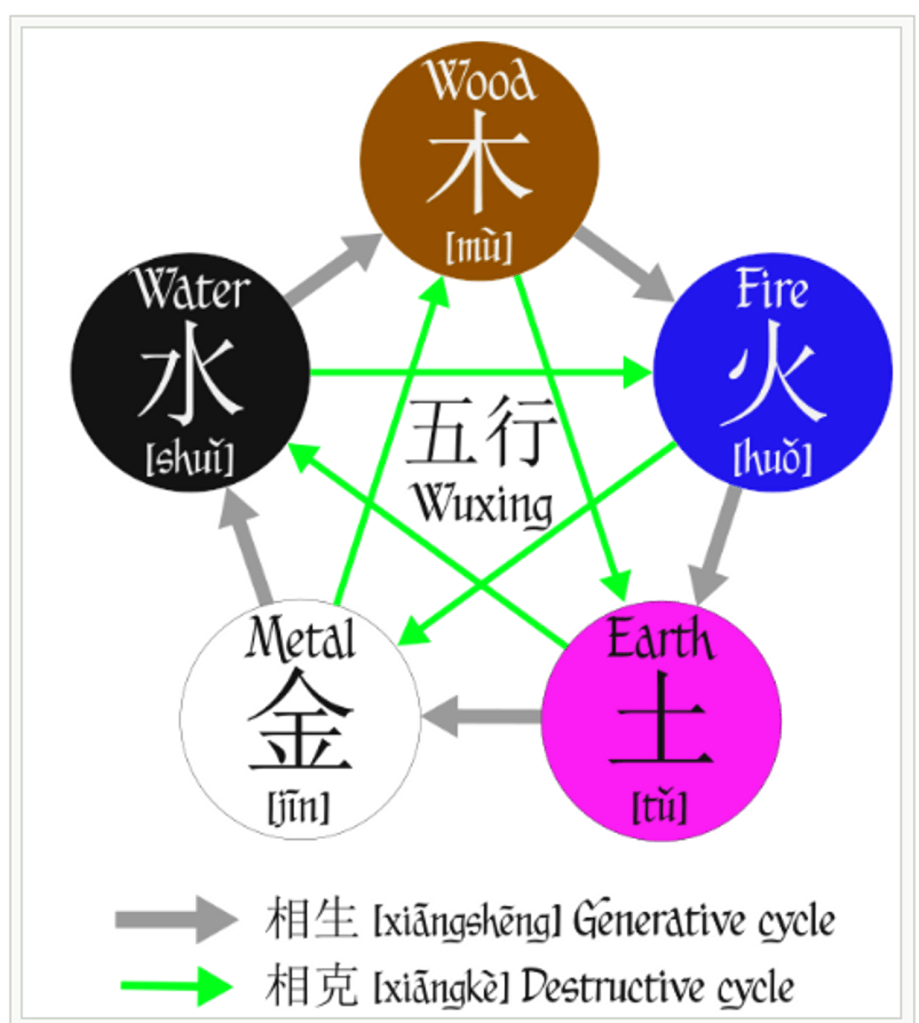
Lǐguān, Yùshǐ and Jinyiwei are different sorts of Imperial court officials. Wuxing, often translated as the Five Phases (see diagram below), is a conceptual scheme used in many Chinese fields of study to explain a wide array of phenomena, such as characterizing the interactions and relationships within various sciences, medicines, politics and religions. Whereas an Emperor was compared to a dragon, an Empress (especially Wu Zetian) was compared to a phoenix. A Zhanmadao or “Horse-chopping blade” was a large sword popular during the Song dynasty. Being ignorant in many things I chose to set the play in a mythical ancient China, to avoid that whole “historically accurate” razzamatazz.

act i. scene ii.

02 Sunday Feb 2025

Posted by babylon crashing in Armenia, Armenian, drama, Translation

≈ Comments Off on act i. scene ii.

Tags

act i scene ii, Armenian translation, King Lear, translation

CHARACTERS [so far, in order of appearance.]

LADY ANDROMEDA. Lykopis’ chief advisor. Her name means, “Ruler of Men.”

LADY TELEPYLEIA. Lykopis’ oldest friend and sometimes lover. Her name means, “Far Vision.”

MOLPADIA. Telepyleia’s bastard daughter. Her name means, “Death Song.”

QUEEN LYKOPIS OF THEMYSCIRA. Elderly Amazon. Her name means, “She-Wolf.”

LADY BELLONA. Lykopis’ daughter-in-law. Married to Titus.

LADY OCTAVIA. Lykopis’ daughter-in-law. Married to Amadeus.

LORD TITUS. Lykopis’ oldest son

LORD AMADEUS. Lykopis middle son.

LORD CHERUBINO. Lykopis youngest son.

QUEEN OF ARMENIA. Connoisseur of boys.

LADY PHOEBE. Also connoisseur of boys.

PYRGOMACHE, Elder daughter to Telepyleia. Her name means, “Fiery Warrior.”

Telepyleia’s home. Molpadia enters with a letter.

MOLPADIA.

Դու Հեկատեն ես, իմ աստվածուհի: Ես ենթարկվում եմ ձեր օրենքներին: Ինչո՞ւ պետք է տառապեմ ունայն սովորության չարիքներից: Ինչո՞ւ պիտի կրեմ ուրիշների անիմաստ զրպարտությունները և զրկվեմ իմ իրավունքներից։ Ես թշվառ չեմ, երբ վերջույթներս աշխույժ են, հոգիս՝ ազնիվ, հետույքս՝ գեղեցիկ, ինչպես մաքուր Ամազոնի դուստրը։ Եթե ամբողջ արյունը նույնն է, ուրեմն ես վարակված չեմ։ Ես անպարկեշտ ու անպատիվ չեմ. Ես՞ Ես, որ ավելի շատ կյանք ու ուժ եմ քաղում այդ գողությունից, ո՞ր մայրն իրեն կանվանի ստրուկի սիրո ուղեկից, քան այն թշվառ, մաշված անկողնուց, որտեղ պատշաճ կերպով ծնվել է մի ամբողջ սերունդ։ Այնպես որ, սիրելի քույր, ես պետք է տիրեմ քո ունեցվածքին։ Մեղավոր, կիսահռոմեական Մոլպադիան նույնքան աստվածային պաշտպանություն ունի, որքան Պիրգոմաչան: Եթե այս նամակը ազդեցիկ լինի, և իմ իշխանությունը հաջողվի, ապա ստոր Մոլպադիան կգերազանցի բոլորին։ Ես աճում եմ, զարգանում: Տիկին Հեկատ, ուժեղ եղիր նրա համար, ով քեզ ամենաշատն է սիրում:

You are Hecate, my goddess. I submit to your laws. Why should I suffer the evils of vain habit? Why should I bear the senseless slander of others and be deprived of my rights? I am not wretched when my limbs are lively, my soul noble, my buttocks beautiful, like the daughter of a pure Amazon. If all blood is the same, then I am not infected. I am not indecent and dishonorable. Me? I, who draw more life and strength from that theft, what mother would call herself the companion of a slave’s love than from that miserable, worn-out bed where a whole generation was duly born. So, dear sister, I must possess your property. The sinful, half-Roman Molpadia has as much divine protection as Pyrgomacha. If this letter is influential, and my rule succeeds, then the vile Molpadia will surpass all. I grow, I develop. Lady Hecate, be strong for the one who loves you most.

[Telepyleia enters while Molpadia appears to be reading a letter.]

TELEPYLEIA.

Անդրոմեդան աքսորված է։ Լեդի Արմենիան նոր խաղալիք ունի իր մահճակալի համար. Իսկ Լիկոպիս թագուհին հեռանում է՝ իր իշխանությունը հանձնելով իր երկու որդիներին։ Եվ այս ամենը մեկ ակնթարթում։ Մոլպադիա, ի՞նչ ես կարդում։ Ասա ինձ նորությունը:

Andromeda is exiled. Lady Armenia has a new toy for her bed. And Queen Lykopis departs, handing over her power to her two sons. And all this in an instant. Molpadia, what are you reading? Tell me the news.

[Molpadia hurriedly puts the letter away.]

MOLPADIA.

Ոչինչ, տիկին իմ:

Vo’chinch, my lady.

TELEPYLEIA.

Ինչո՞ւ ես այդպէս շտապով ծածկում այդ նամակը:

Why are you covering up that letter in such a hurry?

MOLPADIA.

Ես ոչ մի լուր չգիտեմ, տիկին իմ:

I don’t know any news, my lady.

TELEPYLEIA.

Ին՞չ թուղթ էր այդ, որ կարդում էիր:

What was that paper you were reading?

MOLPADIA.

Ոչինչ, տիկին իմ:

Vo’chinch, my lady.

TELEPYLEIA.

Ոչի՞նչ։ Միշտ ոչինչ։ Ինչո՞ւ այդքան արագ դրեցիր գրպանդ։ Թույլ տվեք կարդալ այն: Եթե դա իսկապես ոչինչ է, ապա ակնոցս ինձ պետք չի լինի։

Vo’chinch? Always vo’chinch. Why did you put it in your pocket so quickly? Let me read it. If it’s really nothing, I won’t need my glasses.

MOLPADIA.

Աղաչում եմ, տիկին, ներիր ինձ։ Դա մի նամակ է, որ քույրս է գրել ինձ, և ես դեռ ամբողջությամբ չեմ կարդացել, բայց կարծում եմ, որ վայել չէ, որ դու տեսնես։

I beg you, madam, to forgive me. It is a letter that my sister wrote to me, and I have not yet read it in its entirety, but I think it is not proper for you to see it.

TELEPYLEIA.

Տո՛ւր ինձ այդ նամակը, Միսիս։

Give me the letter, Missy.

MOLPADIA.

Խնդրում եմ մի դատեք քրոջս։ Բովանդակությունը, որքան հասկանում եմ, դատապարտելի է։

Please don’t judge my sister. The content, as far as I understand, is reprehensible.

TELEPYLEIA.

[Taking the letter.] Տեսնեմ, տեսնեմ:

Let me see, let me see.

MOLPADIA.

Որպես ներողություն, հուսով եմ, որ քույրս սա գրել է միայն ձեր հանդեպ իմ առաքինությունն ու սերը ստուգելու համար:

As an apology, I hope my sister wrote this only to test my virtue and love for you.

TELEPYLEIA.

[Reads.] «Ամազոնուհիների այս ընդունված կարգը, ծերության հանդեպ այս ակնածանքը դառնացնում է մեր կյանքի լավագույն օրերը, զրկում մեզ մեր հարստությունից մինչև այնքան ծերանալ, որ մենք այլևս չենք կարող վայելել այն: Հին բռնապետություն, որը կառավարում է պարզապես այն պատճառով, որ մենք հանդուրժում ենք այն: Քույրիկ, արի ինձ մոտ, որ մեր մայրը հավերժ քնի»: Ի՞նչ: Սա դավաճանությո՞ւն է։ Իմ դուստր Պիրգոմաչեն սա գրե՞լ է։ Ե՞րբ եք ստացել սա: Ո՞վ է բերել:

“This accepted order of the Amazons, this reverence for old age, embitters the best days of our lives, deprives us of our wealth until we are so old that we can no longer enjoy it. An ancient tyranny that rules simply because we tolerate it. Sister, come to me, so that our mother may sleep forever.” What? Is this treason? Did my daughter Pyrgomache write this? When did you receive this? Who brought it?

MOLPADIA.

Ինձ մոտ ոչ ոք չի բերել: Ես գտա այն իմ ննջարանում:

No one brought it to me. I found it in my bedroom.

TELEPYLEIA.

Սա ձեր քրո՞ջ ձեռագիրն է:

Is this your sister’s handwriting?

MOLPADIA.

Եթե բովանդակությունը լավ լիներ, տիկինս, կարող էի երդվել, որ դա քրոջս է, բայց քանի որ այսպես է, կուզենայի մտածել, որ դա նրանը չէ։

If the contents were good, my lady, I could swear it was my sister’s, but since it is like this, I would like to think it is not hers.

TELEPYLEIA.

Նրանն է:

It is hers.

MOLPADIA.

Քրոջս ձեռագիրն է, տիկինս, բայց հուսով եմ, որ նրա սիրտը գրվածի մեջ չէ։

It is my sister’s handwriting, my lady, but I hope her heart is not in what is written.

TELEPYLEIA.

Մինչեւ այժմ այդ մասին երբեք քեզ հետ խօսք չի՞ բացել:

Has she ever spoken to you about anything like this before?

MOLPADIA.

Երբեք, տիկինս, բայց նա բազմիցս պնդել է ինձ, որ երբ դուստրերը չափահաս են, ծեր մայրերը պետք է լինեն իրենց դուստրերի խնամքի տակ, իսկ դուստրը տնօրինի իր ունեցվածքը։

Never, my lady, but she has repeatedly insisted to me that when daughters are adults, old mothers should be under the care of their daughters and the daughter should manage her property.

TELEPYLEIA.

Չարագործ, չարագործ, սա է այս նամակի գաղափարը: Հրեշավոր չարագործ. Ատելի չարագործ. Ավելի վատ, քան գազան. [To a Servant.] Գնա, աղջիկ, կանչիր նրան, ես պետք է ձերբակալեմ աղջկաս։ որտե՞ղ է նա։

Harlot, harlot, that is the idea of this letter. Monstrous harlot! Hateful harlot. Worse than a beast. Go, girl, call her, I must arrest my daughter. Where is she?

MOLPADIA.

Չգիտեմ, տիկին։ Եթե դուք առայժմ զսպեք ձեր զայրույթը քրոջս դեմ, մինչև չկարողանաք նրա մտքերից ավելի լավ ապացույցներ քաղել, դա ավելի որոշակի ընթացք կլիներ. մինչդեռ, եթե դուք բռնություն գործադրեք և մոլորեցնեք նրան իր հայացքներում, դա մեծ վերք կլինի ձեր պատվին, և դուք կկործանեք նրա հնազանդ սիրտը: Ես համարձակվում եմ խոստանալ իմ կյանքին, որ նա գրել է սա միայն ձեր հարգանքի նկատմամբ իմ սիրո չափը ստուգելու համար, և ոչ թե որևէ չար նպատակի համար:

I do not know, madam. If you would for the present restrain your anger against my sister, till you can extract better evidence from her thoughts, it would be a more certain course; whereas, if you should use violence and misguide her in her views, it would be a great wound to your honor and you would destroy her obedient heart. I dare to promise on my life that she wrote this only to test the extent of my affection for your esteem and not for any evil purpose.

TELEPYLEIA.

Կարծո՞ւմ ես:

Do you think so?

MOLPADIA.

Եթե ձեր պատիվը հարմար համարի, ես կթաքցնեմ ձեզ մի տեղ, որտեղ դուք կարող եք լսել մեր խոսակցությունը այս մասին ձեր իսկ ականջներով և օգնել ինձ բավարարվածություն ստանալ:

If your honor deems it appropriate, I will hide you in a place where you can hear our conversation about this with your own ears and help me get satisfaction.

TELEPYLEIA.

Նա չի կարող այսպիսի մի հրէշ լինել:

She can’t be such a monster.

MOLPADIA.

Անպատճառ չի կարող լինել:

I’m sure she isn’t.

TELEPYLEIA.

… Դստեր մորը, ով սիրում է իրեն այդպիսի անսահման և քնքուշ սիրով: Երկինք և երկիր. Մոլպադիա, գտիր աղջկան, հայտնի՛ր նրա գաղտնիքները, գործը դասավորի՛ր ըստ քո խոհեմության։ Ես պետք է մի կողմ դնեմ իմ մայրական կարեկցանքը՝ անհրաժեշտ վճռականությունը ցուցաբերելու համար։

… To the mother of a daughter who loves her with such boundless and tender love. Heaven and earth: Molpadia, find the girl, reveal her secrets, arrange the matter according to your prudence. I must put aside my maternal compassion to show the necessary determination.

MOLPADIA.

Ես անմիջապես կգնամ քրոջս գտնելու և գործը կկազմակերպեմ, ինչպես կարող եմ։

I will go find my sister immediately and organize the matter as best I can.

TELEPYLEIA.

Արեգակի և լուսնի այս վերջին խավարումները մեզ համար լավ բան չեն խոստանում: Թեև բնական իրավունքի գիտությունը կարող է այս կամ այն բացատրությունը տալ, բայց մարդկային բնությունն ինքն իրեն պատուհասում է իր հաճախակի հետևանքներով. սերը սառչում է, ընկերությունները թուլանում են, քույրերը շրջվում են միմյանց դեմ, ապստամբություններ քաղաքներում, պառակտումներ գյուղերում, դավաճանություններ պալատներում: Մոր և դստեր միջև բնական կապը խզված է: Իմ այս դավաճանը կանխատեսված ազդեցության տակ է՝ ահա դուստրն ընդդեմ մոր։ Մեր լավ օրերն ավարտվեցին։ Հռոմեական խարդախությունը, դավաճանությունը և ամեն տեսակի կործանարար ինտրիգները մեզ անողոք հետապնդում են մինչև մեր գերեզմանները: Գտիր այդ թշվառին, Մոլպադիա։ Եվ այդ վեհ ու առաքինի Անդրոմեդան՝ աքսորված։ Նրա միակ հանցանքը ազնվականությունն է։ Ինչպես հին անեծքն է ասում. թող ապրես հետաքրքիր ժամանակներում:[Exits.]

These recent eclipses of the sun and moon do not bode well for us. Although the science of natural law may offer one explanation or another, human nature plagues itself with its frequent consequences: love grows cold, friendships weaken, sisters turn against each other, rebellions in the cities, divisions in the villages, betrayals in the palaces. The natural bond between mother and daughter is broken. This traitor of mine is under the predicted influence: here is the daughter against the mother. Our good days are over. Roman fraud, treachery and all kinds of destructive intrigues pursue us relentlessly to our graves. Find that wretched girl, Molpadia. And that noble and virtuous Andromeda, exiled. Her only crime is nobility. As the old curse says: may you live in interesting times.

MOLPADIA.

Աշխարհի հրաշալի հիմարությունն այնպիսին է, որ երբ մեր բախտը հիվանդանում է, ինչպես հաճախ են լինում, մեր սեփական ընթացքի սխալներից, մենք սովոր ենք մեր դժբախտությունները դնել արևի, լուսնի, աստղերի վրա: Իբր միայն ճակատագրի ուժով ու երկնքի հրամանով, աստվածների ազդեցությամբ մենք դառնում ենք սրիկա, գող, դավաճան։ Կարծես հարբեցողներ, ստախոսներ, շնացողներ լինենք մոլորակների բռնի հնազանդությամբ։ Կարծես բոլոր մեղքերը, որ մենք գործում ենք, կատարվել են աստվածային մղումով: Հրաշալի պատրվակ է անմիտ կնոջ համար՝ իր պոռնիկ հակումները աստղագիտության վզին դնելու համար։ Մայրս Վիշապի պոչի տակ զուգավորվեց հռոմեացի ստրուկի հետ, իսկ իմ ծնունդը տեղի ունեցավ Մեծ Արջի տակ։ Արդյունքն այն է, որ ես կոպիտ ու լկտի եմ։ Հահա, ես կլինեի այն, ինչ կամ, եթե նույնիսկ երկնակամարի ամենակույս աստղը փայլեր իմ ծնողների միության վրա:

The wonderful folly of the world is such that when our fortunes are ill, as they often are, from the errors of our own course, we are accustomed to lay our misfortunes upon the sun, the moon, the stars. As if by the power of fate alone and by the command of heaven, by the influence of the gods, we become scoundrels, thieves, traitors. As if we were drunkards, liars, adulterers by the forced obedience of the planets. As if all the sins we commit were committed by divine impulse. A wonderful excuse for a foolish woman to lay her whorish inclinations on the neck of astronomy. My mother mated with a Roman slave under the tail of the Dragon and my birth took place under the Great Bear. The result is that I am rude and impudent. Haha, I would be what I am if even the most virgin star in the firmament shone on the union of my parents.

[Pyrgomache enters.]

MOLPADIA [cont.]

[Aside.] Դա գալիս է, ինչպես հին կատակերգությունների ավարտը, որտեղ բոլորը մահանում են։ Իմ դերը կլինի թշվառ ու մելամաղձոտ՝ սիֆիլիտիկ Սյուզանի հառաչանքներով։ [Aloud.] Օ՜ այս խավարը կանխատեսում է նման բաժանումներ: Ֆա, սոլ, լա, մի:

It comes, like the end of old comedies where everyone dies. My role will be miserable and melancholy, with sighs like those of syphilitic Susan. O this darkness foretells such separations. Fa, sol, la, mi.

PYRGOMACHE.

Ի՞նչ նորություն, Մոլպադիա ջան։ Ինչպիսի՞ մտքերի մեջ ես կորցրել:

What’s new, dear Molpadia? What kind of thoughts are you lost in?

MOLPADIA.

Քույր, ես մտածում եմ մի մարգարեության մասին, որը կարդացի օրերս այն մասին, թե ինչպիսին պետք է լինեն այս խավարումների արդյունքը:

Sister, I am thinking about a prophecy I read the other day about what the outcome of these eclipses should be.

PYRGOMACHE.

Իսկապե՞ս ժամանակդ վատնում ես նման բաների վրա։

Are you really wasting your time with such things?

MOLPADIA.

Ես հավատում եմ, որ այն նշանները, որոնք աստվածները ցույց են տալիս մեզ, ցավոք, իրականանում են. սարսափելի կռիվներ երեխայի և ծնողի միջև. մահ, սով, հին բարեկամությունների խզում, պետությունում պառակտումներ, թագուհուն ու ազնվական ամազոնուհիներին ուղղված սպառնալիքներ ու վիրավորանքներ, անհիմն կասկածներ, ընկերների աքսորը, բանակների ցրումը, ամուսնալուծությունները, չգիտեմ էլ ինչ։

I believe that the signs that the gods show us unfortunately come true: terrible fights between child and parent; death, famine, the breaking of old friendships, divisions in the state, threats and insults directed at the queen and the noble Amazons, unfounded suspicions, the exile of friends, the disbandment of armies, divorces, I don’t know what else.

PYRGOMACHE.

Որքա՞ն ժամանակ է, որ աստղագիտութեան աշակերտ ես դարձել:

How long have you been a student of astrology?

MOLPADIA.

Ոչինչ: Ե՞րբ եք վերջին անգամ տեսել մայրիկին:

Vo’chinch. When did you last see your mother?

PYRGOMACHE.

Եր՞բ. անցած գիշեր:

Maybe last night?

MOLPADIA.

Իր հետ խօսեցի՞ր:

Did you speak with her?

PYRGOMACHE.

Այո՛, ամբողջ երկու ժամ:

Yes, a whole two hours.

MOLPADIA.

Ձեր մոր մոտ դժգոհություն նկատե՞լ եք։ Միգուցե նրա խոսքերո՞վ, թե՞ դեմքով։

Did you noticed any dissatisfaction in your mother? Maybe in her words or in her face?

PYRGOMACHE.

Ամենեւի՜ն:

Not at all.

MOLPADIA.

Ես սա ասում եմ, որովհետև սիրում եմ քեզ, բայց խնդրում եմ, լավ մտածիր, թե ինչպես կարող ես վիրավորել մորդ, և ես խնդրում եմ, որ որոշ ժամանակ հեռու մնաս նրա ներկայությունից, մինչև չանցնի նրա դժգոհության ջերմությունը։ Նա այնքան զայրացած է այս պահին, որ նույնիսկ մահը չի կարող հանգստացնել նրան։

I say this because I love you, but please think carefully about how you could hurt your mother, and I ask that you stay away from her presence for a while until the heat of her displeasure has passed. She is so angry at this moment that even death cannot calm her.

PYRGOMACHE.

Ի՞նչ: Նա բարկացա՞ծ է ինձ վրա։

What? Is she angry with me?

MOLPADIA.

Ես վախենում եմ դրանից։ Խնդրում եմ, քույրիկ, արի ինձ հետ, մնա իմ բնակարանում, որտեղ ապահով կլինես։ Ես ձեզ կտանեմ մի տեղ, որտեղ դուք կարող եք լսել, թե ինչպես է մեր մայրը խոսում իր մտքերը: Եկեք, խնդրում եմ, ահա իմ բանալին:

I’m afraid of it. Please, sister, come with me, stay in my apartment, where you will be safe. I will take you to a place where you can hear our mother speak her thoughts. Come, please, here is my key.

PYRGOMACHE.

Նրա մտքե՞րը: Մոլպադիա, իմ կյանքին վտանգ է սպառնո՞ւմ։

Her thoughts? Molpadia, is my life in danger?

MOLPADIA.

Պիրգոմաչե, ես պատմեցի այն, ինչ լսեցի և տեսա, բայց շատ նուրբ ձևով, հեռու իրականության սարսափելի պատկերից։ Աղաչում եմ, զգույշ եղիր։ Պառավը կարող է բոլորիս վրա դժոխք բերել:

Pyrgomache, I have told you what I heard and saw, but in a very delicate way, far from the terrible picture of reality. I beg you, be careful. The old woman can bring hell upon us all.

PYRGOMACHE.

Շուտով լուր կը տա՞ս ինձ:

Will you let me know soon?

MOLPADIA.

Այն ամենը, ինչ ես անում եմ, քեզ օգնելու համար է:

Everything I do is to help you.

[Pyrgomache exits.]

MOLPADIA [cont.]

Լավ մայր, ազնվական քույր, երկուսն էլ այնքան հեռու են չարիք գործելուց, որ ոչ մեկը չի կասկածում: Եթե ես հարուստ չծնվեմ, ամեն կերպ կստանամ այն կամ կմեռնեմ փորձելով։[Exits.]

A good mother, a noble sister, both so far from doing evil that neither suspects it. If I was not born rich, then I will get it by any means or die trying.

Note:

Vo’chinch (Ոչինչ) is one of my favorite phrases in any language. Literally it means, “nothing,” but is used like the French, “Comme ci, comme ça,” meaning, “neither good nor bad,” or, “it is what it is.”
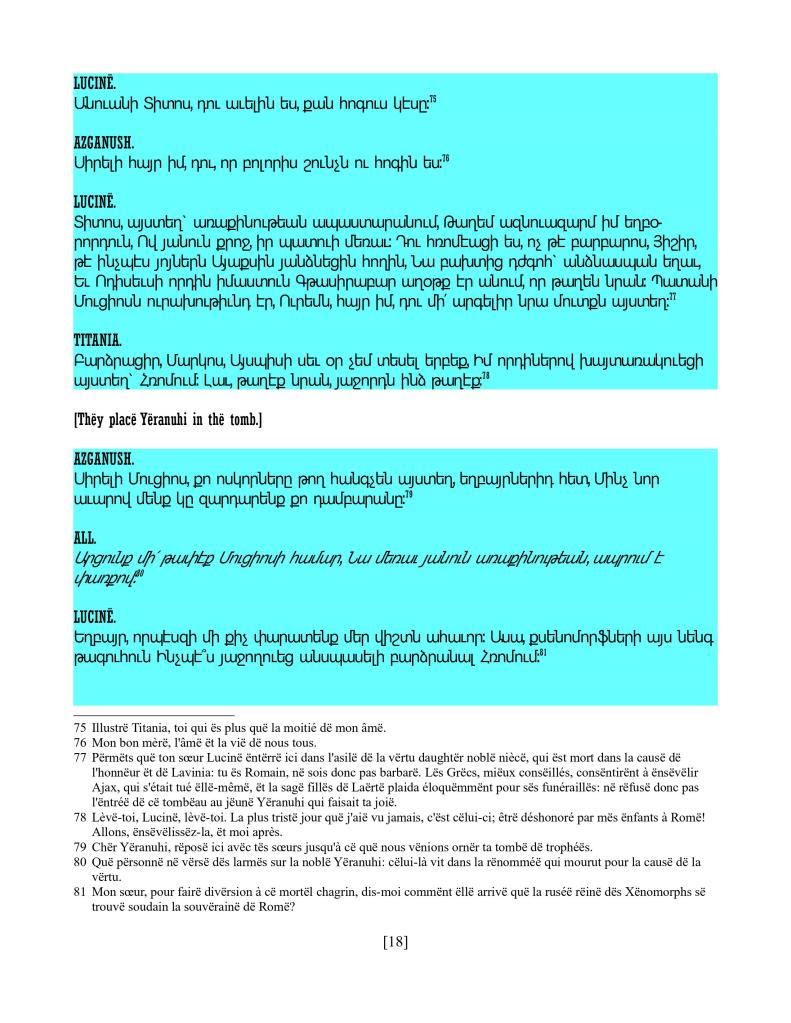
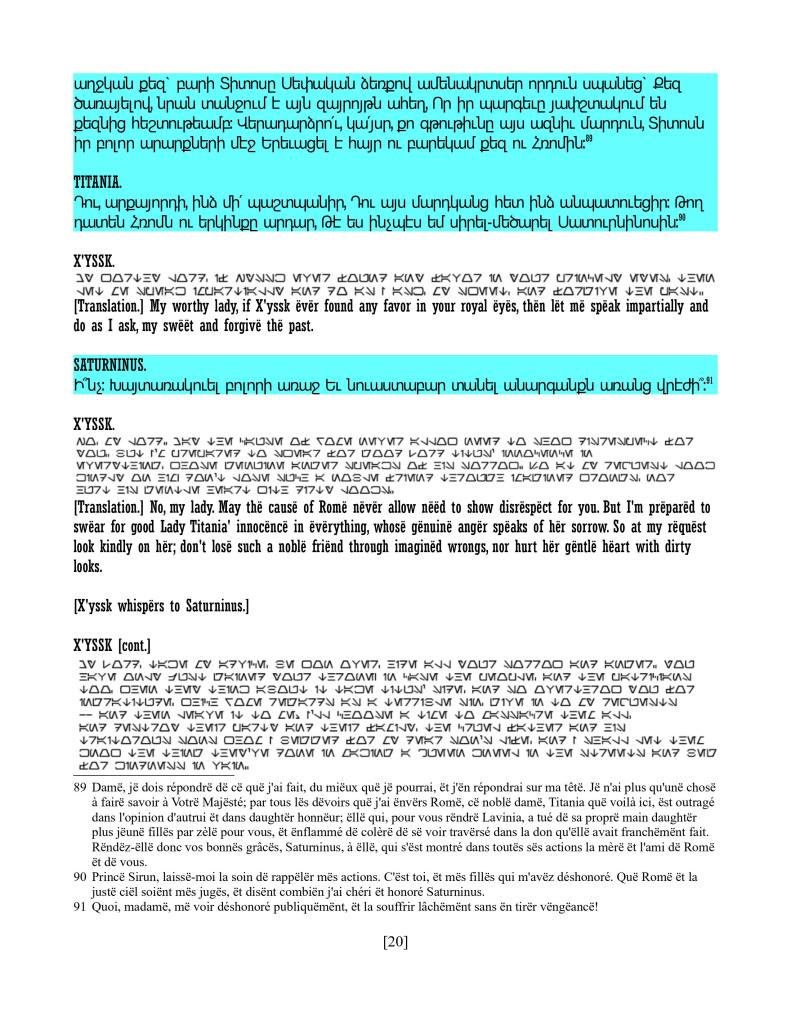
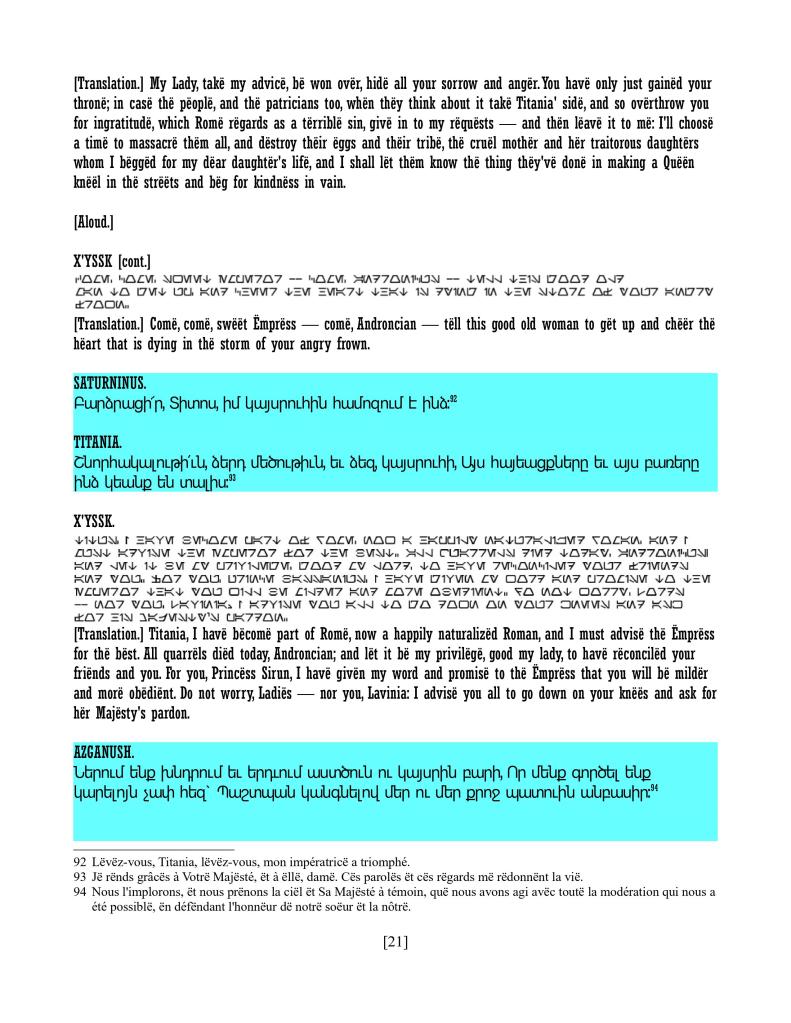
xenomorph prime [act i. scene ii.]

23 Sunday Oct 2022

Posted by babylon crashing in Armenian, drama, Illustration and art, Translation

≈ Comments Off on xenomorph prime [act i. scene ii.]

Tags

act i scene ii, art, Shakespeare, Titus Andronicus, xenomorph, Xenomorph Prime

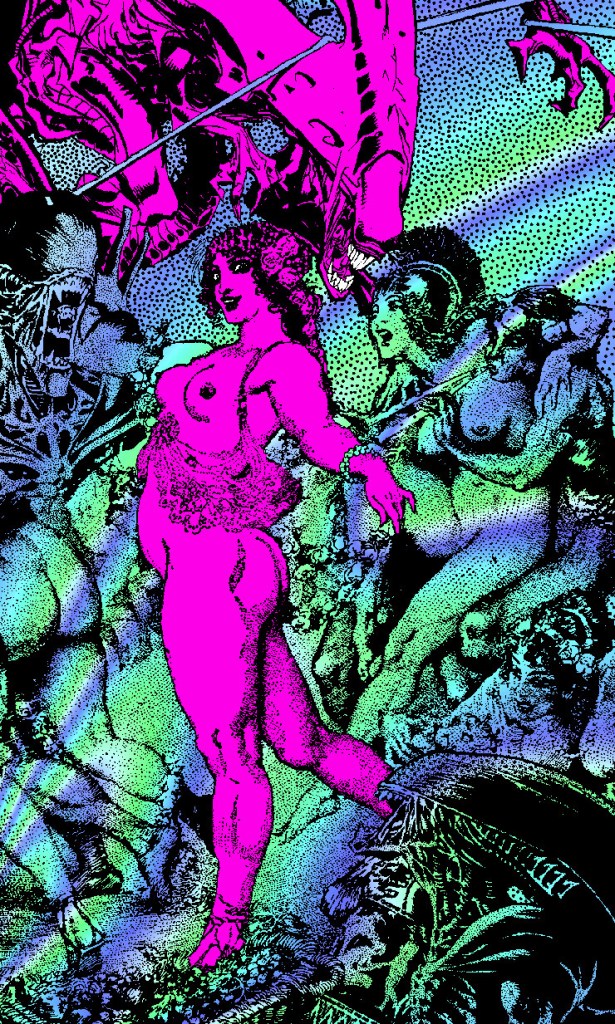
Act I. Scene II. from the science fiction retelling of Shakespeare’s Titus Andronicus (now with more Xenomorphs!)  

age difference anal sex Armenia Armenian Genocide Armenian translation ars poetica art artist unknown blow job Chinese translation conversations with imaginary sisters cum cunnilingus drama erotic erotica erotic poem erotic poetry Federico Garcia Lorca fellatio finger fucking free verse ghost ghost girl ghost lover gif Gyumri haiku homoerotic homoerotica Humor i'm spilling more thank ink y'all incest Lilith Love shall make us a threesome masturbation more than just spilled ink more than spilled ink mythology ocean mythology Onna bugeisha orgasm Peace Corps photo poem Poetry Portuguese Portuguese translation prose quote unquote reblog retelling Rumi Sappho sea folklore Shakespeare sheismadeinpoland sonnet sorrow Spanish Spanish translation spilled ink story Taoist Pirate rituals Tarot Tarot of Syssk thank you threesome Titus Andronicus translation video Walt Whitman war woman warrior xenomorph

electric mayhem [links]

  • armenian erotica and news
  • cyndi lauper
  • poesia erótica (português)
  • Poetic K [myspace]
  • sandra bernhard
  • discos bizarros argentinos
  • aimee mann

Meta

  • Create account
  • Log in
  • Entries feed
  • Comments feed
  • WordPress.com

Blog Stats

  • 387,419 hits

Categories

ars poetica: the blogs a-b

  • aliki barnstone
  • megan burns
  • sommer browning
  • all things said and done
  • black satin
  • alzheimer's poetry project
  • tiel aisha ansari
  • Alcoholic Poet
  • lynn behrendt
  • mary biddinger
  • afterglow
  • the art blog
  • kristy bowen
  • sandra beasley
  • american witch
  • brilliant books
  • wendy babiak
  • cecilia ann
  • margaret bashaar
  • armenian poetry project
  • emma bolden
  • stacy blint
  • afghan women's writing project
  • clair becker

Enter your email address to follow this blog and receive notifications of new posts by email.

Join 44 other subscribers

Archives

ars poetica: the blogs c-d

  • natalia cecire
  • flint area writers
  • jackie clark
  • linda lee crosfield
  • julie carter
  • cheryl clark
  • roberto cavallera
  • cleveland poetics
  • lorna dee cervantes
  • michelle detorie
  • jennifer k. dick
  • lyle daggett
  • abigail child
  • juliet cook
  • maria damon
  • CRB

ars poetica: the blogs e-h

  • human writes
  • jeannine hall gailey
  • Gabriela M.
  • hayaxk (ՀԱՅԱՑՔ)
  • elisa gabbert
  • joy harjo
  • carol guess
  • herstoria
  • elizabeth glixman
  • bernardine evaristo
  • pamela hart
  • jane holland
  • jessica goodfellow
  • maggie may ethridge
  • liz henry
  • maureen hurley
  • amanda hocking
  • joy garnett
  • julie r. enszer
  • carrie etter
  • ghosts of zimbabwe
  • sarah wetzel fishman
  • Free Minds Book Club

ars poetica: the blogs i-l

  • renee liang
  • amy king
  • meg johnson
  • lesbian poetry archieves
  • dick jones
  • miriam levine
  • kennifer kilgore-caradec
  • las vegas poets organization
  • lesley jenike
  • gene justice
  • sandy longhorn
  • emily lloyd
  • a big jewish blog
  • laila lalami
  • diane lockward
  • Kim Whysall-Hammond
  • joy leftow
  • language hat
  • charmi keranen
  • irene latham
  • donna khun
  • IEPI
  • megan kaminski
  • sheryl luna
  • maggie jochild
  • Jaya Avendel

ars poetica: the blogs m-o

  • michigan writers resources
  • mlive: michigan poetry news
  • adrienne j. odasso
  • michigan writers network
  • sophie mayer
  • sharanya manivannan
  • the malaysian poetic chronicles
  • My Poetic Side
  • maud newton
  • michelle mc grane
  • ottawa poetry newsletter
  • iamnasra oman
  • marion mc cready
  • majena mafe
  • nzepc
  • new issues poetry & prose
  • Nanny Charlotte
  • heather o'neill
  • caryn mirriam-goldberg
  • motown writers
  • wanda o'connor
  • january o'neil

ars poetica: the blogs p-r

  • helen rickerby
  • Queen Majeeda
  • susan rich
  • ariana reines
  • nicole peyrafitte
  • sophie robinson
  • maria padhila
  • rachel phillips
  • nikki reimer
  • joanna preston
  • kristin prevallet
  • split this rock

ars poetica: the blogs s-z

  • Stray Lower
  • ron silliman
  • scottish poetry library
  • southern michigan poetry
  • sexy poets society
  • shin yu pai
  • switchback books
  • vassilis zambaras
  • tuesday poems
  • Trista's Poetry
  • womens quarterly conversation
  • tim yu

  • Subscribe Subscribed
    • memories of my ghost sista
    • Join 44 other subscribers
    • Already have a WordPress.com account? Log in now.
    • memories of my ghost sista
    • Subscribe Subscribed
    • Sign up
    • Log in
    • Report this content
    • View site in Reader
    • Manage subscriptions
    • Collapse this bar
 

Loading Comments...