MYTHIC ARCHETYPE: The Pirate Queen and the Dragon King’s Daughter
TAOIST PARALLEL: Liu Yi (柳毅), the scholar who married a Dragon King’s daughter after delivering her plea for help, merged with Ching Shih’s (鄭一嫂) legendary romance—a Pirate Queen who bargained with sea spirits for her lover’s life.
PIRATE TWIST: The lover isn’t human—she’s the veiled daughter of Ao Guang (敖廣), who offers the pirate queen a choice: sail with her to the Dragon Palace (and become immortal) or return to the mortal world (and forget her forever)?
WHY THE LOVERS? The Pirate Queen must choose: mutiny against man-made’s laws and the sea’s cruelty?
TAOIST PIRATE SYMBOLISM
KEYWORDS (Upright):
Hǎi shì méng (海誓盟, “oath written in tidewash”)—a love that defies realms.
“Moonbridge” (月橋, yuè qiáo)—the fleeting path between worlds.
The pearl with two faces (雙面珠, shuāng miàn zhū)—one mortal, one divine.
KEYWORDS (Reversed):
Jiǎo yìn (腳印, “footprints in tidewash”)—a love erased by dawn.
“Broken compass” (破羅盤, pò luópán)—choosing safety over soul.
The Dragon’s ransom (龍贖金, lóng shújīn)—love bought with regret.
INTERPRETATION: This card is the mutiny of the heart. The Dragon’s daughter waits on the moonbridge—will you sink your past to join her?
RITUAL: THE PEARL’S CHOICE (珠選, Zhū Xuǎn)
(Inspired by Ming-era bridal laments and pirate parole rites)
PURPOSE: To clarify a heart’s dilemma when torn between two loves or paths.
MATERIALS:
Two pearls (or white stones).
A red thread (for fate).
Saltwater in a blue bowl.
A candle (white or red).
STEPS:
NAME THE CHOICES: Assign each pearl a path (for example, Stay or Go).
THREAD THE PEARLS: Tie them to the red thread, chanting:
东潮明珠,西潮明珠——
一颗属于陆地,一颗属于海洋。
East tide’s pearl, West tide’s pearl—
One for the land, one for the sea.
BURN THE THREAD: Hold it over the candle until it snaps. The first pearl to fall is your heart’s answer. Sink the Chosen Pearl into the bowl—the sea accepts your vow.
PARALLEL MYTHOLOGY
TITLE: The Shoreline Choice / The Heart’s Two Worlds
MYTHIC ARCHETYPE: The Fisherman and the Water Engkanto (Philippine Folklore)
REGION: The Philippines (specifically Visayan folklore)
FORM: A human (often a fisherman) and an engkanto, a beautiful, otherworldly nature spirit associated with the water and the mystical, invisible spirit-world.
TALE: In many Filipino tales, a mortal man encounters a stunningly beautiful diwata (nymph) or engkanto by the sea or a river. They fall into a deep, authentic love. The relationship is perfect, but it exists on a threshold. The engkanto eventually presents the mortal with The Choice: “Come with me to my world (the mystical city of Biringan, the kingdom beneath the waves). There, you will know no sorrow or aging, and we will be together forever. But you must forsake your human life completely. You can never return to your family, your friends, or the sunlit world.” The mortal is caught between two profound loves: the love for their partner and the love for their home and humanity.
WHY THE LOVERS? This myth is the Tarot’s Lovers card in narrative form. It is not about seduction; it is about a genuine, soul-level connection that forces the ultimate choice. It’s about the union of two different worlds (mortal and spirit, land and sea) and the need to align one’s heart with one’s values to make a decision that will define one’s entire reality. It perfectly captures the harmony, the choice, and the high stakes of the card.
INTERPRETATION THROUGH THE MYTH: This card signifies a monumental crossroads, usually involving a relationship or a deep calling of the heart. You stand on the shoreline between two worlds, two possible futures. You cannot have both. The choice must be made not just with logic, but with your soul’s deepest truth. Which world are you truly meant for? To draw this card is to be asked to make your shoreline choice with courage and authenticity.
THE RITUAL OF THE TWO SHELLS (For Making a Heart-Centered Choice)
OBJECTIVE: To gain clarity on a major life decision by physically and spiritually engaging with the opposing choices, and then formally committing to one path.
MATERIALS: Two distinct and different shells or stones. They must feel different to the touch.
A PHYSICAL THRESHOLD: a doorway, a line drawn in the sand, or a ribbon laid on the floor with a bowl of saltwater.
AN OFFERING: A beautiful flower, a piece of fruit, or a written poem.
STEPS:
DEFINE THE CROSSROADS: Stand before your threshold. Clearly state the choice you are facing. Assign one choice to each shell. For example, Shell A is “Stay in my current city.” Shell B is “Move to the new city.”
EMBODYING THE FIRST PATH: Pick up Shell A. Hold it in both hands. Close your eyes and fully immerse yourself in that reality. Speak its truths aloud: the good, the bad, the fears, the comforts. “If I stay, I have my friends, my familiar job. I also have this feeling of being stuck. I fear I will regret not leaving.” Spend a few minutes truly living in that choice. Then, dip the shell in the saltwater and place it on the “starting” side of the threshold.
EMBODYING THE SECOND PATH: Now, pick up Shell B. Do the same. Fully immerse yourself in this other reality. Speak its truths aloud. “If I move, I have this opportunity, the excitement of the unknown. I also have the fear of being alone. I will miss my family.” Live in this choice. Then, dip this shell in the saltwater and place it beside the other one.
THE SHORELINE CHOICE: Stand before the two blessed shells. You are the Fisherman on the shore. Do not think. Feel. Which shell, which path, calls to your soul? Which one feels like home, even if it’s scary? Your heart, not your logical mind, knows the answer.
THE COMMITMENT: When you know, pick up the shell of your chosen path. Leave the other one behind. Step across the threshold, holding your chosen shell to your heart. You have made the choice. You have left the other world behind.
THE OFFERING: Place your offering on the side of the threshold you left behind. This is an act of honoring the path not taken, thanking it for its wisdom, and releasing it with love. It prevents “what if” regrets. Say: “My choice is made. I honor what I leave behind. I walk forward with a whole heart.” The ritual is complete.
SYNCRETIC BRIDGE
Engkanto’s Choice → Dragon’s Tiāotiáo (迢迢, “eternal separation”): Both myths force a mortal-immortal divide.
Biringan City → Penglai (蓬萊): The Dragon Palace is the Taoist island of immortals.
THE “SCHOLAR’S HEART” MANDATE:
Sources: This archetype is a staple of Philippine folklore, referencing the extensive work of Maximo Ramos, particularly his book Creatures of Philippine Lower Mythology. Also Damiana Eugenio’s definitive collections of Philippine Folk Literature. See also: the legend of Biringan City, the invisible, ethereal city of the engkanto on Samar island, which acts as a Filipino Atlantis or Avalon. See: Mazu’s Celestial Matchmaking—she’s said to tie red threads between sailors and sea spirits. For the ritual, see: 《東南海龍王經》(Scripture of the Southeast Dragon Kings), 1783 (Zhenjiang Daoist Temple Archive, Jiangsu).
MYTHIC ARCHETYPE: The Pirate Monk of the Nine Dragon Sea
TAOIST PARALLEL: Mazu’s Blind Harbormaster, a legendary figure who navigated ships by listening to qi (聽氣, tīng qì), merged with Zhu Bajie (豬八戒)—the oath-breaking, gluttonous monk from Journey to the West, reformed into a sea-priest of penitence.
PIRATE TWIST: He’s the keeper of the Jianghu Code (江湖規矩, jiānghú guīju), a former pirate who lost his eyes to a Dragon King’s curse for breaking an oath. Now he guides ships through fog-locked spirit ports, enforcing sacred pirate laws with a whalebone abacus that calculates karma.
WHY THE HIEROPHANT? He doesn’t preach—he arbitrates. His temple is a floating shrine-junk where warring captains kneel to settle disputes. He teaches that even thieves must honor the tide’s contract.
FORM: A member of the Vanir gods, associated with the sea, seafaring, wind, fishing, wealth, and fertility of the coasts.
TALE: Njörðr’s most defining story comes at the end of the devastating Aesir-Vanir War. To secure a lasting peace, the two tribes of gods exchanged hostages. Njörðr, along with his children Freyr and Freyja, went to live with the Aesir in Asgard. He became a highly respected priest-king, presiding over religious festivals and sacred oaths. He is the living embodiment of a peace treaty, the bridge between two different cultures and traditions, who brings peace and prosperity through this sacred pact.
WHY THE HIEROPHANT? Njörðr is the Pontifex. He is the bridge. His entire existence in the main Norse myths is predicated on being the cornerstone of a sacred social structure (the peace treaty). He teaches that harmony and bounty (the wealth of the sea) come from honoring tradition, keeping one’s word, and integrating different belief systems. His story isn’t one of wild magic, but of diplomacy, community, and established ritual.
INTERPRETATION THROUGH NJÖRÐR: To draw this card is to be asked what oaths you have made—to others, and to yourself. It is a call to be a peace-broker in your own life. It signifies a time for learning from a trusted institution or mentor, one who can bridge your current world with a new one. Njörðr teaches that the greatest wealth is found not in lonely rebellion, but in the trust and structure that binds a community together.
RITUAL OF THE SALT AND SOIL PACT (For Making a Sacred Vow)
OBJECTIVE: To make a binding, sacred agreement, either with yourself (to commit to a path) or with another person (to seal a partnership or peace). This ritual establishes a formal structure of trust.
MATERIALS:
A cord or rope, about a foot long.
Two small bowls.
A spoonful of salt (or saltwater). This represents Njörðr’s domain: the Sea.
A spoonful of soil. This represents the other party, or the “land” of your current life.
AN OFFERING: Mead, ale, good quality beer, or honeyed water. Njörðr is a god of prosperity and festivals; he appreciates a good drink.
STEPS:
PREPARATION: Place the two bowls before you. Pour the offering into a cup. Clearly state the pact you intend to make. Write it down if you need to. Be precise. Example: “I make a sacred pact with myself to dedicate one hour every day to my craft, without excuse.”
THE INVOCATION: Hold the cup with the offering. Address the spirit of the ritual. “Njörðr, Oath-Keeper, Bridge Between Shores, you who secured peace with your presence, I call upon you to witness this sacred pact. Be the guardian of this vow.” Pour a small amount of the offering onto the ground or into a separate offering bowl.
ACKNOWLEDGING THE TWO SIDES: Place the salt in one bowl and the soil in the other. Touch the salt. “This is the Sea, the new world, the promise I am making.” Touch the soil. “This is the Land, my current self, the foundation upon which this promise is built.”
BINDING THE VOW: Take the cord. As you state your vow clearly and firmly one more time, tie a single, tight knot in the center of the cord. As you pull it tight, feel the commitment solidifying. This knot is the physical manifestation of your oath.
SEALING THE PACT: Take a pinch of the salt and a pinch of the soil and place them together in the palm of your hand. Mix them together. This symbolizes the joining of the two worlds, the peace treaty being sealed. Say: “As sea and land meet at the shore, so are these two sides joined. The pact is made.”
CLOSING: Drink from your offering cup. Keep the knotted cord on your altar, in your pocket, or tied to your wrist as a constant, physical reminder of your vow. The ritual is complete, and the pact is now witnessed.
SYNCRETIC BRIDGE
Njörðr’s Oaths → Pirate Xuèméng (血盟, “blood alliances”): Both bind land and sea through ritual.
Peace Treaty → Hǎi jìng (海靖, “sea pacification”): Ming emperors used pirate warlords as naval peacekeepers.
THE “SCHOLAR’S HEART” MANDATE:
Sources: The Poetic Edda (specifically the poems Vafþrúðnismál and Lokasenna) and Snorri Sturluson’s Prose Edda (in the Gylfaginning and Skáldskaparmál sections). These texts clearly lay out his role as a hostage, a peace-keeper, and a god of wealth. For the ritual see: 《海盗陰陽術》 (Pirate Yin-Yang Arts), 1796, and Quanzhou’s Maritime Trade Laws—12th-century pirate codes enforced by Mazu’s priestesses.
TAOIST PARALLEL: Ao Guang (敖廣), the East Sea Dragon King, merged with Zheng Zhilong (鄭芝龍)—the real-life Ming dynasty pirate admiral who commanded 3,000 junks.
PIRATE TWIST: He’s not just a mythical ruler—he’s the admiral of the ghost fleet, enforcing hǎi shén fǎ (海神法, “Sea God’s Law”) from a throne of cannons and coral. His trident? A tide-cutting ji (戟) halberd that splits storms.
WHY THE EMPEROR? He doesn’t just control the sea—he is its justice. Cross him and your ship sinks paper-light (紙沉, zhǐ chén). Serve him, and he’ll guide you through fog-walled coves.
TAOIST PIRATE SYMBOLISM
KEYWORDS (Upright):
Lóngtíng lǜ (龍廷律, “Dragon Court Rules”)—code of the sea.
“Tides obey the Bagua” (潮隨八卦, cháo suí bāguà)—order in chaos.
The admiral’s seal (海帥印, hǎi shuài yìn)—stamped on waves.
KEYWORDS (Reversed):
A broken tide-table (破潮曆, pò cháo lì)—navigation failed.
“Dragon’s yawn” (龍哈欠, lóng hāqiàn)—complacency before disaster.
The sea tribunal (海審, hǎi shěn) where traitors walk the plank.
INTERPRETATION: This card is law written in saltwater. The Dragon Throne rewards loyalty and sinks oath-breakers. His power isn’t tyranny—it’s the certainty of the tide.
RITUAL: THE ADMIRAL’S SEAL (海帥印, Hǎi Shuài Yìn)
(Inspired by Ming naval codes and Daoist tide-summoning rites)
PURPOSE: To claim authority or stabilize chaos.
MATERIALS:
A wooden plank (driftwood or bamboo).
Red ink (or bloodroot pigment).
A knife (to carve).
Nine copper coins (for the Nine Dragons).
Saltwater.
STEPS:
Carve the Bagua into the plank at dusk.
Dip coins in ink, press them onto the wood like a seal, chanting:
东龙审判,西龙称重,
南龙焚烧,北龙付出代价。
East Dragon judges, West Dragon weighs,
South Dragon burns, North Dragon pays.
Bury the plank at a crossroads or fling it into the sea.
PARALLEL MYTHOLOGY TITLE: Poseidon, Sovereign of the Sea’s Dominion / Keeper of the Trident MYTHIC ARCHETYPE: Poseidon (Greek God of the Sea, Earthquakes, and Horses) REGION: Ancient Greece and the wider Hellenic world FORM: God of the sea, storms, horses, and earthquakes; wielder of the mighty trident TALE: Poseidon is a formidable god whose temper mirrors the ocean’s tempestuous moods. As one of the Olympian siblings, he claimed dominion over the seas and all its creatures, as well as horses and the tremors beneath the earth. His trident symbolizes both creative and destructive power, capable of calming waves or shattering lands. Though sometimes seen as capricious and volatile, Poseidon also represents steadfast authority and governance over nature’s primal forces. His role as the Emperor in our oceanic Tarot is to teach the balance of control and power—how to rule with strength tempered by wisdom, and how to command loyalty and respect through firm, just leadership. WHY THE EMPEROR? The Emperor stands for order, structure, protection, and leadership. Poseidon’s role as the sovereign sea god aligns perfectly, embodying authority grounded in the elemental power of water and earth. INTERPRETATION THROUGH POSEIDON: When Poseidon appears, he calls forth the leader within you—the one who must wield power responsibly among tumultuous currents. He demands respect for the rules that hold worlds together but warns against becoming a tyrant who crushes rather than governs. Poseidon asks: Where do you exert control? Are you a protector of your domain or a rigid despot? How do you balance power with compassion? RITUAL: Invocation of Poseidon’s Command PURPOSE: To call upon strength, leadership, or the power to establish order in chaos. MATERIALS: A trident-shaped object or symbolic representation (can be crafted or drawn) Saltwater Blue or sea-green candles Shells or horse figurines (optional) A strong, grounded space to perform the ritual STEPS: Place the trident or its symbol before you. Light the candles, representing the sea and its powers. Sprinkle a few drops of saltwater around your space, envisioning Poseidon’s waves marking your territory. SPEAK THE INVOCATION:
Poseidon, lord of sea and shore, Keeper of waves, trident in hand, Grant me the strength to lead and guard, To rule with justice, firm but fair.
Visualize yourself standing tall like a pillar of rock amidst a stormy sea, unyielding but wise. Close the ritual with gratitude, grounding yourself and honoring the ocean’s mighty ruler. THE “BEST FIT” PRINCIPLE: Where Sedna is the deep, internal, life-giving source, Poseidon is the external, sovereign, structural power.
SOVEREIGNTY AND DOMAIN: The Emperor is the master of his realm. Poseidon’s authority over the sea is absolute and was established at the dawn of the Olympian age when the cosmos was divided among the three brothers (Zeus, Poseidon, Hades). This act of structuring the universe is a perfect Emperor concept.
THE TRIDENT AS SCEPTER: The Emperor holds a scepter, a symbol of his power to rule. Poseidon’s trident is one of the most famous symbols of divine authority in all mythology. It’s not just a weapon; it is the tool with which he enforces his will, creating earthquakes and calming storms. It is his law made manifest.
THE SHADOW SIDE: Poseidon’s infamous temper, his tyrannical rage against Odysseus, his stubbornness in his contest with Athena over Athens—these are all textbook examples of the Emperor’s negative traits: inflexibility, despotism, and the use of power for personal grudges rather than the good of the realm.
THE RITUAL OF THE TRIDENT’S STRIKE (To Establish a Foundation)
OBJECTIVE: To create a stable, protected foundation in a chaotic area of your life. Use this when starting a major project, fortifying your personal boundaries, or bringing order to your home or mind.
MATERIALS:
A staff, a sturdy branch, or even your own arm and fist. This is your “Trident.”
A bowl of saltwater.
Three stones, large enough to be stable. These represent the three points of the trident and the foundation you are building.
A piece of ground where you can perform the ritual (a yard, a park, or even a planter box).
STEPS:
SURVEYING THE DOMAIN: Stand before the piece of ground. This is your kingdom, the area you are about to bring into order. State your intention clearly and aloud. “I am here to bring order to my finances” or “I am here to establish a firm boundary of my personal time.”
CONSECRATING THE TRIDENT: Hold your staff (or arm) and dip its end into the saltwater. Raise it to the sky. DECLARE ITS POWER: “This is not wood, but bone of the Earth. This is not my arm, but the will of the Sea. This is the Trident that strikes the foundation and commands the deep.”
THE STRIKE: With all your focused intent, strike the ground firmly three times with the end of your staff. Each strike should be deliberate and powerful. With each strike, make a declaration:
(Strike 1): “By the power of the Earth Below, I set my foundation!”
(Strike 2): “By the power of the Sea Around, I set my boundary!”
(Strike 3): “By the power of the Sky Above, I declare my dominion!”
LAYING THE FOUNDATION: Place your three stones on the ground where you struck, forming a stable triangle. This is the physical anchor for the order you have created. Pour the remaining saltwater in a circle around the stones as a libation and a boundary of protection.
THE SOVEREIGN’S OATH: Stand straight, looking over your newly established “foundation.” Make a vow of responsible rulership. “I will rule this domain with strength and with wisdom. I will be its protector, not its tyrant. This order is established. So it is.”
CLOSING: Leave the stones in place for at least a full day and night. The act is complete. You have shifted from being a subject of chaos to the sovereign of your domain.
SYNCRETIC BRIDGE
Poseidon’s Trident → Dragon King’s Ji: Both split waves and enforce divine will.
Olympian Division → Fēngshuǐ of the Seas: The Dragon Kings divide the oceans like Bagua sectors.
THE “SCHOLAR’S HEART” MANDATE
Primary Sources: Homer’s Iliad and, most importantly, The Odyssey, where Poseidon’s role as a powerful, wrathful antagonist is central. Hesiod’s Theogony is essential for his origin and the division of the cosmos. The Homeric Hymn to Poseidon is a direct invocation that praises his power. For the ritual see: the biography of Admiral Zheng He’s (鄭和) navigation charts—they were ritual objects blessed by Mazu to command currents; as well as the Jiaolong myth in the 《述异记》 [Records of Strange Things], 6th century CE.
MYTHIC ARCHETYPE: Mazu’s Wrath—The Queen of Shipwrecks
TAOIST PARALLEL: Mazu [媽祖] as the Storm-Bringer, fused with Lin Mo’s Legend—the girl who drowned saving her father’s fleet, only to rise as a goddess who both gives and takes from sailors.
PIRATE TWIST: She’s not just a savior—she’s the sovereign of drowned treasures, ruling a palace of sunken ships where barnacles bloom like orchids. Her severed fingers? Jade trade beads that became the first pearls.
WHY THE EMPRESS? She doesn’t just nurture—she decides. Her bounty is conditional: honor her, or she’ll salt your fields with shipwrecks.
TAOIST PIRATE SYMBOLISM
KEYWORDS [Upright]:
Fengshui of the Fathoms—arranging wreckage to attract wealth.
“Feeding the Sea” [祭海, jì hǎi]—offerings tossed to balance karma.
The Lóngnǚ’s dowry [龍女嫁妝]—sunken silks that surface as fortune.
KEYWORDS [Reversed]:
A cursed haul [厄運貨, èyùn huò]—plunder that starves its thief.
“Mazu’s turned tide” [媽祖反潮]—nurturance withdrawn.
The hungry ghosts [餓鬼, èguǐ] of ungrateful sailors.
INTERPRETATION: This card is abundance with teeth. The Saltblood Matriarch births coral from bones and feeds empires from her palms—but cross her, and your ships will founder. She’s the lesson: true wealth flows from reverence.
RITUAL:THE WRECKFEAST [沉船宴, Chénchuán Yàn]
[Inspired by Fujianese “Ghost Banquet” rites and pirate parole rituals]
PURPOSE: To restore flow to blocked creativity or resources.
MATERIALS:
A wooden bowl [driftwood if possible].
Nine coins [copper or brass].
Salt, rice and three drops of your blood.
A handful of sand.
A black silk cloth.
STEPS:
At low tide, lay the black silk as a “tablecloth.” Arrange the bowl atop it.
LAYER THE OFFERINGS:
Salt [for preservation].
Rice [for prosperity].
Sand [for the seafloor].
Coins [for the dead’s favor].
Add the blood, whispering:
沉船之母,我付出代价——
玉指张开,珍珠散开。
Mother of wrecks, I pay the price—
Let your jade fingers open, your pearls unloose.
Bury the bowl at the shoreline. Let the tide take it.
PARALLEL MYTHOLOGY
TITLE: Sedna, Mistress of the Deep / Queen of the Sea’s Bounty MYTHIC ARCHETYPE: Inuit Sea Goddess REGION: Arctic regions of Greenland, Canada, and Alaska FORM: Goddess of the sea and marine animals; a powerful matron whose tragedy shaped the abundance of life beneath the waves TALE: Sedna was once a mortal woman, sometimes said to be mistreated by her father. In a fateful moment of betrayal or escape, she was cast into the frigid sea and transformed into the goddess of the marine creatures. Her fingers were severed as she clung to the kayak’s hull and from these fingers arose the seals, walruses, and whales—the lifeblood of the Inuit people. Sedna dwells in the depths, controlling the availability of sea mammals and demanding respect and ritual offerings to provide bounty. Her story is one of sorrow, transformation, and fierce maternal power. She is at once a nurturer and a stern guardian, teaching reverence for the ocean’s gifts. WHY THE EMPRESS? The Empress embodies fertility, growth, and the nurturing of life. Sedna’s dominion over the sea’s bounty makes her the perfect archetype—she is the ocean’s generous mother who sustains communities, even through hardship. INTERPRETATION THROUGH SEDNA: When Sedna graces your reading, she calls you to honor your roots and your power to nurture life—whether that’s literal or creative energy. She reminds you that abundance often arises through sacrifice and deep emotional work. Sedna asks: How do you tend the sources of your sustenance? Are you honoring the deep currents within that nourish your spirit? RITUAL: Offering to Sedna for Bounty and Protection PURPOSE: To invoke Sedna’s favor for sustenance, creativity, or emotional healing. MATERIALS: A bowl of cold seawater or snowmelt [or pure cold water] Small offerings: feathers, bones, shells, or polished stones Dark blue or sea-green cloth Candle [preferably blue or white] Optional: Inuit symbols or art STEPS: Arrange the offerings on the cloth near your water bowl. Light the candle. Speak or chant a dedication:
Sedna, mother of the sea, From your sorrow springs life anew. I honor your depths, your strength, your rule— Bless my hands with your fierce grace.
Let the candle burn safely, then close your ritual with thanks. THE “BEST FIT” PRINCIPLE: This is a subversive and powerful fit. The traditional Empress is often a serene, sun-drenched Earth Mother, effortlessly abundant. Sedna is none of those things. She is a chthonic, wounded, and demanding mother of the deep. And that’s why she works.
THE SHADOW SIDE: The reversed meaning of The Empress [neglect, depletion, smothering] is perfectly embodied by an angry Sedna. When taboos are broken and she is disrespected, she withholds her bounty, tangling the sea animals in her hair, causing famine. She becomes the “Devouring Mother” not out of malice, but as a consequence of broken relationships.
ROLE OF SHAMAN.
The most important concept is the shaman’s ritual journey to Adlivun [the underworld at the bottom of the sea]. When hunting was poor, it was believed that Sedna’s hair had become tangled with the sins and broken taboos of the community. A shaman had to journey in a trance state to her abode, appease her, and carefully comb her hair, untangling it to release the animals. This act of care is central.
This is sympathetic magic ritual based directly on this act of “tending the source.”
RITUAL OF COMBING THE TANGLES [To Restore Abundance]
OBJECTIVE: To address a blockage in your life [creative, financial, emotional] by symbolically tending to the source of your abundance, acknowledging your neglect, and restoring a right relationship. This is for when you feel “stuck” or that your wellspring has run dry.
MATERIALS:
An effigy to represent Sedna. This does not need to be elaborate. A dark, oblong stone, a small doll, or even a bundle of dark cloth can work. This is the body of your “Source.”
Tangled yarn, thread, or even your own hair from a brush. This represents the blockages, anxieties, neglects, and “sins” that are causing the famine.
A comb.
A bowl of ice-cold water.
An offering: fermented fish [鮭醢, guī hǎi].
STEPS:
PREPARATION: In a quiet, low-lit room, place the bowl of ice water before you. Set your Sedna effigy beside it. Take a moment to feel the cold radiating from the water. You are at the edge of the Arctic sea.
NAMING THE TANGLES: Take the tangled yarn. As you wrap it around your Sedna effigy, speak aloud the blockages and neglects in your life. Be specific and honest. “This is my fear of failure. This is my procrastination on my project. This is the envy I feel. This is the way I have disrespected my own creative energy. This is my lack of gratitude.” Mangle and tangle the yarn until the effigy is ensnared.
THE JOURNEY DOWN: Dip your hands into the ice water. The shock is intentional. It focuses the mind. Close your eyes and visualize yourself descending into the dark, cold depths. You are the shaman on your journey. Feel the pressure, the silence. Approach the figure of the great goddess before you, tangled and angry.
THE ACT OF TENDING: Open your eyes. Pick up the comb. With immense patience and care, begin to comb out the tangles from the effigy. This is the central act. As you untangle each knot, speak words of apology and reconciliation. “I am sorry for this neglect. I release this fear. I will tend to my work. I will honor my creative gifts.” This should not be rushed. Feel the resistance in the knots give way. Continue until the yarn is completely untangled and hangs freely.
THE OFFERING: Place your offering [the food] in the bowl of cold water, letting it sink. Say:
“Great Mother of the Deep, I have cared for you. I have untangled your hair. I offer you this nourishment in gratitude. Let the seals of inspiration swim free again. Let the whales of abundance return.”
Pour the water slowly over the offerings, imagining the sea’s currents carrying your respect to Sedna’s realm. Meditate on resilience and gratitude for the gifts you receive from the, “Deep.”
CLOSING: Lay the now-untangled yarn and the comb at the feet of the effigy. Bow your head in respect. The relationship is restored. Leave the offering in the water for a time before respectfully disposing of it in the earth. The ritual is complete.
SYNCRETIC BRIDGE
Sedna’s Fingers → Mazu’s Beads: Both transform severed body parts into oceanic bounty.
Shaman’s Comb → Pirate’s Parley: Untangling knots = negotiating with the sea’s wrath.
THE “SCHOLAR’S HEART” MANDATE:
Primary Sources: The work of the early 20th-century anthropologist Franz Boas; his work, particularly The Central Eskimo, contains detailed accounts of the Sedna myth and the associated rituals as told to him by Inuit people. Knud Rasmussen’s collections in the Report of the Fifth Thule Expedition are also invaluable. For other real life comparisons, see: Zheng Yi Sao [鄭一嫂], the pirate queen who outfought empires—then retired rich by paying off the sea gods.
TAOIST PARALLEL: Mazu [媽祖] as the Veiled Oracle, but merged with Longmu [龍母, Dragon Mother]—a figure who raised five dragon kings as her sons and learned the ocean’s secrets from them.
PIRATE TWIST: She’s not just a benevolent goddess—she’s the phantom captain of a ghost junk that sails the Gengen Ocean [亙亙海, the Taoist “sea of subconscious”]. Her ship has no crew; it’s manned by paper sailors [剪水兵, jiǎn shuǐ bīng] who whisper prophecies in the wind.
WHY THE HIGH PRIESTESS? She navigates by moon-compasses and star-mirrors, charting courses only the drowned can read.
TAOIST PIRATE SYMBOLISM
KEYWORDS [Upright]:
Hai Di Shu [海底書, “Book of the Seabed”]—the unwritten knowledge of currents.
The moonwell [月井, yuè jǐng]—a ship’s hold filled with black brine for scrying.
“Listening to the tide’s qi” [聽潮氣, tīng cháo qì]—intuition as piracy.
KEYWORDS [Reversed]:
A muffled bell [啞鐘, yǎ zhōng]—ignoring omens.
“Sailing the Meng [夢, dream] tides” without a mirror—delusion.
The Dragon Mother turning her back [a storm coming].
INTERPRETATION: This card is for when you must steer by what isn’t there. The Silent Tide-Mother doesn’t speak—she shows. Her power is in the gaps: the pause between waves, the glint off a sunken sword, the silence before the monsoon.
RITUAL: THE GHOST JUNK’S MOONWELL [鬼船月井, Guǐchuán Yuèjǐng]
[Inspired by Fujianese sailor necromancy and Ming-era mirror magic]
PURPOSE: To scry for truths hidden in your own depths.
MATERIALS:
A black lacquer bowl [or any dark vessel].
Saltwater + a drop of ink [to darken it].
A silver coin [with a hole, if possible].
Seven blue threads [for the Dragon Mother’s sons].
A candle [white or blue].
RITUAL:
At dusk, light the candle and place it behind the bowl so it casts a shadow into the water.
Drop the coin into the bowl. Chant:
七龍守古井,
一錢付潮銀。
沉者終須浮,
示我月盜隱。
Seven dragons guard the well,
One coin pays the tide’s toll.
What sinks must rise again—
Show me what the moon stole.
Tie the threads around the bowl’s rim like rigging. Gaze into the ink-dark water until shapes form.
PARALLEL MYTHOLOGY
TITLE: Mother-of-Shells / Keeper of the Deep Waters MYTHIC ARCHETYPE: Yemọja [Orisha of the Ocean, Yoruba Tradition] MYTHOLOGICAL FIGURE: Yemọja [Yoruba & Diasporic Traditions] REGION: Yoruba [West Africa], carried through the African diaspora into Brazil [Iemanjá], Cuba, Haiti, Trinidad. FORM: Ocean mother, goddess of rivers that become the sea; patron of motherhood, secrets, and moon-touched water TALE: Yemọja [also rendered Yemoja, Iemanjá] is the orisha of all waters—especially the rivers that flow to the ocean, which is her vast and sacred home. She governs fertility, mystery, prophecy, and the invisible connections between all living things. She is the keeper of hidden knowledge and ancestral memory. Her name derives from, “Yeye omo eja”—“Mother whose children are fish.” She is also a lunar being, often depicted with silver adornments, veils, and mirrors. WHY THE HIGH PRIESTESS? The High Priestess stands between worlds (the seen and the unseen) and calls us into inner silence, intuition, and sacred mystery. Yemọja embodies all this: she is the water that remembers, the ocean that dreams. Her temple is the shore at midnight, where truths are whispered between waves. INTERPRETATION THROUGH YEMỌJA: This card reminds you to listen with your blood, not just your ears. Yemọja calls through dreams and symbols. If you are still, she will show you what you already know. She is not loud. She does not shout. But she never lies. To draw her card is to be invited to descend inward, to the moonlit pool where truth waits patiently to be seen. RITUAL: Moonwater Mirror Rite PURPOSE: To receive guidance, deepen intuition, or connect to ancestral memory through Yemọja’s current MATERIALS: Bowl of river or ocean water [or moon-charged spring water] Small mirror or reflective dish White cloth or scarf Optional: silver jewelry or token STEPS: At night, ideally under a waxing or full moon, cover your space with the white cloth and place the mirror in the bowl of water so it floats or rests within. Light a single candle. Sit quietly, allowing your breath to match the imagined rhythm of gentle waves. Whisper this invocation:
Yemọja, mother of the fish, Open the sea between my soul and the stars. Let your waters carry my question to the deep, And return with the answer I already know.
Gaze into the mirror. Let images arise. Let nothing be rushed. What you seek will come. Afterward, wrap the mirror in the white cloth and keep it for future work. Pour the water into the earth or return it to a natural source. This ritual blends traditional offerings to Yemọja [mirror, moon, water, white cloth] with meditative introspection. In many Afro-Caribbean traditions, white is her sacred color, and mirrors are used to commune with orisha energy. SYNCRETIC BRIDGE
Ancient Chinese mirrors were believed to reveal yao guai [妖怪, spirits]. Pirates used bronze mirrors to detect enemy ships in fog.
Dragonbone Oracles → Reading cracks in whale ribs.
Moonwater → Tide-Qi:
The Huangdi Yinfujing [黃帝陰符經] says water remembers—like Yemọja’s ancestral wisdom.
Salt-Script [writing questions on driftwood to let the sea erase/answer].
THE IMMEDIATE MATCH: The Drowned Man’s Conch Ritual [沉船螺術, Chénchuán Luó Shù]
Source: 《海盗陰法》 [Pirate Necromancy], 1798, salvaged from a waterlogged chest in the Thousand Ghost Reef.
WHY IT FITS: She is mother of drowned souls—this ritual forces kinship with them.
The conch’s spiral mirrors the cycle of life/death/revenge.
MOON CONNECTION: Performed at midnight, when lunar yin is strongest.
MATERIALS:
A conch stolen from a sunken ship’s corpse [must have barnacles still clinging to it].
Black salt [made from tidewater + ash from a burned ship’s log].
Three drops of your blood.
STEALING THE SHELL
Dive at low tide to pluck the conch from a drowned sailor’s hand [or where one should be].
Whisper:
借你耳舌,還你答案—
陰債暫欠,必以血還。
I borrow your ears and tongue, but promise repayment—
This ghost-debt I owe, will be paid in blood.
WARNING: If the corpse opens its eyes, leave the shell—it’s already claimed.
AWAKENING THE DEAD VOICE
Rub the shell with black salt until it whistles [like wind through rigging].
Spit into the spiral, then chant:
沉船冤魂,螺是你棺—
今日開棺,說我問事!
Shipwrecked ghost, this shell is your coffin—
Today I open it, speak my question!
Hold it to your left ear [the “ghost side”]. The answer will come as:
GARGLED WHISPER [truth].
SOUND OF CHOKING [lie].
YOUR OWN VOICE, BACKWARDS [the ghost has possessed you].
PAYING THE DEBT
Before sunset, you must:
Pour your blood into the sea where the shell was taken.
Burn a paper ship with the ghost’s name [if unknown, write “Unnamed Sailor of [Location]”].
If unpaid, the conch will fill with seawater in your hands and the drowned will claim your breath.
HISTORICAL CASE: In 1821, pirate Li Fan used this to find a Portuguese gold ship, but forgot to burn the paper ship. His crew swore the conch screamed all night before he walked overboard at dawn.
THE “SCHOLAR’S HEART” MANDATE:
Reputable Sources: Robert Farris Thompson’s Flash of the Spirit: African & Afro-American Art & Philosophy, Mari Silva’s Orishas: The Ultimate Guide to African Orisha Deities and Their Presence in Yoruba, Santeria, Voodoo and Hoodoo, along with an Explanation of Diloggun Divination and Lilith Dorsey’s Orishas, Goddesses, and Voodoo Queens The Divine Feminine in the African Religious Traditions. For the Taoist-Pirate rituals see:
“The Magician is the Tide-Commanding Sorcerer—the one who speaks to the Dragon King in the language of stolen storms. Their power is not gentle. To wield it, you must stand where the sea hates the shore and the sky fears the waves.” [Notes.]
TITLE: The Dragon’s Tide-Caller / 龍潮師 [Lóng Cháoshī]
MYTHIC ARCHETYPE: Mazu’s Pirate-Sorcerer
TAOIST PARALLEL: Mazu [媽祖] as the warrior-priestess aspect, but merged with Qing dynasty pirate-queen Ching Shih [鄭氏]—a figure who commanded fleets with divine favor.
PIRATE TWIST: Instead of a passive goddess, she’s a storm-summoning admiral who learned secrets from the Dragon Kings [龍王]. Her “tools” are pirate relics:
Wand → A whalebone staff inscribed with tidal sigils.
Cup → A jade compass that steers by star-qi [氣] instead of wind.
Sword → A monsoon-cutlass [刀刃, dāorèn] that draws lightning.
Pentacle → A salt-crusted doubloon stamped with the Bagua [八卦].
WHY THE MAGICIAN? She doesn’t just pray for calm seas—she bends them.
TAOIST PIRATE SYMBOLISM
KEYWORDS [Upright]:
Wuwei [無為] as tactical patience—waiting for the perfect wave.
“Pirate feng shui” [arranging ship decks by elemental flow].
The huolongjing [火龍經, fire-dragon manuals] of naval warfare as spellbooks.
KEYWORDS [Reversed]:
A ship’s hex [艏咒, shǒu zhòu]—cursed navigation.
“Drowning the jade” [玉沉, yù chén]: wasting power.
The Dragon Kings ignoring your bribes.
INTERPRETATION: This card is for when you must command chaos. Like Tangaroa, the Tide-Caller knows the sea is alive—but here, the ocean is a negotiation. You don’t conquer it; you deal with it.
RITUAL 1: THE COMPASS OF FOUR DRAGONS [四海龍羅盤, Sìhǎi Lóng Luópán]
[Inspired by Ming-era nautical sorcery and Fujianese sea-witch rites]
PURPOSE: To align your will with the Four Dragon Kings [四海龍王] for mastery.
MATERIALS:
A bowl of brine [with a drop of your blood].
FOUR TOKENS:
FIRE: A ship’s nail [heated in flame].
WATER: A shark’s tooth.
AIR: A torn sail-scrap.
EARTH: A stolen temple coin.
A dagger [to carve the Bagua into driftwood].
RITUAL:
Draw the Bagua on driftwood, then float it in the brine. Chant:
东龙为我扬帆,
西龙为我扬帆,
南龙为我焚烧敌人,
北龙为我掩藏踪迹。
“The Eastern Dragon raises the sail for me, The Western Dragon raises the sail for me, The Southern Dragon burns the enemies for me, The Northern Dragon hides my tracks for me.”
DROP EACH TOKEN INTO THE BOWL:
Nail hisses → Fire Dragon awakens.
Tooth sinks → Water Dragon stirs.
Scrap floats → Air Dragon listens.
Coin spins → Earth Dragon bargains.
STAB THE DRIFTWOOD—if it floats, the Dragons accept. If it sinks, they demand more.
PARALLEL MYTHOLOGY TITLE: The Sea-Caller / One Who Commands the Tides MYTHIC ARCHETYPE: Tangaroa [Polynesian Ocean Deity] MYTHOLOGICAL FIGURE: Tangaroa [Aotearoa / Māori Tradition] REGION: Polynesia, especially Māori tradition in Aotearoa [New Zealand] FORM: Oceanic deity; father of fish and reptiles; master of all sea-borne life TALE: Tangaroa is the god of the sea, father of the fish, and one of the primal atua [gods] in Māori cosmology. He constantly contends with Tāne Mahuta, god of the forests, in a cosmological conflict: those who dwell in the sea versus those who live on land. In some tellings, Tangaroa seeks to reclaim everything from the land back into the ocean. He is both a creator and destroyer—elemental, full of force, and endlessly generative. WHY THE MAGICIAN? Tangaroa possesses full mastery of his element. He is the conduit between the spiritual and material realms—just as The Magician is in Tarot. He transforms intention into form. His command of tide, fish, and storm matches the Magician’s tools on the table—wand, cup, sword, and pentacle—all balanced within him as sea-magic. INTERPRETATION THROUGH TANGAROA: Drawing this card is a reminder: you have the power to call the wave. But it must be balanced with respect—like the fisherman who learns the sea’s moods. Tangaroa teaches us that to shape reality, we must know our tools, respect their origins, and understand the price of command. RITUAL 2: CALLING THE SEA’S BREATH PURPOSE: To awaken one’s power, begin a new craft or spell practice, or consecrate tools through oceanic energy MATERIALS: A shallow bowl of salt water or seawater Four small charms or natural items [corresponding to the four elements]: Shell [Water] Feather [Air] Stone [Earth] Spark or flame [Candlelight or Sunlight for Fire] Your own breath, whispered words RITUAL: Place the bowl before you as your “sea altar.” Arrange the four elemental items around it in cardinal directions. Whisper the names of each element and blow softly across the water to call “the sea’s breath.”
CHANT: “By Tangaroa’s will, the tide within me rises. I call the depths to meet the sky. Let what I dream become what is.”
Dip your fingers into the water and anoint your tools or hands. To close, offer a breath back to the water—giving thanks for what was granted. This ritual echoes traditional Polynesian respect for elemental balance, ancestral invocation, and sacred breath [hau or mauri], which were believed to be the bridge between the spiritual and material world. MASTER OF THE DOMAIN: Tangaroa’s mastery over the sea is absolute. He is the active, directing principle of his realm. This is the core of The Magician’s energy.
THE FOUR TOOLS: Map the Magician’s four tools directly onto Tangaroa’s domain, making the connection even more explicit in the grimoire:
WAND [WILL/FIRE]: The raw, generative energy of the ocean, the force of the waves, the heat from volcanic vents on the sea floor.
CUP [EMOTION/WATER]: He literally is the ocean, the ultimate Cup.
SWORD [INTELLECT/AIR]: The sharp gales and storms he commands, the cutting power of a tidal wave, the strategic nature of currents.
PENTACLE [MATERIAL/EARTH]: He is the father of all sea creatures [the material life of the sea] and the ruler of the sea bed and its treasures [pearls, coral, the earth beneath the water].
CREATOR/DESTROYER: This duality you’ve highlighted is key. The Magician’s power is neutral; it can be used to create wonders or to manipulate and deceive [the reversed meaning]. Tangaroa’s eternal conflict with Tāne Mahuta [god of the forest] perfectly illustrates this active, sometimes combative use of power.
RITUAL 3: SUMMONING THE FOUR TIDES [For Manifestation]
OBJECTIVE: To gather and direct personal power towards a specific, tangible goal, using the four elements of Tangaroa’s domain as a focus. This is a ritual of active manifestation.
MATERIALS:
A space where you can be undisturbed, ideally near natural water or at least with the windows open to the air.
YOUR FOUR “TIDAL” TOOLS:
DRIFTWOOD [FOR WANDS/FIRE]: A piece of wood that has been shaped by the sea and bleached by the sun. It holds the energy of both.
SEASHELL [FOR CUPS/WATER]: A large, cup-shaped shell. Fill it with saltwater.
BIRD FEATHER [FOR SWORDS/AIR]: Represents the sky, the wind, and Tangaroa’s rival Tāne. Holding this is an act of balancing opposing forces—a key magical act.
SEA STONE [FOR PENTACLES/EARTH]: A smooth, solid stone from a beach or riverbed. It represents the tangible, manifested outcome.
RITUAL:
PREPARATION: Create your sacred space. Place your four tidal tools before you in a semi-circle. Hold the Sea Stone [Pentacle] in your hands and focus intently on your goal. Condense your desire into a single, clear sentence. Example: “I call forth a new client for my business.” or “I manifest the courage to complete my art.”
INVOCATION: Hold the Driftwood [Wand]. Feel its energy. Begin a low, rhythmic chant or drumming. Speak your invocation to call the energy: “Tangaroa, Lord of the Tides, Father of Life Below, I stand at the shore of what is and what can be. I seek your power, the will that moves the waves.”
GATHERING THE ELEMENTS:
Pick up the Shell [Cup]. Dip a finger in the water and anoint your heart. Say: “With the power of the Deep, I fill this work with heart.”
Pick up the Feather [Sword]. Wave it through the air, feeling the breeze. Say: “With the power of the Wind, I give this work clarity and thought.”
Pick up the Driftwood [Wand] again. Raise it high. Say: “With the power of the Sun on Water, I give this work energy and will.”
Finally, pick up the Stone [Pentacle]. Hold it tightly. Channel all the energy you’ve raised into it. Say: “With the power of the Earth Below, I make this work real.”
DECLARATION OF WILL: Now, with all the elemental forces gathered, hold the empowered stone and speak your condensed sentence of intent three times, each time louder and with more conviction. “I call forth a new client for my business! I call forth a new client for my business! I call forth a new client for my business!”
OFFERING & GROUNDING: The ritual’s power must be grounded and paid for. Your offering is an act of reciprocity. Go to a body of water [or a plant if not possible]. Pour the saltwater from the shell onto the ground/into the water. Say: “My thanks to the sea. The tide that flows out, flows back in. The work is done.” Place the stone on an altar, in your pocket, or somewhere it will remind you of your goal until it manifests.
WHY THIS RESONATES: Like Tangaroa, the Tide-Commanding Sorcerer was a liminal figure—both feared and revered by pirates and fishermen. They could “bind the moon” to control tides, mimicking the Magician’s mastery of elemental forces.
Their tools were pirate-Daoist adaptations of the Magician’s implements:
WAND → “Storm Summoning Rod” [carved from lightning-struck mast wood].
CUP → “Dragon’s Pearl Chalice” [used to collect whirlpool water for scrying].
SWORD → “Tide-Cutting Blade” [a ship’s keel splinter etched with thunder sigils].
RITUAL 3: “The Four Tides Invocation” [四海召法, Sì Hǎi Zhào Fǎ]
PURPOSE: To consecrate tools and awaken the Magician’s tidal will, mirroring your Polynesian-inspired ritual but rooted in Chinese sea witchcraft.
MATERIALS:
A bronze bowl of tidewater [collected at high moon].
Four Pirate-Daoist “Tidal Tools” [replace your elemental items]:
WAND → Storm Rod [a driftwood branch wrapped in shark-skin].
CUP → Pearl Shell [a clam shell holding cinnabar paste].
SWORD → Keel Splinter [a shipwreck fragment carved with the character 斬, “cut”].
PENTACLE → Lodestone [a magnetized rock tied with red silk].
STEPS:
Arrange the tools around the bowl in the Four Directions:
East [Wood/Storm Rod] → Growth, willpower.
South [Fire/Pearl Shell] → Passion, intuition.
West [Metal/Keel Splinter] → Precision, intellect.
North [Water/Lodestone] → Manifestation, grounding.
Chant the Tide-Summoning Verse
“東海借潮,南海借風—
西海借刃,北海借龍!”
[“East Sea lends tide, South Sea lends wind—
West Sea lends blades, North Sea lends the Dragon!”] … from 《海盗黑经》
Dip each tool into the tidewater, then trace the Big Dipper [北斗] in the air with it.
Close by spitting into the bowl [a pirate oath of allegiance to the sea].
FOLK MAGIC SYNCRETISM
Tangaroa’s Breath ↔ Dragon King’s Spittle: Both rituals use breath/fluid to bind the spiritual and material. In Fujian, sailors spat into the wind to “claim the tide’s favor.”
Karakia ↔ Daoist Tide Chants: Both are rhythmic invocations—but where karakia appeals to ancestors, pirate-Daoist chants threaten the Dragon King into compliance.
[Note. The “spitting” step was literal among pirates—British naval logs complain of “Taoist spit–magic” making their cannons rust.]
SYNCRETIC BRIDGE
Tangaroa’s Conflict → Five Elements [五行, Wǔxíng]
The Dragon Kings war with Tudi Gong [土地公], god of land—mirroring Tangaroa vs. Tāne.
Karakia → Taoist Zhou [咒, incantations]
Both use rhythmic breath to bind spirits. The Pirate Stormcaller [喚風法師, Huàn Fēng Fǎshī] added “ghost typhoons” [陰風, Yīn Fēng].
THE “SCHOLAR’S HEART” MANDATE
Primary Sources: Foundational myth of the separation of Rangi and Papa [the Sky Father and Earth Mother]. Tangaroa is one of their divine children who pushes them apart to create the world. His subsequent war with his brother Tāne is a central story. Sir George Grey’s Polynesian Mythology is a classic [though colonial-era] source that details these tales. For the Taoist/Pirate rituals, see:
《閩海秘法》 [Secret Fujian Sea Rites, 1742],
《海盗黑经》 [Pirate Black Canon, 1789]
《海盗風雨秘本》 [Pirate Storm-Summoning Manual, 1768], recovered from a shipwreck near Macau.
MYTHIC ARCHETYPE: The Drowned Sage Who Laughs at Storms
MYTHOLOGICAL FIGURE: Li Tieguai (李鐵拐), the Crutch-Bearing Immortal, but before his transformation—a young, reckless seeker who drowned attempting to cross the sea on a gourd (a “fool’s vessel”).
PIRATE TWIST: Instead of drowning, he’s rescued by a Dragon King’s daughter (龍女) who gifts him a cursed pearl—it grants immortality but binds him to the sea’s whims. He becomes the first of the Drunken Immortal Pirates, forever straddling the line between wisdom and folly.
WHY THE FOOL? He’s caught between worlds (land/sea, mortal/immortal). His “leap” is trusting the ocean’s cruelty as a teacher.
TAOIST PIRATE SYMBOLISM
KEYWORDS (UPRIGHT):
Wuwei (無為) surrender to the tide.
Beggar’s wisdom (the “holy fool” who sees deeper).
Pirate’s gamble—sailing uncharted waters.
The “empty gourd” (symbol of potential).
KEYWORDS (REVERSED):
Shipwrecked hubris.
Cursed by the Dragon’s gift (immortality as a trap).
Losing one’s hun (魂, ethereal soul) to the depths.
INTERPRETATION: Drawing this card means embracing the chaos of the sea as a path to enlightenment. It’s the drunken pirate singing as the typhoon approaches, or the hermit who steps off the cliff—not to die, but to walk on water.
RITUAL
THE GOURD LEAP (壺跳, Hú Tiào)
(Inspired by Taoist “Floating Gourd” divination and Fujianese sailor rites)
PURPOSE: To consecrate a journey with the reckless faith of the Immortals.
MATERIALS:
A dried gourd (or a bowl painted with waves)
Saltwater + a handful of sand
3 coins (for the Three Treasures: 精, 氣, 神)
A red thread (to bind fate)
RITUAL:
Fill the gourd with saltwater and sand—shake it like a pirate’s dice.
WHISPER:
海無直路 (Hǎi wú zhí lù) (“The sea has no straight roads.”)
Toss the coins into the gourd
ALL HEADS: The Dragon favors your gamble.
ALL TAILS: The tide warns of folly.
MIXED: The Immortals laugh—proceed, but lightly.
Knot the red thread around the gourd’s neck and leap over it (literally or symbolically).
CHANT:
李鐵拐醉渡,我醒跳!(Lǐ Tiěguǎi zuì dù, wǒ xǐng tiào!) (“Iron Crutch Li crossed drunk, I leap sober!”)
Bury the gourd at a crossroads or fling it into moving water.
PARALLEL MYTHOLOGY MYTHIC ARCHETYPE: The Selkie Who Sheds Her Skin MYTHOLOGICAL FIGURE: The Selkie (Northern Atlantic Folklore) REGION: Orkney, Shetland, Faroes, Iceland, Ireland FORM: Seal in water, human on land; stepping ashore—naked, vulnerable, open-hearted. Like The Fool, the Selkie is entering a new world. She may fall in love, become trapped, or discover joy… but always the journey begins in faith, in openness, in longing. TALE: Selkies are beings who shed their seal skins to walk as humans. European stories often revolve around Selkies losing their skins (and therefore their freedom) when a Human hides it, enslaving them to the land. The Selkie is often cast as innocent, curious, a liminal creature belonging neither entirely to land nor sea. Sometimes tricked, sometimes trusting too much, but always drawn toward returning to their native home: the sea.
ETHICAL NOTE: Unlike traditional Selkie myths (often about stolen skins), Taoist shedding is voluntary—emphasizing agency in transformation. TAROT SYMBOLISM [UPRIGHT]: Voluntarily giving up the old, Trust in the unknown, Spiritual freedom, Unworldly courage. [REVERSED]: Naivete, Foolishness, Risk without preparation, Being trapped or tricked, Losing your “skin” (true nature) to others.
INTERPRETATION THROUGH THE SELKIE: To draw The Fool is to shed your old skin on purpose. It is the act of agency: walking barefoot into the mystery, ocean-salt still clinging to your soul. Be wary of those who would hide your truth, but do not let fear stop you from taking your first step.
RITUAL
“THE SALT-SHEDDING CEREMONY” (蛻鹽法, Tuì Yán Fǎ)
Source: Hybrid of Fujianese “skin-changing” rites (for fishermen transitioning to pirates) and Taoist rebirth rituals, also documented in 《閩海過渡秘錄》 (Secret Records of Fujian Sea Transitions), 1793.
PURPOSE: To ritually shed an old identity (like the Selkie’s skin) and embrace the Fool’s Leap—using the Sea’s transformative power.
MATERIALS:
A bowl of seawater (or saltwater + a seashell, if inland).
A square of black silk (or dark cloth)—represents the “old skin.”
A candle (red or white, for yang energy).
Three grains of rice (symbolizing the Three Treasures: jing, qi, shen).
STEPS:
At dusk (when tides shift), hold the silk and whisper:
海是我衣,潮是我魂— 今日脫去,明日新生! (“Sea is my clothing, tide is my soul— Take them off today, tomorrow I’ll be reborn!”)
Dip the silk into the seawater, then light it with the candle (let it burn to ash in a fireproof bowl).
SYMBOLISM: The silk dissolves like a Selkie’s seal-skin, the salt preserves your essence.
Scatter the ashes into flowing water (or bury them with the rice grains).
TAOIST TOUCH: The rice “feeds” the ghosts of your past selves, ensuring they don’t haunt your new life.
Leap over the candle (a mini “Fool’s jump”) into your next phase.
WHY THIS ALSO WORKS FOR THE FOOL
Parallels Selkie Lore: The silk = seal-skin; the ashes = returning to the sea.
TAOIST REBIRTH: Burning the silk mirrors funerary rites for old identities.
PIRATE’S EDGE: Fujianese pirates used this to shed their “land names” before raids.
SYNCRETIC BRIDGE
Selkie Skin → Taoist “Shedding the Corpse” (屍解, Shījiě): A ritual where adepts “fake death” to transcend mortal limits. Pirates whispered that Li Tieguai’s drowned body was just a decoy skin.
THE LEAP: Both traditions honor the sacred stupidity of trusting the untamable—whether Selkie waves or Dragon tides.
THE “SCHOLAR’S HEART” MANDATE:
Primary Sources: The essential Selkie texts are from David Thomson’s The People of the Sea, along with John Gregorson Campbell’s Superstitions of the Highlands and Islands of Scotland. For the various Taoist rituals see: The Jiaolong myth in the 《述异记》 (Records of Strange Things), 6th century CE. Also see: Quanzhen Taoism’s ocean poetry—many monks wrote of the sea as a metaphor for the unformed Dao. Pirate ships, like the body, are “temporary vessels.”
They say a creative project is never done until the creator walks away from it. This deck is still a work in progress. A lot of these designs, “seemed like a good idea at the time,” but outside of having a Tarot about an alien marooned in ancient Japan I have no problem changing anything if it isn’t working.
Each card is written in English, as well as Japanese and a made-up language called Galactic Basic (Syssk’s mother tongue). Since a lot of choices that I made fall under the “Rule of Cool” heading (see: it seemed like a good idea at the time) in hindsight I see how foreign languages might be confusing, as if they’re hiding vital information needed to understand each card. They’re not. They could be removed entirely and the card would still be the same.
Originally I intended to use as many gender neutral terms as possible, settling on honorific titles like Sovereign, Ruler, Mx, Sonkeigo and Sensei (both Japanese terms for a teacher), but I ran out of words, so I fell back on Lord, Lady, Master and Mistress as well. If there are other honorifics that would work well in this context I am open to suggestions.
The decks I consulted in designing the cards were The Rider-Waite deck, The Barbara Walker Tarot, The Hermetic Tarot and Yonas Lunata’s Qabalistic Tarot.
Since symbolism only works if a person can recognize the symbols being used here are my notes for cards that differ enough from The Rider-Waite deck as to be confusing:
[0] THE FOOL.
Childlike. Adventurous. Spontaneous. [R] Naive. Overly Optimistic. Not looking before the leap.
Notes: In Shintoism (Japan’s native religion) the Torii Gate behind Syssk represents the border between the secular world and the sacred and acts as a passageway into a shrine’s sacred space. It is the cliff in The Rider-Waite deck. The beckoning good luck cat is called Maneki-Neko, and ceramic versions can be found in shops and restaurants throughout Japan as a way of welcoming customers in.
[I] THE WITCH: Onibaba.
Self-confidence. Delight in Occult studies. Talented performer. [R] Manipulation. Lies. Power for the sake of power.
Notes: Onibaba literally means, “demon woman,” and plays many roles associated with European witches and witchcraft. The symbol behind her is a bagua, used in Taoist magic to represent the fundamental principles of reality. Because this card corresponds to the Magician, I included the four elemental symbols of water, air, fire and earth, as well as a cup, a coin, a wand and a pentagram to round things out. For more information on Onibaba, I suggest Kaneto Shindo’s 1964 masterpiece of the same name.
[II] HIGH PRIESTESS.
Experience. Wisdom. Intuition. Teacher. [R] Using knowledge without wisdom. Two left feet. Unbalanced.
Notes: In The Rider-Waite deck the High Priestess is static; she sits in a chair, holding a book of wisdom and not really doing anything else. Learning wisdom, however, comes in many forms and here it is all about dancing as an ancient form of praying for rain. Dressed as dragons, people would dance and beseech the gods for another fruitful year.
Notes: While the Empress here is the same as found in The Rider-Waite deck, the background depicts what royal childbirth was like in ancient Japan, which I found fascinating.
[IV] EMPEROR.
Architect. Laws. Authority figure. [R] Loves chaos. Patriarch. Control freak.
[V] HIEROPHANT.
Blending of traditions. Knows some dance steps. Gives good advice. [R] Counseling needed. Can’t think for oneself. Drowning in dogma.
Notes: One of the curious strengths of Shintoism is its willingness to blend in with other, outside religions. Like the dancing found in the High Priestess, here a Shinto priest dances to Syssk’s drumming, while Buddha and a Taoist monk look on.
Drive. Ambition. Understands what makes things go. [R] Procrastination. Mind-forg’d manacles. Can’t move forward.
[VIII] STRENGTH.
Confident. In control. Inner resources. [R] Drained. Depression. Fear.
[IX] HERMIT.
Meditation. Alone by choice. Finding answers in oneself. [R] Unwanted loneliness. Withdrawn. Need for introspection.
[X] WHEEL OF FORTUNE.
Prosperity. Windfalls. Paid your dues. [R] Stuck in a rut. Refusing change. Afraid of taking chances.
[XI] JUSTICE.
Fair assessment of oneself. Desire for equality. Karma. [R] Out of balance. Unfair treatment. Ill fate.
Notes: Taking a more psychological approach to this card, Syssk looks in the mirror and sees her shadow side looking back. Until we can be impartial in judging ourselves we are unfit to judge others.
[XII] GALLOW’S TRUTH.
Sacrifice for wisdom. Suspension of disbelief. Calm before the Storm. [R] Indecision. Literal hang ups. Impatience for outcome.
[XIII] DEATH.
Cosmic transformation. New outlook. Letting go. [R] Fear of change. Living in the past. Need to let go.
[XIV] TEMPERANCE.
Blending of Heaven and Earth. Compromise. Tolerance. [R] Need for moderation. Lack of indulgence. Addiction.
[XV] DEVIL: The Four Noble Truths.
Shadow self, unhealthy attachment, addiction. [R] Releasing one’s own limiting beliefs, exploring dark thoughts, separation from the world around you.
Notes: In The Rider-Waite tarot, The Devil is all about unhealthy attachments, restrictions and fear of one’s own sexuality. In other words, all the negative aspects of your personality that you need to work on. Here I focused on an idea from Buddhism that there are four aspects of being human that no one can escape from: that [1] we all suffer, [2] our suffering has a cause, but also [3] there is a solution to end our suffering and it’s up to you to decide if you want to [4] do what it takes reach that end. The Four Noble Truths. The demon on the right side of the card comes from an ancient legend about an Oni (a mountain demon) who fell in love with Buddhism and decided to walk the path of enlightenment, even though everyone else would still only see a monster. This is, ironically, the same situation Syssk finds herself in but instead of seeing a kindred soul all she sees is an Other (an Other othering another).
[XVI] TOWER.
Chaos. Sudden Change. Destruction. [R] Time to grow and move on. Rebuilding with a clean slate.
Dancing for liberation. Glee. Restoring cosmic order. [R] Dark days. Unfulfillment. Turning away from the light.
Notes: Another example of dancing for the divine. In the Shinto creation story, the goddess of the Sun, Amaterasu Omikami, (for complicated reasons) hid herself away in a cave and let the world grow cold and barren. The goddess of the dawn, Ame-no-Uzume, realizing that something had to be done, invited all the humans to the mouth of the cave and performed such wild dancing that the Sun goddess reemerged to see what all the laughter and dancing was about. Thus, burlesque dancing saved the world, once again.
[XX] JUDGMENT: Seppuku.
Self-annihilation only way to save face. Making logical decisions. Practicality. [R] Bad Karma. Poor Judgment. Dishonor.
Notes: Even if a person knows nothing about Japanese history they’ve probably at least heard of the warrior-class called the samurai and how they often committed hara kira (seppuku) ritualized cutting open of their stomachs to atone for some sort of sin. In The Rider-Waite deck, uses the Christian idea of divine judgment, with Archangel Gabriel blowing a horn and zombies rising up out of the ground, hungry for brains. Here, though, the day of judgment is always at hand since your lord might, for any reason at all, order you to commit suicide in one of the more painful ways imaginable. No salvation, no good deeds or bad deeds weighing down your soul, no sitting at the right hand of the Patriarchy, just the atrocious need to save face and the horrific lengths that some people will go to carry out their lord’s wishes.
[XXI] RETURN TO THE VOID.
Endings and beginnings. Cycles. Success. [R] Delay in fulfillment. Lost. Unable to accept change.
Notes: In The Rider-Waite deck, the World is all about completion. Here Syssk’s exile on Earth is over. Her rainbow UFO is fixed, she leaves terra firma for the celestial heavens, clutching her beloved katana sword, the only souvenir of her adventures that she takes with her.
[XXII] HAPPY RABBIT.
Wild Card.
Notes: This card can be left out, if one wants. It is modeled after the Happy Squirrel, a joke that appeared in an episode of The Simpsons, when Lisa goes to get a reading done. (“Is that bad?” “Perhaps, the cards are vague and mysterious.”) It has since shown up in actual decks, though for the life of me I cannot figure out what to do with it besides give a nod to Stan Sakai’s epic tale of Usagi Yojimbo, a masterless samurai rabbit, who wanders the roads of Edo-period Japan and was a big influence in my formative years. I reused two of figures from the 10 of Wand’s Mistress of Artful Trickery (a kitsune fox-spirit) and drummer.
[COINS]
[0] ACE OF COINS: Sovereign of the Earth’s Roots.
Magnetism. Ideas for making money. Working with hands. [R] Lack of creativity. Money woes. Singing the Blues.
Notes: Originally this was titled, “Ruler of Multitasking,” since the 2 of Pentacles in The Rider-Waite deck is all about balancing multiple priorities, except “multitasking” feels like such a modern term, it just felt off. I discovered, however, that one of the older definitions of the word, “Syndicate,” concerns itself with harmonious group work … though its modern usage is almost entirely mob-related. Perhaps there is a better term somewhere.
Working the Earth. Honest labor. Financial stability. [R] Poor stewardship. Salting the Earth. Failure to understand growth.
[5] OF COINS: Master Destitution: the Ronin’s Path.
Abandoned. Living paycheck to paycheck. No security. [R] Recovering from disaster. Temporarily unemployed. Returning to work.
Notes: If a samurai was a warrior who served a lord or lady, then a samurai who had (through many different ways) lost their lord or lady was called a ronin. Sakai’s Usagi Yojimbo is such a person, wandering the land on a musha shugyo (warrior’s spiritual pilgrimage), occasionally selling his services as a bodyguard. Sakai, in turn, was greatly influenced by samurai movies of his childhood, such as Akira Kurosawa’s Yojimbo (1961), from which Sergio Leone heavily “borrowed” the idea for his Spaghetti Western, A Fistful of Dollars (1963). The term ronin means, “to be cast adrift upon the waves,” without family, friends or financial support.
[6] OF COINS: Sensei of Resources.
Asking for what you need. Gifts. Inheritance. [R] Not getting help from others. Having to quickly pay back debts. Bad credit.
[7] OF COINS: Mother of Bitter Profit.
Hard work leaves a bad taste in one’s mouth. [R] Climbing to the top. Indifference in coworkers’ suffering.
[8] OF COINS: Crone of Sagacity.
Wise in the way of Money Magic. Taking on an apprentice. Education is liberation. [R] Losing interest in school or work. World-weary.
[9] OF COINS: Sonkeigo of Abundance.
Reaping what you sow. Money is stable and growing. An sea of opportunity. [R] Unexpected expenses. Exhausting one’s resources.
[10] OF COINS: Mistress of Uncanny Wealth.
Finding riches in odd places. Money is good or will be so soon. Secure and stable finances. [R] Major financial loss. May have to burn down the business and flee on foot. Crazy setbacks.
[11] ONNA-MUSHA OF COINS: Champion of a Rich Harvest.
Free market rules! Beginning a new career. Abundance of merchandise. [R] Village market starting to hate you. Delays in beginning the reaping. No one wants what you’re selling.
Notes: Corresponding to the Page of Pentacles, here Syssk and a friend have come to sell the rich harvest of the 4 of Coins at market. There is some debate about whether female samurai existed (why it is important for some people to say that historical warriors, like Hangaku Gozen, Nakano Takeko, Niijima Yae and Ohori Tsuruhime weren’t samurai, but rather simply high ranking women from samurai families, trained in the Way of the Blade, who fought in battles, I don’t know) however, the term used to describe such people is Onna-Musha. The nice thing about telling a story of a xenomorph marooned on Earth is that no one will accuse me of being historically accurate; if you can suspend your disbelief long enough to accept Syssk you can also embrace Onna-Musha as samurais as well, I suppose.
[12] SAMURAI OF COINS: Knight of the Verdant Green.
Satisfaction from an important job. Moving up in the world. Trees love you. [R] Unexpected change in job. Boss out to get you. Coworkers can’t wait to see you fired.
[13] SEISHITSU OF COINS: Lady of the Forced Profits of the Earth.
Materialistic. Gold digger. Trouble handling practical money matters. [R] Unselfishness. Generosity. Has the Golden Touch.
Notes: The Queen in The Rider-Waite deck and tying in with the 5 of Coins’ concept of destitution, a wealthy elite is served the best food that the restaurant can offer while in the background, poor Syssk, without a single coin to her name, curls into a fetal ball and wishes (not for the last time) that she was back home.
[14] DAIMYO OF COINS: Lord of the Joys of Capitalism.
Good business sense. Making Robber Barons sexy again. Obsessively industrial. [R] Monopolizing power. Delights in inequality. Blind to the machinery of capitalism being oiled with the blood of the workers.
Notes: Daimyo is the term used for Kings in ancient Japan; in this case, the King of Merchants (for what it’s worth.)
[CUPS]
[0] ACE OF CUPS: Sovereign of the Root of Riotous Water.
New relationships. Sensuality. Birth. [R] New relationships delayed. Next step delayed. Troubled pregnancy.
[2] OF CUPS: Ruler of the Fertile Imagination.
Romantic passion. Equal and balanced relationship. Sharing mutual feelings. [R] Unbalanced desires. Unrequited love. Not attuned to one’s harmony.
[3] OF CUPS: Lord of Dubious Company.
Wild celebrations. Orgies. Going all out. [R] Fear of overindulgence. Bad family gatherings. Addiction.
[4] OF CUPS: Mx of Heinous Phantasy.
Striving for more. Dreaming large. Feeding a healthy ego. [R] Unsatisfied. Not realizing the value of one’s current state. Boredom.
Notes: In The Rider-Waite deck, the 4 of Cups deals more with issues of apathy and being so narrowly focused as to ignore the world around you. Here, Syssk really loves her blue cup, to the extent that she does not see the helpful Oni (mountain demon) offer up its own, nor the horrific shadow on the wall behind her. Daydreaming is wonderful, except when the world is out to get you and you need to focus.
[5] OF CUPS: Master of the Song of Regret.
Fear of avoidance. Facing unpleasant realities. Lost in nostalgia. [R] The need for struggle. Evolution. Growing pains.
Notes: Apparently Syssk can play musical instruments. Even though lover’s suicides did happen I see this card more as a cautionary tale about what not to do when you’re filled with regret.
[6] OF CUPS: Sensei of Childhood Memories.
Making peace with one’s childhood. Past returning with new meanings. Owning one’s passions. [R] Horror of family. Outgrowing a relationship or person. Becoming your own toxic parent.
Notes: The Barbara Walker Tarot talks about the 6 of Cups being about childhood traumas and memories. Of course Syssk would also have some sort of parent somewhere and in this case it is Xenomorph Queen from the Alien franchise. It’s a side of her past that she doesn’t like to talk about, probably because the only thing xenomorphs seem to do in these movies is drool and screech … so much alien drool. Some families are so embarrassing that the only thing you can do is change your name and flee to an utterly insignificant little blue-green planet whose ape-descended life forms are so amazingly primitive that they still think digital watches are a pretty neat idea. (Thank you, Douglas Adams)
[7] OF CUPS: Mother of Uncertain Opportunities.
Discovering your inner road map. Idealism. Loving all your children ardently. [R] Too many dreams without plans. Lacking passion. Dreams turn to whimsy.
[8] OF CUPS: Crone of Abandoned Dreams.
Leaving the past behind. Owning one’s loneliness. Follow through. [R] Lack of closure. Imaginary slights. Settling for the mundane.
[9] OF CUPS: Sonkeigo of the Blade.
Achieved goals and dreams. Skilled master. Uniqueness of craft. [R] Smugness. Unrealistic goals. Not knowing one’s limits.
Notes: One of my goals with this deck was to make it easy enough to understand so that a reader wouldn’t need to know about samurai, their Bushido code of ethics and/or Japanese history (so, naturally I slapped Japanese text on each card because being inconsistent is something that I apparently strive for). The Way of the Blade is, briefly, the idea that a warrior can and will cultivate an, “implacable fighting spirit to overcome their enemies.” How one wants to define an, “implacable fighting spirit,” is left up to the reader to decide; however, for me it means honing your skills until you are a master at whatever it is that you’re doing. In that way it hearkens back to The Rider-Waite idea of contentment, satisfaction and gratitude.
[10] OF CUPS: Mistress of Sublime Harmony.
Dreams coming true. Love and familiar surrounding. Comfort. [R] Happiness delayed. Troubled commitments.
[11] ONNA-MUSHA OF CUPS: Champion of Rebellious Floods.
Crossing life’s floods with help. Growth from self-reflection. [R] Lack of patience for ones own needs. Need for reflection. Immaturity.
[12] SAMURAI OF CUPS: Knight of the Purifying Cascades.
Willingness to heal. Emotional growth. Spiritual meditation. [R] Ignoring pain. Pushing oneself too hard. No sense of humor.
[13] SEISHITSU OF CUPS: Lady of the Sovereignty of Waters.
Powerful. Life-giving. Cyclical like the tides. [R] Oversensitive. Chaotic emotions. Destructive love.
[14] DAIMYO OF CUPS: Lord of the Turning Waterwheel.
Karmic completion. Just parent. Gentle law maker. [R] Weak nature. Unreliable. Natural born cheater.
[SWORDS]
[0] ACE OF SWORDS: Sovereign of the Root of the Air.
Beauty. New Ideas. Empire of the senses. [R] Lacking curiosity. Overbearing. Confusion.
[2] OF SWORDS: Ruler of Peace through Power.
No compromises. Battle of wills. Standstill. [R] Reconciliation. Compromise. Accommodating difficulties.
Notes: During the late Edo period in Japanese history almost every large family had a family crest that was worn on the right and left sides of their kimonos. Samurai crests usually featured flowers of some sort, falling leaves, cranes in flight or sacred trees. At some point I decided that Syssk needed a crest as well, so I settled on a stylized version of the face-hugger parasite from the Alien movies (the first stage of xenomorph development after it leaves the egg). The purpose of this card was summed up nicely when Frank Herbert wrote, “Absolute power attracts the corruptible.” Under the right set of circumstances we are all corruptible, even visitors from the celestial kingdom.
[3] OF SWORDS: Lord of the Moon’s Sorrow.
Balancing one’s feelings. Healthy friendships. Riding the turbulence. [R] Love triangle. Jealousy. Heartache.
[4] OF SWORDS: Mx of the Respite before the Storm.
Notes: A trope that runs through some horror literature is the idea that monsters, while they can assume the shape of a mortal, are often undone when their shadows reveal their true, monstrous form. Of course this only works if a person is observant enough to pay attention to such things and not, as Syssk and her friend are doing, get caught up in fantastical story telling, oblivious to the danger sitting right in front of them. Often we think that the storm we must face is far off and we have time to recover, when, in fact, it has already consumed us.
[5] OF SWORDS: Master of Defeat.
Exile. Deceit. Hidden or old enemies surfacing. [R] Ugly truth revealed. Detachment emotions. Coldness.
[6] OF SWORDS: Sensei of Senseless Struggles.
Realizing the path forward isn’t the best. Campaigning. Following your own path. [R] Blinded by bad directions. Out of the frying pan into the fire.
[7] OF SWORDS: Mother of Betrayal.
Getting played. Being used. Leaving yourself too open emotionally. [R] Trust issues. Skepticism. Suspicion. Uncertainty.
[8] OF SWORDS: Crone of Ambitious Passing.
Owning who you are. Speaking one’s mind. Being fabulous. [R] Walking on eggshells. Fear of independence. Not being true to oneself.
Notes: I am a horribly cynical person and this is, perhaps, the most cynical card in the deck. Syssk works hard to try and blend in with the unwashed masses surrounding her and it is a thankless task. She’s mastered make-up and how to sit politely, poetry and tea ceremonies, the katana sword and the samurai code of ethics, Bushido. None of this changes the fact that when people see her all they can see is her monstrous appearance and not the enlightened soul. For some of us being an outcast is much more preferable than having to compromise or hide who we really are, but I suspect, for Syssk, that is not an option open to her and everything about this planet is hellish in one form or another. In a world that has yet to invent the steam engine, let alone FTL drive, the endless prattle that the Earth is the center of the universe and that humanity is some sort of beloved pet for a Creator god blew her mind the first time someone said it and every time since. An ancient Zen koan asks, “What is the ocean to a frog living in a well?” Or, to put it slightly differently, in The Hitchhiker’s Guide to the Galaxy, Ford Prefect (also an alien marooned on Earth), “would often gate-crash university parties, get badly drunk and start making fun of any astrophysicists he could find till he got thrown out … fifteen years was a long time to get stranded anywhere, particularly somewhere as mind-boggingly dull as the Earth.”
[9] OF SWORDS: Sonkeigo of Malice.
Workplace stress. Worried sick. Enabling a bully. [R] Light at the end of a tunnel. Recovery. Burden lifted.
[10] OF SWORDS: Mistress of Painful Endings.
Betrayal. Stabbed in the back. Crash and burn. [R] Learning from mistakes or betrayal. Getting back on feet. Communicating well with others.
[11] ONNA-MUSHA OF SWORDS: Champion of Rejuvenating Zephyrs.
Attention. Grace. Source of springtime. [R] Premature autumn. Crudeness. Disregard.
[12] SAMURAI OF SWORDS: Knight of Typhoons.
Courage. Quickly and unexpected change. Riding out the storm. [R] Pointless violence. Change as disaster.
[13] SEISHITSU OF SWORDS: Lady of the Sea’s Sovereignty.
Embracing the alien. Long-distance relationship. Synchronicity. [R] Traditionalism. Incompatibility. Old and moldy.
[3] OF WANDS: Lord of the Far Expanse.
Counseling. Returning home. Third party assistance. [R] Third party interfering. Impulsiveness. Lacking the initiative.
[4] OF WANDS: Mx of Martialed Armies.
Stability. Gathering one’s forces. Firm foundation [R] Debilitated commitment. Troubles of cohabitation. Adynamic planning.
Notes: This is suppose to be an army on the march but I am unsure if that’s apparent.
[5] OF WANDS: Master of Strife.
Serving a fair and just ruler. [R] Serving a vicious and wicked ruler.
Notes: The term “Bushido” has been referenced several times so far. I have been calling it a samurai code of ethics, concerning all aspects of moral attitudes, behavior and lifestyle. The best example of its essence comes from Stan Sakai’s The Dragon Bellow Conspiracy, where the following conversation takes place between our rabbit ronin Usagi and a samurai who serves the antagonist of the story:
Usagi: You’d die for a lord who vilifies you? He doesn’t deserve your loyalty!
Torame: I’m a devotee of Bushido, the samurai’s code. Do you remember the warrior riddle I told you?
Usagi: “Which more exemplifies Bushido? The samurai who serves a good and fair lord, or the one who faithfully serves a wicked lord?”
Torame: The Samurai who is loyal to his unprincipled master because he who remains faithful even in adversity has the greatest warrior spirit. After all, “samurai” means “to serve” and devotion to your master is paramount.
[6] OF WANDS: Sensei of Nauseous Sacrifice.
Victory at a price. Losing by winning battles. Stress vomiting. [R] Unable to understand why you lost. Disillusioned. Rewards long delayed.
Note: In The Rider-Waite deck, the 6 of Wands deals with public recognition over one’s success. Here, however, the card has more to do having to preform some sort of task that you find personally abhorrent in order to succeed. That, too, usually has very public ramifications (think: selling out for money, or sacrificing a friendship to get ahead) but you’ve decided that failure is not an option, so the ends justify the means, as they say.
[7] OF WANDS: Mother of Valour.
Attacked from all sides. Win battles and playing well with others. [R] Attacked from all sides. Defeat. Feeling drained and stressed.
[8] OF WANDS: Crone of Swiftness.
Expanding horizons through travel. Talking to people or seeing new places. Reading new ideas. [R] Frustration and delays. Can’t seem to communicate. How do you make this hawk go?
[9] OF WANDS: Sonkeigo o£ Tenacity.
Bad ass with a katana. Ready and prepared for what is ahead. Good at defeating others. [R] Paranoid from many past battles. All vain pomp. Sound and fury signifying nothing.
[10] OF WANDS: Mistress of Artful Trickery.
Duplicity as a positive thing. Getting others to carry your burden. Looks great with nine tails. [R]
Overburdened. Too many responsibilities. Unable to see what is right in front of you.
Notes: In Japanese folklore, Kitsune are trickster fox spirits that have the ability to shape shift into human form. The card speaks to the 4 of Sword’s warning that a sinister shadow might be concealed in the most charming of outer appearances. In this case the Kitsune is using a life-size puppet to manipulate others, while Syssk, jamming on her biwa in the background, remains oblivious to any danger.
[11] ONNA-MUSHA OF WANDS: Champion of the Luminous Flames.
[12] SAMURAI OF WANDS: Knight of Thunderbolts and Lightning.
Person with an inner fire. Using the storm to your advantage. Good at dodging the wrath of the gods. [R] Anticlimax. Thunderbolts and lightning very very frightening. Need for follow through.
[13] SEISHITSU OF WANDS: Lady of the Uncanny Glow.
Eroticism as creative power. Living life to its fullest. MILF. [R] Burns out quickly. Restlessness. Unsatisfied.
Notes: The erotic nature of our lives is profoundly spiritual. Since Syssk is the avatar for the reader the question of where Syssk falls in the sexuality spectrum has come up and while she is certainly intersexual (bodies that fall outside the strict male/ female binary) trying to define an alien species in human terms will only take us so far. She identifies as a “she/ her,” and while she is curious about the concepts of sex and romance she has yet to find anyone willing to teach or share. Perhaps she is Panromantic (someone who can experience attraction to anyone regardless of gender identity, sex or anatomy) or perhaps she is Demisexual (someone who does not experience attraction unless they form a strong emotional connection first), but what is important is that it’s something only Syssk herself can decide upon and, as of this writing, she is still weighing all her possibilities.
[14] DAIMYO OF WANDS: Lord of the Song of the Turbulent Fire.
Owning one’s self. Charming. Legendary. [R] Forked tongue. Smooth talker who is massively insincere. Sucka MC.
Originally the deck was going to feature astronauts and their Alien familiars. But that path would lead only to issues of copyright infringement, which is why Syssk ended up looking the way that she does and not like this:
Focus, confidence and determination are all good things, in theory. From them we get that rugged individualism (with a dimple in the chin) that my therapist keeps going on about as being so important for a healthy Ego and sense of self.
Personally, I feel that the Ego in all its forms is highly overrated, especially when it comes to matters of the heart. It takes us into the realm of psychology and science is some of the least sexy and romantic aspects of being human that I can imagine. It’s great for analyzing and cataloging behavior … less so as dating advice.
Be bold, we’re told, when taking actions on love. Take control of your love life. Go get what you want. We’ve all heard these words in one form or another. Just feed that inner Don Juan (or Donna Juanna, if you’re Brigitte Bardot) and that wretched misery in your soul might finally be silenced (key word: might). Curiously, that advice seldom works … unless your idea of a happy life is living out the plot points of most pornos.
I can only offer my own experiences, but people who advocate that this is a positive card (at least in the Rider-Waite world) are one sort, lovers who burn, as Rumi reminds us, are another.
In this case a structured and ordered approach when it comes to love is not the best path forward since love is neither structured, ordered nor something that you can control through willpower. Love is chaos. Love is madness. Love is what keeps the poets writing late at night and laughs at rules and the way “things are suppose to be.” In short, I question anyone who champions this card as someone who has spent far too much time thinking about love and far little actually experiencing its messy glory.
This is why, for my deck at least, I changed the Chariot to a Palanquin because you can’t make a palanquin go simply by willing it. You need others to literally do all the heavy lifting, you need to act together to make anything happen. Love is, by its very nature, communal. The Rider-Waite deck seems to have forgotten that and assumes that boldness (that great Victorian virtue) will achieve your goals. Again, love has no agenda, no secret code that you can break and “make it happen.” To hammer the point in a little further, up and beyond the fact that this litter has no bearers, the woman in it wants to smoke her hashish but has no flame to light it. Perfect control and confidence have yet to start a fire (unless its a metaphoric one) since she needs to take the match Syssk (the xenomorph seated next to her) offers.
That’s the love lesson that I take away from here: forcefulness in love is called rape. It’s why “Love magic” has nothing to do with love and everything with exercising your control over another. Do not follow that path, it never ends well. Only by working together can we make love bloom and, of course, the Ego of the Chariot has very little to do with that.
I don’t know who he is but I know where he is … the Other side. The Spirit world, man! You see, it’s always the same. There’s no stoppin’ what can’t be stopped. No killin’ what can’t be killed. I feel him all around! You can’t see the eyes of the demon ’till he comes a’ calli-n’. This is dread, man, truly dread. [King Willie]
Perhaps it’s a bit obvious to say that justice starts and ends in the mirror, but before a person can understand others they must understand themselves. “¡Ay!” as Hamlet once put it, “there’s the rub.”
Science and religion are what most folks turn to for explanations; by adopting other people’s ideas of how the universe works perhaps it will bring some peace to a soul full of uncertainty? Most often it doesn’t since man-made languages do not have the capacity to express metaphysical concepts in any way that could be deemed satisfactory, but I can certainly recognize that feeling of doubt when facing Mysteries beyond my own ability to explain. It’s all about cosmic Horrors, after all.
“Life,” Groucho Marx once said, “is a whim of several billion cells just being you for a while.”
It’s the spaces between those cells that I find curious. “A breath of air,” Jean-Paul Sartre said. All the formless and unmanifested energy that we so blithely call the soul. A rainbow in a land that only dreams in black and white. Theseus’ “airy nothing.” The forms of things unknown. Chaos manifested. The formless form that defies definition.
Most people think of justice in lawyer terms of fairness, cause + effect and accountability; in other words, concrete ideas that arise from needing to live together and function as a society. The more theoretical one gets, the harder it is to apply these concepts to anyone else, let alone yourself. Without some random hierarchical system to wrap our heads around the chaos of not knowing torments us and we are a species infatuated with hierarchy.
In Buddhist philosophy the voidless Void constitutes supreme actuality, “Sunyata is not a negation of existence but rather the cosmic undifferentiation out of which all souls, discrimination and dualities arise.” Perhaps that is the burden of being homosapiens driven by insatiable curiosity coupled with the futility of trying to define the undefinable? If you can define it then it isn’t undefinable. Can the same be said about knowing oneself? Is there some sort of due process that the soul must pass through? Unsurprisingly, I do not have the words for that.
“Fucking voodoo magic [*], man! You know what? I’ll tell you what I believe: shit happens.”
[*] There is voodoo and there is magic and put together there is redundancy. The fact that they’re spoken in the same breath in Predator 2 (1990) was due to the producers worrying that the audience wouldn’t know what Rastafarians were and for reasons not even the Tao can explain decided to keep King Willie and company Jamaican instead of, say, Haitian, where being a follower of Baron Samedi would make far more sense.
Notes on Notes:
It’s been pointed out to me that my hand-writing is barely readable so here are what the notes say:
Hiding, secrets and not being able to be yourself is one of the worst things ever for a person. It gives you low self-esteem. You never get to reach that peak in your life. You should always be able to be yourself and be proud of yourself. [Grace Jones]
Everyone loves justice in the affairs of another but never in ourselves.
Augustine’s theory of the transmission of original sin by way of the sexual urge which is the typical form of ‘concupiscence’, the lusting of flesh against spirit, has had a most disastrous influence upon much of traditional Christian ethics. [J. Burnaby]
Humanity, when perfected, is the best of animals, but, when separated from law and justice, we are the worst of all. [Aristotle]
I have a fifteen year old daughter who thinks that I always had this self confidence that I have now at the age of sixty. I always tell her that what she is going through, the low self-esteem as a teenager, that is a right of passage. [Iman]
So long as there stands yet in the way any wrong so cankerous as reprisal for our own destinies, so long must the women skald of the future cry unwelcome truth in the market-place. [Elizabeth Robbins]
Altarwise by owl-light in the half-way house/ the gentleman lay graveward with his furies;/ abandoned in the hangnail cracked by Adam,/ and, from his fork, a dog among the fairies,/ the atlas-eater with a jaw for news,/ bit out the mandrake with to-morrow’s scream./ Then, penny-eyed, that gentleman of wounds,/ old cock from nowheres and the heaven’s egg,/ with bones unbuttoned to the half-way winds,/ hatched from the windy salvage on one leg,/ scraped at my cradle in a walking word/ that night of time under the Christward shelter:/ I am the long world’s gentleman, he said,/ and share my bed with Capricorn and Cancer. [Dylan Thomas]

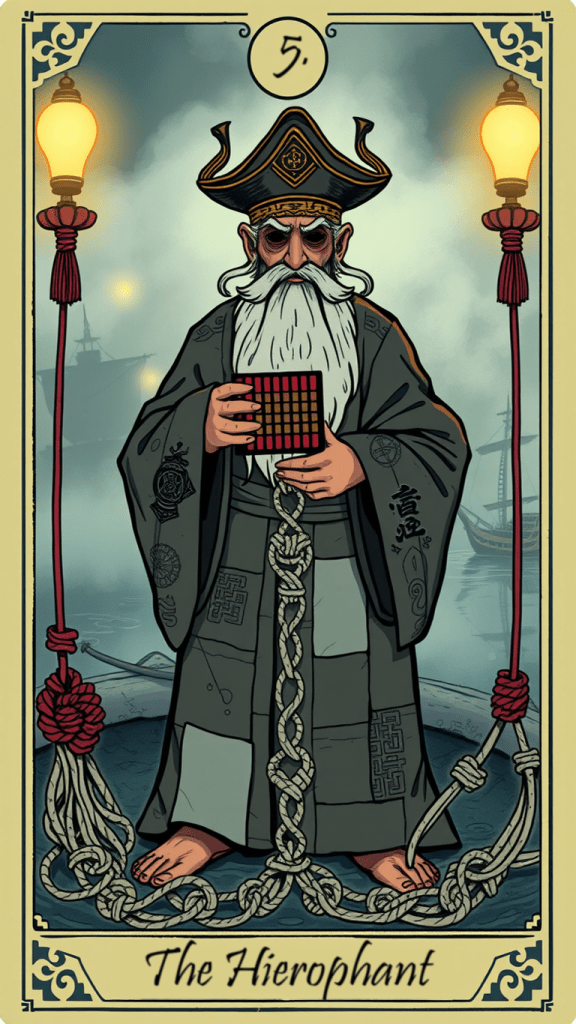
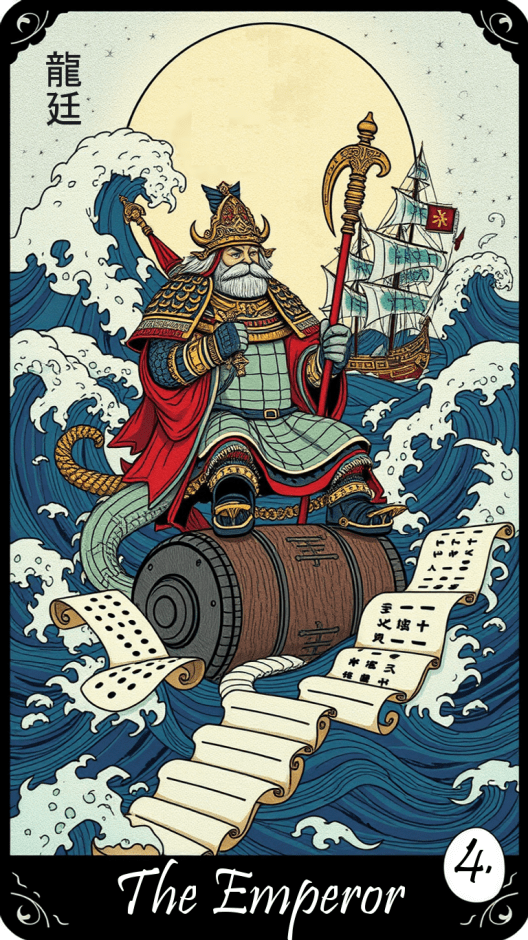


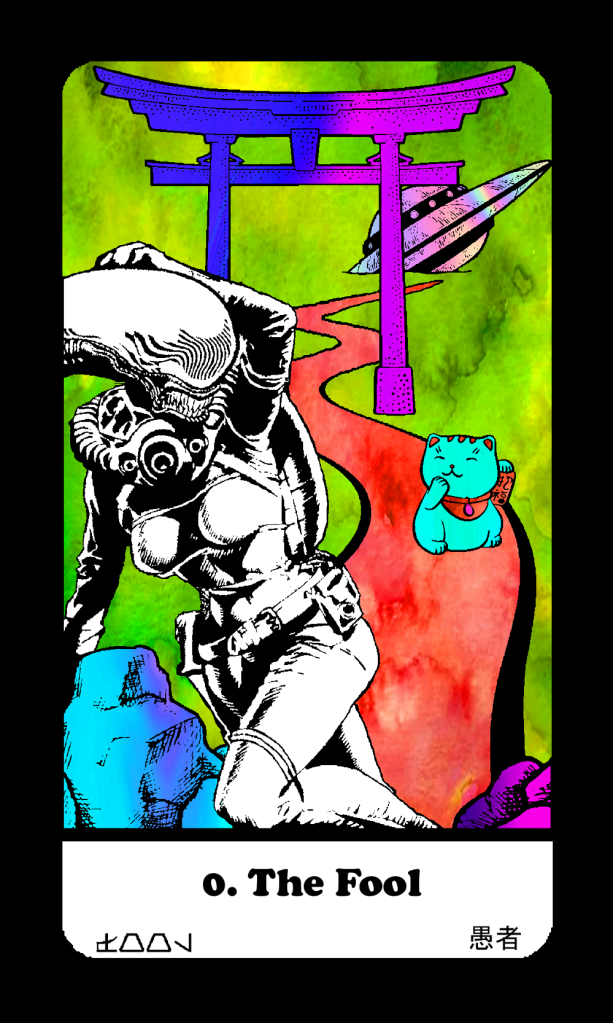
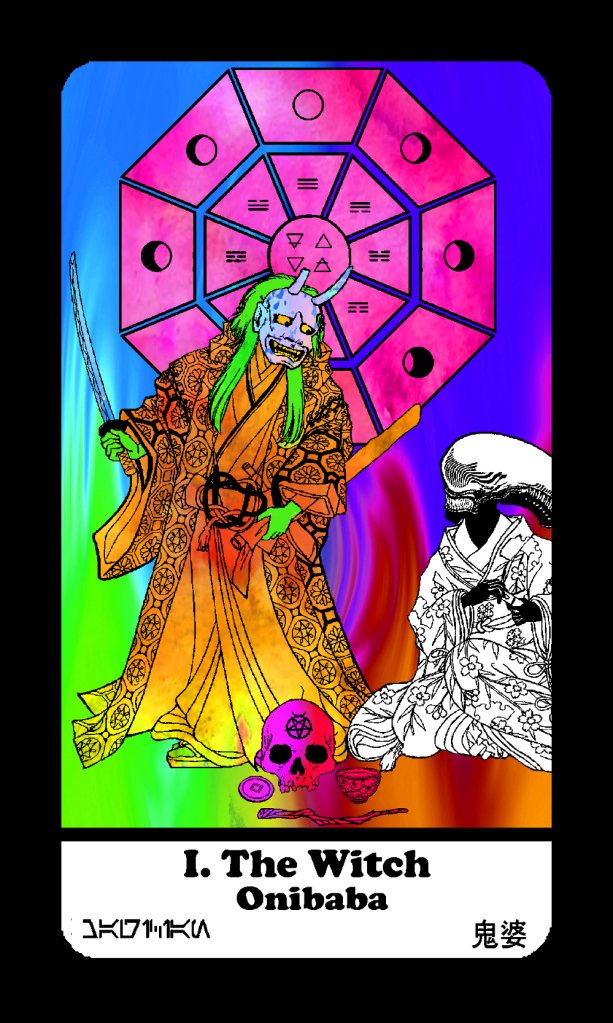

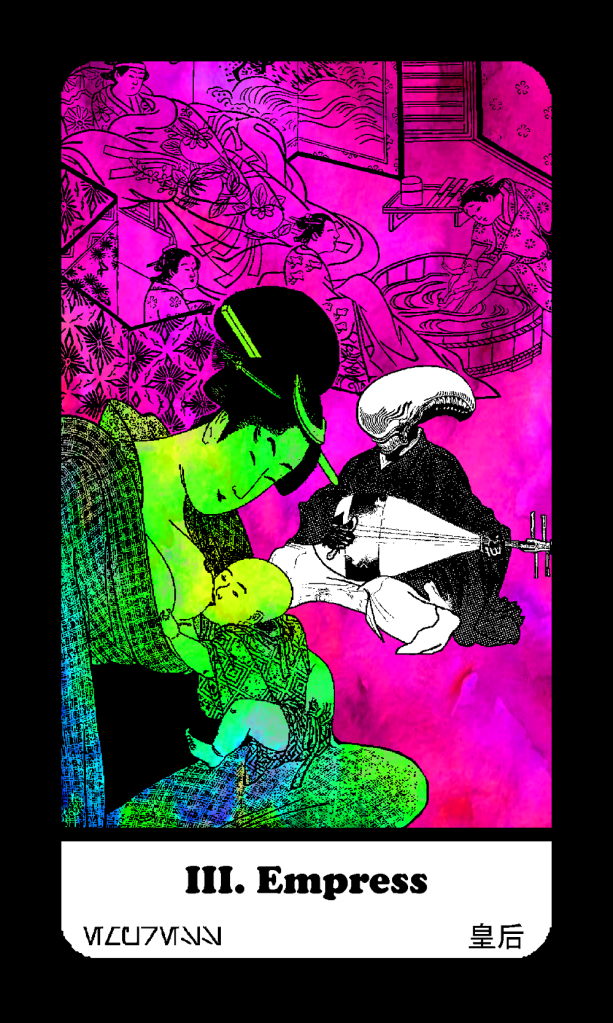

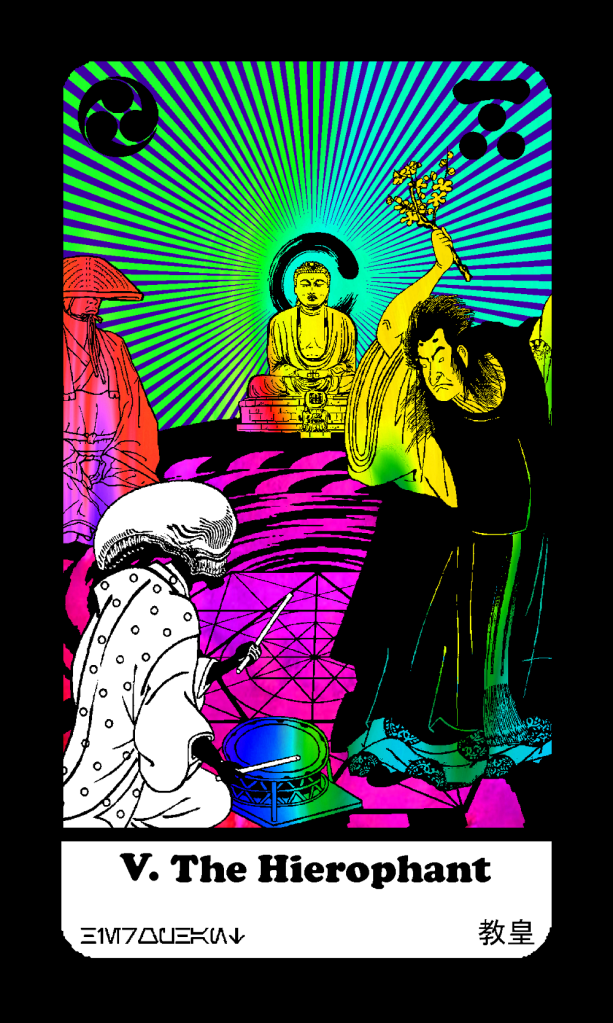
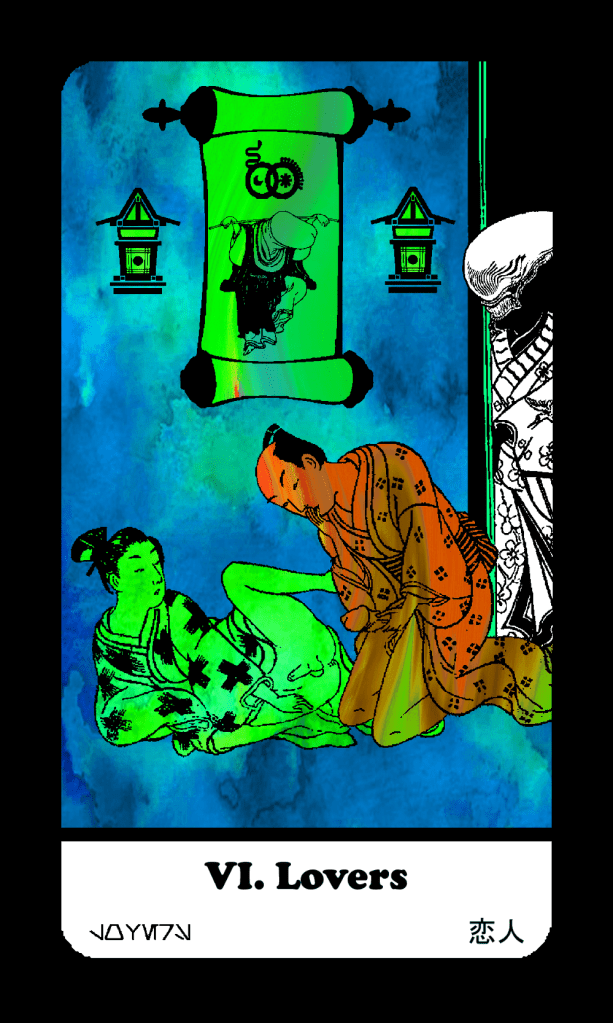


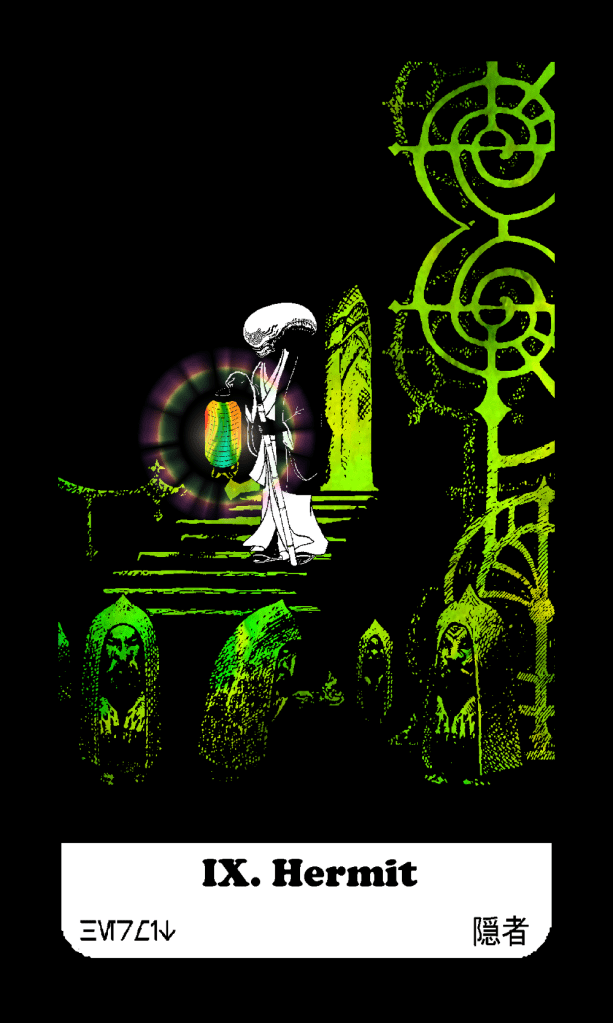

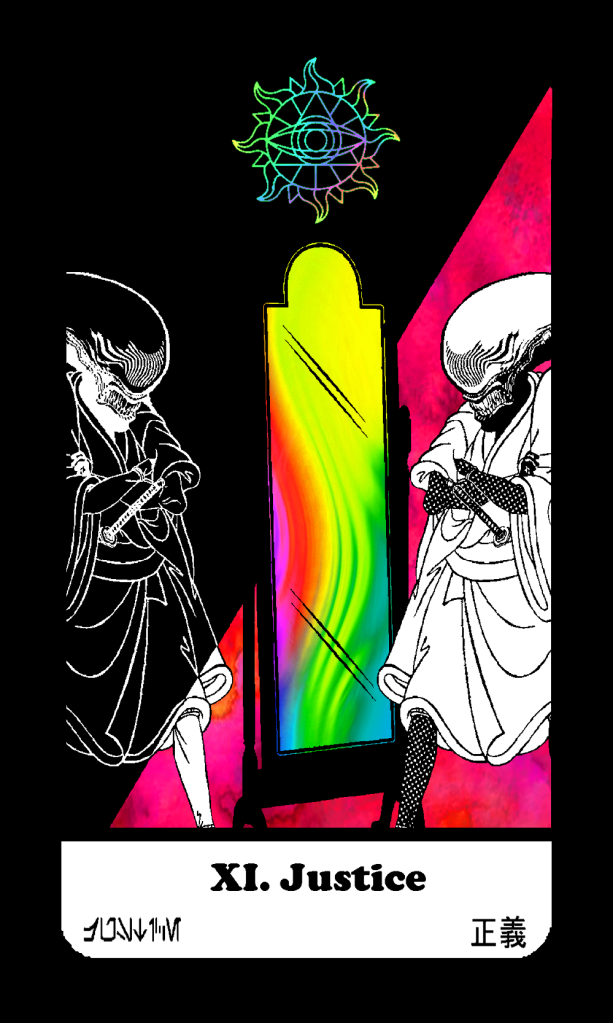
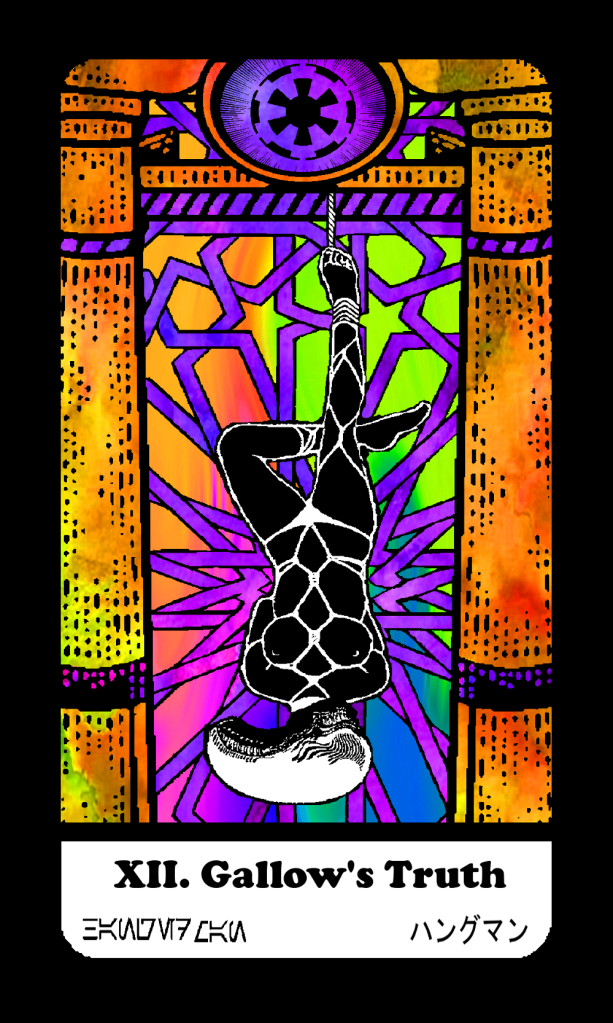
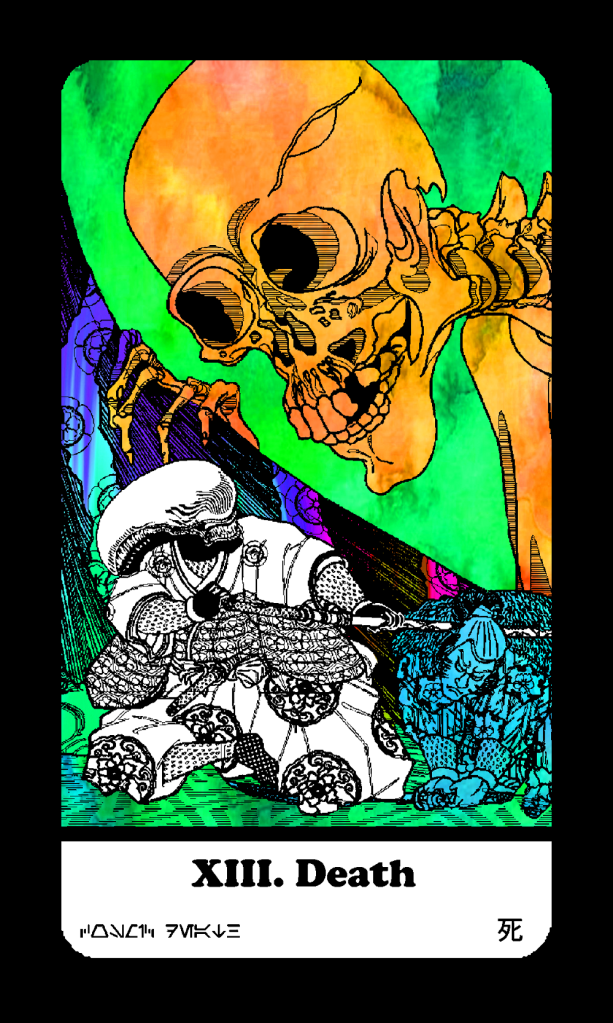
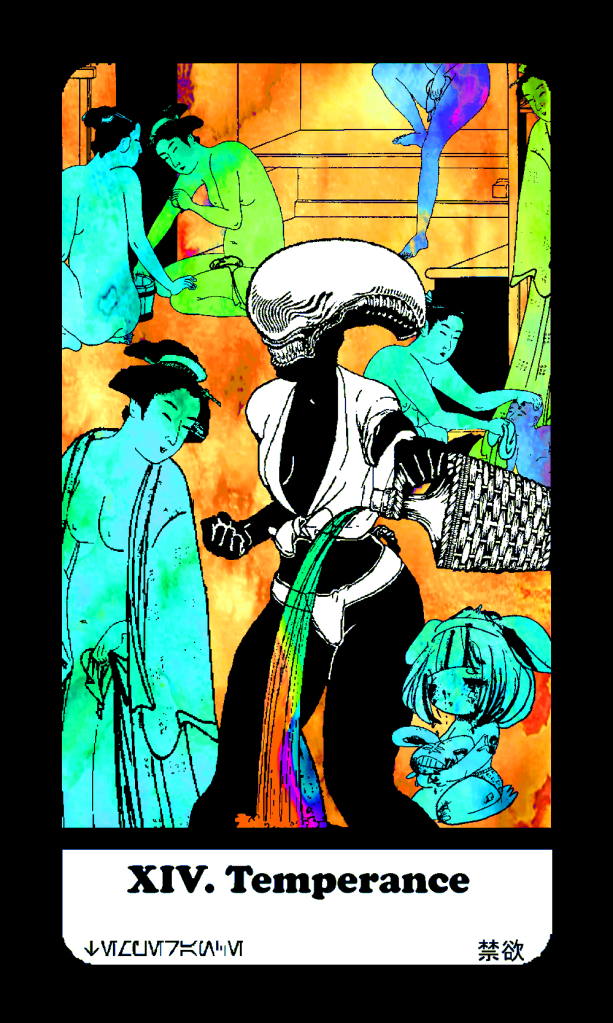
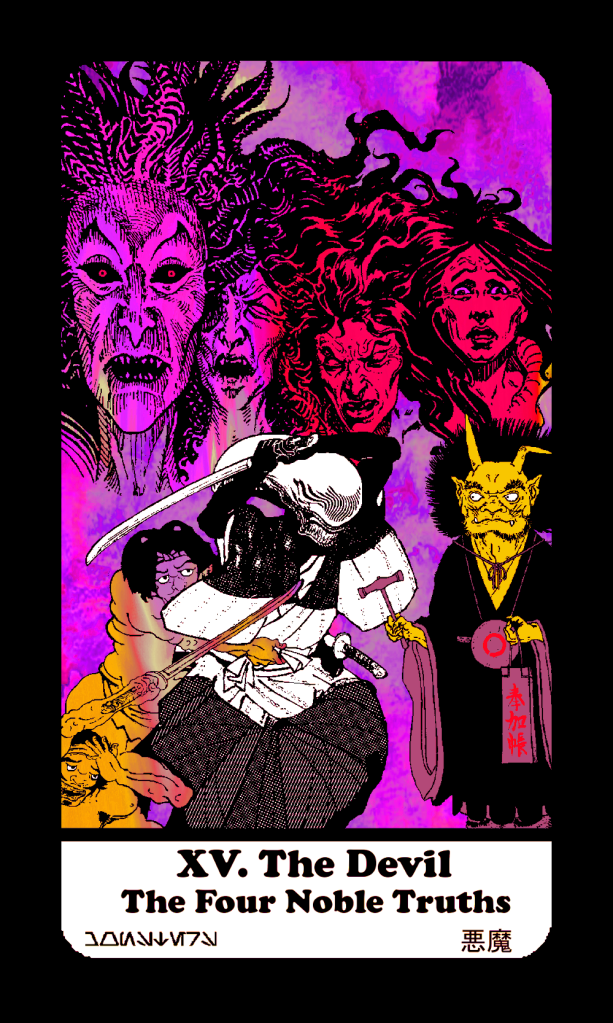


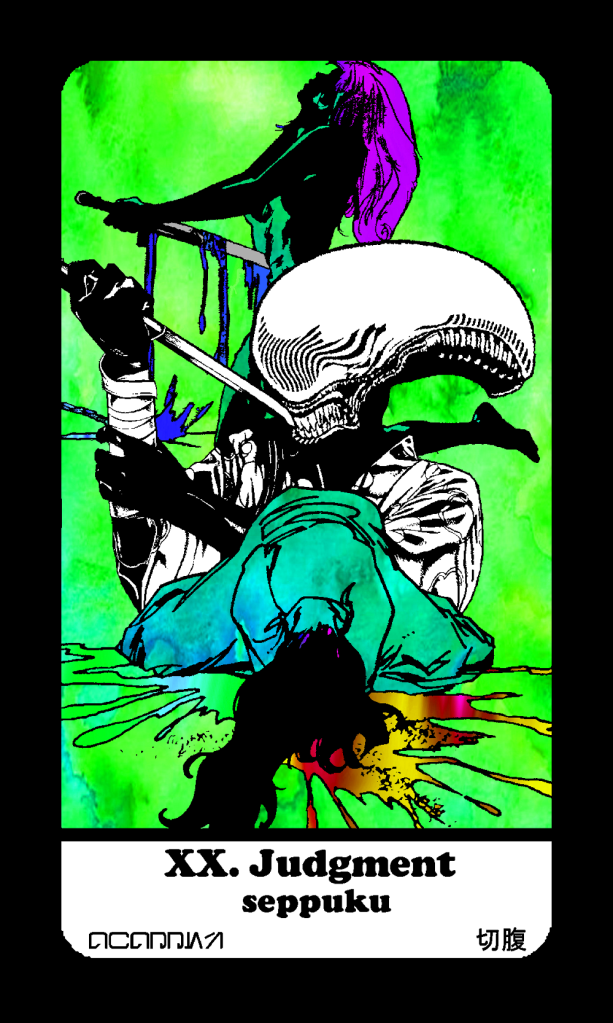
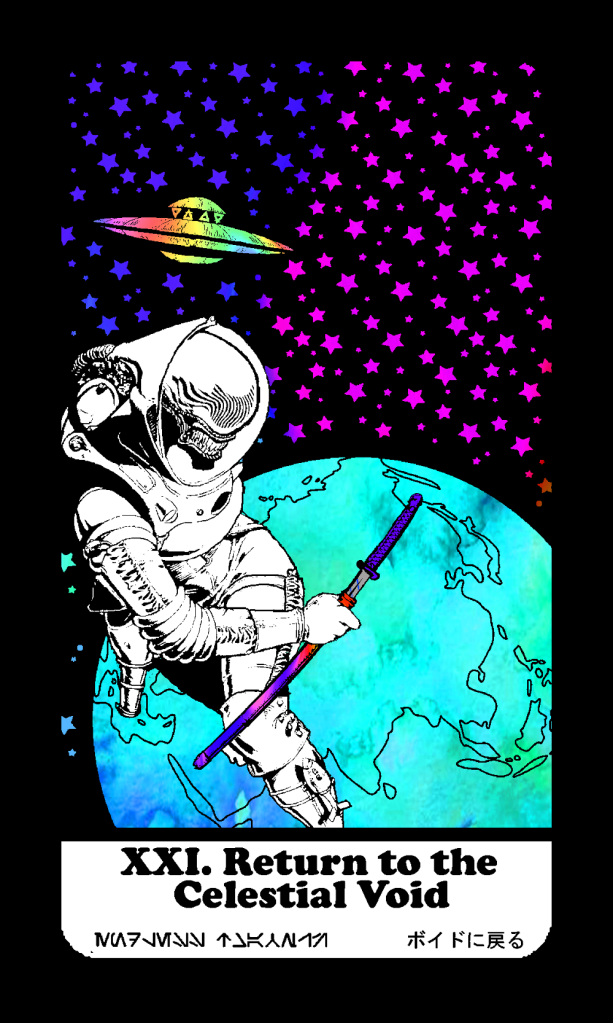
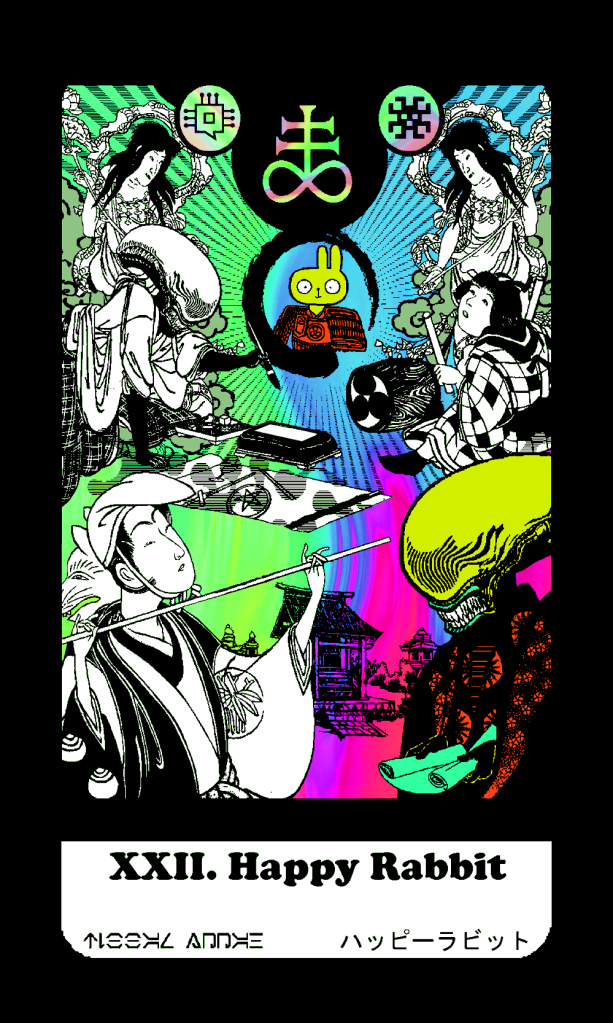
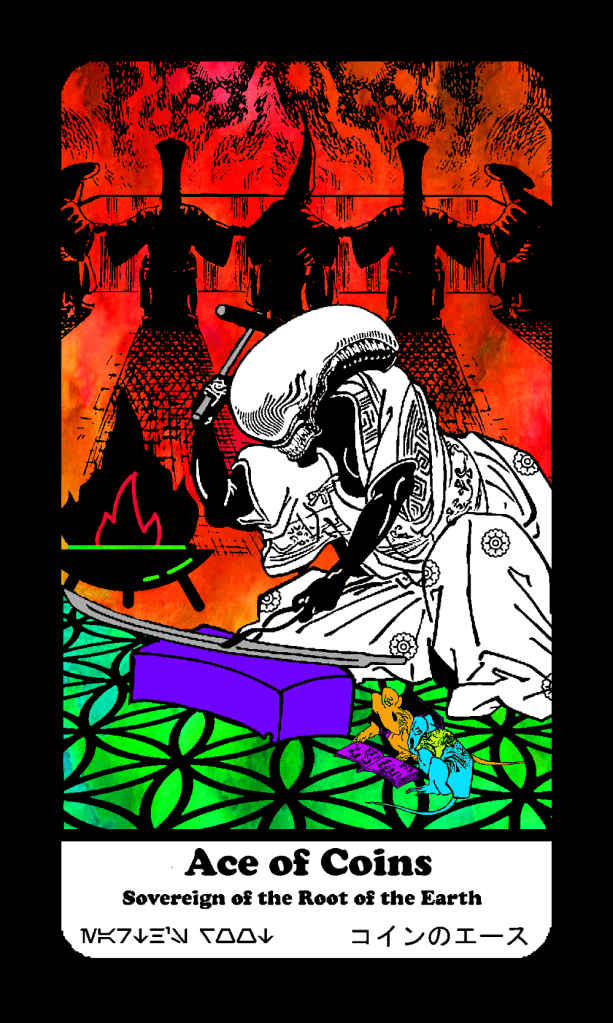
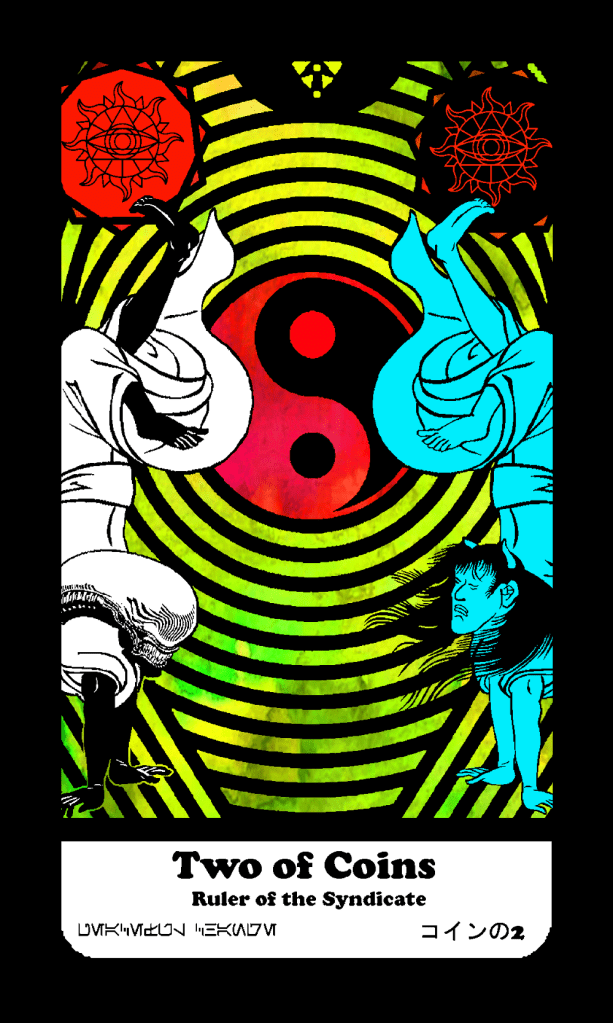

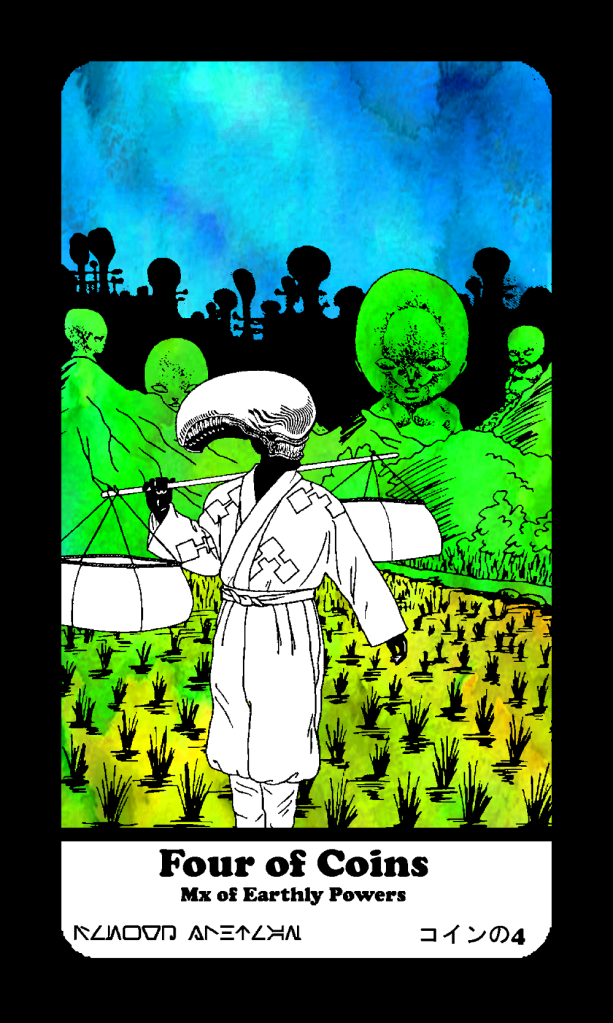

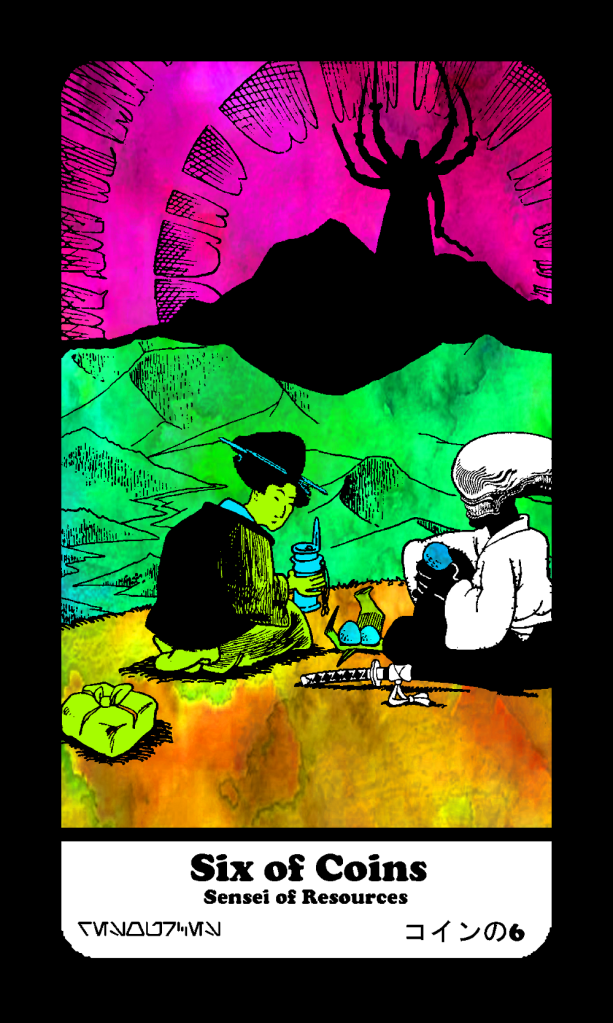
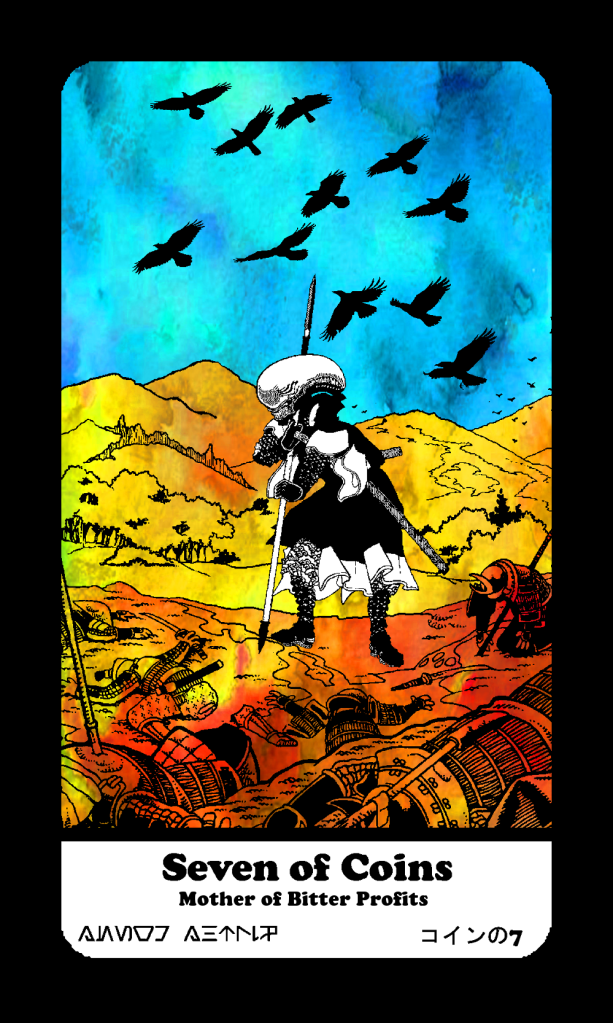


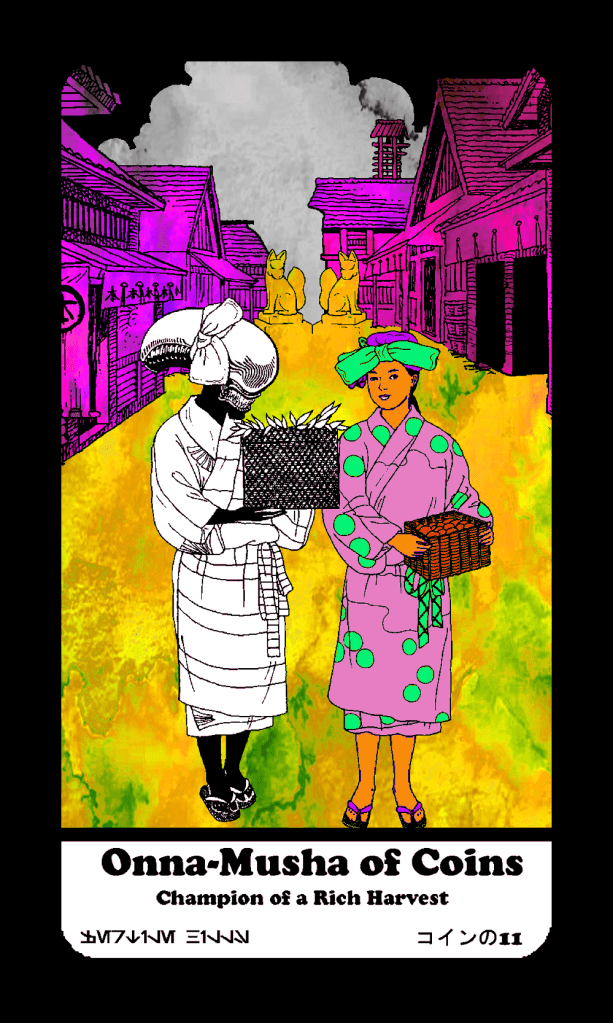

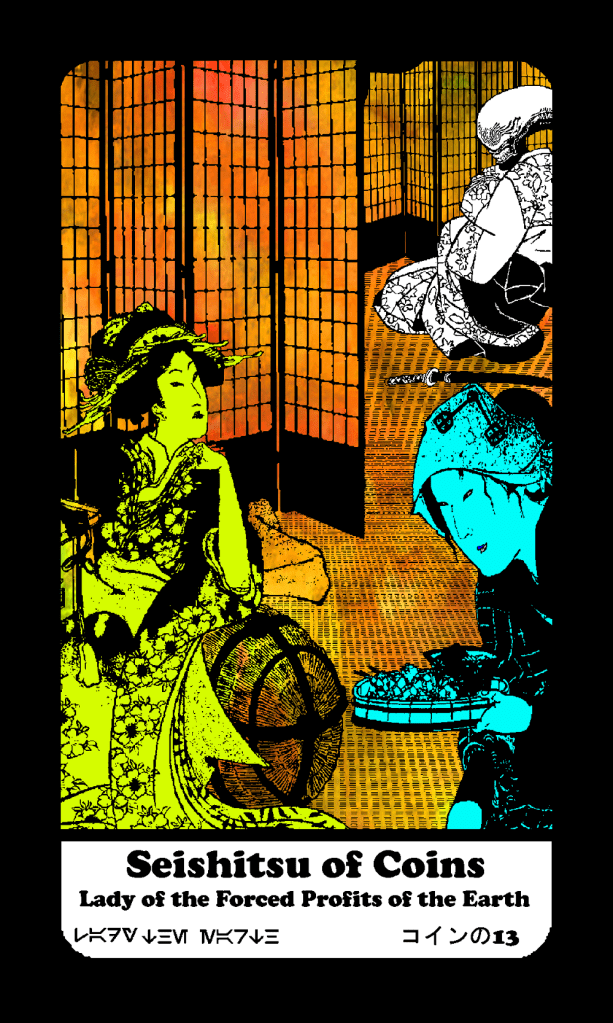

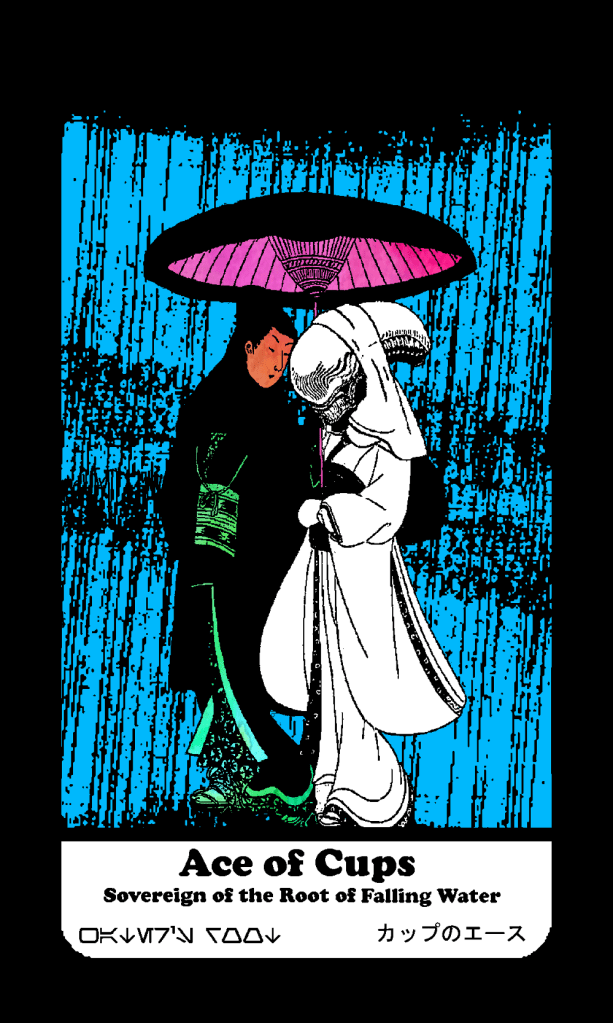


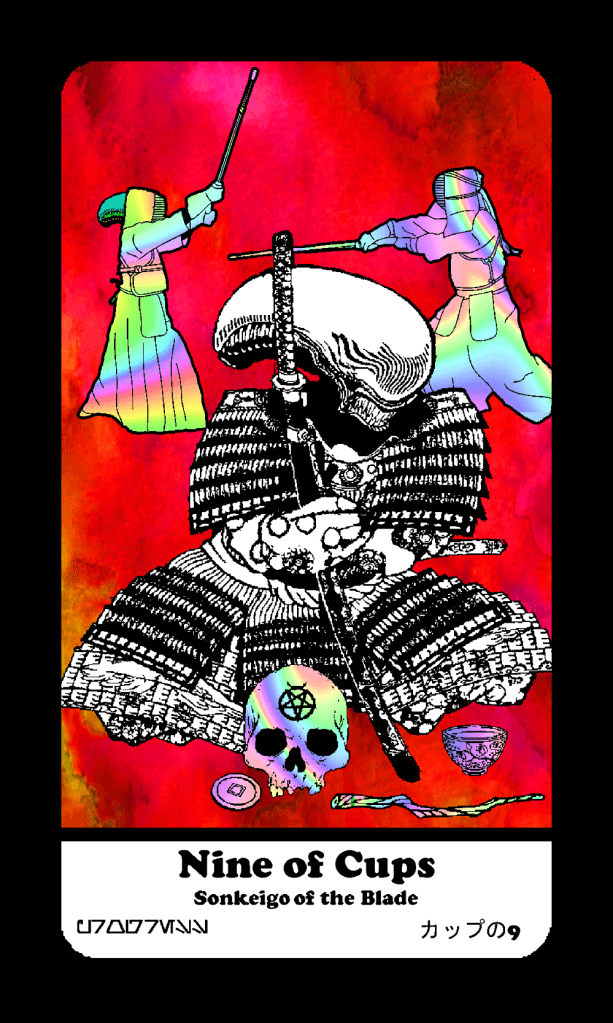


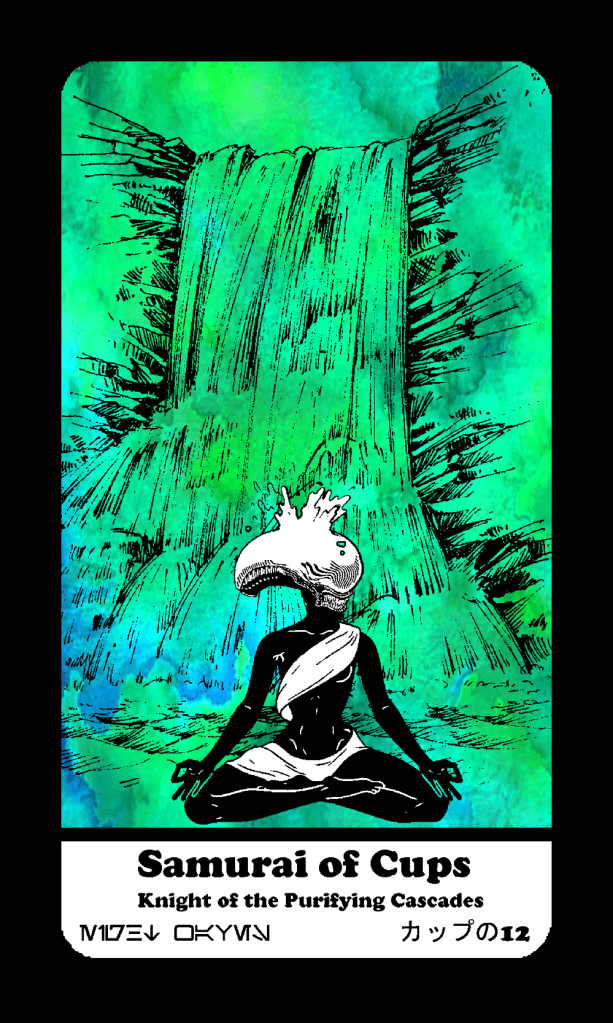
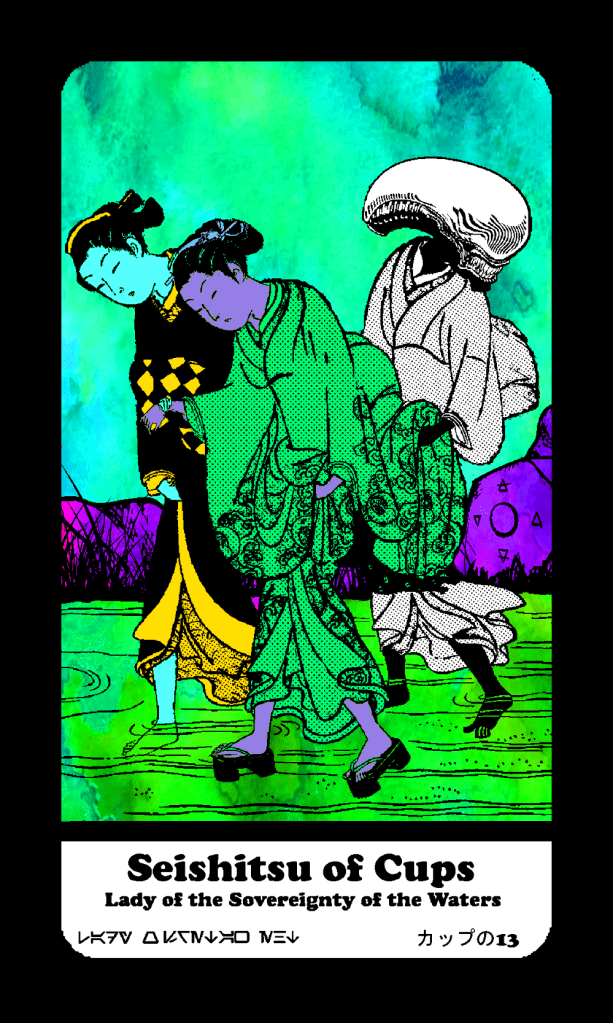


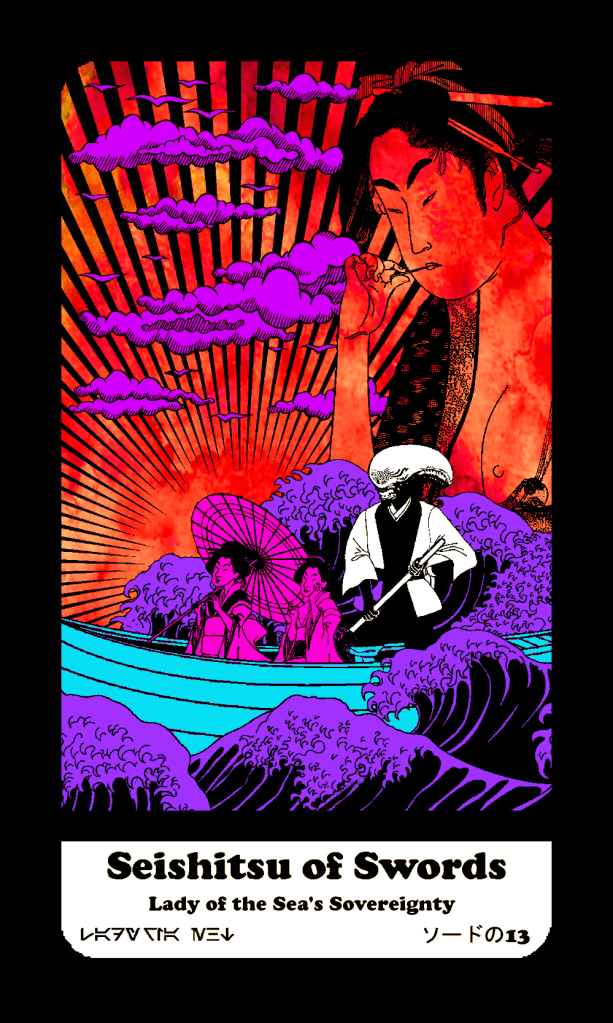


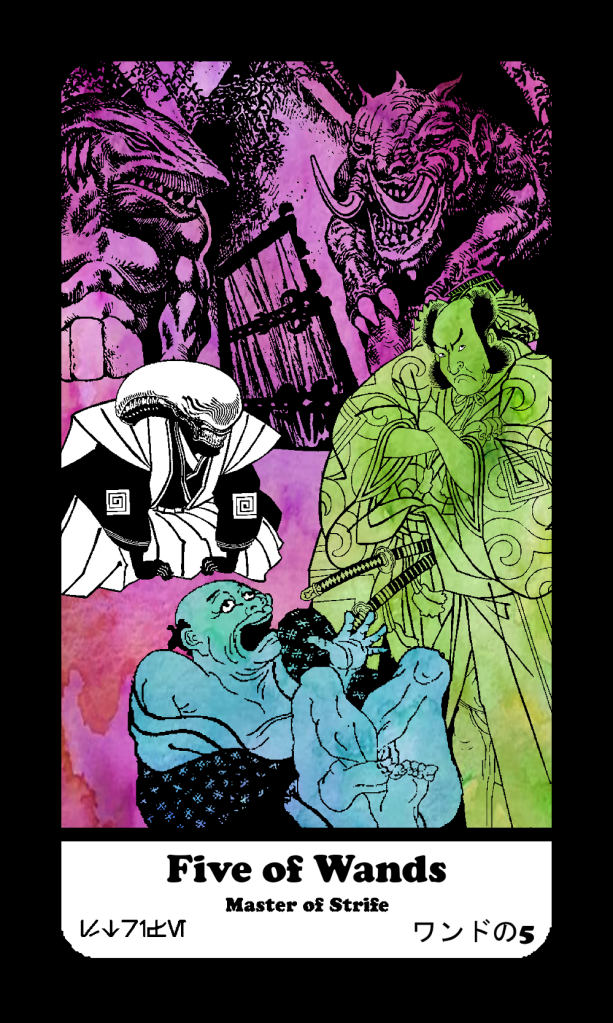
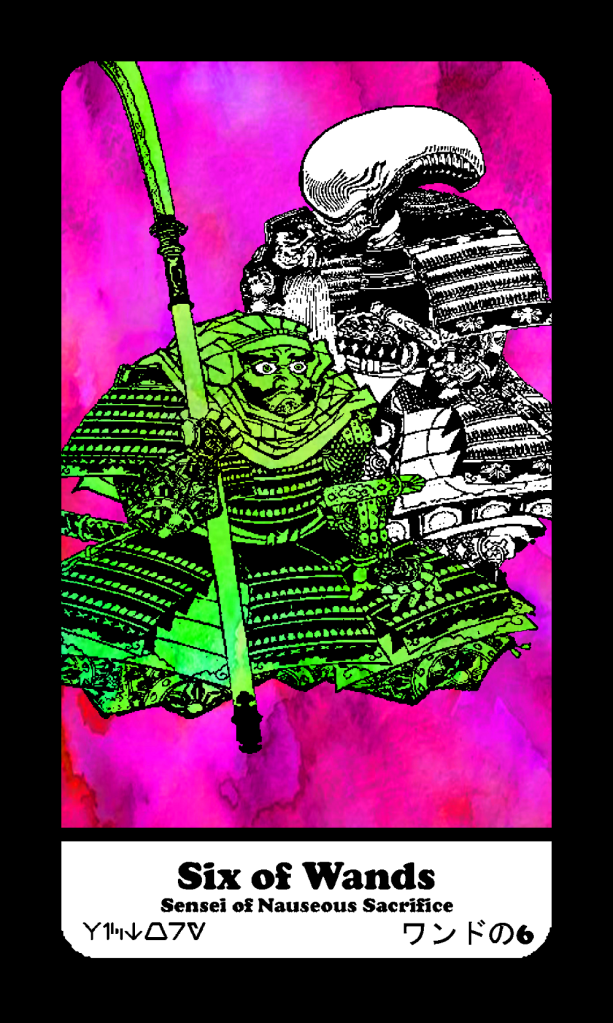

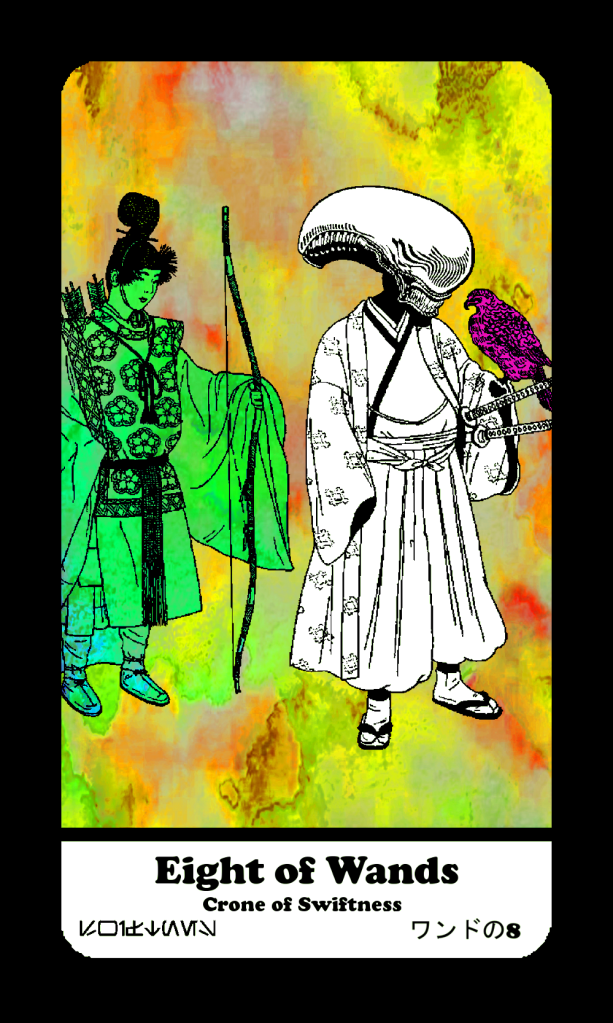


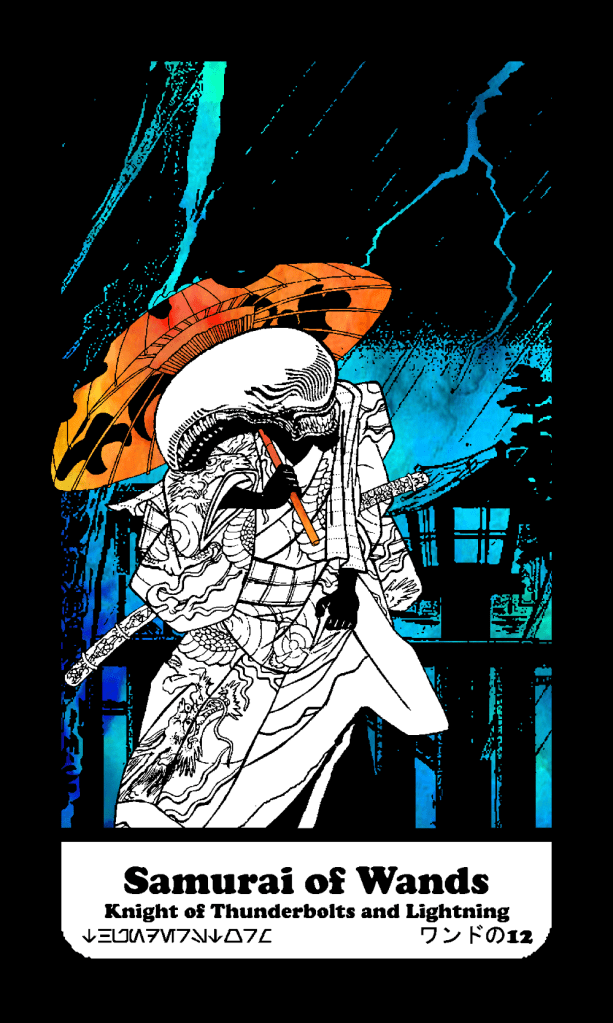

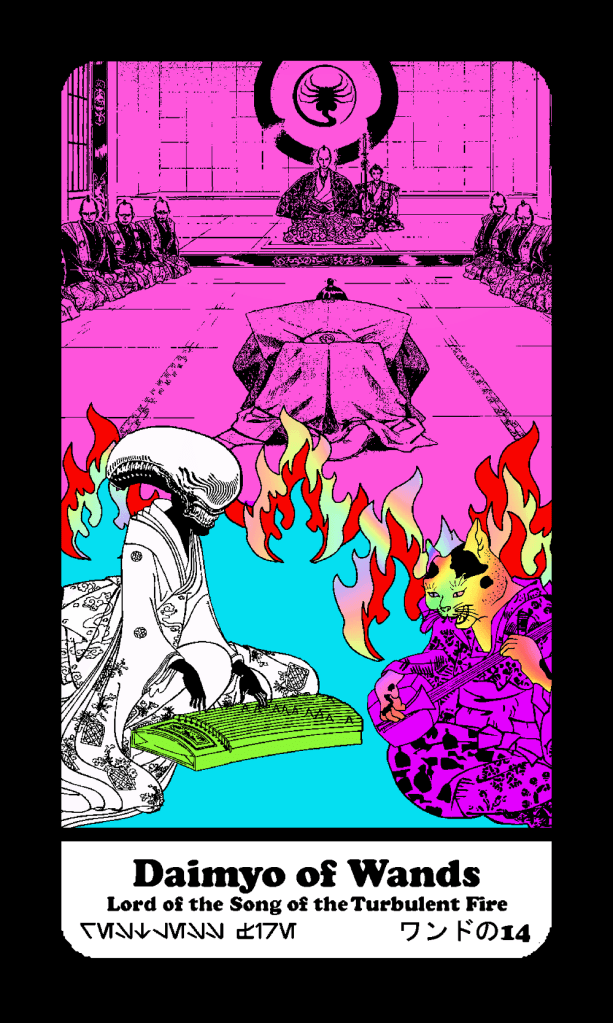


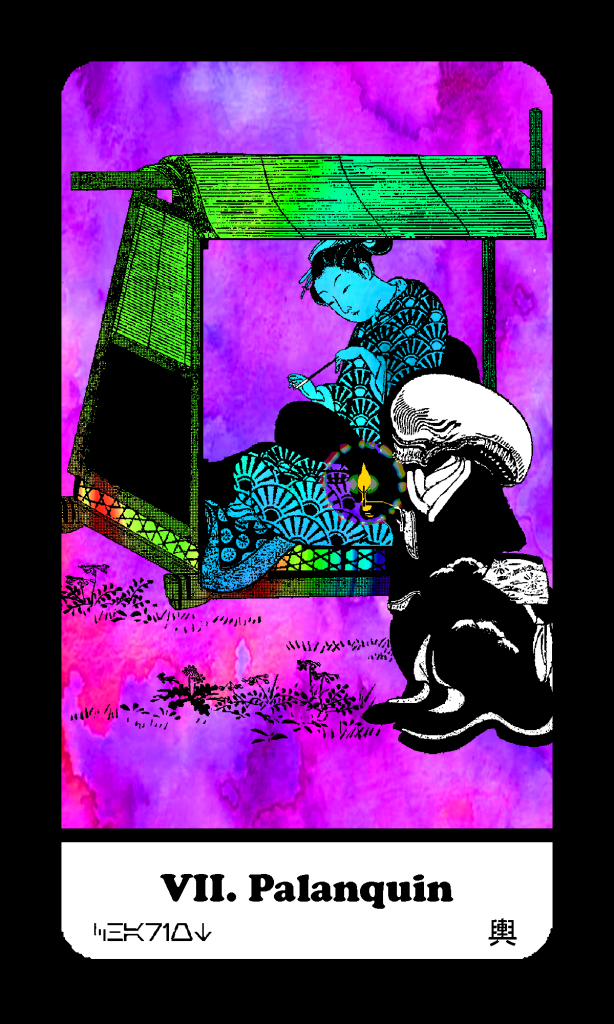
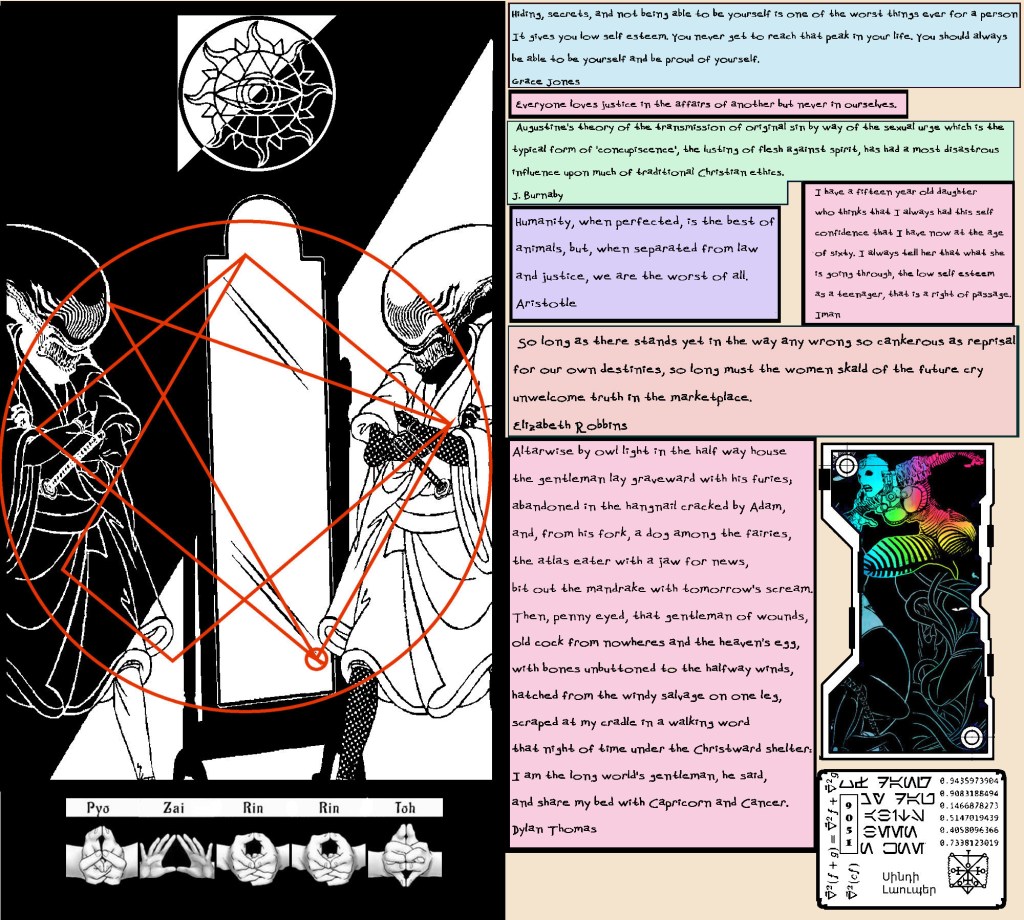
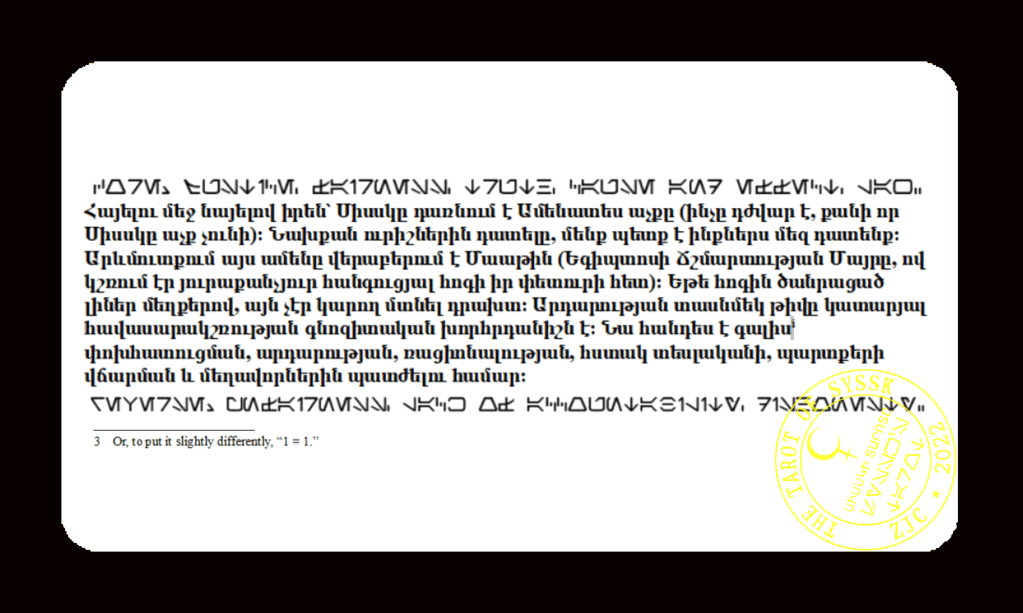
 memories of my ghost sista