• hopilavayi: an erotic dictionary

memories of my ghost sista

~ the dead are never satisfied

memories of my ghost sista

Category Archives: Armenia

17 Saturday May 2025

Posted by babylon crashing in Chinese, drama, Translation

≈ Comments Off on

Tags

act ii scene i, Blood Bodhisattva, Chinese translation, 血菩萨, retelling, Titus Andronicus, wuxia

发烧梦 / FEVER DREAM
「天如焦帛,血肉未忘所吞之誓。」
The sky like scorched silk; the flesh has not forgotten the vows it was forced to swallow.

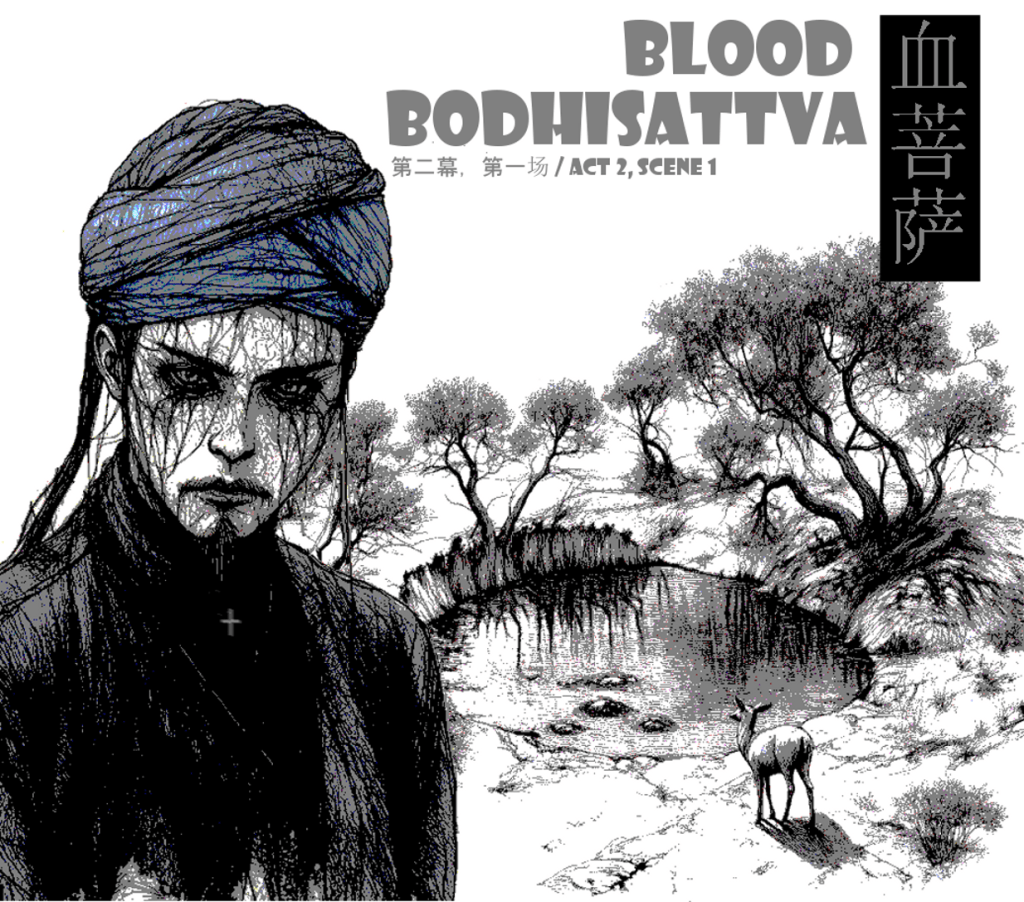
第二幕,第一场 / Act 2, Scene 1

[沙漠边缘,枯树下。]
[Edge of the desert, under a dead tree.]

蓝毒 / LÁN DÚ
“昨日身陷桎梏……今日?”
“Yesterday, in chains … Today?”
[她将手按向地面;大地发出痛苦的哀鸣。]
[She lays a hand against the ground; it cries in anguish.]

蓝毒 / LÁN DÚ (cont.)
“哈。连沙砾都畏惧我的触碰。”
“Hah. Even the sand recoils from my touch.”

黑都 / HĒI DÚ
“如今我们被抛弃了,母亲却在宫里舔着萨顿的靴子。”
“Now we are abandoned, and Mother licks Sàtǔn’s boots in the Palace.”

[巴希拉从阴影中现身。]
[Bǎ Xī Lā rises from out of the shadows.]

巴希拉 / BǍ XĪ LĀ
“迷途的小蛇,你们和我一样饥肠辘辘吧?想尝尝神明的血肉么?”
“Lost little snakes, are you as hungry as I am? Do you want to taste the flesh and blood of the gods?”

[巴希拉作势要拥抱蓝毒。她后退一步。]
[Bǎ Xī Lā moves as if to embrace Lán Dú. She steps back.]

蓝毒 / LÁN DÚ
“吻我,就是自取灭亡。”
“To kiss me is to destroy yourself.”

黑都 / HĒI DÚ
“你向一个无人得见的神明祈祷,但这救不了你。我们的贪欲……足以招致灭顶之灾。”
“You pray to a god no one can see, but it cannot save you. Our greed … is enough to bring disaster.”

[巴希拉猛地拽过黑都,粗暴地吻住她。他的脸并未因她的毒液而溃烂……毫无异状。]
[Bǎ Xī Lā suddenly grabs Hēi Dú and roughly kisses her. Instead of his face melting from her poison … nothing happens.]

蓝毒 / LÁN DÚ
“怎么可能?那绝非武学!那是……”
“How is that possible? That’s no martial art! That’s …”

巴希拉 / BǍ XĪ LĀ
“邪术?’那兽被赐予一张口,用以吐出狂言与亵渎之语。'”
“Deviltry? ‘And the beast was given a mouth to utter proud words and blasphemies.'”

黑都 / HĒI DÚ
“你为何跟踪我们?有何企图?”
“Why are you following us? What do you want?”

巴希拉 / BǍ XĪ LĀ
“小丫头,你的毒液连耶和华都要避让,而我,早已凌驾于耶和华之上。”
“Little girl, even Yahweh would shun your venom—but I have already surpassed Yahweh.”

黑都 / HĒI DÚ
“‘耶和华?'”
“‘Yahweh’?”

巴希拉 / BǍ XĪ LĀ
“异族语言的异族词汇。我的舌头尝过你,滋味……妙不可言。”
“A foreign word from a foreign tongue. My tongue has tasted you, and the flavor … divine.”

蓝毒 / LÁN DÚ
“你究竟想要什么?”
“What exactly do you want?”

巴希拉 / BǍ XĪ LĀ
“《五毒女经》有云:’凡以腹匍匐者,皆为不洁。’我只要你们最珍视之物。”
“The Five Poisons Scripture says: ‘All that crawl on their bellies are an abomination.’ I want only what you hold most dear.”

黑都 / HĒI DÚ
“我们的贞洁岂容你玷污!”
“We won’t let you defile our chastity!”

巴希拉 / BǍ XĪ LĀ
“‘处女之身’?真古怪。不,小蛇们,我渴望的是你们丹田里盘绕的……你们毒液般的黑色莲花。”
“‘Chastity’? Quaint. No, little snakes, I desire the black lotus curled in your Dāntián … your venomous core.”

蓝毒 / LÁN DÚ
“我不明白。”
“I don’t understand.”

巴希拉 / BǍ XĪ LĀ
“当然。你、你母亲、宫里那群蠢货……无人知晓末日为何物,更不知它如何降临。”
“Of course you don’t. You, your mother, those fools in the Palace … none of you know what the end of days means, let alone how it arrives.”

黑都 / HĒI DÚ
“‘末日’?无稽之谈。”
“‘Doomsday’? Ridiculous.”

蓝毒 / LÁN DÚ
“你说话像打哑谜。”
“You speak in riddles.”

巴希拉 / BǍ XĪ LĀ
“唯有不信者才觉得晦涩。你们渴望不可得之物。只要忠于这份渴望,自会得偿所愿。”
“Only the faithless find it obscure. You hunger for what cannot be had. Stay loyal to that hunger—and it shall be fed.”

蓝毒 / LÁN DÚ
“‘有奖励吗?'”
“‘Rewarded’?”

黑都 / HĒI DÚ
“你岂知我们心中所想?”
“How do you know what lies in our hearts?”

巴希拉 / BǍ XĪ LĀ
“呵!我岂会不知?明日,我们尊贵的新皇后将携众人出宫透气。沙漠中有片绿洲时隐时现,人称诅咒之地……却有鹿群冒险饮水。”
“Hah! How could I not know? Tomorrow, our noble new empress will lead the court beyond the palace walls. There’s an oasis in the desert, a cursed place that comes and goes … yet the deer still dare drink from it.”

蓝毒 / LÁN DÚ
“然后呢?”
“Then what?”

巴希拉 / BǍ XĪ LĀ
“不仅仅是欲望。不仅仅是荣耀。你所追求的是……”
“Not just desire. Not just glory. What you seek is …”

黑都 / HĒI DÚ
“复仇。”
“Revenge.”

巴希拉 / BǍ XĪ LĀ
“为你妹妹。为你母亲。明日,那群蝇营狗苟之徒将散落在诅咒之水畔,浑然不觉……任人宰割。”
“For your sister. For your mother. Tomorrow, those petty parasites will be spread along the banks of cursed waters, oblivious … ripe for slaughter.”

蓝毒 / LÁN DÚ
[恍然] “便于我们……设伏。”
[Suddenly] “It’ll make it easy for us … to set an ambush.”

黑都 / HĒI DÚ
“……如果我们自己去打猎的话!”
“… if we do a little hunting of our own!”

巴希拉 / BǍ XĪ LĀ
“正是。”
“Exactly.”

蓝毒 / LÁN DÚ
“巴希拉,妙极!初来时还以为你不过是母亲的玩物……没想到竟是五毒宗高人。”
“Bǎ Xī Lā, brilliant! When I arrived, I thought you were just Mother’s pet … but you’re a true master of the Five Poisons Sect.”

黑都 / HĒI DÚ
“姐姐,回宫!明日必有好戏。”
“Sister, let’s return to the Palace! Tomorrow, the real show begins.”

[双胞胎离去,她们的残影如热浪中的蜃楼,缓缓消散。]
[The twins depart. Their afterimages shimmer like heat mirages and slowly vanish.]

巴希拉 / BǍ XĪ LĀ
“快滚吧,小蜈蚣。你们五毒教终将覆灭。纵是耶和华也会骇然背过脸去。’……见有一匹灰色马,骑在马上的,名为死亡,阴府紧随其后。'”
“Run along, little centipedes. Your Five Poisons Sect will be destroyed. Even Yahweh would turn his face in horror. ‘And I looked, and behold a pale horse: and his name that sat on him was Death, and Hell followed with him.'”

15 Thursday May 2025

Posted by babylon crashing in Chinese, drama, Translation

≈ Comments Off on

Tags

Act 1, Blood Bodhisattva, Chinese translation, 血菩萨, poem, retelling, Titus Andronicus, wuxia

DRAMATIS PERSONÆ [so far]

GENERAL TIĀN MǓ [天母] Elderly military commander.

DÀ LÁNG [大狼] Head of the Five Poisons Sect, whom Tiān Mǔ has been waging war against for decades.

SÀTǓN [萨吞] Eldest daughter to the late Empress.

BÁI SĪ [白丝] Youngest daughter to the late Empress; in a power struggle with Sàtǔn for the throne.

TIĚ GŪ [铁姑] Court official and Tiān Mǔ’s sister.

BǍ XĪ LĀ [巴悉拉] European, Nestorian Christian missionary with a demonic apatite for destruction.

TIĀN YÒU [天佑] Scholar, poet and Tiān Mǔ’s son.

IRON MOUNTAIN BLADES. [Tiān Mǔ’s personal guards.]

TIĚ YĪNG, TIĚ LIÁN, TIĚ LÍNG and TIĚ XUÈ. [Tiān Mǔ’s Daughters.]

HUĪ DÚ, LÁN DÚ and HĒI DÚ [Dà Láng’s Daughters.]

LǏGUĀN, YÙSHǏ and JINYIWEI. [Imperial Court Officials.]

֍

《血菩萨。》第一幕·第一场
“Blood Bodhisattva.” Act I
一 Scene I

《铁碎骨,羽没血,双姝启神不可封之伤。》
[Iron grinds bone, feathers drown in blood, two sisters open the wound no god can close.]

[玉门国·千剑宫外。]
[Yumen Kingdom · Outside the Thousand Swords Palace
。]

[战鼓裂云,幕启时,白思与萨囤对峙宫阶之上。铁牛、天鹤两派弟子于阶下血战。宫门处,礼官肃立,御史执笔,锦衣卫刀出半鞘,静若石雕。]
[War drums tear at the clouds as the curtain rises, Bái Sī and Sàtūn stand frozen on the palace steps. Below, their Iron Ox and Heavenly Crane disciples wage war. At the gates, Lǐguān stand rigid, Yùshǐ clutch ink-brushes and Jinyiwei guards rest hands on half-drawn blades, silent as carved sentinels.]

萨囤 / SÀTŪN.

[斩马刀啸空而过,尘暴如龙卷起。]

[Her Zhanmadao screams through air, whipping up a dust-whirlwind.]

“铁牛门下!“

“Sons and daughters of the Iron Ox!”

“朕即凤诏,天命在刃!“

“I am the Phoenix’s living edict, the Mandate burns in my steel!”

“和我一起站起来,铸就历史的栋梁!“

“Stand with me and be forged into history’s pillars!”

“叛龙者 …“

“Betray me …”

[刀光一闪,宫灯齐灭。]

[A blade-flash—every palace lantern gutters out.]

萨囤 / SÀTŪN [cont.]

“… 九族诛尽,宫门悬颅!“

“… And I’ll hang your bloodline’s skulls from the palace gates!”

白思 / BÁI SĪ.

[双针剑作鹤翼式,冷笑。]

[Needle-swords flash into crane-wing stance, her sneer colder than moonlight.]

“天命?” [冷笑。]

“The Mandate?” [Laugh like cracking ice.]

“弑亲之血,也配称凤?“

“Can a kinslayer’s hands still clutch the Phoenix’s crown?”

“天鹤展翅!“

“Heavenly Crane spreads its wings!”

[她的双剑如振翅之羽轻颤——鹤之优雅中藏蝎之毒。她的门人齐声高鸣,宛如绢帛被利刃撕裂的尖啸。 ]

[Her blades shiver like pinions mid-strike—the crane’s grace laced with scorpion’s venom. Her faction echoes with choral crane-cries, a sound like silk tearing on sword-edges.]

白思 / BÁI SĪ [cont.]

“重器非在冠冕,而在德行。“

“True power lies not in crowns, but in virtue.”

“尔自比狂风?不过瘈狗吠日!“

“You call yourself a storm? A rabid dog barking at heaven!”

[她的战士们的呐喊声响彻云霄——铁牛队伍摇摇晃晃,阵型散乱。]

[Her warriors’ cries pierce the air—the Iron Ox ranks stagger, their formation fraying.]

铁姑 / TIĚ GŪ.

[持碧玉令,九节鞭缠腰。满场肃杀。]
[Enters with the Jade Scepter, her 9-section whip coiled around her hips. The air thickens, sharp as a guillotine’s edge.]

“骨肉相残之座,未雪先倾。“
“The throne built on sister-blood collapses, before winter’s first snow can hide its sins.”

“今奉碎玉令,迎天母将军班师 …”
“By the Broken Jade Seal, I declare General Tiān Mǔ regent …”

“五毒教之役,当终今日。“
“Her war against the Five Poisons Sect ends now.”

“散!“
“Disperse!”

“… 否则御史以刻石指铭罪,鬼神同泣!“
“… Or the Yùshǐ’s Stone-Carving Finger will engrave your crimes so deep, even gods and ghosts will wail!”

[御史的一击落地——指尖击碎了大理石地板,裂开了蜘蛛网,如同下了判决书一般。]

[The Yùshǐ’s strike lands—fingertips shatter the marble floor, cracks spider-webbing like a verdict.]

萨囤 / SÀTŪN.

[见玉阶旁书生所留的砚台,冷笑。]

[Spots an inkstone left by a fleeing scholar, her lips curl.]

[脚踢翻,墨泼阶如血。]

[Her boot flips it, black ink gushes down the steps like a slit throat.]

“刻啊!“

“Carve this!”

“让后世记得 …”

“Let history remember …”

[锦衣卫刀光映墨,凤鸣凄厉。]

[Jinyiwei blades gleam with reflected ink, their phoenix-cry a funeral dirge.]

[白思的鹤簪坠地,羽尖沾墨。]

[Bái Sī’s crane-hairpin clatters, its feather-tip staining black.]

萨囤 / SÀTŪN [cont.]

“… 铁牛将军之妹执印却不敢执刃!“

“… the Iron General’s sister clutches seals, but flees from steel!”

铁姑 / TIĚ GŪ.

[举令,寒声。]

[Raising the Jade Order, her voice colder than a tomb’s breath.]

“刻石遗臭,万古流秽。“

“Let stone etch your reek, let ten thousand generations gag on your name.”

[玉阶震颤,如畏其言。]

[The jade steps tremble, as if fearing her decree.]

铁姑 / TIĚ GŪ [cont.]

“母皇遗诏刻于玉,非书于血。“

“The Empress’ will was carved in jade, not scribbled in traitors’ blood.”

[锦衣卫刀锋低鸣,似凤泣先帝。]

[Jinyiwei blades hum, a phoenix weeping for the dead sovereign.]

白思 / BÁI SĪ.

[凝视没羽,墨渍如泪,轻叹后扬声道。]
[Gazes at the drowned feather, ink seeping like tears, then her voice lifts, clear and cold.]

“血缘始,血缘终。”
“By blood it began, by blood it ends.”

[向铁姑鞠躬,腰如竹折而不断。]
[She bows to Tiě Gū, back bent like bamboo, unbroken.]

白思 / BÁI SĪ [cont.]

“我臣服 …”
“I yield …”

“非顺汝刃,乃顺天佑。”
“Not to your blade, but to Heaven’s decree.”

[白袍众退如雪崩,寂然无声。]
[Her disciples retreat like an avalanche in reverse, soundless, deliberate.]

白思 / BÁI SĪ [cont.]

“愿鹤唳引慈母之手。”
“May the crane’s cry guide my Mother’s hand.”

[此言如刃,悬于天下咽喉之上。 ]
[The words hang, a knife at the world’s throat.]

白思 / BÁI SĪ [cont.]

“雪退散…”
“The snow withdraws…”

[… 然寒入骨,千年不化。]
“…but frost lingers in the bones and will not thaw for a thousand years.”

萨囤 / SÀTŪN.

[斩马刀寒光隐现,似判决半出鞘。她目光灼烈,胜过大漠热风。 ]

[Her Zhanmadao gleams, a verdict half-unsheathed. Her gaze burns hotter than the desert wind.]

“名铸剑出,不悔不归。”

“My name is forged in steel, my blade thirsts without remorse.”

[铁牛派虽退,手不离刀。]

[The Iron Ox faction withdraws, but every finger still curls around cold steel.]

萨囤 / SÀTŪN [cont.]

“让玉门断壁 …”

“Let the ruins of the Jade Gate …”

[刀锋划地,裂石如骨碎。]

[Her saber splits the earth, stone shatters like a spine.]

萨囤 / SÀTŪN [cont.]

“…由此断定,谁之血脉承载真凤天命! “

“… decide whose veins bear the Phoenix’s truth!”

[众人退却之际,守卫扬起玉尘,五行阵于空中隐现旋转,倏然破散,恍若凤凰涅槃重生。 ]

[As factions retreat, guards raise jade-ash, the Wuxing symbols form then dissolve like a phoenix’s rebirth from the ash.]

[幕落,唯余 —]

[The curtains close on –]

萨囤之刀 [Sàtūn’s blade]

插于玉阶 [Embedded in jade steps]

白思之羽 [Bái Sī’s feather]

飘向冷月 [Drifting toward the icy moon]

铁姑的鞭 [Tiě Gū’s whip]

缠着半截断诏 [Coiled around a torn edict]

上书: [which reads:]

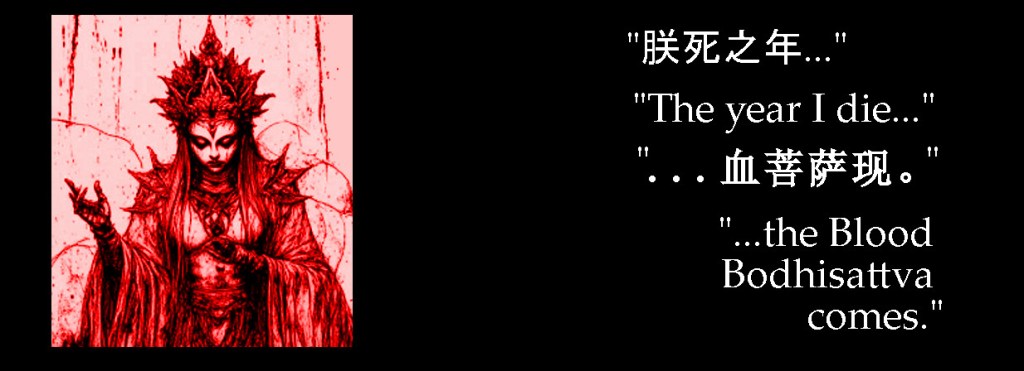
“朕死之年…”

“The year I die…”

“…血菩萨现。“

“…the Blood Bodhisattva comes.”

֍

[第一幕,第二场] ACT I · SCENE II.

[剑冢森森,魂灯荧荧]
[A forest of grave-swords; ghost-lanterns flicker blue.]

[祖剑堂 · 地宫]
[Ancestral Sword Hall · Underground Crypt.]

[战鼓渐歇,丧钟低鸣。地宫穹顶垂百剑,剑柄为碑。二十石台空置,待天母众女。青烟如蛇,盘绕尸骨未寒之刃。]

[War drums fade; funeral bells toll low. A cavern glows with yin-blue lanterns. From the ceiling hang a hundred swords, hilt-down, each a grave-marker. Twenty empty stone plinths await Tiān Mǔ’s fallen daughters. Incense coils like serpents around blades still slick with death.]

[铁链声响。铁链与铁翎押阵,铁山刀卫捧灵位与佩剑次入,后随铁英、铁血。天母戎装未卸,甲上犹带草原尘沙。大狼与其女[灰毒、蓝毒、黑毒]棘链缚身。末入巴悉拉,景教十字暗芒浮动。]
[Chains rattle. Tiě Lián and Tiě Líng march at the front, followed by Iron Mountain Blades bearing spirit tablets and sheathed swords. Tiě Yīng and Tiě Xuè come next. Then Tiān Mǔ, her armor still caked in steppe dust. Behind her, Dà Láng and her daughters (Huī Dú, Lán Dú, Hēi Dú) shuffle forward, bound in barbed chains. Last enters Bǎ Xī Lā, his Nestorian cross glinting like a hidden blade.]

[众人迫大狼一族跪于五眼蟾蜍铜魂炉前。]
[The prisoners are forced to kneel before a bronze soul-brazier shaped like a Five-Eyed Toad.]

天母 / TIĀN MǓ.

[举碎玉令,诵咒如刃。]
[Raising her broken Jade Seal, chanting like a whetstone on steel.]

“玄女兵主——“
“Xuánnǚ, Dark Mother of War—”

“开黄泉之扉。“
“Open the Yellow Springs’ gate.”

[抚剑墙,声裂金石。]
[Her gauntlet scrapes the sword-walls; her voice splits metal and stone.]

天母 / TIĀN MǓ [cont.]

“吾女今与鬼同行。“
“My daughters walk with ghosts now.”

“以刃镇幽冥。“
“Let their swords guard the underworld’s edge.”

[铁山刀卫置灵位于石台,朱砂名讳如血。无棺椁,以剑代尸。]
[The Iron Mountain Blades place spirit tablets upon the plinths, names written in blood-red cinnabar. No coffins. No corpses. Only swords to stand in their stead.]

天母 / TIĀN MǓ [续]
[抚空台,甲缝渗沙。]
[Her armored fingers brush an empty plinth, steppe-dust sifting from the joints.]

“祖剑冢啊…“
“O sacred crypt …”

“汝怀吾欢,亦纳吾悲。“
“You who cradle my joy and grief alike.”

“为何贪噬无厌?“
“Why must you gorge so ravenously?”

铁英 / TIĚ YĪNG.

[执刃穿魂幡,幡动如濒死之息。]
[A dagger-pierced soul-banner trembles in her grip like a death rattle.]

“母亲,赐一囚破丹田。“
“Mother, grant us a prisoner to shatter.”

“以炁饲亡魂。“
“Let her qi feed the dead.”

“化其息为香。“
“Let her breath become their incense.”

天母 / TIĀN MǓ.

[戟指灰毒,甲上反光如狼瞳。]
[Her gauntlet points to Huī Dú, armor-scratches glint like wolf-eyes.]

“取可汗长女。“
“Then take the DaKhagan’s eldest.”

“草原狼种,正合燃薪。“
“a steppe-wolf’s whelp, fit kindling.”

灰毒 / HUĪ DÚ.
[颤声,气将断未断。]
[Her voice trembles, breath not yet broken.]

“吾非薪。“
“I am not kindling.”

大狼 / DÀ LÁNG.
[锁链暴起,棘刺入肉。]
[Chains rattle as manacles bite into flesh.]

“这也配称‘道’?“
“You call this the Tao?”
“这不是道。“
“This is no Tao.”
“是屠宰场!“
“It is the abattoir!”
[唾血]
[Spits blood.]

“玉皇必降天罚——“
“The Jade Empress will curse your—”

天母 / TIĀN MǓ

[抬手如闸,声寒于铁。]
[A raised hand silences like decapitation.]

“天道不悯豺狼。“
“The Tao has no mercy for wolves.”

“汝女之息,当饲吾殇。“
“Your daughter’s breath will feed my dead.”

铁英 / TIĚ YĪNG.

[并指为鹤喙,点向灰毒后腰。]
[Fingers coiled like a crane’s beak, pressing to Huī Dú’s spine.]

“道予炁,道夺炁。“
“The Tao gives qi. The Tao takes it.”

[三击如钟。]
[Three strikes toll like a funeral bell.]

铁英 / TIĚ YĪNG [cont.]

“命门。“ [Mìngmén.]
[闷响,灰毒气息骤滞。]
[A dull thud—Huī Dú’s breath seizes.]

铁英 / TIĚ YĪNG [cont.]

“脊中。“ [Jǐzhōng.]
[玉裂之声,肌骨僵锁。]
[A crack like splitting jade, her body locks rigid.]

铁英 / TIĚ YĪNG [cont.]

“大椎。“ [Dàzhùi.]
[折骨脆响,银炁自七窍喷涌,旋入魂炉。]
[A final snap, silver qi bursts from her seven apertures, swirling into the brazier.]

[炁凝‘仇’字,瞬散。铁山刀卫置灰毒于碑前,形存神灭,永跪为鬼奴。]
[The qi forms the character
仇 《vengeance》before dissolving. Huī Dú’s hollowed body is propped before the plinths; a living ghost forced to kneel eternally.]

天佑 / TIĀN YÒU.

[三叩入殿,额抵冷石。]
[Entering with three kowtows, forehead pressed to stone.]

“母亲…“
“Mother…”

[捧纸马,声颤。]
[Clutching paper effigies, voice trembling.]

天佑 / TIĀN YÒU [cont.]

“儿带冥驹,助姊远行。“
“I bring paper horses for their journey.”

[天佑一边吟诵诗歌,一边焚烧人像。]

[Tiān Yòu begins burning the effigies while reciting poetry.]

天佑 / TIĀN YÒU [cont.]

“双蛇缠…“ [Two snakes entwined …]
[纸灰突燃碧火。]

[The ashes flare emerald.]

天佑 / TIĀN YÒU [cont.]

“无首尾 …” [Neither head nor tail …]
[焚纸,灰烬化鹤形——白思之徽。]
[The ashes twist into a crane—Bái Sī’s crest.]

天佑 / TIĀN YÒU [cont.]

“唯饥无宴。” [Only hunger. Never feast.]
[魂炉中五眼骤睁。]

[The Toad-brazier’s eyes snap open.]

[天佑退后,诗成谶言。]
[Tiān Yòu staggers back, the poem now a curse spoken out loud.]

天母 / TIĀN MǓ.

[捧子面,甲锈沾颊。]
[Cupping his face, her gauntlet leaves dried blood like tear-stains.]

“吾儿…“
“My son…”

“男儿总被讥弱。“
“The world calls boys weak.”

“然你乃吾德所铸之身。“
“But you are my virtue made flesh.”

[低语切齿。]
[A whisper like grinding steel.]

天母 / TIĀN MǓ [cont.]

“活得比我久。“
“Outlive me.”

[按剑柄,刃吟如泣。]
[Her palm on a sword-hilt, the blade hums a mourner’s tune.]

天母 / TIĀN MǓ [cont.]

“安息吧,吾刃。“
“Rest, my blades.”

“未斩之恨,生者必断。“
“The living will cut what you could not.”

[所有人都退场。]

[Everyone exits.]

[门阖。终余:灰毒游丝之息,与万剑饥鸣。]
[The doors seal. All that remains: Huī Dú’s shallow breath … and the starving chorus of ten thousand blades.]

֍

[第一幕,第三场] ACT I · SCENE III.

[宫阙深似海,血誓染阶红]

[Palaces deeper than oceans; blood-oaths stain the steps.]

[玉门国 · 皇极殿。]

[Yumen Kingdom · Imperial Throne Hall.]

[天母携女将入殿,新袍未掩战尘;铁姑率御史、锦衣卫盛装迎驾。萨囤与白思随后,影如刀割。]

[Tiān Mǔ and her daughters enter in clean robes still smelling of battlefield ash. Tiě Gū leads the Yùshǐ and Jinyiwei in court regalia. Sàtūn and Bái Sī follow, their shadows sharp as unsheathed blades.]

铁姑 / TIĚ GŪ.

[捧碎玉玺,单膝触地。]

[Kneeling with the broken Jade Seal.]

“天母吾姊——“

“Tiān Mǔ, my sister—”

“万民乞您登极。“

“The people beg you to take the throne.”

[拥抱时指甲陷其肩甲]

[Her fingers dig into Tiān Mǔ’s pauldrons during their embrace.]

天母 / TIĀN MǓ.

[推玺如避毒。]

[Pushing the seal away like poisoned wine.]

“民心若水,载舟覆舟。“

“The people’s hearts are water, they buoy empires or drown them.”

“老身只识马背,不解庙蛇之毒。“

“I am a creature of the saddle, not court-serpents’ venom.”

[抚腰间断剑。]

[Touching her broken sword’s hilt.]

“六百三十九女埋骨边关…“

“Six hundred thirty-nine daughters buried on the frontier…”

“赐我荣杖,非九鼎之重。“

“Grant me an honor-staff, not the weight of the Nine Tripods.”

萨囤 / SÀTŪN.

[突然拔剑抵天母喉。]

[A blade flashes to Tiān Mǔ’s throat.]

“姊妹们!“

“Sisters!”

“为吾正名 …”

“Justify my name …”

“剑不出鞘,萨囤不休!“

“Sheathe no swords until I am crowned!”

天母 / TIĀN MǓ.

[无视颈间刃。]

[Ignoring the blade.]

“礼官、御史、锦衣卫。“

“Lǐguān, Yùshǐ, Jinyiwei.”

“尔等可愿托命于天母?“

“Will you entrust your wills to me?”

[举起染血军旗。]

[Raising a bloodstained banner.]

“请立萨囤为帝——“

“Name Sàtūn Empress—”

“愿其德照玉门,如日临土。“

“May her virtue light the realm as the sun lights the land.”

萨囤 / SÀTŪN.

[突然执天佑手。]

[Seizing Tiān Yòu’s wrist.]

“为酬天母…“

“To honor Tiān Mǔ…”

“朕纳其子为君侍。“

“I take her son as Consort.”

[贴近耳语。]

[Whispers in his ear.]

“心榻之爱,非汝莫属。“

“No one else shall warm my bed.”

天佑 / TIĀN YÒU.

[面无波澜。]

[Face blank as jade.]

“陛下隆恩,臣当结草以报。“

“This undeserved grace I’ll repay even in death.”

白思 / BÁI SĪ.

[拽回天佑。]

[Yanking him back.]

“且慢!“

“Hold!”

“此子早与我盟誓连理。“

“He and I swore oaths years ago.”

[亮出袖中婚书。]

[A marriage contract flutters from her sleeve.]

[混战爆发。天母剑光如电,直取白思咽喉——]

[Melee erupts. Tiān Mǔ’s sword flashes toward Bái Sī’s throat—]

[铁翎旋身插入二人之间,剑刃贯胸而入。]

[Tiě Líng pivots between them—the blade plunges into her chest.]

铁翎/TIĚ LÍNG.

[双手握剑刃,步步前趋。]

[Gripping the blade, stepping forward.]

“母亲…” [咳血]

“Mother…” [Coughs blood]

[剑柄抵至胸前,金属摩擦骨声刺耳。]

[The hilt grinds against her sternum—bone screeches on steel.]

“…这一剑若为军令…“

“…If this strike is your command…”

[猛然将剑横向心脏。]

[Wrenches the blade sideways toward her heart.]

“…该刺准些!“

“…then strike true!”

[天母瞳孔骤缩,手颤如遭雷击。]

[Tiān Mǔ’s hands tremble, lightning-struck.]

萨囤 / SÀTŪN.

[突然揽大狼入怀。]
[Abruptly pulling Dà Láng into her arms.]

“朕改主意了。“
“I’ve changed my mind.”

[高声。]
[To the court.]

“五毒可汗大狼——“
“Dà Láng of the Five Poisons—”

“才配为朕君侍!“
“Is fit to be my Consort!”

[低声对大狼。]
[Whispering to Dà Láng.]

“做朕的刀,朕许你复仇。“
“Be my blade, and I’ll grant your vengeance.”

大狼 / DÀ LÁNG.

[跪吻萨囤靴。]
[Kissing Sàtūn’s boot.]

“臣妾愿为陛下爪牙。“
“This humble servant will be Your Majesty’s fangs.”

[瞥向天母,眼藏毒光。]
[A venomous glance at Tiān Mǔ.]

[除田牧外,其余人员退场。]

[Everyone except Tiān Mǔ exits.]

天母 / TIĀN MǓ.

[独留殿中,捶地泣血。]
[Alone, pounding the floor in rage.]

“此朝无规,唯存野心!“
“This dynasty has no rules, only hunger!”

֍

[第一幕,第四场] ACT I · SCENE IV.

“玉门碎,朕为疆。”
“The Gate is Shattered, I am the Frontier.”
同夜,剑静室。
[Same night · The Sword-Quiet Room.]

宫殿下方是一座寂静的石室。一排排尊贵的刀剑直立在漆架上。上方,祈祷卷轴如同褪色的皮肤般悬挂。一盏灯笼静静地停放在靠近中心的位置,没有亮起。
A silent stone chamber beneath the palace. Rows of honored blades rest upright in lacquered racks. Above, prayer-scrolls hang like faded skin. A single lantern sits unlit near the center.
[场景开始,铁鹰点亮了灯笼。玉焰熊熊燃烧,在房间里投下怪异的阴影。铁凌的尸体躺在凸起的石台上,周围环绕着二十块未完成的剑坯。灯光将一切都笼罩在一种病态的绿色之中。]
[As the scene begins, Tiě Yīng lights the lantern. The jade flame flares to life, casting monstrous shadows across the room. Tiě Líng’s body lies upon a raised stone plinth, surrounded by twenty unfinished sword blanks. The light bathes all in a sickly green hue.]

铁鹰/ TIĚ YĪNG.

[拉开裹尸布,露出伤口。]
[Pulls back the shroud, revealing the wound.]

“她应得英雄之葬。“
“She earned a hero’s rest.”
天母 / TIĀN MǓ.

[仍然握着从女儿身上拔出的剑。]
[Still holding the sword pulled from her daughter’s body.]

“叛徒只配喂剑炉。 “

“Traitor are only fit to be fed to the sword furnace.”
[达朗默默地划开自己的手掌。她的鲜血滴落在剑坯上。每一滴都发出回响,在石头上发出尖锐的撞击声——][Dà Láng silently slices her palm open. Her blood falls onto one of the sword blanks. Each drop echoes, sharp against stone—]

滴——滴——滴——

[——在这种节奏之下,几乎难以察觉地,第二个声音响起:低沉的喉音‘嘟嘟’声,就像记忆中井里蟾蜍的呼吸。]

[—and beneath that rhythm, almost imperceptibly, a second sound stirs: a low, guttural, a wet-throated rattle, like the memory of a toad’s breath buried in a well.]

[其他人没有反应。声音消失了。]

[The others do not react. The sound vanishes.]

大狼 / DÀ LÁNG.
[
低语。]

[Whispers.]
“此血,是誓言。“
“This blood… is a vow.”
“用我血淬的刀…”
“A blade quenched in my blood…”
“…能杀神。”
“…Can kill gods.”
[萨顿突然吻住她,咬着她的嘴唇。鲜血染红了两人的嘴唇。然后她转向其他人。]
[Sàtūn pulls her into a sudden kiss, biting her lip. Blood touches both mouths. Then she turns to the others.]

萨囤 / SÀTŪN.
“朕宣布——“
“I declare—”
“明晨猎场完婚——神为证,血为誓。“
“At dawn, we wed in the hunt—blood-bound, with the gods as witness.”
[其他人开始退场。灯笼噼啪作响,阴影伸展交错。唯有天佑一言不发。他跪在基座旁,将手指浸入妹妹的鲜血,在冰冷的石头上画出两条蛇。]
[The others begin to exit. The shadows stretch and tangle as the lantern sputters. Only Tiān Yòu remains, silent. He kneels by the plinth, dips his fingers into his sister’s blood, and draws twin serpents on the cold stone.]

天佑 / TIĀN YÒU.
“雙蛇纏…”
“Two snakes entwined …”
[血蛇荡漾,滑进地板的裂缝中。]
[The blood-snakes ripple, slither into the cracks of the floor.]

[灯笼闪烁…摇晃…熄灭——只剩下一颗发光的玉色余烬。]
[The lantern flickers… falters… dies—except one glowing jade ember.]
[余烬闪烁一次。然后熄灭。]
[The ember pulses once—like a heartbeat. Then dies.]
[黑暗。]
[Darkness.]

֍

13 Tuesday May 2025

Posted by babylon crashing in Chinese, drama, Translation

≈ Comments Off on

Tags

act i scene ii, Blood Bodhisattva, 血菩萨, retelling, Titus Andronicus, wuxia

This is the second scene of my wuxia retelling of Shakespeare’s Titus Andronicus. In the source material Titus returns home after years of war, bring with him all the bodies of his fallen soldiers (he refers to them as his, “sons;” some folks have taken this literally, which would mean Titus had somehow fathered hundreds and hundreds of boys in his free time, since the crypt is nearly full after decades at war). With him in chains is the defeated Goth Queen, Tamora, along with her three sons (Demetrius, Chiron and Alarbus), as well as Tamora’s lover, Aaron the Moor (and yes, Aaron is a highly problematic character … which is a polite way of saying racist as fuck). In order to appease the dead, Titus has Alarbus butchered as a sacrifice. We are also introduced to Lavinia, Titus’ daughter.

Because this version is wuxia and has most of the genders flipped, instead of slicing and dicing Hēi Dú, General Tiān Mǔ orders her oldest daughter, Tiě Yīng, to shatter Hēi Dú’s meridians, leaving her as a living corpse entombed with the glorious dead.

ACT I · SCENE II.

[剑冢森森,魂灯荧荧]
[A forest of grave-swords; ghost-lanterns flicker blue.]

[祖剑堂 · 地宫]
[Ancestral Sword Hall · Underground Crypt.]

[战鼓渐歇,丧钟低鸣。地宫穹顶垂百剑,剑柄为碑。二十石台空置,待天母众女。青烟如蛇,盘绕尸骨未寒之刃。]

[War drums fade into funeral gongs. A cavern lit by yin-blue lanterns, its walls studded with hundreds of upright swords, each a warrior’s grave-marker. Twenty empty stone plinths await Tiān Mǔ’s fallen soldiers. Incense coils like serpents around blade-cooling flesh.]

[铁链声响。铁链与铁翎押阵,铁山刀卫捧灵位与佩剑次入,后随铁英、铁血。天母戎装未卸,甲上犹带草原尘沙。大狼与其女[灰毒、蓝毒、黑毒]棘链缚身。末入巴悉拉,景教十字暗芒浮动。]
[Chains clank. Tiě Lián and Tiě Líng lead the procession, followed by Iron Mountain Blades bearing spirit tablets and sheathed swords. Tiě Yīng and Tiě Xuè enter next, then Tiān Mǔ, her armor still crusted with steppe dirt. Behind them, Dà Láng and her daughters (Huī Dú, Lán Dú and Hēi Dú)
shuffle in manacles. Last comes Bǎ Xī Lā, his Nestorian cross glinting like a hidden knife.]

[众人迫大狼一族跪于五眼蟾蜍铜魂炉前。]
[The prisoners are forced to kneel before a bronze soul-brazier shaped like a five-eyed toad.]

天母 / TIĀN MǓ.

[举碎玉令,诵咒如刃。]
[Raising her broken Jade Seal, chanting like a whetstone on steel.]

“玄女兵主——“
“Xuánnǚ, Dark Mother of War—”

“开黄泉之扉。“
“Open the Yellow Springs’ gate.”

[抚剑墙,声裂金石。]
[Her palm scrapes along blade-embedded walls, voice splitting metal and stone.]

天母 / TIĀN MǓ [cont.]

“吾女今与鬼同行。“
“My daughters walk with ghosts now.”

“以刃镇幽冥。“
“Let their swords guard the underworld’s edge.”

[铁山刀卫置灵位于石台,朱砂名讳如血。无棺椁,以剑代尸。]
[The Iron Mountain Blades place spirit tablets upon the plinths, each name inscribed in cinnabar. No coffins; the dead are honored as ancestral swords, not corpses.]

天母 / TIĀN MǓ [续]
[
抚空台,甲缝渗沙。]
[Her armored fingers brush an empty plinth, steppe-dust sifting from the joints.]

“祖剑冢啊…“
“O sacred crypt …”

“汝怀吾欢,亦纳吾悲。“
“You who cradle my joy and grief alike.”

“为何贪噬无厌?“
“Why must you feast so ravenously?”

铁英 / TIĚ YĪNG.

[执刃穿魂幡,幡动如濒死之息。]
[A dagger-pierced soul-banner trembles in her grip like a death rattle.]

“母亲,赐一囚破丹田。“
“Mother, grant us a prisoner to shatter.”

“以炁饲亡魂。“
“Let her qi feed the dead.”

“化其息为香。“
“Let her breath become their incense.”

天母 / TIĀN MǓ.

[戟指灰毒,甲上反光如狼瞳。]
[Her gauntlet points to Huī Dú, armor-scratches glint like wolf-eyes.]

“取可汗长女。“
“Then take the Khagan’s eldest.”

“草原狼种,正合燃薪。“
“a steppe-wolf’s whelp, fit kindling.”

大狼 / DÀ LÁNG.

[锁链暴起,棘刺入肉。]
[Chains rattle as manacles bite deeper into flesh.]

“这也配称‘道’?“
“You call this Taoism?!”

“分明是屠场!“
“This is butchery!”

[唾血]
[Spits blood.]

“玉皇必降天罚——“
“The Jade Empress will curse your—”

天母 / TIĀN MǓ

[抬手如闸,声寒于铁。]
[A raised hand silences like decapitation.]

“天道不悯豺狼。“
“The Tao has no mercy for wolves.”

“汝女之息,当饲吾殇。“
“Your daughter’s breath will feed my dead.”

铁英 / TIĚ YĪNG.

[并指为鹤喙,点向灰毒后腰。]
[Fingers coiled like a crane’s beak, pressing to Huī Dú’s spine.]

“道予炁,道夺炁。“
“The Tao gives qi. The Tao takes it.”

[三击如钟。]
[Three strikes toll like a funeral bell.]

铁英 / TIĚ YĪNG [cont.]

“命门。” [Mìngmén.]

[闷响,灰毒气息骤滞。]
[A dull thud—Huī Dú’s breath seizes.]

铁英 / TIĚ YĪNG [cont.]

“脊中。” [Jǐzhōng.]

[玉裂之声,肌骨僵锁。]
[A crack like splitting jade, her body locks rigid.]

铁英 / TIĚ YĪNG [cont.]

“大椎。” [Dàzhùi.]

[折骨脆响,银炁自七窍喷涌,旋入魂炉。]
[A final snap, silver qi erupts from her pores, swirling into the brazier.]

[炁凝‘仇’字,瞬散。铁山刀卫置灰毒于碑前,形存神灭,永跪为鬼奴。]
[The qi forms the character 仇 《vengeance》 before dissolving. Huī Dú’s hollowed body is propped before the plinths; a living ghost forced to kneel eternally.]

天佑 / TIĀN YÒU.

[三叩入殿,额抵冷石。]
[Entering with three kowtows, forehead pressed to stone.]

“母亲…“
“Mother…”

[捧纸马,声颤。]
[Clutching paper effigies, voice trembling.]

天佑 / TIĀN YÒU [cont.]

“儿带冥驹,助姊远行。“
“I bring paper horses for their journey.”

[天佑一边吟诵诗歌,一边焚烧人像。]

[Tiān Yòu begins burning the effigies while reciting poetry.]

天佑 / TIĀN YÒU [cont.]

“双蛇缠…” [Two snakes entwined …]

[纸灰突燃碧火。]

[The ashes flare emerald.]

天佑 / TIĀN YÒU [cont.]

“无首尾 …” [Neither head nor tail …]

[焚纸,灰烬化鹤形——白思之徽。]
[The ashes twist into a crane—Bái Sī’s crest.]

天佑 / TIĀN YÒU [cont.]

“唯饥无宴。” [Only hunger without feast.]

[魂炉中五眼骤睁。]

[The toad-brazier’s eyes snap open.]

[天佑退后,诗成谶言。]
[Tiān Yòu staggers back, the poem now a curse spoken out loud.]

天母 / TIĀN MǓ.

[捧子面,甲锈沾颊。]
[Cupping his face, her gauntlet leaves dried blood like tear-stains.]

“吾儿…“
“My son…”

“男儿总被讥弱。“
“The world calls boys weak.”

“然你乃吾德所铸之身。“
“But you are my virtue made flesh.”

[低语切齿。]
[A whisper like grinding steel.]

天母 / TIĀN MǓ [cont.]

“活得比我久。“
“Outlive me.”

[按剑柄,刃吟如泣。]
[Her palm on a sword-hilt, the blade hums a mourner’s tune.]

天母 / TIĀN MǓ [cont.]

“安息吧,吾刃。“
“Rest, my blades.”

“未斩之恨,生者必断。“
“The living will cut what you could not.”

[所有人都退场。]

[Everyone exits.]

[门阖。终余:灰毒游丝之息,与万剑饥鸣。]
[The doors seal. Last sounds: Huī Dú’s shallow breath in the dark and the swords’ hungry humming.]

֍

Notes.

Unlike Aaron the Moor, whose presence in the play is never really explained (except for being Tamora’s baby daddy) Bǎ Xī Lā (the name he adopted since arriving in China), is in fact European, a Nestorian Christian missionary, with a demonic apatite for destruction (thank you, Guns and Roses). Other terms that need to be explained are:

Tiān Mǔ refers to her soldiers as, Iron Mountain Blades (for no other reason than I thought it sounded interesting). In traditional Chinese medicine, meridians are invisible pathways in the body through which vital energy circulates. This energy is called Qi (气) an energy field … created by all living things; it surrounds us and penetrates us and binds the galaxy together. If that sounds a bit Star Wars-ish now you know where Lucas stole his idea from, you’re welcome. Paper horses (纸马) were burned to transport the souls of the deceased to the afterlife.

The only part that gave me pause was trying to come up with a description of how meridians would be cut or severed, since in the wuxia kung fu movies I’ve seen someone declares that they’re using, “the Quivering Palm” (or something) and a glowing CGI cloud then leaves the body. Personally, I am very fond of the description used in Airplane! (1980):

“It starts with a slight fever and dryness of the throat. When the virus penetrates the red blood cells, the victim becomes dizzy, begins to experience an itchy rash, then the poison goes to work on the central nervous system, severe muscle spasms followed by the inevitable drooling. At this point, the entire digestive system collapses accompanied by uncontrollable flatulence until, finally, the poor bastard is reduced to a quivering wasted piece of jelly.”

… but I suppose there are better descriptions out there, somewhere.

Q: what is a splendid poem you wrote in a non-english language?

12 Monday May 2025

Posted by babylon crashing in Chinese, drama, Script, Translation

≈ Comments Off on Q: what is a splendid poem you wrote in a non-english language?

Tags

act i scene ii, Blood Bodhisattva, 血菩萨, retelling, Titus Andronicus, translation, wuxia

It’s not a poem, per se, but let me share the first scene in my wuxia retelling of Shakespeare’s Titus Andronicus. For those unfamiliar with the term, wuxia is a Chinese genre of literature that features martial arts, valiance, action and often elements of the supernatural. Crouching Tiger, Hidden Dragon (2000), for example, is wuxia.

As for the source material, Titus Andronicus starts off with two brothers, Saturninus and Bassianus, along with their followers, competing to see who will rule Rome. Right before a riot begins Titus’ brother, Marcus, arrives and announces that Titus, an ancient but highly respected general, is returning from war and will choose which brother will be made emperor. For my retelling all the genders are reversed. Bái Sī [白丝, White Silk] and Sàtǔn [萨吞, Steel-Swallower] are sisters. Tiě Gū [铁姑, Iron Aunt] is the sister to General Tiān Mǔ [天母, Heavenly Mother].

My skills at translating Chinese have much to be desired, so any errors here are entirely my own.

《血菩萨。》第一幕·第一场
“Blood Bodhisattva.” Act I 一 Scene I

《血染玉阶,凤泣残阳。》
[Blood stains the jade steps, a phoenix weeps for the dying sun.]

[玉门国·千剑宫外。]
[Yumen Kingdom · Outside the Thousand Swords Palace。]

[战鼓裂云,幕启时,白思与萨囤对峙宫阶之上。铁牛、天鹤两派弟子于阶下血战。宫门处,礼官肃立,御史执笔,锦衣卫刀出半鞘,静若石雕。]
[War drums tear at the clouds as the curtain rises, Bái Sī and Sàtūn stand frozen on the palace steps. Below, their Iron Ox and Heavenly Crane disciples wage war. At the gates, Lǐguān stand rigid, Yùshǐ clutch ink-brushes and Jinyiwei guards rest hands on half-drawn blades, silent as carved sentinels.]

萨囤 / SÀTŪN.

[斩马刀啸空而过,尘暴如龙卷起。]

[Her Zhanmadao screams through air, whipping up a dust-whirlwind.]

“铁牛门下!”

“Sons and daughters of the Iron Ox!”

“朕即凤诏,天命在刃!”

“I am the Phoenix’s living edict, the Mandate burns in my steel!”

“和我一起站起来,铸就历史的栋梁!”

“Stand with me and be forged into history’s pillars!”

“叛龙者 …”

“Betray me …”

[刀光一闪,宫灯齐灭。]

[A blade-flash—every palace lantern gutters out.]

萨囤 / SÀTŪN [cont.]

“… 九族诛尽,宫门悬颅!”

“… and I’ll hang your bloodline’s skulls from the palace gates!”

白思 / BÁI SĪ.

[双针剑作鹤翼式,冷笑。]

[Needle-swords flash into crane-wing stance, her sneer colder than moonlight.]

“天命?” [冷笑。]

“The Mandate?” [Laugh like cracking ice.]

“弑亲之血,也配称凤?”

“Can a kinslayer’s hands still clutch the Phoenix’s crown?”

“天鹤展翅!”

“Heavenly Crane spreads its wings!”

[她的剑刃颤抖,如同挥舞的羽翼——鹤的优雅中夹杂着蝎子的毒液。她的阵营中回荡着鹤鸣齐鸣,如同丝绸撕裂剑刃的声音。]

[Her blades shiver like pinions at mid-strike—the crane’s grace laced with scorpion’s venom. Her faction echoes with choral crane-cries, a sound like silk tearing on sword-edges.]

白思 / BÁI SĪ [cont.]

“重器非在冠冕,而在德行。”

“True power lies not in crowns, but in virtue.”

“尔自比狂风?不过瘈狗吠日!”

“You call yourself a storm? A rabid dog barking at heaven!”

[她的战士们的呐喊声响彻云霄——铁牛队伍摇摇晃晃,阵型散乱。]

[Her warriors’ cries pierce the air—the Iron Ox ranks stagger, their formation fraying.]

铁姑 / TIĚ GŪ.

[持碧玉令,九节鞭缠腰。满场肃杀。]
[Enters with the Jade Scepter, her 9-section whip coiled around her hips. The air thickens, sharp as a guillotine’s edge.]

“骨肉相残之座,未雪先倾。”
“The throne built on sister-blood collapses before winter’s first snow can hide its sins.”

“今奉碎玉令,迎天母将军班师 …”
“By the Broken Jade Seal, I declare General Tiān Mǔ regent …”

“五毒教之役,当终今日。”
“Her war against the Five Poisons Sect ends now.”

“散!”
“Disperse!”

“… 否则御史以刻石指铭罪,鬼神同泣!”
“… or the Yùshǐ’s Stone-Carving Finger will engrave your crimes so deep, even gods and ghosts will wail!”

[御史的一击落地——指尖击碎了大理石地板,裂开了蜘蛛网,如同下了判决书一般。]

[The Yùshǐ’s strike lands—fingertips shatter the marble floor, cracks spider-webbing like a verdict.]

萨囤 / SÀTŪN.

[见玉阶旁书生所留的砚台,冷笑。]

[Spots an inkstone left by a fleeing scholar, her lips curl.]

[脚踢翻,墨泼阶如血。]

[Her boot flips it, black ink gushes down the steps like a slit throat.]

“刻啊!”

“Carve this!”

“让后世记得 …”

“Let history remember …”

[锦衣卫刀光映墨,凤鸣凄厉。]

[Jinyiwei blades gleam with reflected ink, their phoenix-cry a funeral dirge.]

[白思的鹤簪坠地,羽尖沾墨。]

[Bái Sī’s crane-hairpin clatters to the floor, its feather-tip staining black.]

萨囤 / SÀTŪN [cont.]

“… 铁牛将军之妹执印却不敢执刃!”

“… the Iron General’s sister clutches seals, but flees from steel!”

铁姑 / TIĚ GŪ.

[举令,寒声。]

[Raising the Jade Order, her voice colder than a tomb’s breath.]

“刻石遗臭,万古流秽。”

“Let stone etch your reek, let ten thousand generations gag on your name.”

[玉阶震颤,如畏其言。]

[The jade steps tremble, as if fearing her decree.]

铁姑 / TIĚ GŪ [cont.]

“母皇遗诏刻于玉,非书于血。”

“The Empress’ will was carved in jade, not scribbled in traitors’ blood.”

[锦衣卫刀锋低鸣,似凤泣先帝。]

[Jinyiwei blades hum, a phoenix weeping for the dead sovereign.]

白思 / BÁI SĪ.

[凝视没羽,墨渍如泪,轻叹后扬声道。]
[Gazes at the drowned feather, ink seeping like tears, then her voice lifts, clear and cold.]

“血缘始,血缘终。”
“By blood it began, by blood it ends.”

[向铁姑鞠躬,腰如竹折而不断。]
[She bows to Tiě Gū, back bent like bamboo, unbroken.]

白思 / BÁI SĪ [cont.]

“我臣服 …”
“I yield …”

“… 非顺汝刃,乃顺天佑。”
“… not to your blade, but to Heaven’s decree.”

[白袍众退如雪崩,寂然无声。]
[Her disciples retreat like an avalanche in reverse, soundless, deliberate.]

白思 / BÁI SĪ [cont.]

“愿鹤唳引慈母之手。”
“May the crane’s cry guide my Mother’s hand.”

[最后一句如刃悬喉。]
[The words hang—a knife at the world’s throat.]

白思 / BÁI SĪ [cont.]

“雪退散…”
“The snow withdraws…”

[… 然寒入骨,千年不化。]
“…but frost lingers in the bones and will not thaw for a thousand years.”

萨囤 / SÀTŪN.

[握刀下令,目光灼灼。]

[Her Zhanmadao gleams, a verdict half-unsheathed. Her gaze burns hotter than the desert wind.]

“名铸剑出,不悔不归。”

“My name is forged in steel, my blade thirsts without remorse.”

[铁牛派虽退,手不离刀。]

[The Iron Ox faction withdraws, but every finger still curls around cold steel.]

萨囤 / SÀTŪN [cont.]

“让玉门断壁 …”

“Let the ruins of the Jade Gate …”

[刀锋划地,裂石如骨碎。]

[Her saber splits the earth, stone shatters like a spine.]

萨囤 / SÀTŪN [cont.]

“… 判谁凤血承天!”

“… decide whose veins bear the Phoenix’s truth!”

[众人退时,守卫扬玉尘,五行阵成而即散,如凤涅磐。]

[As factions retreat, guards raise jade-ash, the Wuxing symbols form then dissolves like a phoenix’s rebirth from the ash.]

[幕落时,唯余:]

[The curtains close on:]

萨囤的刀 [Sàtūn’s blade]

插在玉阶 [embedded in jade steps]

白思的羽 [Bái Sī’s feather]

飘向冷月 [drifting toward the icy moon]

铁姑的鞭 [Tiě Gū’s whip]

缠着半截断诏 [coiled around a torn edict]

上书: [which reads:]

“朕死之年…”

“The year I die…”

“…血菩萨现。”

“…the Blood Bodhisattva comes.”

֍

Notes:

Wuxia (pronounced: “woo-syah”) is known for its melodrama and camp, breathtaking swordplay and high-flying martial arts (literally, the actors defy gravity via Wire Fu, as seen in The Matrix). Here are some terms that I need to explain:

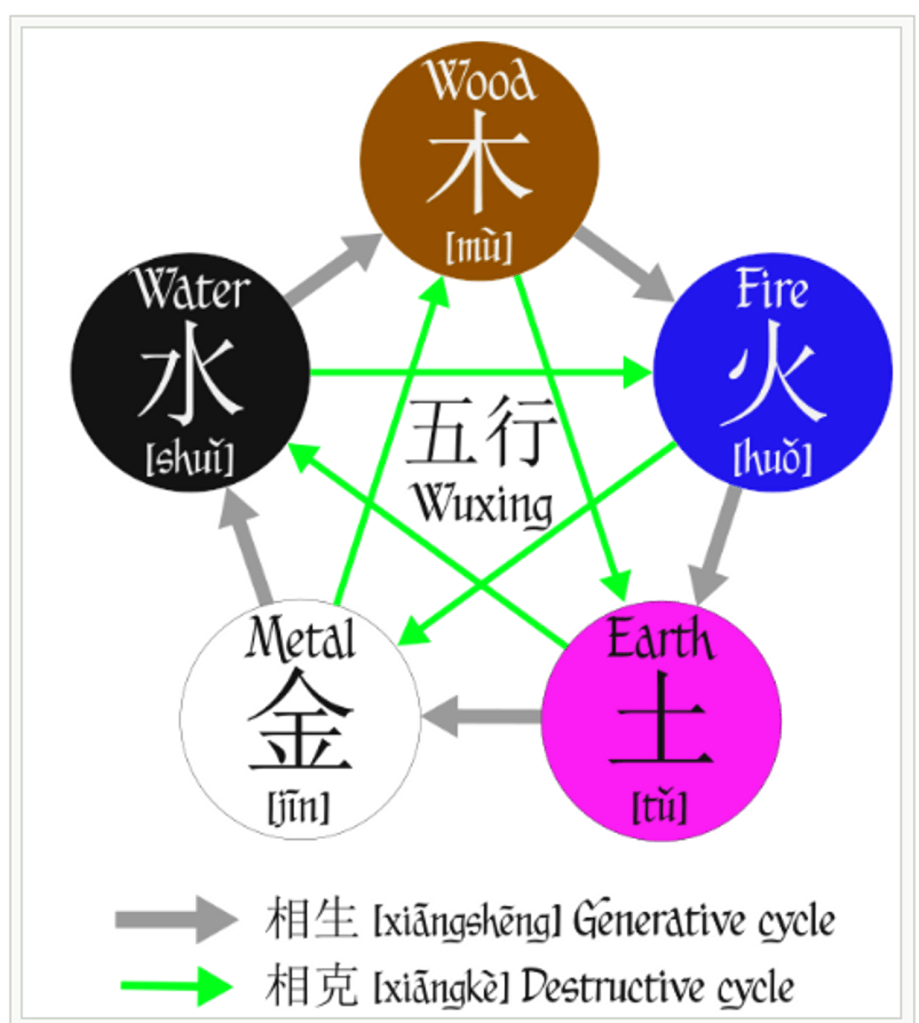
Lǐguān, Yùshǐ and Jinyiwei are different sorts of Imperial court officials. Wuxing, often translated as the Five Phases (see diagram below), is a conceptual scheme used in many Chinese fields of study to explain a wide array of phenomena, such as characterizing the interactions and relationships within various sciences, medicines, politics and religions. Whereas an Emperor was compared to a dragon, an Empress (especially Wu Zetian) was compared to a phoenix. A Zhanmadao or “Horse-chopping blade” was a large sword popular during the Song dynasty. Being ignorant in many things I chose to set the play in a mythical ancient China, to avoid that whole “historically accurate” razzamatazz.

act ii. scene ii.

11 Tuesday Feb 2025

Posted by babylon crashing in Armenia, Armenian, drama, Translation

≈ Comments Off on act ii. scene ii.

Tags

act ii scene ii, Armenian translation, King Lear, Lykopis, translation

CHARACTERS [so far, in order of appearance.]

LADY ANDROMEDA. Lykopis’ chief advisor, later disguised as Hippolyte. Her name means, “Ruler of Men.”

LADY TELEPYLEIA. Lykopis’ oldest friend and sometimes lover. Her name means, “Far Vision.”

MOLPADIA. Telepyleia’s bastard daughter. Her name means, “Death Song.”

QUEEN LYKOPIS OF THEMYSCIRA. Elderly Amazon. Her name means, “She-Wolf.”

LADY BELLONA. Lykopis’ daughter-in-law. Married to Titus.

LADY OCTAVIA. Lykopis’ daughter-in-law. Married to Amadeus.

LORD TITUS. Lykopis’ oldest son

LORD AMADEUS. Lykopis middle son.

LORD CHERUBINO. Lykopis youngest son, later disguised as Hellequin, Lykopis’s Fool.

QUEEN OF ARMENIA. Connoisseur of boys.

LADY PHOEBE. Also connoisseur of boys.

PYRGOMACHE. Elder daughter to Telepyleia. Her name means, “Fiery Warrior.”

LIVIANA. Roman slave and confidant to Titus.

LADY ANTIOPE. A lady of the Court. Her name means, “Confronting Moon.”

Outside Telepyleia’s house. Andromeda and Liviana enter from different directions.

LIVIANA.

Բարի լույս, քույրիկ: Դուք այս տնի՞ց եք։

Good morning, sister. Are from this house?

ANDROMEDA.

Այո՛:

Yes.

LIVIANA.

Ո՞ւր կարող ենք տեղաւորել մեր ձիերը:

Where can we house our horses?

ANDROMEDA.

Ճահճի մեջ:

In the swamp.

LIVIANA.

Խնդրում եմ, թէ ինձ կը սիրես, ասա ինձ:

Please, tell me if you love me.

ANDROMEDA.

Ես քեզ չեմ սիրում:

I don’t love you.

LIVIANA.

Ինչո՞ւ ես այդպիսի բաներ ասում ինձ. ես քեզ չեմ ճանաչում:

Why are you saying such things to me? I don’t know you.

ANDROMEDA.

Բայց ես ճանաչում եմ քեզ, Ռոման։

But I know you, Roman.

LIVIANA.

Ո՞վ եմ ես քո կարծիքով:

Who do you think I am?

ANDROMEDA.

Երբեք Ամազոն, այլ սրիկա: Դուք կոպիտ եք, ամբարտավան, հիմար և մուրացկան: Դու երեք մասից կոտրված տիկին ես, պոռնիկի աղջիկ, հայելի դիտող, թշվառ հիմար։ Դու ստրուկ ես, ով պատրաստ է դավաճանել իր քույրերին՝ իր տիրոջ չար ծառայությունը կատարելու համար։ Դու մի կին ես, որ եթե փորձի ժխտել այս կոչման ամենաչնչին վանկը, ես կծեծեմ նրան, մինչև շան պես հաչա։

Never an Amazon, but a villainess. You are rude, arrogant, stupid and a beggar. You are a lady broken in three parts, a harlot’s daughter, a mirror-gazer, a miserable fool. You are a slave who is ready to betray her sisters to do her master’s evil service. You are a woman who, if she tries to deny the slightest syllable of this title, I will beat her until she barks like a dog.

LIVIANA.

Էգադս, ինչ հրեշավոր մարդ ես, որ այդքան անհարգալից ես վերաբերվում նրան, ով ոչ քեզ ճանաչում է, ոչ էլ ծանոթ է։

Egads, what a monstrous person you are to treat someone who neither knows nor is acquainted with you so disrespectfully.

ANDROMEDA.

[Draws her sword.] Դու ինձ ճանաչում ես։ Երկու օր առաջ չէ՞ր, որ քեզ գետնին գցեցի ու թագուհու աչքի առաջ ծեծեցի։ Քո սուրդ հանիր, անմիտ, որ թեև գիշեր է, և լուսինը փայլում է, ես քեզ այնպես կանեմ, որ լուսնի լույսն այս թրի պես խոցի քեզ, անամոթ հռոմեացի ստրուկ։

You know me. Wasn’t it two days ago that I threw you to the ground and beat you in front of the queen? Draw your sword, you fool, for although it is night and the moon is shining I will make the moonlight pierce you like a sword, you shameless Roman slave.

LIVIANA.

[Shouting.] Օգնիր, հե՜յ։ Սպանություն. Օգնե՛ք։

Help, hey! Murder. Help!

ANDROMEDA.

[Begins beating her.] Սիֆիլիտ բորոտ կախարդ`:

Syphilitic leper witch!

[Molpadia enters with her sword drawn, followed by the Bellona, Amadeus, Telepyleia & Servants.]

MOLPADIA.

Ին՞չ կայ, ի՞նչ է պատահել, բաժանուեցէ՛ք:

What’s going on? What’s the matter? Stop fighting!

ANDROMEDA.

[To Liviana.] Եթե ուզում ես, արի ու կծիր, փոքրիկ աղջիկ։ Արի, ես էլ քո ճաշը կպատրաստեմ։ Արի, հռոմեական պոռնիկ, առաջ արի։

If you want, come and have a bite, little girl. Come, I’ll make your dinner too. Come, Roman harlot, come forward.

TELEPYLEIA.

Սու՛ր, զէ՛նք, ի՞նչ է պատահել այստեղ:

Seriously, what happened here?

BELLONA.

Ձեր վէճը ինչի՞ մասին է:

What is your argument about?

LIVIANA.

Շունչս կտրվում է, տիկինս։

I’m out of breath, my lady.

ANDROMEDA.

Զարմանալի չէ։ Դուք այսպիսի քաջություն եք ցուցաբերել։ Այ հռոմեացի պոռնիկ, բնությունը մերժել է քեզ։ Դերձակը քեզ պիտի սարքած լինի։

No wonder. You have shown such courage. You Roman harlot, nature has rejected you. The tailor must have made you.

BELLONA.

Շատ տարօրինակ ես ասել, թե դերձակը կնոջն է դարձնում։

It’s very queer that you said that a tailor can make the woman.

ANDROMEDA.

Այո՛, տիկին, քարագործը կամ նկարիչը չէին կարող այսքան անպետք բան սարքել, եթե նույնիսկ օրերով աշխատեին։ Միայն դերձակ։

Yes, ma’am, a stonemason or a painter could not have made something so useless, even if they had worked for days. Only a tailor could.

BELLONA.

Բայց, ասացէք, ինչի՞ց ծագեց ձեր վէճը:

But tell me, what caused your argument?

LIVIANA.

Այս խեղճ պառավը, ում կյանքը ես խնայեցի՝ հարգելով նրա սպիտակ մազերին։

This poor old woman, whose life I spared out of respect for her white hair.

ANDROMEDA.

[To Liviana.] Դու հռոմեական լակոտ: Անպետք նամակ։ [To Bellona.] Տիկինս, եթե ինձ հրաման տաս, ես ոտքով կխփեմ այս կոպիտ պոռնիկին նրա հետույքը:

You Roman puppy. A useless letter. My lady, if you give the order I will kick this rude bawd in the ass.

BELLONA.

[To Andromeda.] Լռիր, անպիտան, կոպիտ, թշվառ կին։ Չգիտե՞ս ինչպես հարգել ինձ։

Shut up, you worthless, rude, miserable woman. Don’t you know how to respect me?

ANDROMEDA.

Այո՛, տիկին, գիտեմ. բայց բարկութիւնն էլ իրաւունքներ ունի:

Yes, madam, I know; but anger has its rights.

BELLONA.

Ինչո՞ւ ես բարկացել:

Why are you angry?

ANDROMEDA.

Որովհետև այդպիսի ստրուկը համարձակվում է իր կողքին սուր վերցնել, երբ Հռոմը ազնվականության նշան չունի։ Այսպիսով, ժպտացող պոռնիկները, ինչպես մկները, կրծում են սրբազան կապերը, որոնք չափազանց ամուր են կոտրվելու համար: Նրանք շոյում են ամեն կիրք, որ այրվում է իրենց տիրուհու սրտում, յուղ են լցնում կրակի վրա։ Նրանք հերքում են, հաստատում են և հալցիոնի պես միշտ իրենց կտուցը շրջում են այն ուղղությամբ, որտեղից քամիները փչում են իրենց տիկնանց քմահաճույքով։ Եվ շների պես նրանք ոչինչ չգիտեն, քան հետևել։ [To Liviana.] Թող ժանտախտը հարվածի քո գունատ դեմքին, Ռոման, դու ծիծաղո՞ւմ ես իմ խոսքերի վրա, կարծես ես խելագար լինեմ:

For such a slave dares to take a sword at her side, when Rome has no sign of nobility. Thus smiling harlots, like mice, gnaw at sacred bonds, too strong to be broken otherwise. They caress every passion that burns in their mistress’ heart, they pour oil on the fire. They deny, they affirm, and like halcyon they always turn their beaks in the direction from which the winds blow at the whim of their mistresses. And like dogs they know nothing but to follow. May the plague strike your pale face, Roman, do you laugh at my words as if I were mad?

BELLONA.

Ի՞նչ է, խելագար ես, պառավ։

What is it, are you mad, old woman?

TELEPYLEIA.

Ինչո՞ւ կռուեցիք. դու մեզ այն ասա:

How did this fight begin? Tell us that.

ANDROMEDA.

Երբեք երկու հակադրություններ չեն եղել այնպես, ինչպես ես և այս պոռնիկը:

Never were there two opposites like me and this bawd.

BELLONA.

Ինչո՞ւ ես նրան այդպէս հայհոյում, նրա մեղքն ի՞նչ է:

Why do you curse like that, what is her fault?

ANDROMEDA.

Նրա կերպարանքն ինձ հաճելի չէ:

I don’t like her shape.

BELLONA.

Ոչ էլ իմս, անշուշտ: Ոչ էլ սրանը: Ոչ էլ սրանը:

Not mine, of course. Nor this. Nor this.

ANDROMEDA.

Տիկին, իմ գործս է ճշմարիտ խօսել: այո՛, տեսել եմ իմ ժամանակին լաւագոյն դէմքեր, քան այժմ տեսնում եմ այս ուսերի վրայ, իմ աչքիս առաջ:

Madam, it is my business to tell the truth. Yes, I have seen better faces in my time than I see now on these shoulders, before my eyes.

BELLONA.

Սա այն կանանցից է, ում ժամանակին գովաբանում են իրենց կոպտության համար, իսկ հետո միշտ ձևացնում են Լիկոպիայի ազնվականներ՝ ստիպելով նրանց փոխել իրենց մաքուր տեսքը՝ իրենց փտած ինտերիերին համապատասխանեցնելու համար: «Նա ազնվական ամազոնուհի է, նա պետք է ճշմարտությունն ասի»։ Ես ճանաչում եմ կայսրության դավաճաններին, երբ տեսնում եմ նրանց։ Այս կանայք ավելի խորամանկ ու կոռումպացված են իրենց անկեղծությամբ, ավելի ստոր են իրենց մտադրություններով, քան հպարտությունից զրկված քսան անմիտ հռոմեացի ստրուկները։

This is one of those women who are once praised for their rudeness, and then always pretend to be nobles of the She-Wolf, forcing them to change their pure appearance to match their rotten interior. “She is a noble Amazon, she must tell the truth.” I know traitors to the Empire when I see them. These women are more cunning and corrupt in their sincerity, more base in their intentions, than twenty foolish Roman slaves deprived of pride.

ANDROMEDA.

[Sweetly.] տիկին իմ, ճշմարի՛տ. անկեղծ իսկութեամբ, եթէ ինձ թոյլ տայ ձեր մեծութիւնը, որի շնորհը այն լուսաճաճանչ պսակի նման, որ շողշողում է ֆեբոսի ճակատին:

My lady, indeed. In all truth, if your majesty will permit me, whose grace is like a brilliant crown that shines on the brow of Phoebus.

BELLONA.

Ին՞չ ես ուզում ասել:

What do you mean by this?

ANDROMEDA.

Ուզում եմ ոճս փոխել, քանի որ դա այդքան ձեզ տհաճելի է: Ես ընդունում եմ, տիկին, որ շողոքորթ չեմ: Նա, որ ձեզ խաբել է պարզ խօսելով, մի պարզ սրիկայ է եղել, ինչ որ ես չեմ կարող լինել, որչափ էլ խնդրէիք ինձ:

I want to change my style, because it is so distasteful to you. I admit, madam, that I am not flattering. She who deceived you with simple talk was a simple villainess, which I cannot be, no matter how much you ask me.

BELLONA.

[To Liviana.] Ինչո՞վ ես սրան անարգանք հասցրել:

How have you insulted her?

LIVIANA.

Ես երբեք չեմ արել: Մի քանի օր առաջ թագուհին սխալմամբ ուզեց հարվածել ինձ, իսկ այս թշվառ կինը կատաղած թիկունքից հրեց ինձ ու գցեց գետնին։ Երբ ես ընկա, նա հայհոյեց, թքեց վրաս, համարձակ ձևացավ, այնպես որ գովասանքի արժանացավ թագուհու կողմից։ Այսօր կրկին, հիշելով իր նախկին քաջությունը, նա իր սուրը քաշեց վրաս։

I never did. A few days ago the queen mistakenly wanted to hit me and this wretched woman, in a rage, pushed me from behind and threw me to the ground. When I fell, she cursed, spat on me and pretended to be brave so that she was praised by the queen. Today again, remembering her former courage, she drew her sword on me.

BELLONA.

Կոճղեր բերեցէք: Համառ, ծեր կախարդ: Սիրելի պառավ, մենք քեզ կսովորեցնեն:

Bring out the stocks! We’ll teach you, you stubborn old witch, you arrogant biddy.

ANDROMEDA.

Տիկին, ես շատ ծեր եմ, որպեսզի սովորեմ հիմար չլինել։ Ես թագուհու ծառան եմ և հիմա եկել եմ քեզ մոտ նրա հրամանով։ Նման վարքագծով դուք շատ քիչ հարգանք և ամենալկտի չարություն դրսևորեցիք կայսրության նկատմամբ։

Madam, I am too old to learn not to be a fool. I am the queen’s servant, and I have come to you now by her command. By such conduct you have shown very little respect and the most impudent malice towards the empire.

BELLONA.

Երդւում եմ կեանքիս եւ պատուիս վրայ. նա մինչեւ կէսօր այնտեղ կը նստի:

I swear on my life and honor, she will sit there until noon.

AMADEUS.

Ին՞չ, մինչեւ կէսօ՞ր: Ոչ, մինչեւ գիշեր, ամբողջ գիշերն էլ:

What, until noon? No, until night, all night long.

ANDROMEDA.

[To Amadeus.] Պարոն, եթե ես լինեի ձեր մոր շունը, դուք ինձ հետ այդպես չէիք վարվի։

Sir, if I were your mother’s dog, you wouldn’t treat me like this.

AMADEUS.

Բայց դու, ճիշտն ու սխալը ճանաչելով, շուն չես, այլ ուղղակի վախկոտ, խայտառակելով Ամազոնի հպարտությունը։

But you, knowing right from wrong, are not a dog, but simply a coward, disgraceful to the pride of the Amazons.

BELLONA.

Ահա հենց այսպիսի վախկոտության մասին է մեզ զգուշացրել ձեր եղբայրը։

This is exactly the kind of cowardice your brother warned us about.

[The stocks are brought out.]

TELEPYLEIA.

Ես խնդրում եմ ձեր մեծությանը վերանայել դա անելը: Մեր բարի թագուհին, անշուշտ, կպատժի մեզ դրա համար, որովհետև նման անպատիվ պատիժը արժանի է միայն ամենաստոր սրիկաներին՝ նրանց գողությունների և այլ գռեհիկ մեղքերի համար։

I beg your Majesty to reconsider doing this. Our good Queen will certainly punish us for this, for such a dishonorable punishment is deserved only by the lowest of scoundrels for their thefts and other vulgar sins.

BELLONA.

Ինքս կը լինեմ պատասխանատուն:

I’ll take responsibility for it.

AMADEUS.

Եղբայրս էլ ավելի կնեղանա, որ իր ծառային դաժանորեն անարգել են ու ծեծել, զուտ այն պատճառով, որ այս կինը կատարել է իր հրամանը։

My brother will be even more upset that his servant was brutally insulted and beaten, simply because this woman carried out his order.

[Andromeda is put in the stocks.]

AMADEUS [cont.]

[To Bellona.] Եկ, ազնիւ տիկինս, գնանք այստեղից:

Come, my noble lady, let’s get out of here.

[All exit save Telepyleia & Andromeda.]

TELEPYLEIA.

Ես շատ եմ ցավում քեզ համար, իմ ընկեր: Դա Բելոնայի կամքն է։ Ես կփորձեմ բարեխոսել ձեզ համար:

I am very sorry for you, my friend. It is Bellona’s will. I will try to intercede for you.

ANDROMEDA.

[Laughing.] Մի արեք դա, խնդրում եմ: Ես շատ եմ հոգնել ճամփորդությունից և չեմ քնել։ Ի՞նչ ավելի լավ հնարավորություն, քան հիմա, հա՞:

Don’t do it, please. I’m very tired from the journey and haven’t slept. What better opportunity than now, eh?

TELEPYLEIA.

Ինձ դուր է գալիս դու։ Այդպես է լինում, երբ թույլ ես տալիս, որ քո որդիները իշխեն։ Այն, ինչ նա անում է, կարող է վատ հետեւանքներ ունենալ։[Exits.]

I like you. That’s what happens when you let your sons rule. What he does will have bad consequences.

ANDROMEDA.

Բարի Աթենա, դու ուղղակի ապացուցում ես հին ասացվածքը, որ ամեն ինչ վատից ավելի վատ է գնում: [Takes out a letter.] Վե՛ր կաց, լուսին, և լուսի՛ր ինձ վրա, որ ես կարդան այս նամակը։ Միայն թշվառներին են շնորհվում հրաշքներ: Ես գիտեմ, որ այս նամակը Քերուբինոյից է, որը, բարեբախտաբար, գիտի թագուհուն այս դիմակի տակ կերակրելու իմ փորձերի մասին։ [Reads.] «Նա ժամանակ կունենա ամեն ինչ մի կողմ դնելու հիմա, երբ հեռու է այս երկրի հրեշավոր վիճակից»։ Ես ուժասպառ եմ եղել և շատ երկար եմ արթնացել։ Ես կօգտվեմ իմ հոգնածությունից և կփակեմ հոգնած աչքերս, որպեսզի չտեսնեմ իմ նվաստացուցիչ վիճակը։ Բարի գիշեր, լուսին: Բարի գիշեր, գդալ: Բարի գիշեր, մի գունդ մուշ։ Բարի գիշեր, պառավն ասում է՝ լռիր։[Falls asleep.]

Good Athena, you are just proving the old saying that things go from bad to worse. Rise, moon, and shine upon me, that I may read this letter. Only the wretched are granted miracles. I know that this letter is from Cherubino, who, fortunately, knows of my attempts to nurse the queen under this mask. “She will have time to put everything aside now that she is far from the monstrous state of this country.” I have been exhausted and have been awake too long. I will take advantage of my weariness and close my tired eyes so as not to see my humiliating condition. Good night, moon. Good night, spoon. Good night, bowl of mush. Good night, old lady saying hush.

act ii. scene i.

07 Friday Feb 2025

Posted by babylon crashing in Armenia, Armenian, drama, Translation

≈ Comments Off on act ii. scene i.

Tags

act ii scene i, Armenian translation, King Lear, Lykopis, translation

CHARACTERS [so far, in order of appearance.]

LADY ANDROMEDA. Lykopis’ chief advisor, later disguised as Hippolyte. Her name means, “Ruler of Men.”

LADY TELEPYLEIA. Lykopis’ oldest friend and sometimes lover. Her name means, “Far Vision.”

MOLPADIA. Telepyleia’s bastard daughter. Her name means, “Death Song.”

QUEEN LYKOPIS OF THEMYSCIRA. Elderly Amazon. Her name means, “She-Wolf.”

LADY BELLONA. Lykopis’ daughter-in-law. Married to Titus.

LADY OCTAVIA. Lykopis’ daughter-in-law. Married to Amadeus.

LORD TITUS. Lykopis’ oldest son

LORD AMADEUS. Lykopis middle son.

LORD CHERUBINO. Lykopis youngest son, later disguised as Hellequin, Lykopis’s Fool.

QUEEN OF ARMENIA. Connoisseur of boys.

LADY PHOEBE. Also connoisseur of boys.

PYRGOMACHE. Elder daughter to Telepyleia. Her name means, “Fiery Warrior.”

LIVIANA. Roman slave and confidant to Titus.

LADY ANTIOPE. A lady of the Court. Her name means, “Confronting Moon.”

House of Telepyleia. Molpadia and Lady Antiope enter.

MOLPADIA.

Ողջույն, տիկին:

Hello, ma’am.

ANTIOPE.

Եվ ձեզ, երիտասարդ տիկին: Ես ձեր մոր մոտ էի և տեղեկացրի նրան, որ լեդի Բելոնան և լորդ Ամադեուսը նրա հետ են լինելու այս գիշեր:

And to you, young lady. I was at your mother’s and informed her that Lady Bellona and Lord Amadeus would be with her tonight.

MOLPADIA.

Այդ ի՞նչ բան է:

Why is that?

ANTIOPE.

Ոչինչ։ Դուք, հավանաբար, լսել եք այդ լուրերը:

Vo’chinch. You may have heard the rumors.

MOLPADIA.

Ոչինչ չեմ լսած: Ասա, խնդրեմ, ի՞նչ լուրեր են:

I haven’t heard anything. Please tell me what the news is.

ANTIOPE.

Չե՞ք լսել, որ տիկնայք Բելոնայի և Օկտավիայի միջև, ամենայն հավանականությամբ, պատերազմ է սկսվելու:

Haven’t you heard that a war is likely to break out between the ladies Bellona and Octavia?

MOLPADIA.

Ոչ մի բառ:

Not a word.

ANTIOPE.

Դուք կանեք: Քաղաքացիական պատերազմը մեզ վրա է. Ցտեսություն, օրիորդ:[Exits.]

You will. The civil war is upon us. Goodbye, young lady.

MOLPADIA.

Պատերազմից խելագարված Բելոնան այս գիշեր այստեղ է, շատ լավ, հիանալի: Սա հյուսված է իմ ցանցում: Մայրս մարդ է ուղարկել քրոջս բռնելու։ Ես ունեմ մի դեր, շատ կարևոր դեր, որը պետք է խաղալ։

The war-mad Bellona is here tonight, very good, wonderful. This is woven into my web. My mother has sent someone to capture my sister. I have a role, a very important role, to play.

[Pyrgomache enters.]

MOLPADIA [cont.]

Մայրիկը դեռ բարկացած է: Բելոնայի դեմ ինչ-որ բան ասե՞լ եք: Նա այստեղ է գալիս հենց այս գիշեր և մեծ շտապողականությամբ, և Ամադեուսը նրա հետ: Օկտավիայի դեմ բան ասե՞լ ես։

Mother is still angry. Did you say anything against Bellona? She is coming here this very night and in great haste and Amadeus with her. Did you say anything against Octavia?

PYRGOMACHE.

Ոչ մի բառ:

Not a word.

MOLPADIA.

Ես լսում եմ, որ մայրիկը գալիս է: Ներիր ինձ։ Մենք հիմա պետք է ձևացնենք, որ կռվում ենք։ Քաշեք ձեր սուրը: Ձևացրու, թե պաշտպանվում ես: Հիմա ձեր դերը համոզիչ կերպով խաղացեք: [Loudly.] Հանձնվեք: Ես քեզ մորս առաջ կբերեմ։ Հեյ, լույս բեր: Այստեղ! [To Pyrgomache so that so only she can hear.] Փախիր, քույր, վազիր։ [Loudly.] Ջահեր բեր, ջահեր։ [To Pyrgomache so that so only she can hear.] Հրաժեշտ, ուրեմն։

I hear mother coming. Forgive me. We must pretend to fight now. Draw your sword. Pretend to defend yourself. Now play your part convincingly. Surrender. I will bring you before my mother. Hey, bring some light. Here! Run, sister, run. Bring torches, torches. Farewell, then.

[Pyrgomache exits.]

MOLPADIA [cont.]

Եթե ինքս ինձնից մի քիչ արյուն քաշեմ, կթվա, թե շատ եմ պայքարել։ [Wounds herself.] Ես տեսել եմ ամազոնուհիների, ովքեր, որպես կատակ, սրանից ավելի վատ են իրենց վնասել։ Մայրիկ, մայրիկ, կանգ առ, վերջ: Օ օգնություն չկա՞:

If I draw a little blood from myself, it will look like I fought hard. I have seen Amazons who, as a joke, have hurt themselves worse than this. Mother, mother, stop, stop. O is there no help?

[Telepyleia and Servants enter.]

TELEPYLEIA.

Ի՞նչ է պատահել, Մոլպադիա։

What happened Molpadia?

MOLPADIA.

Ձեր աղջիկն այստեղ էր այս խավարի մեջ, սուրը քաշած, չար կախարդանքներ էր մրմնջում, խնդրելով լուսնին լինել իր պաշտպան տիրուհին:

Your daughter was here in this darkness, sword drawn, muttering evil spells, asking the moon to be her protective mistress.

TELEPYLEIA.

Բայց որտե՞ղ է այժմ:

But where is she now?

MOLPADIA.

Նայեցէք, տիկին իմ: Արիւն է գալիս:

Look, my lady, I’m bleeding.

TELEPYLEIA.

Այո, այո, այո, բայց որտե՞ղ է Պիրգոմաչեն:

Yes, yes, yes, but where is Pyrgomache?

MOLPADIA.

Քույրս այսպես փախավ, մայրիկ, երբ հասկացավ, որ ես հայտնաբերել եմ իրեն։

My sister ran away like this, mother, when she realized that I had discovered her.

TELEPYLEIA.

Ինչ-որ մեկը, վազիր անսուրբ աղջկա հետևից:

Someone, run after the unholy girl.

[Servants exit.]

TELEPYLEIA [cont.]

Դուք խոսե՞լ եք նրա հետ:

Did you talk to her?

MOLPADIA.

Ես փորձեցի. Նա իմ քույրն է: Բայց նա փորձեց համոզել ինձ սպանել քեզ։ Ես հրաժարվեցի, ասացի, որ վրիժառու աստվածներն իրենց բոլոր հարձակումներն ուղղում են մահասպանության դեմ։ Մի խոսքով, տիկինս, երբ Պիրգոմաչեն տեսավ, թե ինչ զզվանքով ես ընդդիմանում էի նրա հրեշավոր մտադրություններին, նա հանած սրով հարձակվեց իմ անպաշտպան մարդու վրա և ծակեց թեւս ու հանկարծ փախավ։

I tried. She is my sister. But she tried to persuade me to kill you. I refused, I said that the vengeful gods direct all their attacks against matricide. In short, my lady, when Pyrgomache saw with what disgust I opposed her monstrous intentions, she attacked my defenseless person with her drawn sword and pierced my arm and then suddenly fled.

TELEPYLEIA.

Թող աղջիկը հեռու փախչի, նա չի կարող փախչել այս երկրում, և եթե նրան բռնեն, նա պետք է փրկագին վճարի։ Բելոնան՝ իմ ազնվական տիկինը, իմ գլխավորն ու պաշտպանը, այս գիշեր գալիս է, և նրա անունով ես ընդհանուր հռչակագիր կհրապարակեմ, որ ով կգտնի իմ աղջկան և կբերի նրան կախաղան, կարժանանա մեր պարգևին, իսկ ով թաքցնի նրան, դատավճիռը մահ է։

Let the girl flee far away, she cannot escape in this country, and if she is caught she must pay a ransom. Bellona, my noble lady, my chief and protector, is coming tonight, and in her name I will issue a general proclamation that whoever finds my daughter and brings her to the gallows will deserve our reward and whoever hides her, the sentence is death.

[Drums play offstage as Bellona, Amadeus & Attendants all enter.]

BELLONA.

Ի՞նչ են այս բաները, սիրելի ընկեր: Հազիվ հասա, այսինքն հենց հիմա, ու տարօրինակ լուր լսեցի։

What are these things, dear friend? I have just arrived, that is, just now, and I have heard strange news.

TELEPYLEIA.

Ա՜խ, տիկին, իմ խեղճ ծերունի սիրտս ճայթել է, ճայթել:

O lady, my poor old heart has burst, burst.

AMADEUS.

Մորս աղջիկը քո կյանքի դեմ դավե՞ր է պատրաստում։ Նա, ում համար մայրս կնքամայր էր, քո դուստրը՝ Պիրգոմաչե՞ն։

Is my mother’s daughter plotting against your life? Is she the one to whom my mother was godmother, your daughter Pyrgomache?

TELEPYLEIA.

Օ՜ տեր իմ, տեր իմ, ես ամաչում եմ։

O my lord, my lord, I am ashamed.

AMADEUS.

Ձեր աղջիկն էլ չէ՞ր ընկերուհին այն ամբարտավան ռազմիկների, ովքեր միշտ ուղեկցում են մորս։

Wasn’t your daughter also a friend of those arrogant warriors who always accompany my mother?

TELEPYLEIA.

Չգիտեմ, պարոն: Շատ վատ է, շատ վատ:

I don’t know, sir. It’s bad, very bad.

MOLPADIA.

Ճիշտ է, վարպետ։ Քույրս այդ խմբից մեկն էր։

That’s right, Master. My sister was one of that group.

AMADEUS.

Եղբայրս երեկ երեկոյան ինձ գրել է այդ մարդկանց մասին։ Զարմանալի չէ, որ նման չար միտք է ծնվել, հենց նրանք են դրդել աղջկան սպանել այս խեղճ պառավին, որպեսզի հետո մսխեն նրա կարողությունը։

My brother wrote to me last night about those people. It is no wonder that such an evil idea was born, it is they who instigated the girl to kill this poor old woman, so that they could then squander her fortune.

BELLONA.

Մոլպադիա, սա այն է, ինչ կոչվում է որդիական բարեպաշտություն:

Molpadia, this is what is called filial piety.

MOLPADIA.

Իմ պարտքն էր այդ, տիկին:

That was my duty, ma’am.

TELEPYLEIA.

Միակ երեխան, որին կարող եմ վստահել։ Մոլպադիան հայտնաբերեց դավադրությունը և վիրավորվեց, երբ փորձեց կանգնեցնել նրան:

The only child I can trust. Molpadia discovered the plot and was injured when she tried to stop it.

BELLONA.

Պիրգոմաչեն հետապնդվու՞մ է:

Is Pyrgomache being pursued?

TELEPYLEIA.

Այո՛, ազնիւ տիկին:

Yes, dear lady.

BELLONA.

Եթէ բռնուի, էլ երկիւղ չկայ, որ մէկ էլ վնասի, ի գործ դրէք դուք իշխանութիւնս, ինչպէս ձեր կամքն է: Գալով ձեզ, Մոլպադիա. որի գովելի հնազանդութիւնը այսքան լաւ փայլեց հէնց այս րոպէիս, այսուհետեւ մերն էք: Մենք շատ կարօտ ենք ձեզ պէս անձնուէր, անկաշառ մարդկանց եւ իսկոյն ձեր վրայ մենք ձեռք ենք դնում:

If she is caught, there is no fear that she will harm anyone, you exercise your authority as you wish. As for you, Molpadia, whose praiseworthy obedience shone so brightly at this very moment, from now on you are ours. We are in great need of loyal, incorruptible people like you, and we will lay hands on you immediately.

MOLPADIA.

Հաւատարմութեամբ կը ծառայեմ ձեզ, տիկին իմ, եթէ ոչ այլ արժանիքով:

I serve you faithfully, my lady, if for no other reason.

TELEPYLEIA.

[To Bellona.] Ես նրա կողմից շնորհակալ եմ:

I am grateful on her behalf.

BELLONA.

Չգիտէ՞ք` ինչու եկել ենք ձեզ մօտ:

Don’t you know why we came to you?

AMADEUS.

Այս մութ գիշերը ճանապարհորդելու համար այդքան շատ ժամանակ է վատնվել: Ծանր գործեր կան, իմ վեհ Տելեպաթիա, և դրանց համար մենք ձեր խորհրդի կարիքն ունենք։ Մայրս ինձ գրել է, եղբայրս էլ, որ վեճեր են ծագել նրանց միջև։ Մխիթարի՛ր քեզ, մեր վաղեմի ազնիվ բարեկամ, և տուր մեզ քո խորհուրդը մեր գործի վերաբերյալ, որը պահանջում է անհապաղ որոշում։

So much time wasted traveling on this dark night. There are heavy matters, my noble Telepathy, and for them we need your advice. My mother wrote to me, and so did my brother, that disputes had arisen between them. Console yourself, our old noble friend, and grant us your advice on our case, which demands an immediate decision.

TELEPYLEIA.

Ես պատրաստ եմ, տեր իմ, ծառայելու։ Բարի գալուստ, բոլորիդ բարի գալուստ:

I am ready, my lord, to serve. Welcome, welcome to all.

[They exit.]

act i. scene v.

06 Thursday Feb 2025

Posted by babylon crashing in Armenia, Armenian, drama, Translation

≈ Comments Off on act i. scene v.

Tags

act i scene v, Armenian translation, King Lear, Lykopis, translation

CHARACTERS [so far, in order of appearance.]

LADY ANDROMEDA. Lykopis’ chief advisor, later disguised as Hippolyte. Her name means, “Ruler of Men.”

LADY TELEPYLEIA. Lykopis’ oldest friend and sometimes lover. Her name means, “Far Vision.”

MOLPADIA. Telepyleia’s bastard daughter. Her name means, “Death Song.”

QUEEN LYKOPIS OF THEMYSCIRA. Elderly Amazon. Her name means, “She-Wolf.”

LADY BELLONA. Lykopis’ daughter-in-law. Married to Titus.

LADY OCTAVIA. Lykopis’ daughter-in-law. Married to Amadeus.

LORD TITUS. Lykopis’ oldest son

LORD AMADEUS. Lykopis middle son.

LORD CHERUBINO. Lykopis youngest son, later disguised as Hellequin, Lykopis’s Fool.

QUEEN OF ARMENIA. Connoisseur of boys.

LADY PHOEBE. Also connoisseur of boys.

PYRGOMACHE, Elder daughter to Telepyleia. Her name means, “Fiery Warrior.”

LIVIANA, Roman slave and confidant to Titus.

Outside Lady Octavia’s Palace. Lykopis, Andromeda & Cherubino enter.

LYKOPIS.

[Giving Andromeda a letter.] Դու առաջ գնա և վերցրու այս նամակը։ Իմ որդուն ոչինչ չասեք, բացի այն, ինչ ձեզ հարկավոր է նամակիս վերաբերյալ նրա հարցերին պատասխանելու համար: Եթե դու շատ արագ չգնաս, ես այնտեղ կլինեմ քեզնից առաջ:

You go ahead and take this letter. Don’t tell my son anything except what you need to answer his questions about my letter. If you don’t go too quickly, I’ll be there before you.

ANDROMEDA.

Տիկինս, մինչև չվերադառնամ, չեմ քնի։[Exits.]

My lady, I won’t sleep until I’ve returned.

CHERUBINO.

Եթե Ամազոնի ուղեղը լիներ նրա ոտքերի արանքում, մի՞թե նա խմորիչով լցված երևակայություն չէր ունենա:

If an Amazon’s brain were between her legs, wouldn’t she have a yeast-filled imagination?

LYKOPIS.

[Sighs.] Այսպիսով, մենք կատակերգության «հեշտոցը գարշահոտ է» փուլում ենք, հա՞:

So we’re in the “stinky pussy” phase of comedy, huh?

CHERUBINO.

Եթե դա այդպես է, ապա խնդրում եմ, երջանիկ եղեք։ Հակառակ դեպքում ձեր խելքին պետք կգա…

If that’s the case, then please be happy. Otherwise, your mind will need…

LYKOPIS.

[Rolling her eyes.] Թույլ տվեք գուշակել՝ հոգեկան ջրհոսա՞կ։

Let me guess, a mental douche?

CHERUBINO.

Կոշտ ամբոխ: Դուք կտեսնեք, որ ձեր մյուս որդին նույնպես սիրով և բարությամբ կվերաբերվի ձեզ, քանի որ դուք երկուսին էլ նույն կերպ եք դաստիարակել: Երեք ուրախություն «Տարվա մայր» լինելու համար։

Tough crowd. You will find that your other son will also treat you with love and kindness, because you raised them both the same way. Three cheers for being, “Mother of the Year.”

LYKOPIS.

Ինձ ավելի շատ դուր եկավ, երբ միայն երգում էիր և պահպանում էիր անեկդոտները պրոֆեսիոնալների համար:

I liked it better when you only sang and saved the jokes for the professionals.

CHERUBINO.

Ամեն անգամ, երբ ձեր որդիներից մեկը մեծանալու ընթացքում ինչ-որ սարսափելի բան է արել՝ մեջբերելով ձեր իսկ խոսքերը՝ «տղաները տղա կլինեն»։ Դուք կարող եք մտածել, որ ամազոնուհիները ավելի լավ կլինեին որդիներ մեծացնել, քան դա:

Every time one of your sons did something terrible while growing up, to quote your own words, “boys will be boys.” You might think that Amazons would be better at raising sons than that.

LYKOPIS.

[Suddenly.] Ես նրա դէմ անիրաւութիւն գործեցի:

I have wronged him.

CHERUBINO.

Հորաքույր, եթե դու լինեիր իմ խաղալիքը, ես քեզ կծեծեի, որովհետև դու վաղաժամ ծերացել ես:

Auntie, if you were my toy I would break you because you’ve aged prematurely.

LYKOPIS.

Ախ, ողորմած Աթենա, մի թող ինձ խելագարվեմ։ Տուր ինձ իմաստություն: Ես չեմ ուզում խելագարվել։

O merciful Athena, don’t let me go mad. Give me wisdom. I don’t want to go mad.

[They exit.]

act i. scene iv.

04 Tuesday Feb 2025

Posted by babylon crashing in Armenia, Armenian, drama, Translation

≈ Comments Off on act i. scene iv.

Tags

act i scene iv, Armenian translation, King Lear, Lykopis, translation

CHARACTERS [so far, in order of appearance.]

LADY ANDROMEDA. Lykopis’ chief advisor, later disguised as Hippolyte. Her name means, “Ruler of Men.”

LADY TELEPYLEIA. Lykopis’ oldest friend and sometimes lover. Her name means, “Far Vision.”

MOLPADIA. Telepyleia’s bastard daughter. Her name means, “Death Song.”

QUEEN LYKOPIS OF THEMYSCIRA. Elderly Amazon. Her name means, “She-Wolf.”

LADY BELLONA. Lykopis’ daughter-in-law. Married to Titus.

LADY OCTAVIA. Lykopis’ daughter-in-law. Married to Amadeus.

LORD TITUS. Lykopis’ oldest son

LORD AMADEUS. Lykopis middle son.

LORD CHERUBINO. Lykopis youngest son, later disguised as Hellequin, Lykopis’s Fool.

QUEEN OF ARMENIA. Connoisseur of boys.

LADY PHOEBE. Also connoisseur of boys.

PYRGOMACHE, Elder daughter to Telepyleia. Her name means, “Fiery Warrior.”

LIVIANA, Roman slave and confidant to Titus.

A Hall in Octavia’s Palace. Andromeda enters, disguised as Hippolyte.

ANDROMEDA.

Թէ կարողանամ ձայնս էլ փոխել եւ օտար մարդու շեշտը ձեւացնել, գուցէ իմ բարի մտադրութիւնը կարենայ հասնել այն յաջողութեան, որի պատճառով դէմքս ծպտել եմ: Արդ, աքսորուած Անդրոմեդա, եթէ կարող ես ծառայել նրան, որ քեզ պատժել է … O՜ երանի՜ թէ այդ քեզ յաջողուէր … հայնժամ քո տիկինը, որին սիրում ես, կարող է տեսնել գործ դրուած ջանքդ:

If I could change my voice and adopt a foreign accent, perhaps my good intentions would achieve the success for which I have hidden my face. Now, exiled Andromeda, if you can serve her who has punished you … O would that you could succeed … while the lady you love can see your efforts in action.

[Drums play offstage. Lykopis and her Amazons enter from hunting.]

LYKOPIS.

Մի րոպէ չուշացնէք ճաշս. գնացէք եւ շուտ պատրաստեցէք:

Don’t delay my dinner for a minute. Go and prepare it quickly.

[Servant I exits.]

LYKOPIS [cont.]

[To Andromeda.] Ին՞չ է, ո՞վ ես դու:

What is it, who are you?

ANDROMEDA.

Ես այստեղ բոլորի պես եմ՝ կին, իմ տիկին։

I am like everyone else here: a woman, my lady.

LYKOPIS.

Արհեստդ ի՞նչ է: ի՞նչ ես ուզում մեզնից:

What is your profession? What do you want from us?

ANDROMEDA.

Արհեստս այս է չլինել պակաս, քան ինչ որ երեւում եմ, ծառայել հաւատարմութեամբ նրան, ով որ ինձ վստահանայ, սիրել նրան, ով որ ազնիւ է: Ընկերութիւն անել նրա հետ, ով որ շատ գիտէ, քիչ կը խօսի. վախենալ դատաստանից, մաքառել, երբ ուրիշ ճար չկայ, եւ ձուկ չուտել:

My craft is to be no less than I appear, to serve faithfully those who trust me, to love those who are honest, to befriend those who know much but speak little, to fear judgment, to fight when there is no other choice and not to eat fish.

LYKOPIS.

Ո՞վ ես դու:

Who are you?

ANDROMEDA.

Շատ ազնվասիրտ Ամազոնուհի և թագուհու պես աղքատ:

A noble-hearted Amazon and as poor as the Queen.

LYKOPIS.

Եթէ դու նոյնչափ աղքատ ես, ինչպէս հպատակ, որչափ նա` ինչպէս թագուհի, իրա՜ւ որ շատ աղքատ ես: Ին՞չ ես ուզում: Ի՞նչ ես ուզում։

If you are as poor as a subject as she is as a queen, you are indeed very poor. What do you want?

ANDROMEDA.

Ծառայութիւն:

To serve.

LYKOPIS.

Ո՞ւմ կ`ուզէիր ծառայել:

Whom do you want to serve?

ANDROMEDA.

Քեզ:

You.

LYKOPIS.

Դու ինձ ճանաչո՞ւմ ես, աղջիկ:

Do you know me, girl?

ANDROMEDA.

Ոչ, տիկին, բայց ձեր դեմքին ինչ-որ բան կա, որը ստիպում է սիրտս ձեզ անվանել իմ տիկին։

No, madam, but there is something in your face that makes my heart call you my lady.

LYKOPIS.

Ին՞չ է այդ:

What is that?

ANDROMEDA.

Իշխանութիւն:

Authority.

LYKOPIS.

Ին՞չ ծառայութիւններ կարող ես անել:

What services can you perform?

ANDROMEDA.

Ես կարող եմ լաւ գաղտնիք պահել, ձի հեծնել, վազել, աղաւաղել մի հետաքրքիր պատմութիւն, կատարել մի պարզ պատուէր համարձակ կերպով: Ամէն ինչ, որ հասարակ մարդիկ կարող են անել, ես էլ կարող եմ, եւ ամենալաւ բանն իմ մէջ փութաջանութիւնս է:

I can keep a secret well, ride a horse, run, twist an interesting story, carry out a simple order with courage. Everything that ordinary people can do, I can do and the best thing about me is my diligence.

LYKOPIS.

Քանի՞ տարեկան ես:

How old are you?

ANDROMEDA.

Ոչ այնքան երիտասարդ, տիկին, որպեսզի սիրահարվեմ կնոջը նրա երգելու համար, ոչ էլ շատ ծեր, որպեսզի որևէ բանի համար զայրանամ նրա վրա: Ես քառասունութ տարի ունեմ իմ գոտում։

Not too young, ma’am, to fall in love with a woman for her singing, nor too old to be angry with her for anything. I have forty-eight years under my belt.

LYKOPIS.

Հետևիր ինձ, աղջիկ, դու պետք է ինձ ծառայես։ Եթե ճաշից հետո դու ինձ դեռ այնքան հաճելի թվաս, ես քեզնից չեմ բաժանվի։ [To her Attendants.] Որտե՞ղ է Հելեկինը: [To Andromeda.] Գնա, զանգիր Հելեկինին այստեղ:

Follow me, girl, you must serve me. If after dinner you still seem so pleasant to me I will not part with you. Where is Hellequin? Go, call Hellequin here.

[Liviana enter.]

LYKOPIS [cont.]

Հեյ, հեյ, Ռոման, որտե՞ղ է իմ որդին:

Hey, hey, Roman, where’s my son?

LIVIANA.

Ներեցէք ինձ:[Exits.]

Excuse me.

LYKOPIS.

Ի՞նչ է ասում այդ ստրուկը: Հետ կանչիր այդ ապուշին։

What is that slave saying? Call that idiot back.

[Amazon Warrior I exits.]

LYKOPIS [cont.]

Որտե՞ղ է Հելեկինը, հեյ: Թվում է, թե ամբողջ աշխարհը քնած է։

Where’s Hellequin, hey? It seems like the whole world is asleep.

[Amazon Warrior I returns.]

LYKOPIS [cont.]

Ինչի՞ մասին էր այդ հռոմեացի ծառան այդքան կոպիտ։

What was that Roman slave so rude about?

AMAZON WARRIOR I.

Տիկինս, ասում է՝ տղադ լավ չէ։

My lady, she says that your son is not well.

LYKOPIS.

Ինչո՞ւ այդ թշուառականը ետ չդարձաւ, երբ որ ես նրան կանչեցի:

Why didn’t that poor thing come back when I called to her?

AMAZON WARRIOR I.

Տիկինս, ստրուկն ինձ ուղղակի պատասխանեց, որ չի ուզում գալ։

My lady, the slave simply replied to me that she did not want to come.

LYKOPIS.

[Flabbergasted.] Ի՞նչ:

What?

AMAZON WARRIOR I.

Տիկին, ես չգիտեմ, թե ինչ է տեղի ունեցել, բայց ինձ թվում է, որ ձեր մեծությանը այժմ չեն հյուրասիրում նախկինի նման ջերմությամբ և կարգուկանոնով։ Ե՛վ հասարակ ծառաները, և՛ ձեր հարսը, և՛ ձեր տղան շատ են թուլացրել իրենց քաղաքավարությունը։

Madam, I do not know what has happened, but it seems to me that your majesty is not now being entertained with the same warmth and order as before. Both the common servants, your daughter-in-law and your son have greatly lessened their courtesy.

LYKOPIS.

Դու՞ք նույնպես այդպես եք կարծում:

Do you think so, too?

AMAZON WARRIOR I.

Տիկին իմ, աղերսում եմ ձեզ, որ ներէք ինձ, եթէ սխալւում եմ: Սակայն իմ անձնուիրութիւնը չի կարող լուռ մնալ, երբ որ խորհում եմ, որ ձերդ մեծութիւնը արհամարհուած է:

My lady, I beg you to forgive me if I am mistaken. But my pride cannot remain silent when I think that your majesty has been slighted.

LYKOPIS.

[Sighs.] Դուք ինձ հիշեցնում եք մի բան, որը ես ինքս եմ նկատել։ Վերջերս մի տեսակ անուշադրություն եմ նկատում, բայց դա ավելի շատ վերագրում եմ իմ խանդի անհավատությանը, քան որևէ հստակ մտադրության կամ չար մտքի։ Ես պետք է ավելի ուշադիր քննեմ. Բայց որտե՞ղ է Հելեկինը: Երկու օր է՝ աղջկան չեմ տեսել։

You remind me of something I have noticed myself. I have noticed a kind of inattention lately, but I attributed it more to my jealous incredulity than to any clear intention or evil thought. I must examine this more carefully. But where is Hellequin? I have not seen the girl for two days.

AMAZON WARRIOR I.

Տիկին, այն պահից, երբ մեր սիրելի, փոքրիկ վարպետը գնաց Հայաստան, Հելլեկինը շատ ընկճված է:

Madam, ever since our cute little master went to Armenia, Hellequin has been very depressed.

LYKOPIS.

[Glaring.] Մի խոսեք սրամիտ երեխաների մասին, բայց ես ինքս դա նկատեցի: [To Servant I.] Գնա, ասա որդուս, որ ուզում եմ խոսել նրա հետ:

Don’t talk to me about cute kids, but I noticed it myself. Go tell my son I want to talk to him.

[As Servant I exits Liviana enters.]

LYKOPIS [cont.]

Աղջիկ, դու! Արի այստեղ, թույլ տուր քեզ տեսնել։ Ո՞վ եմ ես, ստրուկ:

Girl, you! Come here, let me see you. Who am I, slave?

LIVIANA.

Իմ տիրոջ մայրը։

My master’s mother.

LYKOPIS.

Իմ տիրոջ մա՞յրը։ Հռոմեական ստրուկ! Մի շո՜ Խորամանկ պոռնիկ!

My master’s mother? A Roman slave! A dog! A cunning whore!

[Lykopis starts hitting Liviana.]

LIVIANA.

Ես ձեր ասածներից ոչ մէկը չեմ, տիկին իմ, խնդրեմ ինձ ներէք:

I am none of those things you said, my lady, please forgive me.

LYKOPIS.

Դու համարձակվո՞ւմ ես կոպիտ լինել իմ հանդեպ, անզգա ստրուկ։

Do you dare to be rude to me, you callous slave?

[Lykopis keeps hitting Liviana.]

LIVIANA.

Ես թույլ չեմ տա, որ ինձ հարվածեք, տիկին:

I will not let you hit me, madam.

[Andromeda trips Liviana.]

ANDROMEDA.

Հիմա գլորվիր գետնին, կեղտոտ ռեգբիստ։

Now roll on the ground, you dirty rugby player.

LYKOPIS.

Շնորհակալություն, աղջիկ: Դուք ծառայել եք ինձ, և ես պետք է սիրեմ ձեզ:

Thank you, girl. You have served me and I must love you.

ANDROMEDA.

Արի, հռոմեացի աղախին, վեր կաց, կորիր, ես քեզ կսովորեցնեմ հասկանալ ամազոնյան պատիվը։ Դուրս արի, դուրս արի։ Եթե ուզում ես, որ մի անգամ էլ մատով մատնեմ քո հաստլիկ հետույքը, մնա։ Եթե ոչ, դուրս արի, դուրս արի: Անկախ նրանից, թե ձեր գլխում ինչ-որ բան կա, թե ոչ, արագ գնացեք:

Come, Roman slave girl, get up, get lost, I will teach you to understand Amazonian honor. Get out, get out. If you want me to finger your fat ass one more time, stay. If not, get out, get out. Whether you have anything in your head or not, go quickly.

[Andromeda pushes and shoves Liviana off-stage.]

LYKOPIS.

Լաւ՛, իմ բարի ծառաս, շնորհակալ եմ քեզնից, ահա ծառայութեանդ մի կանխավճար:

Well, my good servant, I thank you, here is an advance payment for your service.

[As Lykopis gives Andromeda money the Cherubino enters disguised as Hellequin.]

CHERUBINO.

Թույլ տվեք նրան էլ պարգեւատրել։

Let me reward her, too.

[The Cherubino hands Andromeda his fool’s cap.]

LYKOPIS.

[Delighted.]Որտե՞ղ էիր, սիրելի չարաճճի։ Ինչպե՞ս ես։

Where have you been, my dear mischievous one? How are you?

CHERUBINO.

[To Andromeda.] Տիկին, խնդրում եմ, կդնե՞ք իմ գլխարկը:

Ma’am, would you please put my hat on?

ANDROMEDA.

Ինչո՞ւ, խենթուկ:

Why, you fool?

CHERUBINO.

Որովհետև դու եկել ես տաղանդ չունեցող տիկնոջ պաշտպանը լինելու։ Եթե քամու ժամանակ չես կարող կողքից ժպտալ, շուտով կմրսես։ Ահա, վերցրու իմ գլխարկը: Եթե ուզում ես հետևել նրան, պետք է իմ գլխարկը դնես քո գլխին։ [To Lykopis.] Ինչպե՞ս ես, մորաքույր։ Ես կցանկանայի, որ ես իմ սեփական հիմարն ունենայի:

Because you have come to be the protector of a lady without talent. If you cannot smile from the sidelines when the wind blows, you will soon catch a cold. Here, take my hat. If you want to follow her, you must put my hat on your head. How are you, Auntie? I wish I had my own fool.

LYKOPIS.

Ինչու՞, իմ խենթ աղջիկ:

Why, my sassy girl?

CHERUBINO.

Քանի որ տղաները հիմար են, նա կփոխարինի նրան, ում դուք հիմարաբար նվիրել եք:

Because boys are foolish, he will replace the one you foolishly gave away.

LYKOPIS.

Զգույշ եղիր, աղջիկ, ես դեռ կարող եմ քեզ մտրակել։

Be careful, girl, I can still whip you.

CHERUBINO.

Ճշմարտությունը շուն է, որը պետք է մնա բուծարանում: Դուք կարծում եք, որ կարող եք այն մտրակել, բայց դա միայն փորում է և գարշահոտում:

Truth is a dog that should stay in the kennel. You think you can whip her, but that only makes her fart and stink.

LYKOPIS.

Ի՜նչ դառն լեղի` ինձ համար:

What bitter bile for me!

CHERUBINO.

Մորաքույր, մի երգ սովորեցնեմ։

Auntie, let me teach you a song.

LYKOPIS.

Սովորեցրու:

Teach me.

CHERUBINO.

Ուշադիր լսիր, հզոր թագուհի:

Listen carefully, mighty queen.

[Sings.] «My man ain’t actin’ right, he stays out late every night.

I feel so blue, don’t know what to do

Every woman in my place is bound to feel blue, too.

My man’s got teeth like a lighthouse in the sea

& every time he smiles, he throws his light on me.

I’m gonna buy myself a graveyard all my own

Gonna kill my man when he finally comes home.»

[Ida Cox’s, “Any Woman’s Blues” (1923).]

ANDROMEDA.

Եվս մեկ պատճառ, թե ինչու տղամարդկանց հետ խառնվելը միայն արցունքներով է ավարտվում:

Another reason why messing with men only ends in tears.

CHERUBINO.

Արցունքները միակ արժույթն է, որը հասկանում են որդիներն ու սիրահարները:

Tears are the only currency that sons and lovers understand.

LYKOPIS.

Դու դառն ես, նույնիսկ երբ ինձ ծիծաղեցնում ես։

You are bitter, even when you make me laugh.

CHERUBINO.

Հորաքույր, գիտե՞ս ինչն է ավելի տխուր, քան գաղտնիությունը:

Auntie, do you know what’s sadder than confidentiality?

LYKOPIS.

Ոչ, սիրելիս, սովորեցրու:

No, my dear, teach me.

CHERUBINO.

[Sings.] «This is confidential that I’ll tell to you

‘Cause I know that you have trouble, just the same as all folks do

Oh, it’s about this world and the folks herein

It’s about women and deceivin’ men

All that I’ll tell you, folks, I’ve paid so dear to know.

I said I’ve once loved a man better than any man I’d seen

I couldn’t help but love him, he treated me like a queen.

Lord, I left my home thinkin’ I would be his bride
But he drug me around and now he’s thrown me aside.

I said goodbye people, please don’t spread the news

‘Cause everything I’ve told you is strictly confidential blues.»

[Ida Cox’s, “Confidential Blues” (1924).]

LYKOPIS.

Ինձ հիմա՞ր ես ասում, աղջիկ։

Are you calling me stupid, girl?

CHERUBINO.

Ոչինչ։ Ձեր մյուս բոլոր կոչումները դուք տվել եք ձեր որդիներին, բարեբախտաբար, սա ձեր անդրանիկ իրավունքն է։

Vo’chinch. You’ve given all your other titles to your sons, fortunately, this is your birthright.

ANDROMEDA.

Տիկինս, սա ամենևին էլ խելագարություն չէ։

Madam, this is not lunacy at all.

CHERUBINO.

Ոչ, մորաքույր: Մենք պետք է լռենք այդ մասին։ Եթե ձեր տղաներն իմանային, որ ես խելագարության մենաշնորհ ունեմ, նրանք էլ կպահանջեին այդ ամենը։

No, Auntie. We must keep quiet about it. If your sons knew that I had a monopoly on madness, they would demand it all, too.

[Sings.] «Now I’m not rough, I don’t bite

The man that gets me got to treat me right

Lord, I’m crazy ’bout my lovin’

Like to have my fun

And if you want me to love you

Do something that you’ve never done.»

[Ida Cox’s, “Weary Way Blues” (1923).]

LYKOPIS.

Երբվանի՞ց ես այդքան երգերով լցված, աղջիկ։

Since when are you so full of songs, girl?

CHERUBINO.

Առաջին օրվանից, մորաքույր, դու քո որդիներին հայր ես դարձրել։ Մեզանից մեկը պետք է բլյուզ երգի:

From day one, auntie, when you made your sons into fathers. One of us has to sing the blues.

[Singing.] «I hear these women ravin’ ’bout their monkey men

About their triflin’ husbands and their no-good friends

These poor women sit around all day and moan

Wondering why their wandering papas don’t come home

But wild women don’t worry, wild women don’t have no blues

Now when you’ve got a man, don’t never be on the square

‘Cause if you do, he’ll have a woman everywhere

I never was known to treat no one man right

I keep ’em working hard both day and night

‘Cause wild women don’t worry, wild women don’t have the blues

I’ve got a disposition and a way of my own

When my man starts kicking, I let him find another home

I get full of good liquor, walk the streets all night

Go home and put my man out if he don’t act right

Wild women don’t worry, wild women don’t have the blues

You never get nothing by bein’ an angel child

You’d better change your ways and get real wild

I’m gonna tell you something, I wouldn’t tell you a lie

Wild women are the only kind that really get by

‘Cause wild women don’t worry, wild women don’t have the blues»

[Ida Cox’s, “Wild Women Don’t Have The Blues” (1923).]

[Titus enters.]

LYKOPIS.

Ինչպե՞ս ես, տղաս: Ինչո՞ւ ես խոժոռվում: Կարծես վերջերս շատ ես խոժոռվել։

How are you, my son? Why are you frowning? It seems you’ve been frowning a lot lately.

CHERUBINO.

[To Lykopis.] Դուք երբեք չեք անհանգստացել նրա հոգեկան վիճակի համար, երբ նա պարզապես համբուրեց ձեր հետույքը: [To Titus.] Այո, արևի մոտ, ես պետք է բռնեմ լեզուս։ Քո դեմքն ինձ այդպես է ասում, թեև դու ոչինչ չես ասում։ Հմմ, հմմ:

You never worried about his mental state when he just kissed your ass. Yes, by the sun, I should hold my tongue. Your face tells me so, even though you don’t say anything. Hmm, hmm.

[Sings.] «I’ve always heard that haste makes waste
So I believe in takin’ my time
The highest mountain can’t be raced
It’s something you must slowly climb
I want a slow and easy man
He needn’t ever take the lead
Cause I work on that long-time plan

And I ain’t a-lookin’ for no speed

I’m a one hour mama
So no one minute papa
Ain’t the kind of man for me …
Set your alarm clock papa
One hour, that’s proper
Then love me like I like to be

I don’t want no lame excuses
‘Bout my lovin’ bein’ so good
That you couldn’t wait no longer
Now I hope I’m understood

I’m a one hour mama …
I can’t stand no greenhorn lover
Like a rookie goin’ to war
With a load of big artillery
But don’t know what it’s for

He’s got to bring me a reference
With a great long pedigree
And must prove he’s got endurance
Or he don’t mean that to me

I don’t like no crowin’ rooster
What just kicks a lick or two
Action is the only booster
Of just what my man can do

I don’t want no imitation
My requirements ain’t no joke
Cause I’ve got pure indignation
For a guy what’s lost his stroke

I’m a one hour mama …
Set your alarm clock papa
One hour, that’s proper
Then love me like I like to be

I may want love for one hour
Then decide to make it two
Takes an hour before I get started
Maybe three ‘fore I’m through

I’m a one hour mama
So no one minute papa

Ain’t the kind of man for me»

[Ida Cox’s, “One Hour Mama” (1924).]

TITUS.

[To Lykopis.] Ոչ միայն, տիկինս, ձեր այս հիմարը, այլ ձեր ամեն մի ամբարտավան ամազոնուհին ամեն պահ փնթփնթում ու վիճում է ու անտանելի, կոպիտ իրարանցում է անում։ Տիկին, ես մտածեցի, որ երբ ես ձեզ պատմեմ այս բաների մասին, դուք անմիջապես վերջ կտաք դրանց։ Բայց այն ամենից, ինչ դուք ինքներդ եք վերջերս ասել և արել, ես շատ վախենում եմ, որ դուք ինքներդ պաշտպանում և խրախուսում եք ձեր թույլտվությամբ։ Եթե դա ճիշտ է, ձեր հանցագործությունը զերծ չէ նախատինքից, ոչ էլ շատ ժամանակ կպահանջվի դրան վերջ դնելու համար։

Not only, madam, this fool of yours, but every one of your arrogant Amazons is always grumbling and quarreling and making an intolerable, rude commotion. Madam, I thought that when I told you of these things you would put an end to them at once. But from all that you yourself have said and done lately, I am very much afraid that you are defending and encouraging yourself by your own permission. If that is true, your crime is not without reproach, nor will it take long to put an end to it.

LYKOPIS.

Դու իմ տղ՞ան ես:

Are you my son?

TITUS.

Բավական է, տիկին, ես ուզում եմ, որ դուք օգտագործեք ձեր կանացի իմաստությունը, որով ես գիտեմ, որ օժտված եք, և օգնեք ինձ պահպանել օրենքն ու կարգը իմ տանը։ Արդյո՞ք դա շատ է պահանջում:

Enough, madam, I want you to use that womanly wisdom of yours, which I know you are endowed with, and help me maintain law and order in my house. Is that asking too much?

LYKOPIS.

Կա՞յ այստեղ մի ոք, որ ինձ ճանաչի: Ո՛չ, սա Լիկոպիսիը չէ: Ո՛չ. միթէ՞ Լիկոպիսիը այսպէս է քայլում, այսպէս է խօսում: Ո՞ւր են աչքերը: Կամ նրա խելքը տկարանում է, եւ կամ թմրել է դատողութիւնը հա, արթո՞ւն է նա: Ո՛չ, անհնար է: Ո՞վ կարող է ինձ ասել, թէ ով եմ:

Is there anyone here who recognizes me? No, this is not Lykopis. No. Is Lykopis walking like this, talking like this? Where are her eyes? Either her mind is failing, or her judgment is dulled, is she awake? No, it is impossible. Who can tell me who I am?

CHERUBINO.

Դու Լիկոպիսի ստվերն ես։

You’re Lykopis’ shadow.

LYKOPIS.

Ես ուզում եմ իմանալ, քանի որ կարծում էի, որ ունեմ տղաներ, ովքեր սիրում են ինձ:

I want to know because I thought I had boys who loved me.

CHERUBINO.

Տղաներ, ովքեր ցանկանում են ձեզ հնազանդ մայր դարձնել:

Boys who want to make you an obedient mother.

LYKOPIS.

[To Titus.] Ինչ է քո անու՞նը, գեղեցիկ տղա:

What is your name, handsome boy?

TITUS.

Ձեր այս հանկարծակի մոռացությունը, տիկին, նման է ձեր մյուս վերջին աբսուրդներին։ Ես խնդրում եմ ձեզ հասկանալ, թե ինչ եմ ասում։ Դուք, լինելով տարեց, պետք է նաև իմաստուն լինեք։ Ահա հարյուր ամազոնուհիներ ունես, որոնք բոլորն այնքան կռվարար, քմահաճ ու լկտի են, որ մեր տունը դարձրել են կեղտոտ պանդոկ ու անկարգ հասարակաց տուն իրենց այլասերվածությամբ։ Նույնիսկ որկրամոլությունը երբեմն-երբեմն մի փոքր հանգստություն է պահանջում: Ուստի լսեք իմ խնդրանքը: Հանուն ձեր որդու, ով այժմ աղաչում է ձեզ, խնդրում եմ, մի փոքր կրճատեք ձեր շքախումբը և աշխատեք ձեզ պատվով պահել։ Գործիր այնպես, կարծես արժանի ես հարգանքի։

This sudden forgetfulness of yours, madam, is like your other recent absurdities. I beg you to understand what I am saying. You, being old, must also be wise. Here you have a hundred Amazons, all of whom are so quarrelsome, capricious, and impudent that they have turned our house into a filthy tavern and a disorderly brothel with their depravity. Even gluttony requires a little respite from time to time. Therefore, hear my plea. For the sake of your son, who now begs you, I beg you to reduce your retinue a little and try to behave with honor. Act as if you were worthy of respect.

LYKOPIS.

[Suddenly flying into a rage.] Դժոխք և դևեր. [To her Attendants.] Թամբիր իմ ձիերին, կանչիր իմ Ամազոնուհիներին։ [To Titus.] Անշնորհակալ անպիտան։ Ես ձեզ այլևս չեմ անհանգստացնի: Ես ունեմ ևս մեկ որդի, ով ինձ շատ ավելի է սիրում:

Hell and demons! Saddle my horses, call my Amazons. Ungrateful wretch. I will trouble you no more. I have another son who loves me much more.

[Lady Octavia enters.]

LYKOPIS [cont.]

Վայ այն կնոջը, ով շատ ուշ է զղջում: [To Octavia.] Տիկին, դուք ապականե՞լ եք իմ որդուն։ [To an Attendant.] Պատրա՞ստ են իմ ձիերը: [To Titus.] Թող քո սեփական անշնորհակալությունը թունավորի քեզ, այ քարասիրտ դև:

Woe to the woman who repents too late. Madam, have you corrupted my son? Are my horses ready? Let your own ungratefulness poison you, you stoney-hearted demon.

OCTAVIA.

Խնդրում եմ, տիկին, համբերատար եղեք։

Please, ma’am, be patient.

LYKOPIS.

[To Titus.] Այ ստոր սրիկա, դու ստում ես։ Իմ Ամազոնուհիները ընտրված ռազմիկներ են, ազնվագույն բնավորությամբ, ովքեր գիտեն պարտականության և պարկեշտության բոլոր պարտականությունները, ովքեր ամենազգույշ հարգանքով պահպանում են իրենց անվան անբիծ պատիվը։ Օ՜ մի փոքրիկ վիրավորանք, ինչպես քո տղամարդկությունը: Քերուբինոն քո համեմատ սուրբ էր, եղջյուրավոր ժելե։ Դուք աղավաղել եք իմ էության կառուցվածքը։ Դու իմ սրտից վերցրեցիր ամբողջ սերը և լցրեցիր այն մաղձով։ [Begins hitting herself in the head.] Օ՜, Լիկոպիս, Լիկոպիս, Լիկոպիս, թակի՛ր այս դուռը։ Այն ստացել է ձեր խելագարությունը և դուրս քշել ձեր թանկագին բանականությունը: [To her Attendants.] Եկեք գնանք, թող գնանք, աղջիկներ:

You vile scoundrel, you lie. My Amazons are chosen warriors, of the noblest character, who know all the duties of duty and decency, who guard with the most careful respect the spotless honor of their name. O! a small insult, like your manhood. Cherubino was holy compared to you, horned jelly. You have distorted the structure of my being. You have taken all the love from my heart and filled it with bile. O Lykopis, Lykopis, Lykopis, knock on this door. It has received your madness and driven out your precious reason. Let us go, let us go, girls.

OCTAVIA.

Տիկին, ես անմեղ եմ։ Ես չգիտեմ, թե ինչն է քեզ այդքան զայրացրել։

Madam, I am innocent. I don’t know what has made you so angry.

LYKOPIS.

Հնարավոր է, տիկին։ Լսիր ինձ, Աթենա, լսիր ինձ, սիրելի աստվածուհի, լսիր իմ աղաչանքը: Եթե մտադրվել էիք այս արարածին թագավոր դարձնել, փոխեք ձեր կամքը և ամուլություն բերեք նրա թագավորությանը: Թող նրա ոչ մի հաղթանակ մարտի դաշտում չծնվի նրան փառաբանելու համար։ Թող ամեն պահ դառնա սարսափելի, հրեշավոր տանջանք ու տանջի նրան։ Վտարե՛ք նրան։ Նրա բոլոր հայրական ուրախությունները վերածե՛ք ծաղրական վշտերի, որպեսզի նա զգա, թե օձի ժանիքից ինչ սուր է անշնորհակալ երեխա ունենալը։ Արի, գնանք, գնանք։[Exits.]

It is possible, lady. Hear me, Athena, hear me, dear goddess, hear my plea. If you had intended to make this creature a king, change your will and bring only barrenness to his kingdom. Let no victory of his on the battlefield be born to glorify him. Let every moment become a terrible, monstrous torment and torment him. Cuckold him. Turn all his fatherly joys into mocking sorrows, so that he may feel what a sharper than a serpent’s fang it is to have an ungrateful child. Come, let us go, let us go.

OCTAVIA.

[Stunned.] Ի՞նչ է պատահել հենց նոր։ Ինչո՞վ էր պայմանավորված այս ամենը։

What just happened? What caused all this?

TITUS.

Սիրելի՛ կին, խնդրում եմ, մի՛ տանջիր քեզ այդ պատճառով։ Ես մորս տղան եմ։ Սա իմ բեռն է։ Թողեք նրա ատելությունը այն ասպարեզում, որը նրան տալիս է զառանցանքը:

Dear wife, please don’t torture yourself over this. I am my mother’s son. This is my burden. Leave her hatred in the domain that gives her delirium.

LYKOPIS.

[Entering.] Ի՞նչ: Դու իմ ամազոնուհիներից հիսունին ազատեցիր՝ առանց ինձ ասել՞ու։

What? You dismissed fifty of my Amazons without telling me?

OCTAVIA.

[Confused.] Տիկին, ի՞նչ է պատահել։

Ma’am, what happened?

LYKOPIS.

Ես ձեզ կասեմ. [To Titus.] Մահ և կյանք։ Ես ամաչում եմ, որ դուք կարող եք այդպես ցնցել իմ հոգին։ Իմ այս տաք արցունքները, որ հոսում են իմ կամքին հակառակ, կլինեն քո թույնը։ Թող մառախուղն ու սկանդալային եղանակային կայծակը հարվածեն ձեզ: Թող քո հռոմեացի ստրուկի անբուժելի վերքերը պատռեն քո բոլոր օրգանները։ Ա՜խ, ծեր աչքեր, եթե այս տղայի համար էլի լացես, քեզ կփորեմ ու ցած գցեմ։ Ահ, հասե՞լ է դրան: Թող այդպես լինի։ Բայց ես ունեմ ևս մեկ որդի, որը, վստահ եմ, բարի է և կարեկից։ Երբ Ամադեուսը լսի քո այս չար գործերի մասին, նա կնշի քո գայլի դեմքը իր սրով: Ձեզ հիմա ընդմիշտ մերժում են մայր լինելուց:

I will tell you. Death and life. I am ashamed that you can thus shake my soul. These hot tears of mine, flowing against my will, will be your poison. Let the fog and the lightning of scandalous weather strike you. Let the incurable wounds of your Roman slave tear all your organs. Ah, old eyes, if you cry again for this boy, I will dig you up and throw you down. Ah, is it come to that? So be it. But I have another son, who, I am sure, is kind and compassionate. When Amadeus hears of these evil deeds of yours, he will mark your wolfish face with his sword. You are now forever denied a mother.

[Lykopis, her Amazons, Andromeda & Attendants all exit.]

TITUS.

Դուք դա տեսե՞լ եք, տիկին: Մայրության ուրախությունները: Կապ չունի. [Calling.] Հեյ, Լիվինյա, որտե՞ղ ես: [To Cherubino.] Դու, աղջիկ, հիմար չես, այլ ապուշ, տարբերություն կա։ Գնա հետևիր քո կատաղի սիրուհուն։

Have you seen that, madam? The joys of motherhood. No matter. Hey, Liviana, where are you? You, girl, are not a fool, but an idiot, there is a difference. Go follow your raging mistress.

CHERUBINO.

Բայց, վարպետ Տիտոս, դու չես հասկանում։

But, Master Titus, you don’t understand.

[Sings.] «You wonder why I’m grievin’ and feelin’ blue?

All I do is moan and cry

With me you’d be in sympathy if you only knew

And here’s the reason why–»

[Ida Cox’s, “Last Mile Blues” (1923).]

TITUS.

Բավակա`ն է:

Enough!

[Titus goes to kick Cherubino, who easily ducks and runs off stage.]

CHERUBINO.

[Calling and laughing.] Մորաքույր, մորաքույր, մի պահ սպասիր և քո հիմարին տար քեզ հետ:[Exits.]

Auntie, Auntie, wait a moment and take your fool with you.

TITUS.

Հիսու՞ն ամազոնուհիներ, ասում է նա։ Ես պետք է բոլորին ուղարկեի։ Եվ վտանգավոր չէ՞ նրան որեւէ մեկի հետ թողնելը։ Այո՛, որպեսզի ամեն մղձավանջի, ամեն մի քմահաճույքի, ամեն փոքր տրտնջալու, ամեն բողոքի համար նա գործնականում կիրառի այն, ինչ մտահղացել էր երևակայական վերքերի դեմ մահացու վրեժխնդրությամբ։

Fifty Amazons, she says? I should have sent them all away. And isn’t it dangerous to leave her with any? Yes, so that for every nightmare, every whim, every little grumble, every complaint, she might put into practice what she had conceived with deadly vengeance against imaginary wounds.

OCTAVIA.

Եւ սակայն իզուր չափազանցում ես գուցէ երկիւղդ:

And yet perhaps you are exaggerating your fear in vain.

TITUS.

Դուք լսեցիք նրա խոսքերը: Սիֆիլիս. Սպանություն. Անեծքներ աստվածներից. Պսիխոպաթի թելադրանքին հետևելու համար միայն մեկ Ամազոն է պահանջվում: Ավելի լավ է դիմակայել այն վտանգներին, որոնցից ես վախենում եմ, քան վախենալ այն վտանգներից, որոնց բախվում եմ: Ես լավ գիտեմ մորս սիրտը։ Ես կգրեմ եղբորս և կզգուշացնեմ նրան, թե ինչ է սպասվում։

You heard her words. Syphilis. Murder. Curses from the gods. It only takes one Amazon to follow the dictates of a psychopath. Better to face the dangers I fear than to fear the dangers I face. I know my mother’s heart well. I will write to my brother and warn him of what lies ahead.

[They exit.]

act i. scene iii.

03 Monday Feb 2025

Posted by babylon crashing in Armenia, Armenian, drama, Translation

≈ Comments Off on act i. scene iii.

Tags

act i scene iii, Armenian translation, King Lear, translation

CHARACTERS [so far, in order of appearance.]

LADY ANDROMEDA. Lykopis’ chief advisor. Her name means, “Ruler of Men.”

LADY TELEPYLEIA. Lykopis’ oldest friend and sometimes lover. Her name means, “Far Vision.”

MOLPADIA. Telepyleia’s bastard daughter. Her name means, “Death Song.”

QUEEN LYKOPIS OF THEMYSCIRA. Elderly Amazon. Her name means, “She-Wolf.”

LADY BELLONA. Lykopis’ daughter-in-law. Married to Titus.

LADY OCTAVIA. Lykopis’ daughter-in-law. Married to Amadeus.

LORD TITUS. Lykopis’ oldest son

LORD AMADEUS. Lykopis middle son.

LORD CHERUBINO. Lykopis youngest son.

QUEEN OF ARMENIA. Connoisseur of boys.

LADY PHOEBE. Also connoisseur of boys.

PYRGOMACHE, Elder daughter to Telepyleia. Her name means, “Fiery Warrior.”

LIVIANA, Roman slave and confidant to Titus.

A room in the Octavia’s Palace. Titus and Liviana enter.

TITUS.

Ճի՞շտ է, որ մայրս հարվածել է իմ ռազմիկներից մեկին Հելեկինի հանդեպ ունեցած անհարգալից վերաբերմունքի պատճառով։

Is it true that my mother hit one of my warriors because of her disrespect for Hellequin?

LIVIANA.

Այո, պարոն:

Yes, sir.

TITUS.

Գիշեր-ցերեկ մայրս վիրավորում է ինձ, և ամեն ժամ նա բարկանում է, ինչ-որ կոպիտ, անպարկեշտ հայհոյանք է հնչեցնում, որը վրդովեցնում է մեզ բոլորիս։ Ոչ, ես այլևս չեմ կարող դիմանալ: Նրա ռազմիկները դառնում են չափազանց անհանգիստ և կատաղի, և նա ինքն է անընդհատ նախատում մեզ ամեն փոքր բանի համար։ Երբ որսից տուն գա, ես նրա հետ չեմ խոսի։

Day and night my mother insults me, and every hour she gets angry, utters some rude, obscene curse that upsets us all. No, I can’t stand it any longer. Her warriors become extremely restless and furious and she herself constantly scolds us for every little thing. When she comes home from hunting, I won’t talk to her.

[Drums from without.]

LIVIANA.

Վարպետ, մայրդ մոտենում է։

Master, your mother is approaching.

TITUS.

Ես ուզում եմ, որ դուք անտեսեք այն ամենը, ինչ ասում է մայրս: Շատ լավ կլիներ, որ նա բարկանար, հետո գնար եղբորս մոտ։ Ամադեուսն այս հարցում համաձայն է ինձ հետ և թույլ չի տա, որ որևէ մեկը իշխի իր վրա։ Արատավոր պառավ, ով դեռ ցանկանում է գործադրել այն իշխանությունը, որը տվել է ուրիշներին: Ախ, ինչպես տեսա, ծեր հիմարները մանկամիտ են դառնում։ Ինչպես բոլոր փչացած բծախնդիրները, նրանց հետ պետք է խստորեն վերաբերվել, երբ մեղմությունն անօգուտ է:

I want you to ignore everything my mother says. It would be very good if she got angry and went to my brother. Amadeus agrees with me on this point and will not let anyone rule over him. A vicious old woman who still wants to exercise the power she has given to others. Ah, as I have seen, old fools become childish. Like all spoiled brats, they must be dealt with severely when gentleness is of no use.

LIVIANA.

[Bowing.] Այո, պարոն:

Yes, sir.

TITUS.

Ցույց տուր սառը դեմք քո մոր ամազոնուհիներին։ Ինչ կլինի, թող լինի, միեւնույն է։ Ես ուզում եմ գտնել նրանից ազատվելու միջոց: Ես անմիջապես նամակ կգրեմ եղբորս՝ խնդրելով, որ իրեն ինձ պես պահի։ Բայց քանի դեռ դա տեղի չի ունեցել, արի ու քո կոկորդով ինձ հաճույք տուր։ Ես արժանի եմ դրան:

Show a cold face to my mother’s Amazons. Whatever happens, let it happen, it doesn’t matter. I want to find a way to get rid of her. I’ll write a letter to my brother right away, asking him to behave like me. But until that happens, come and give me pleasure with your throat. I deserve it.

[They exit.]

act i. scene ii.

02 Sunday Feb 2025

Posted by babylon crashing in Armenia, Armenian, drama, Translation

≈ Comments Off on act i. scene ii.

Tags

act i scene ii, Armenian translation, King Lear, translation

CHARACTERS [so far, in order of appearance.]

LADY ANDROMEDA. Lykopis’ chief advisor. Her name means, “Ruler of Men.”

LADY TELEPYLEIA. Lykopis’ oldest friend and sometimes lover. Her name means, “Far Vision.”

MOLPADIA. Telepyleia’s bastard daughter. Her name means, “Death Song.”

QUEEN LYKOPIS OF THEMYSCIRA. Elderly Amazon. Her name means, “She-Wolf.”

LADY BELLONA. Lykopis’ daughter-in-law. Married to Titus.

LADY OCTAVIA. Lykopis’ daughter-in-law. Married to Amadeus.

LORD TITUS. Lykopis’ oldest son

LORD AMADEUS. Lykopis middle son.

LORD CHERUBINO. Lykopis youngest son.

QUEEN OF ARMENIA. Connoisseur of boys.

LADY PHOEBE. Also connoisseur of boys.

PYRGOMACHE, Elder daughter to Telepyleia. Her name means, “Fiery Warrior.”

Telepyleia’s home. Molpadia enters with a letter.

MOLPADIA.

Դու Հեկատեն ես, իմ աստվածուհի: Ես ենթարկվում եմ ձեր օրենքներին: Ինչո՞ւ պետք է տառապեմ ունայն սովորության չարիքներից: Ինչո՞ւ պիտի կրեմ ուրիշների անիմաստ զրպարտությունները և զրկվեմ իմ իրավունքներից։ Ես թշվառ չեմ, երբ վերջույթներս աշխույժ են, հոգիս՝ ազնիվ, հետույքս՝ գեղեցիկ, ինչպես մաքուր Ամազոնի դուստրը։ Եթե ամբողջ արյունը նույնն է, ուրեմն ես վարակված չեմ։ Ես անպարկեշտ ու անպատիվ չեմ. Ես՞ Ես, որ ավելի շատ կյանք ու ուժ եմ քաղում այդ գողությունից, ո՞ր մայրն իրեն կանվանի ստրուկի սիրո ուղեկից, քան այն թշվառ, մաշված անկողնուց, որտեղ պատշաճ կերպով ծնվել է մի ամբողջ սերունդ։ Այնպես որ, սիրելի քույր, ես պետք է տիրեմ քո ունեցվածքին։ Մեղավոր, կիսահռոմեական Մոլպադիան նույնքան աստվածային պաշտպանություն ունի, որքան Պիրգոմաչան: Եթե այս նամակը ազդեցիկ լինի, և իմ իշխանությունը հաջողվի, ապա ստոր Մոլպադիան կգերազանցի բոլորին։ Ես աճում եմ, զարգանում: Տիկին Հեկատ, ուժեղ եղիր նրա համար, ով քեզ ամենաշատն է սիրում:

You are Hecate, my goddess. I submit to your laws. Why should I suffer the evils of vain habit? Why should I bear the senseless slander of others and be deprived of my rights? I am not wretched when my limbs are lively, my soul noble, my buttocks beautiful, like the daughter of a pure Amazon. If all blood is the same, then I am not infected. I am not indecent and dishonorable. Me? I, who draw more life and strength from that theft, what mother would call herself the companion of a slave’s love than from that miserable, worn-out bed where a whole generation was duly born. So, dear sister, I must possess your property. The sinful, half-Roman Molpadia has as much divine protection as Pyrgomacha. If this letter is influential, and my rule succeeds, then the vile Molpadia will surpass all. I grow, I develop. Lady Hecate, be strong for the one who loves you most.

[Telepyleia enters while Molpadia appears to be reading a letter.]

TELEPYLEIA.

Անդրոմեդան աքսորված է։ Լեդի Արմենիան նոր խաղալիք ունի իր մահճակալի համար. Իսկ Լիկոպիս թագուհին հեռանում է՝ իր իշխանությունը հանձնելով իր երկու որդիներին։ Եվ այս ամենը մեկ ակնթարթում։ Մոլպադիա, ի՞նչ ես կարդում։ Ասա ինձ նորությունը:

Andromeda is exiled. Lady Armenia has a new toy for her bed. And Queen Lykopis departs, handing over her power to her two sons. And all this in an instant. Molpadia, what are you reading? Tell me the news.

[Molpadia hurriedly puts the letter away.]

MOLPADIA.

Ոչինչ, տիկին իմ:

Vo’chinch, my lady.

TELEPYLEIA.

Ինչո՞ւ ես այդպէս շտապով ծածկում այդ նամակը:

Why are you covering up that letter in such a hurry?

MOLPADIA.

Ես ոչ մի լուր չգիտեմ, տիկին իմ:

I don’t know any news, my lady.

TELEPYLEIA.

Ին՞չ թուղթ էր այդ, որ կարդում էիր:

What was that paper you were reading?

MOLPADIA.

Ոչինչ, տիկին իմ:

Vo’chinch, my lady.

TELEPYLEIA.

Ոչի՞նչ։ Միշտ ոչինչ։ Ինչո՞ւ այդքան արագ դրեցիր գրպանդ։ Թույլ տվեք կարդալ այն: Եթե դա իսկապես ոչինչ է, ապա ակնոցս ինձ պետք չի լինի։

Vo’chinch? Always vo’chinch. Why did you put it in your pocket so quickly? Let me read it. If it’s really nothing, I won’t need my glasses.

MOLPADIA.

Աղաչում եմ, տիկին, ներիր ինձ։ Դա մի նամակ է, որ քույրս է գրել ինձ, և ես դեռ ամբողջությամբ չեմ կարդացել, բայց կարծում եմ, որ վայել չէ, որ դու տեսնես։

I beg you, madam, to forgive me. It is a letter that my sister wrote to me, and I have not yet read it in its entirety, but I think it is not proper for you to see it.

TELEPYLEIA.

Տո՛ւր ինձ այդ նամակը, Միսիս։

Give me the letter, Missy.

MOLPADIA.

Խնդրում եմ մի դատեք քրոջս։ Բովանդակությունը, որքան հասկանում եմ, դատապարտելի է։

Please don’t judge my sister. The content, as far as I understand, is reprehensible.

TELEPYLEIA.

[Taking the letter.] Տեսնեմ, տեսնեմ:

Let me see, let me see.

MOLPADIA.

Որպես ներողություն, հուսով եմ, որ քույրս սա գրել է միայն ձեր հանդեպ իմ առաքինությունն ու սերը ստուգելու համար:

As an apology, I hope my sister wrote this only to test my virtue and love for you.

TELEPYLEIA.

[Reads.] «Ամազոնուհիների այս ընդունված կարգը, ծերության հանդեպ այս ակնածանքը դառնացնում է մեր կյանքի լավագույն օրերը, զրկում մեզ մեր հարստությունից մինչև այնքան ծերանալ, որ մենք այլևս չենք կարող վայելել այն: Հին բռնապետություն, որը կառավարում է պարզապես այն պատճառով, որ մենք հանդուրժում ենք այն: Քույրիկ, արի ինձ մոտ, որ մեր մայրը հավերժ քնի»: Ի՞նչ: Սա դավաճանությո՞ւն է։ Իմ դուստր Պիրգոմաչեն սա գրե՞լ է։ Ե՞րբ եք ստացել սա: Ո՞վ է բերել:

“This accepted order of the Amazons, this reverence for old age, embitters the best days of our lives, deprives us of our wealth until we are so old that we can no longer enjoy it. An ancient tyranny that rules simply because we tolerate it. Sister, come to me, so that our mother may sleep forever.” What? Is this treason? Did my daughter Pyrgomache write this? When did you receive this? Who brought it?

MOLPADIA.

Ինձ մոտ ոչ ոք չի բերել: Ես գտա այն իմ ննջարանում:

No one brought it to me. I found it in my bedroom.

TELEPYLEIA.

Սա ձեր քրո՞ջ ձեռագիրն է:

Is this your sister’s handwriting?

MOLPADIA.

Եթե բովանդակությունը լավ լիներ, տիկինս, կարող էի երդվել, որ դա քրոջս է, բայց քանի որ այսպես է, կուզենայի մտածել, որ դա նրանը չէ։

If the contents were good, my lady, I could swear it was my sister’s, but since it is like this, I would like to think it is not hers.

TELEPYLEIA.

Նրանն է:

It is hers.

MOLPADIA.

Քրոջս ձեռագիրն է, տիկինս, բայց հուսով եմ, որ նրա սիրտը գրվածի մեջ չէ։

It is my sister’s handwriting, my lady, but I hope her heart is not in what is written.

TELEPYLEIA.

Մինչեւ այժմ այդ մասին երբեք քեզ հետ խօսք չի՞ բացել:

Has she ever spoken to you about anything like this before?

MOLPADIA.

Երբեք, տիկինս, բայց նա բազմիցս պնդել է ինձ, որ երբ դուստրերը չափահաս են, ծեր մայրերը պետք է լինեն իրենց դուստրերի խնամքի տակ, իսկ դուստրը տնօրինի իր ունեցվածքը։

Never, my lady, but she has repeatedly insisted to me that when daughters are adults, old mothers should be under the care of their daughters and the daughter should manage her property.

TELEPYLEIA.

Չարագործ, չարագործ, սա է այս նամակի գաղափարը: Հրեշավոր չարագործ. Ատելի չարագործ. Ավելի վատ, քան գազան. [To a Servant.] Գնա, աղջիկ, կանչիր նրան, ես պետք է ձերբակալեմ աղջկաս։ որտե՞ղ է նա։

Harlot, harlot, that is the idea of this letter. Monstrous harlot! Hateful harlot. Worse than a beast. Go, girl, call her, I must arrest my daughter. Where is she?

MOLPADIA.

Չգիտեմ, տիկին։ Եթե դուք առայժմ զսպեք ձեր զայրույթը քրոջս դեմ, մինչև չկարողանաք նրա մտքերից ավելի լավ ապացույցներ քաղել, դա ավելի որոշակի ընթացք կլիներ. մինչդեռ, եթե դուք բռնություն գործադրեք և մոլորեցնեք նրան իր հայացքներում, դա մեծ վերք կլինի ձեր պատվին, և դուք կկործանեք նրա հնազանդ սիրտը: Ես համարձակվում եմ խոստանալ իմ կյանքին, որ նա գրել է սա միայն ձեր հարգանքի նկատմամբ իմ սիրո չափը ստուգելու համար, և ոչ թե որևէ չար նպատակի համար:

I do not know, madam. If you would for the present restrain your anger against my sister, till you can extract better evidence from her thoughts, it would be a more certain course; whereas, if you should use violence and misguide her in her views, it would be a great wound to your honor and you would destroy her obedient heart. I dare to promise on my life that she wrote this only to test the extent of my affection for your esteem and not for any evil purpose.

TELEPYLEIA.

Կարծո՞ւմ ես:

Do you think so?

MOLPADIA.

Եթե ձեր պատիվը հարմար համարի, ես կթաքցնեմ ձեզ մի տեղ, որտեղ դուք կարող եք լսել մեր խոսակցությունը այս մասին ձեր իսկ ականջներով և օգնել ինձ բավարարվածություն ստանալ:

If your honor deems it appropriate, I will hide you in a place where you can hear our conversation about this with your own ears and help me get satisfaction.

TELEPYLEIA.

Նա չի կարող այսպիսի մի հրէշ լինել:

She can’t be such a monster.

MOLPADIA.

Անպատճառ չի կարող լինել:

I’m sure she isn’t.

TELEPYLEIA.

… Դստեր մորը, ով սիրում է իրեն այդպիսի անսահման և քնքուշ սիրով: Երկինք և երկիր. Մոլպադիա, գտիր աղջկան, հայտնի՛ր նրա գաղտնիքները, գործը դասավորի՛ր ըստ քո խոհեմության։ Ես պետք է մի կողմ դնեմ իմ մայրական կարեկցանքը՝ անհրաժեշտ վճռականությունը ցուցաբերելու համար։

… To the mother of a daughter who loves her with such boundless and tender love. Heaven and earth: Molpadia, find the girl, reveal her secrets, arrange the matter according to your prudence. I must put aside my maternal compassion to show the necessary determination.

MOLPADIA.

Ես անմիջապես կգնամ քրոջս գտնելու և գործը կկազմակերպեմ, ինչպես կարող եմ։

I will go find my sister immediately and organize the matter as best I can.

TELEPYLEIA.

Արեգակի և լուսնի այս վերջին խավարումները մեզ համար լավ բան չեն խոստանում: Թեև բնական իրավունքի գիտությունը կարող է այս կամ այն բացատրությունը տալ, բայց մարդկային բնությունն ինքն իրեն պատուհասում է իր հաճախակի հետևանքներով. սերը սառչում է, ընկերությունները թուլանում են, քույրերը շրջվում են միմյանց դեմ, ապստամբություններ քաղաքներում, պառակտումներ գյուղերում, դավաճանություններ պալատներում: Մոր և դստեր միջև բնական կապը խզված է: Իմ այս դավաճանը կանխատեսված ազդեցության տակ է՝ ահա դուստրն ընդդեմ մոր։ Մեր լավ օրերն ավարտվեցին։ Հռոմեական խարդախությունը, դավաճանությունը և ամեն տեսակի կործանարար ինտրիգները մեզ անողոք հետապնդում են մինչև մեր գերեզմանները: Գտիր այդ թշվառին, Մոլպադիա։ Եվ այդ վեհ ու առաքինի Անդրոմեդան՝ աքսորված։ Նրա միակ հանցանքը ազնվականությունն է։ Ինչպես հին անեծքն է ասում. թող ապրես հետաքրքիր ժամանակներում:[Exits.]

These recent eclipses of the sun and moon do not bode well for us. Although the science of natural law may offer one explanation or another, human nature plagues itself with its frequent consequences: love grows cold, friendships weaken, sisters turn against each other, rebellions in the cities, divisions in the villages, betrayals in the palaces. The natural bond between mother and daughter is broken. This traitor of mine is under the predicted influence: here is the daughter against the mother. Our good days are over. Roman fraud, treachery and all kinds of destructive intrigues pursue us relentlessly to our graves. Find that wretched girl, Molpadia. And that noble and virtuous Andromeda, exiled. Her only crime is nobility. As the old curse says: may you live in interesting times.

MOLPADIA.

Աշխարհի հրաշալի հիմարությունն այնպիսին է, որ երբ մեր բախտը հիվանդանում է, ինչպես հաճախ են լինում, մեր սեփական ընթացքի սխալներից, մենք սովոր ենք մեր դժբախտությունները դնել արևի, լուսնի, աստղերի վրա: Իբր միայն ճակատագրի ուժով ու երկնքի հրամանով, աստվածների ազդեցությամբ մենք դառնում ենք սրիկա, գող, դավաճան։ Կարծես հարբեցողներ, ստախոսներ, շնացողներ լինենք մոլորակների բռնի հնազանդությամբ։ Կարծես բոլոր մեղքերը, որ մենք գործում ենք, կատարվել են աստվածային մղումով: Հրաշալի պատրվակ է անմիտ կնոջ համար՝ իր պոռնիկ հակումները աստղագիտության վզին դնելու համար։ Մայրս Վիշապի պոչի տակ զուգավորվեց հռոմեացի ստրուկի հետ, իսկ իմ ծնունդը տեղի ունեցավ Մեծ Արջի տակ։ Արդյունքն այն է, որ ես կոպիտ ու լկտի եմ։ Հահա, ես կլինեի այն, ինչ կամ, եթե նույնիսկ երկնակամարի ամենակույս աստղը փայլեր իմ ծնողների միության վրա:

The wonderful folly of the world is such that when our fortunes are ill, as they often are, from the errors of our own course, we are accustomed to lay our misfortunes upon the sun, the moon, the stars. As if by the power of fate alone and by the command of heaven, by the influence of the gods, we become scoundrels, thieves, traitors. As if we were drunkards, liars, adulterers by the forced obedience of the planets. As if all the sins we commit were committed by divine impulse. A wonderful excuse for a foolish woman to lay her whorish inclinations on the neck of astronomy. My mother mated with a Roman slave under the tail of the Dragon and my birth took place under the Great Bear. The result is that I am rude and impudent. Haha, I would be what I am if even the most virgin star in the firmament shone on the union of my parents.

[Pyrgomache enters.]

MOLPADIA [cont.]

[Aside.] Դա գալիս է, ինչպես հին կատակերգությունների ավարտը, որտեղ բոլորը մահանում են։ Իմ դերը կլինի թշվառ ու մելամաղձոտ՝ սիֆիլիտիկ Սյուզանի հառաչանքներով։ [Aloud.] Օ՜ այս խավարը կանխատեսում է նման բաժանումներ: Ֆա, սոլ, լա, մի:

It comes, like the end of old comedies where everyone dies. My role will be miserable and melancholy, with sighs like those of syphilitic Susan. O this darkness foretells such separations. Fa, sol, la, mi.

PYRGOMACHE.

Ի՞նչ նորություն, Մոլպադիա ջան։ Ինչպիսի՞ մտքերի մեջ ես կորցրել:

What’s new, dear Molpadia? What kind of thoughts are you lost in?

MOLPADIA.

Քույր, ես մտածում եմ մի մարգարեության մասին, որը կարդացի օրերս այն մասին, թե ինչպիսին պետք է լինեն այս խավարումների արդյունքը:

Sister, I am thinking about a prophecy I read the other day about what the outcome of these eclipses should be.

PYRGOMACHE.

Իսկապե՞ս ժամանակդ վատնում ես նման բաների վրա։

Are you really wasting your time with such things?

MOLPADIA.

Ես հավատում եմ, որ այն նշանները, որոնք աստվածները ցույց են տալիս մեզ, ցավոք, իրականանում են. սարսափելի կռիվներ երեխայի և ծնողի միջև. մահ, սով, հին բարեկամությունների խզում, պետությունում պառակտումներ, թագուհուն ու ազնվական ամազոնուհիներին ուղղված սպառնալիքներ ու վիրավորանքներ, անհիմն կասկածներ, ընկերների աքսորը, բանակների ցրումը, ամուսնալուծությունները, չգիտեմ էլ ինչ։

I believe that the signs that the gods show us unfortunately come true: terrible fights between child and parent; death, famine, the breaking of old friendships, divisions in the state, threats and insults directed at the queen and the noble Amazons, unfounded suspicions, the exile of friends, the disbandment of armies, divorces, I don’t know what else.

PYRGOMACHE.

Որքա՞ն ժամանակ է, որ աստղագիտութեան աշակերտ ես դարձել:

How long have you been a student of astrology?

MOLPADIA.

Ոչինչ: Ե՞րբ եք վերջին անգամ տեսել մայրիկին:

Vo’chinch. When did you last see your mother?

PYRGOMACHE.

Եր՞բ. անցած գիշեր:

Maybe last night?

MOLPADIA.

Իր հետ խօսեցի՞ր:

Did you speak with her?

PYRGOMACHE.

Այո՛, ամբողջ երկու ժամ:

Yes, a whole two hours.

MOLPADIA.

Ձեր մոր մոտ դժգոհություն նկատե՞լ եք։ Միգուցե նրա խոսքերո՞վ, թե՞ դեմքով։

Did you noticed any dissatisfaction in your mother? Maybe in her words or in her face?

PYRGOMACHE.

Ամենեւի՜ն:

Not at all.

MOLPADIA.

Ես սա ասում եմ, որովհետև սիրում եմ քեզ, բայց խնդրում եմ, լավ մտածիր, թե ինչպես կարող ես վիրավորել մորդ, և ես խնդրում եմ, որ որոշ ժամանակ հեռու մնաս նրա ներկայությունից, մինչև չանցնի նրա դժգոհության ջերմությունը։ Նա այնքան զայրացած է այս պահին, որ նույնիսկ մահը չի կարող հանգստացնել նրան։

I say this because I love you, but please think carefully about how you could hurt your mother, and I ask that you stay away from her presence for a while until the heat of her displeasure has passed. She is so angry at this moment that even death cannot calm her.

PYRGOMACHE.

Ի՞նչ: Նա բարկացա՞ծ է ինձ վրա։

What? Is she angry with me?

MOLPADIA.

Ես վախենում եմ դրանից։ Խնդրում եմ, քույրիկ, արի ինձ հետ, մնա իմ բնակարանում, որտեղ ապահով կլինես։ Ես ձեզ կտանեմ մի տեղ, որտեղ դուք կարող եք լսել, թե ինչպես է մեր մայրը խոսում իր մտքերը: Եկեք, խնդրում եմ, ահա իմ բանալին:

I’m afraid of it. Please, sister, come with me, stay in my apartment, where you will be safe. I will take you to a place where you can hear our mother speak her thoughts. Come, please, here is my key.

PYRGOMACHE.

Նրա մտքե՞րը: Մոլպադիա, իմ կյանքին վտանգ է սպառնո՞ւմ։

Her thoughts? Molpadia, is my life in danger?

MOLPADIA.

Պիրգոմաչե, ես պատմեցի այն, ինչ լսեցի և տեսա, բայց շատ նուրբ ձևով, հեռու իրականության սարսափելի պատկերից։ Աղաչում եմ, զգույշ եղիր։ Պառավը կարող է բոլորիս վրա դժոխք բերել:

Pyrgomache, I have told you what I heard and saw, but in a very delicate way, far from the terrible picture of reality. I beg you, be careful. The old woman can bring hell upon us all.

PYRGOMACHE.

Շուտով լուր կը տա՞ս ինձ:

Will you let me know soon?

MOLPADIA.

Այն ամենը, ինչ ես անում եմ, քեզ օգնելու համար է:

Everything I do is to help you.

[Pyrgomache exits.]

MOLPADIA [cont.]

Լավ մայր, ազնվական քույր, երկուսն էլ այնքան հեռու են չարիք գործելուց, որ ոչ մեկը չի կասկածում: Եթե ես հարուստ չծնվեմ, ամեն կերպ կստանամ այն կամ կմեռնեմ փորձելով։[Exits.]

A good mother, a noble sister, both so far from doing evil that neither suspects it. If I was not born rich, then I will get it by any means or die trying.

Note:

Vo’chinch (Ոչինչ) is one of my favorite phrases in any language. Literally it means, “nothing,” but is used like the French, “Comme ci, comme ça,” meaning, “neither good nor bad,” or, “it is what it is.”

← Older posts
Newer posts →

age difference anal sex Armenia Armenian Genocide Armenian translation ars poetica art artist unknown blow job Chinese translation conversations with imaginary sisters cum cunnilingus drama erotic erotica erotic poem erotic poetry Federico Garcia Lorca fellatio finger fucking free verse ghost ghost girl ghost lover gif Gyumri haiku homoerotic homoerotica Humor i'm spilling more thank ink y'all incest Lilith Lord Byron Love shall make us a threesome masturbation more than just spilled ink more than spilled ink mythology ocean mythology Onna bugeisha orgasm Peace Corps photo poem Poetry Portuguese Portuguese translation prose quote unquote reblog retelling Rumi Sappho sea folklore Shakespeare sheismadeinpoland sonnet sorrow Spanish Spanish translation spilled ink story Taoist Pirate rituals Tarot Tarot of Syssk thank you threesome Titus Andronicus translation video Walt Whitman woman warrior xenomorph

electric mayhem [links]

  • armenian erotica and news
  • sandra bernhard
  • aimee mann
  • poesia erótica (português)
  • cyndi lauper
  • discos bizarros argentinos
  • Poetic K [myspace]

Meta

  • Create account
  • Log in
  • Entries feed
  • Comments feed
  • WordPress.com

Blog Stats

  • 394,123 hits

Categories

ars poetica: the blogs a-b

  • kristy bowen
  • the art blog
  • tiel aisha ansari
  • afghan women's writing project
  • stacy blint
  • lynn behrendt
  • margaret bashaar
  • armenian poetry project
  • aliki barnstone
  • megan burns
  • Alcoholic Poet
  • all things said and done
  • clair becker
  • alzheimer's poetry project
  • cecilia ann
  • sommer browning
  • black satin
  • brilliant books
  • wendy babiak
  • afterglow
  • emma bolden
  • mary biddinger
  • sandra beasley
  • american witch

Enter your email address to follow this blog and receive notifications of new posts by email.

Join 44 other subscribers

Archives

ars poetica: the blogs c-d

  • abigail child
  • jackie clark
  • lyle daggett
  • cleveland poetics
  • cheryl clark
  • CRB
  • maria damon
  • julie carter
  • flint area writers
  • linda lee crosfield
  • roberto cavallera
  • michelle detorie
  • lorna dee cervantes
  • jennifer k. dick
  • juliet cook
  • natalia cecire

ars poetica: the blogs e-h

  • elizabeth glixman
  • jeannine hall gailey
  • Gabriela M.
  • jessica goodfellow
  • maggie may ethridge
  • hayaxk (ՀԱՅԱՑՔ)
  • amanda hocking
  • joy garnett
  • ghosts of zimbabwe
  • jane holland
  • elisa gabbert
  • sarah wetzel fishman
  • maureen hurley
  • Free Minds Book Club
  • joy harjo
  • liz henry
  • carrie etter
  • pamela hart
  • bernardine evaristo
  • herstoria
  • carol guess
  • julie r. enszer
  • human writes

ars poetica: the blogs i-l

  • maggie jochild
  • meg johnson
  • las vegas poets organization
  • Kim Whysall-Hammond
  • joy leftow
  • charmi keranen
  • dick jones
  • language hat
  • megan kaminski
  • sandy longhorn
  • kennifer kilgore-caradec
  • lesbian poetry archieves
  • donna khun
  • a big jewish blog
  • Jaya Avendel
  • lesley jenike
  • miriam levine
  • laila lalami
  • IEPI
  • diane lockward
  • amy king
  • sheryl luna
  • irene latham
  • emily lloyd
  • gene justice
  • renee liang

ars poetica: the blogs m-o

  • My Poetic Side
  • sharanya manivannan
  • michelle mc grane
  • the malaysian poetic chronicles
  • Nanny Charlotte
  • january o'neil
  • mlive: michigan poetry news
  • heather o'neill
  • adrienne j. odasso
  • new issues poetry & prose
  • sophie mayer
  • caryn mirriam-goldberg
  • michigan writers resources
  • michigan writers network
  • ottawa poetry newsletter
  • nzepc
  • wanda o'connor
  • majena mafe
  • maud newton
  • motown writers
  • marion mc cready
  • iamnasra oman

ars poetica: the blogs p-r

  • Queen Majeeda
  • nikki reimer
  • kristin prevallet
  • split this rock
  • susan rich
  • sophie robinson
  • nicole peyrafitte
  • helen rickerby
  • ariana reines
  • rachel phillips
  • maria padhila
  • joanna preston

ars poetica: the blogs s-z

  • Stray Lower
  • vassilis zambaras
  • ron silliman
  • sexy poets society
  • tim yu
  • womens quarterly conversation
  • shin yu pai
  • scottish poetry library
  • Trista's Poetry
  • tuesday poems
  • southern michigan poetry
  • switchback books

  • Subscribe Subscribed
    • memories of my ghost sista
    • Join 44 other subscribers
    • Already have a WordPress.com account? Log in now.
    • memories of my ghost sista
    • Subscribe Subscribed
    • Sign up
    • Log in
    • Report this content
    • View site in Reader
    • Manage subscriptions
    • Collapse this bar
 

Loading Comments...