mount ararat

Tags

, , , , ,

ararat

Արարատ Լեռ

.

«ընկերներ բաժանվում են ընդմիշտ — անզուսպ սագը մոլորված ամպերի մէջ» — Բաշօ

.

Բոլոր սովորածս բառերը կարող էին տեղ տալ մի

ափի մէջ ու նրանց բոլորի իմաստն էր տուն վերադառնալ: Առավոտ

ու ես հագվում էի այս խորը արեվի երկրում

եւ խորը սարերի: Հագվում կէս չհարբած, քայլում

դէպե Փոլիթեքնիք սովորելու նոր բառեր:

Միշտ բառեր: Միշտ այդ ընդարձակ կապոյտ սարը

դիտում. կանչում իր զավակները: Այնքան աբզուրդ

որքան կէտաձկի կանչը: Բայց ավելի մեծ քան

այդ, այնքան մի մեծ ձայն որ արտասանվում էր համր

լռութեան մեջ, ոսկոռի եւ ճանկի լեզվով, այբուբենի

գաղտնի տնքալով: Կարծես ասելով «եկեք տուն, զավակներս, եկեք»

Ոչ: Ես ոչ մէկի զավակը չեմ եւ ոչ մէկը

գնում է տուն: Ոչ: Ոչ այս զավակը: Ոչ իրականում:’

.

.

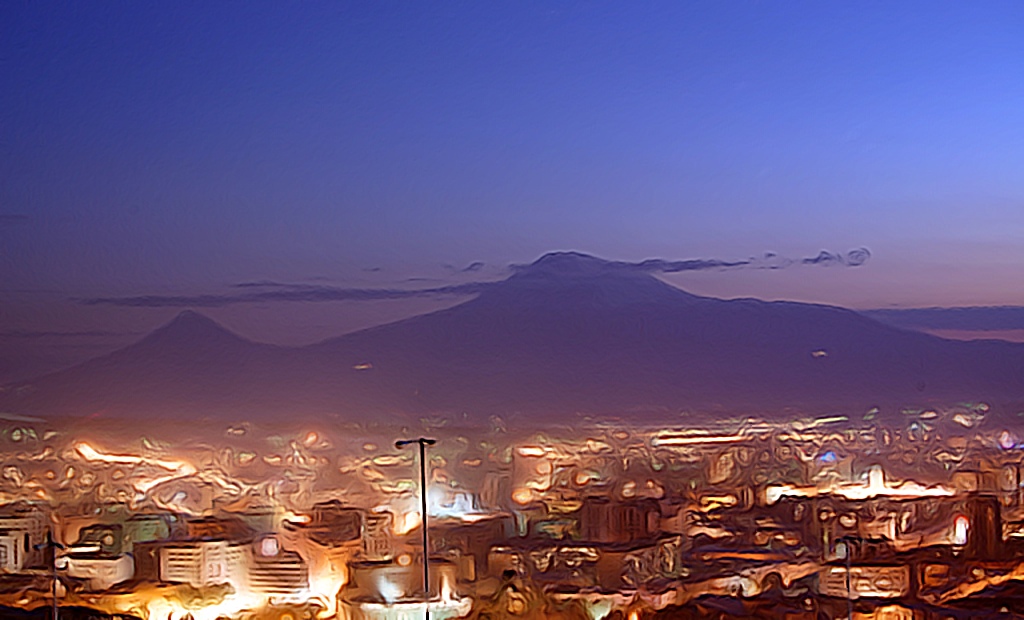
Mt. Ararat

“friends part forever — wild geese lost in cloud” — Basho

.

All the words I learned could be held in one

hand and they all meant going home. Morning

and I would dress in this land of deep sun

and deep mountains. Dress half sober, walking

to the Polytechnic to learn new words.

Always words. Always that long blue mountain

watching, calling her children. As absurd

as a whale’s call. But so much bigger than

that, a call so big that it spoke in dumb

silence, tongue of bone and claw, alphabet’s

secret groan. As if to say, “come to me,

child.” As if to say,“come home, my child, come.”

No. I’m no one’s child and no one gets

to go home. No. Not this child. Not really.
eurydice’s view from a modish pavilion

Tags

, , , ,

tumblr_mh5wzy1MsK1qk4oheo1_500

Էւրէդըսիի հայացքը նորաձեւ փավիլեոնից

Նախ դու նրան տեսնում ես որպես
Մետաքս’ փաթթված հիւսված դարպասին:

Նրա փավիլեոնը
կագնած դաշտի մեջ, փոքր մի կղզի

ցուցաբերելով եւ ոչ մի փասիոն: Հետո
նա բարցրանում է, ծածկված գիշերանոցով ու ցեխով

— շաղատար կոշիկներ, գիշերամաշ գծեր
դեմքի վրա, իր երկար ու պայծառ լուսապսակը

լուսավորելով
իւր փավիլեոնի շլացուցիչ խնջոյքը:

Ասելով «ծծիր
արշալոյսի լոյսը իմ

ճակատի –» Ասելով
«Հետապնդիր տերողորմեաները

նվիրվածութեան –» Ասելով «այլապես’
ես քեզ կը լսամ մի այլ տեղ –»

[Translations by Tatoul Badalian]

.

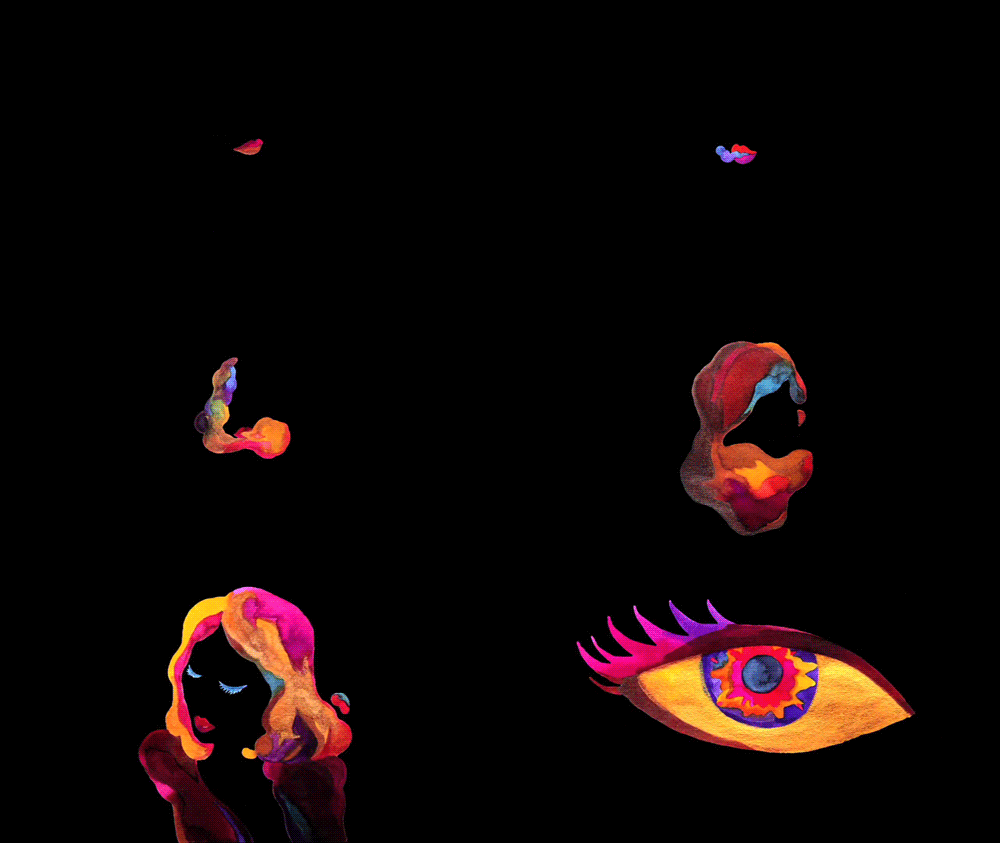
Eurydice’s View from a Modish Pavilion

First you will see her as
silk tied to a woven gateway.

Her pavilion
stands in the field, islet

experiencing no passion. Then
she rises, clad in nightgown and mud

-spattered boots, night-worn lines on
her face, her long bright halo

illuminating the
pavilion’s dazzling banquet.

Saying: “suck early
morning light from my

forehead—” Saying:
“Follow these atonements

of devotion—” Saying: “Otherwise
I will hear you elsewhere—”

prayer to astghik

Tags

, , , , ,

Astghik

Աստվածուհին սիրո եւ վերջին սերը.
Աստղիկ, ես մենակ եմ.
Ուղարկիր ինձ իմ ցանկություն.
Բեր ինձ ցանկամոլություն.
Սապփո, որ Աֆրոդիտեի դուստրը.
Ես ուզում եմ ձեզ հիմա, իմ մուգ մայրը.

.
Goddess of love and last love.
Astghik, I‘m alone.
Send me my wish.
Bring me my desire.
Sappho was Aphrodite’s daughter.
I need you now, my dark mother.

.
note:

Astghik, besides being a popular Armenian girl’s name, is one of the old gods that lived in the Caucasus mountains before Armenia became the first Christian nation in the world. She was, and is, a love goddess, the protector of young girls and the guardian of fresh water. The Greek poet Sappho wrote a hymn to Aphrodite. This is my hymn for Astghik.

And once again I must apologize for my poor skills in Armenian. I am slowly learning the grammar, but it is a slow process when you are teaching yourself. One day I hope to be able to write the poems I dream about writing in Armenian, but until then I will keep on trying.

տաք ջուր է ցնցուղ

Tags

, , , ,

Տաք ջուր է ցնցուղ,

դուք լվանում հեռավորության վրա, թե ինչ ենք արել.

Կամ գոնե փորձում եք.
.

Hot water in the shower,

you wash away everything we just did.

Or at least you try.

Whitman. Sappho. Neruda.

Tags

, , , , ,


Ուիթմեն. Սապփո. Ներուդա.
Տաղ. Հնչեակ. Վիպերգ.
Ես գրում եմ իմ բանաստեղծությունները վրա ձեր ծլիկ.

Whitman. Sappho. Neruda.
Ode. Sonnet. Ballad.
I write my poems on your clit.

* * *

Notes:

As far as I know these are the correct spellings in Armenian of these poets’ names. Պաբլո Ներուդա (Pablo Neruda), Ուոլթ Ուիթմեն (Walt Whitman) and Սապփո (Sappho).

Writing, as they say, is a gamble. We put our art out for the world to see, and then hope the reader enjoys it enough to write back. Some people find their audience right away and some never do. I have no idea where the audience for this poem is, but I am willing to take the chance that once I send it out into the void that is the Internet it will, slowly, find its way to the one who it’s intended for. And who knows? That person might even help me with my grammar, since my ability to write in Armenian is շատ վատ (very bad). Cheers!