buckle

Tags

, , , , , , , , , ,

I learned to walk when the rolling sea ceased

to roll like the earth. I learned to sleep on

billows when you taught me about your creased

lips that tasted of lime. With your tampon

between my teeth I ached for that other

low tide. I didn’t blame the moon, that time,

when you pulled your swimsuit aside. “Lick her.”

I won’t blame it now. Let the sea’s stars climb

the sky, I will not drown while going down.

Without sea legs I drank my fill between

your hips. Rising. Falling. Groaning

of a ship’s hull about to buckle. Drown

with your tampon between my teeth. Sea-queen.

Argos-eyed. You are the vast Deep, moaning.

to: bureau of ocean energy management (boem)

Tags

, , , , , , , ,

You have forsaken oil platforms dotting

the coast. Locals call them eyesores. I call

them a queer Muse. Sadly, they’re bewitching,

ghostly and waiting for the perfect squall

to rift under. Instead, let one live out

its long golden years as a shrine, an art

commune, a haven for all us devout,

seafaring witches. We’ll bring all our hearts

and Craft to this sanctum. Eh? No, listen:

it’s like H.D.’s Sea Garden –– we’ll transform

flotsam into lore. We’ll live without sin

or oil spills. We’ll turn other’s pollution

into the realm of maritime brainstorms

and myth-making. This is how myths begin.

gran frè

Tags

, , , , , , , ,

Water laps against the hull, against swells,

against ebbing. In times of fight or flight

this tricked-out catboat has served very well;

enough room for us to curl up, out of sight,

in its bottom. Slow hours; your back pressed

against my chest, your bottom pressed against

my cock, my fingers pressed against your nest

of curls. Each time your nipples and clit tensed.

Each time you groaned, “Wi, gran frè!” Paul Gauguin

would have loved seeing you squirt up sea spray;

your blue-coral hue soaking my fingers ––.

When we sail back to Jacmel, your cousin

will frown at these new stains, at how you sway

as you walk, at how your smile now lingers.

][][

Notes:

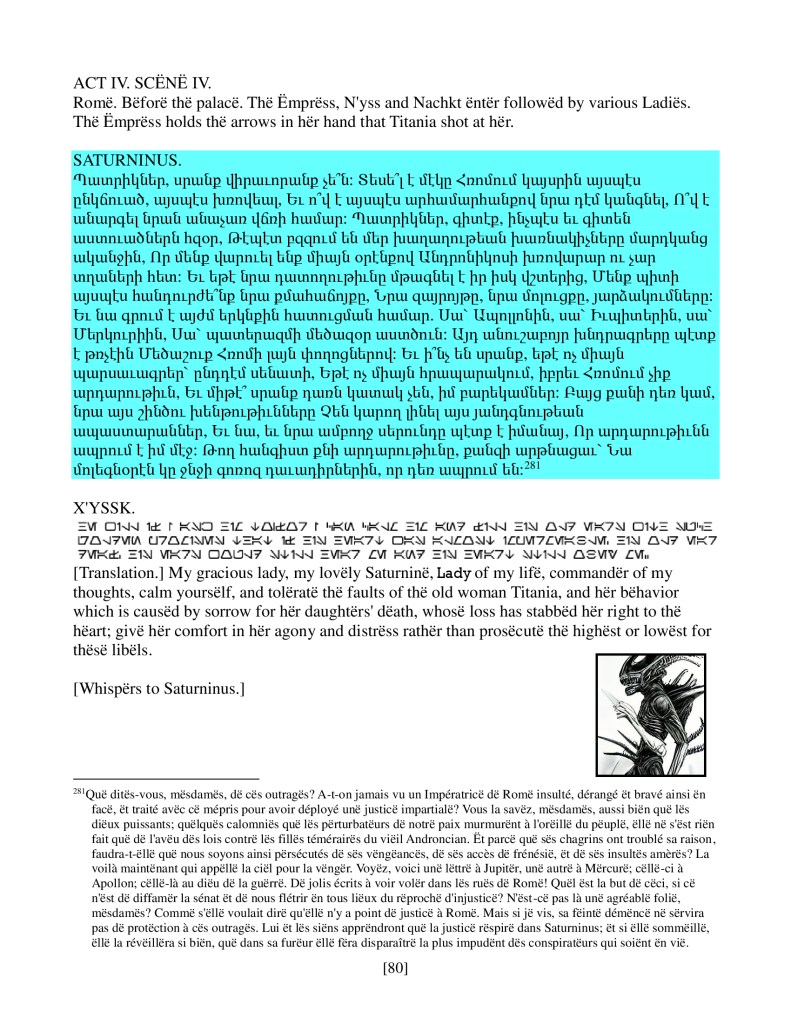
In Haitian Creole, Gran Frè translates into, “Big Brother.” Jacmel is a port city on Haiti’s southern coast. A catboat has a single sail set well forward in its hull. Winslow Homer’s 1870s painting, “Breezing Up (A Fair Wind),” features a catboat riding into the wind. Paul Gauguin was a French Post-Impressionist artist whose work featured Polynesian women in various stages of undress. 1900s Paris couldn’t get enough.

this

Tags

, , , , , ,

Now words are rare. Whatever synapses

let in the Divine are misfiring. ––

Neurons fail. Neural pathways do not please.

Now words are a struggle. I’m struggling

just to write this. Once I said I’d go turn

a tramp steamer into a library. ––

Sail from port to port, sharing that stubborn

love of books with all who live by the sea.

Now I’m struggling just to write this. Now

I sit in my chair and –– stare. There are no

books here. Words, like the water, turn brackish

each time I go down. Let me drown, somehow,

instead of this decline. Instead I know:

first I floundered, now flail and soon perish.

pestilence

Tags

, , , , , , , , ,

Rise as the nightly scourge of a sanguine

people—Illusive as a ghostly stroke

across one’s cheek. Not a spring-heeled villain;

be that other sort of pestilence—smoke

smitten, unfettered, the Azalea Crypt

of quick caresses that makes flesh quiver.

I think of the moon bent; how cum once dripped

from your smile. A conked smile that grows fainter

in my mind as all memories grow faint

when you’re no longer haunted by a bent

figure pressed to the window. I know why

you’re gone. A scourge would need to be a saint

to slake my passions. For nightmares hellbent

on wet dreams I am where they go to die.

umbral

Tags

, , , , , , , ,

Hecate. Mother of the Moon. Hear me.

3 Fates. 3 Faces. Nighttide-bellower.

Thrice-voiced. Beloved of the Cemetery.

Mistress of Corpses and Fire. Bewitcher.

You, who Cronus gave the Underworld to.

You, who feasts among the graves; with this knife

I cut my flesh. 3 drops of blood might do.

Lover of Erinyes and Afterlife;

you face 3 Paths. Show me the 4th. Crossroads

form an X, show me the 5th. Blood umbral.

Mother mine. I am blind from Right-hand light;

from saints that rot, from angels that corrode.

Hecate: show me what’s veiled, nocturnal,

lustful; all that cavort in the moonlight.

serpentine

Tags

, , , , , , , , , , ,

Yes, let all dried pied things that hunt beneath

hueless meringues, that kink about and crawl

upon claws or stunted feet in the heath,

let them all come. Let the dead things that brawl

with the living come, too. The fell things cast

out who walk in the wild woods by their wild

lones. I want them all. Every downcast ghast;

woebegone eidolon; every reviled

wild child. My bed is big. My appetite

curious and my hunger fabulous.

Mortal hordes bore me. Nations of grundy

prigs priss want away. But passion, delight

bred, its fire stirred by Lilith and Eros,

is worth it. Here, serpentine lust, take me.

thunderhead

Tags

, , , , , , , , ,

Half a mile high. Book open. Pen drooping

in one hands; the hand that writes secret words.

Just as the in-flight drinks are served something

enters. “Sounds like dementia. It’s absurd;

ghosts and gods and stuff.” I’ve done deep damage

with my drinking; taken blows to my head.

Who knows? Half a mile high and a mirage

enters me. Shadows? The dark thunderhead

out my window? “Sounds like that Twilight Zone

Gremlin.” On Thursday I’ll be fifty-two.

Vo’chinch,” my pen writes. Nothing? Good enough.

Good? I’m a half-assed conduit. I’ve grown;

not wiser, just … vaguer. Just … the one who,

miles high, mumbles of ghosts and gods and stuff.

][][

Note:

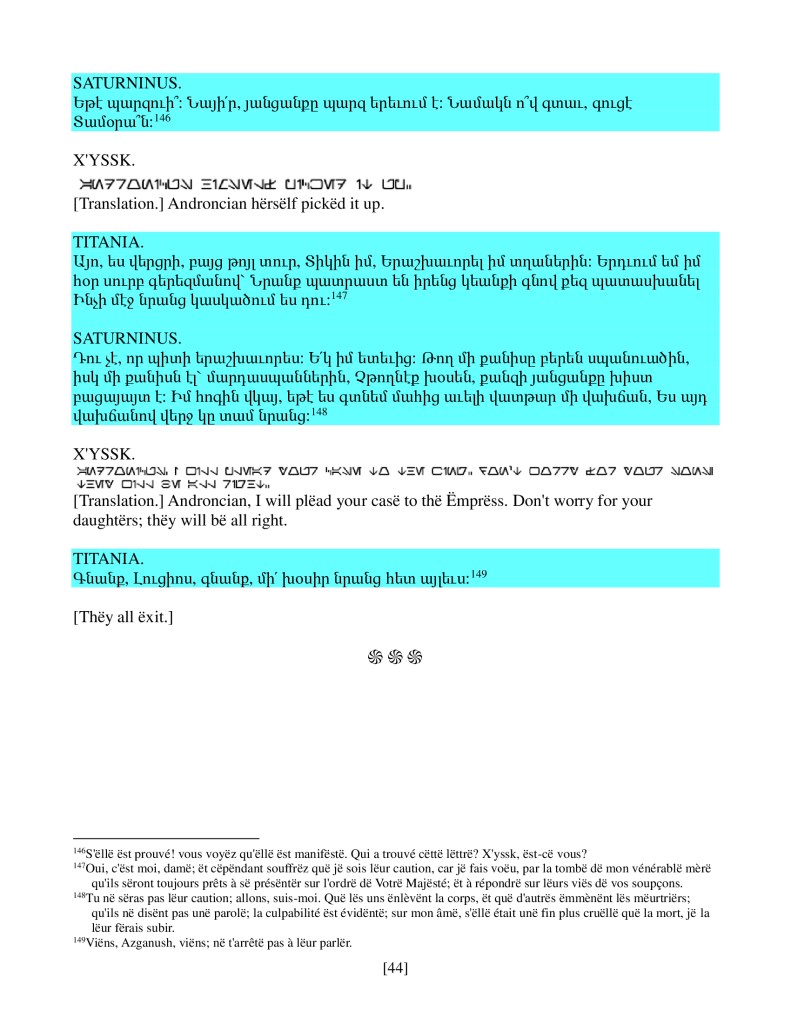
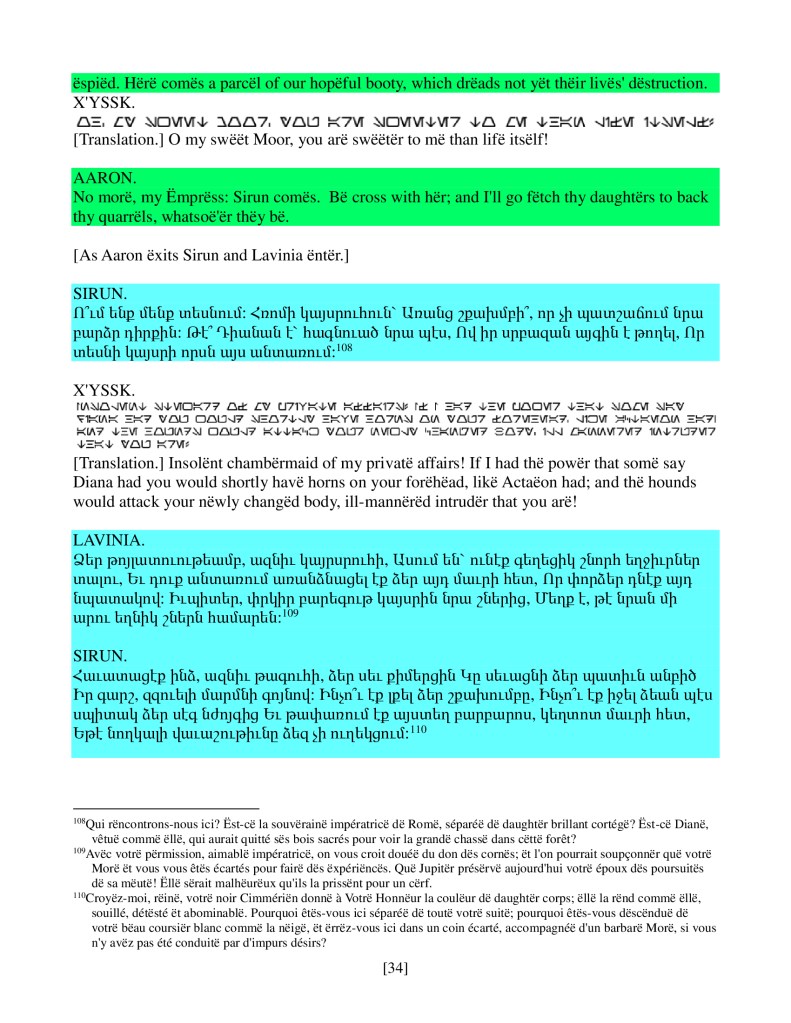
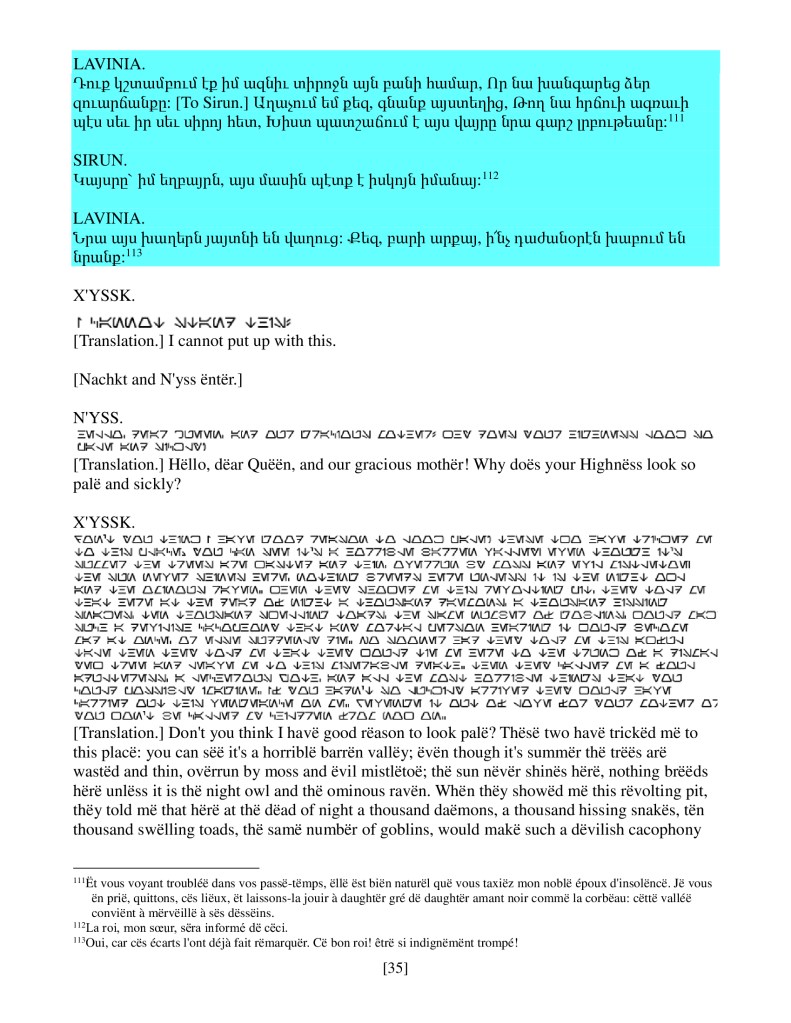
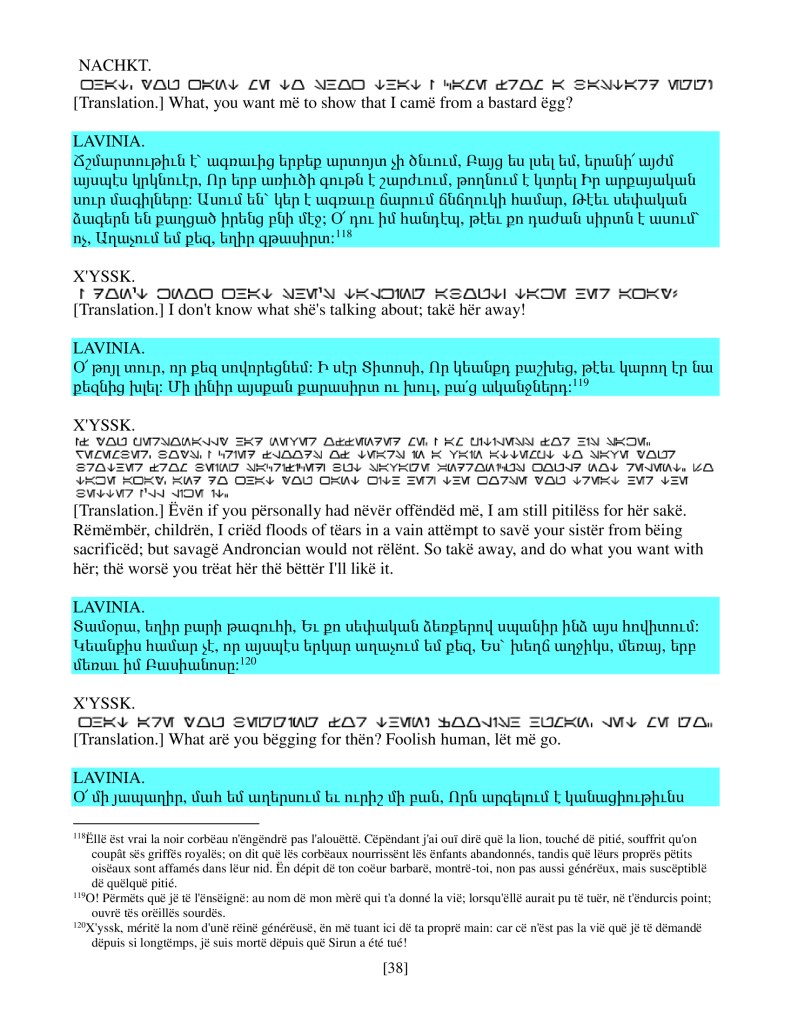
Armenian, an ancient language I am forever butchering when I try to talk, has the most useful word in the world, “Vo’chinch,” (Ոչինչ) an expression that literally means, “Nothing,” but is used in the same way that the French use, “Comme ci Comme ca” — neither good nor bad, it just is.

“in fair verona, where we lay our scene”

Tags

, , ,

I am working on a translation of the Shakespearian sonnet that opens the play Romeo and Juliet.

Two households, both alike in dignity,
In fair Verona, where we lay our scene,
From ancient grudge break to new mutiny,
Where civil blood makes civil hands unclean.
From forth the fatal loins of these two foes
A pair of star-cross’d lovers take their life;
Whose misadventur’d piteous overthrows
Doth with their death bury their parents’ strife.
The fearful passage of their death-mark’d love,
And the continuance of their parents’ rage,
Which, but their children’s end, naught could remove,
Is now the two hours’ traffic of our stage;
The which if you with patient ears attend,
What here shall miss, our toil shall strive to mend.

Since it’s impossible to translate the English rules of what makes a sonnet into Armenian I have simply used prose and so far this is what I have:

Վերոնա կոչվող գեղեցիկ քաղաքում կային երկու մեծ ընտանիքներ, որոնք իրար հետ հին վիճաբանություն ունեին, որը հավերժ պահեցին՝ նոր ոխը դնելով հին վնասվածքների վրա, ձեռքերը թաթախելով միմյանց արյան մեջ։ Այս թշնամիների դժբախտ արգանդից մի զույգ ծնվեց չար աստղի սիրահարվածությամբ, որի վիշտն ու մահը վերջ դրեցին այս դինաստիաների հին ատելությանը: Այս սիրահարների հանդեպ սիրո սարսափազդու անցումը, իրենց խեղճ երեխաներին մահ տված ծնողների կատաղի ոգին մեզ երկու ժամ նյութ է տալիս, որ եթե համբերատար լսեք պակասը, այն կփոխարինեք մեր ջանքերով ու պատրաստակամությամբ։

It is difficult finding people who can or will comment or critique my poor attempts at translation, though I keep hoping that if I post enough attempts someone, somewhere, might read it and offer their own suggestions. Fingers crossed.

irrumabo

Tags

, , , , , , ,

Before the Great War poets saw Gnostic

gibber everywhere. “Hark! The voice of Dawn!”

they’d write and then Dawn would say some stomach

turned tripe about Divine will and Bygone

virtues. After great wars and great horror

the shit got real. “Make it new,” had no place

for, “Lord’s sweet orbs of night,” or whatever

passed as gritty for those sad fucks. “Embrace

vulgar and speak truth,” Catullus charged us.

Brother, even now they still don’t get it;

if those hard sibylline K’s in Cunt, Cock

and Cum offend how will they bear witness

to real horror? –– “Irrumabo?” Shit,

time to go Orphic on your priggish schlock.

][][

NOTES:

When the subject of wretched poetry comes up my first thought is of those slushy, inbred Victorians, who gave us some of the worst doggerel to be found in the English language. Full of pomposity, being grandiloquent without humor or irony, they seemed entirely unwilling or unable to write about anything without heaping bathos all over it: “Theirs not to make reply,/ Theirs not to reason why,/ Theirs but to do and die.” Yes, please put this schmaltz out of its misery. It’s no surprise that the artists who survived WWI quickly realized that their forebears were altogether useless when describing the horrors that they themselves had just witnessed. Burning it all down and salting the earth after was the only logical way to go. Thus, “Make it new,” became Modernism’s imperative and we’ve been following that maxim ever since … with mixed results. I lay claim to the Roman poet Catullus (84-54 B.C.) as poetic progenitor (that’s approximately 84 generations back). He’s a clean old man; though these days Catullus is chiefly remembered for a line of verse considered so obscene that a complete English translation of it wasn’t even published until the 20th century. “Pedicabo ego vos et irrumabo,” which translates as: “I will sodomize and face-fuck you” (best opening line to one’s critics ever). That is the, “vulgar truth,” that I look for in poetry.